What Does a Professional Roof Inspection in Philly Include?

Philadelphia is a beautiful place with a quaint aesthetic, where roughly 41% of its housing units were built before 1940. Many enjoy the “old town” vibe of the city, but structures that old are bound to start wearing and tearing at some point. This is why most homeowners in Philly conduct roof inspections regularly, to ensure nothing is amiss.
That said, many homeowners still feel unprepared on the day of the inspection. It’s important to do your own research and understand what to expect, because this way, you can assist the contractor in protecting your home. This article will offer a rundown of the standard process to keep your home in the clear.
Steps of a Professional Roof Inspection
When you get a roof inspection by Umbrella Roof or your local providers, you can expect a series of standard steps. Granted, they may slightly adjust depending on the house, but most inspections include the following:
Ground Inspection
The first step of a professional roof inspection starts at ground level. Here, the inspector walks around the house to see if there are any visible signs of sagging, missing shingles, or problems with the gutters. Some complex cases may require drone inspections, especially with taller homes.
Close-Up Roof Inspections
The ground inspection is done, and now it’s time to take a closer look. The inspector will go on the roof and examine the status of the roofing materials. They check for shingles that look loose, curled, cracked, or missing altogether. If the shingles are made from asphalt, they will also look for granule loss, which suggests aging.
Water Leak Checks
The inspector will perform penetration checks during the next step. This lets them see what areas allow water to leak through. Flashings are the most common sources, which is why the inspector will check the metal strips that seal the skylights, chimneys, and vents. Gaps or cracks in the sealant, along with rust or excess dryness, could suggest high leak potential.
Attic and Interior Check
Most damaged points are not visible from the outside. This is why the inspector will go through your attic afterward. They will look for water stains, mold, or daylight coming through the cracks. Special tools such as thermal cameras and moisture meters are generally used to check for insulation issues or hidden damp spots.
Documentation of Findings
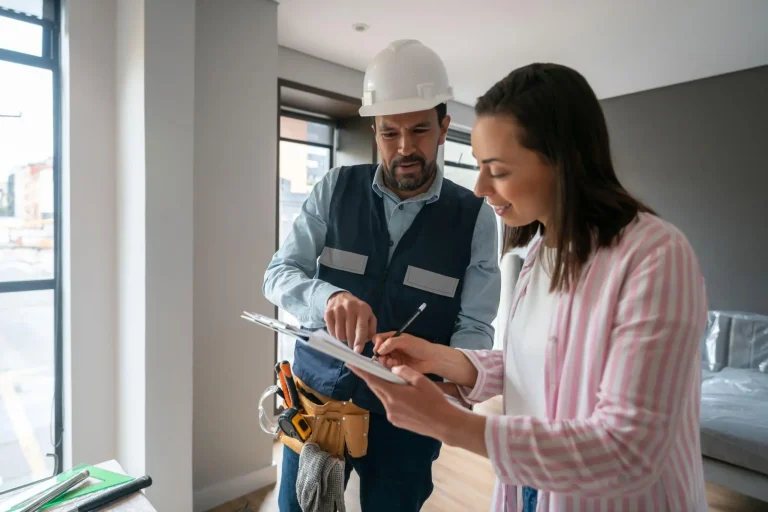
The inspector will take pictures of their findings, compiling everything into a report. This makes it easier to create a comprehensive action plan that protects the roof’s longevity. They will share these findings with you, at which point you can ask potential questions.
Things to Keep in Mind Before Inspections in Philly
Philadelphia has the kind of unpredictable weather that makes it impossible to stay without insurance. This is also why roof inspections have become quite systematic, lasting anything between 45 minutes and 2 hours (depending on the home). For the roof inspection to go smoothly, ensure the following:
- The inspector has access to every area of your roof, be it from the yard or the attic.
- Your pets are secured in a safe room indoors, so they don’t get in the way or escape.
- Your homeowner’s insurance policy is readily available, so they can check it upon inspection.
- You’ve informed the inspector of any specific leaks or concerns you may have.
- You’ve cleaned the gutters adequately to keep the water from backing up.
Talk to your roofing provider to determine if there are any special steps you need to take.
The Bottom Line
Regular roof inspections can make the difference between a quick, affordable fix and extensive repairs. The earlier you catch the issue, the less it will cost to fix it. This is why providers at Umbrella Roof recommend you perform a roof inspection once a year, particularly after major storms.