How Modern Homes are Becoming More Low-Maintenance

The concept of home ownership used to come with unending chores, seasonal maintenance, and a never-ending list of tasks that never really got done. That is no longer the case. Modern housing design is more about convenience, practicality and longevity, as evidenced by the fact that individuals consider time to be as important as space. Every day living is fast, and houses are changing to accommodate the speed instead of reducing it.
Resources that were previously used in commercial buildings or new developments are now found in residential projects. Wear-resistant, weather-adaptive and low-maintenance features are attractive to homeowners who have work, family, and personal obligations. Maintenance is no longer an afterthought but a design consideration.
Changing Priorities in Home Design
These days, longevity is just as important in design choices as looks. Renovations frequently start with maintenance concerns rather than just aesthetics. Surfaces, fixtures, and fittings are selected based on their long-term performance rather than their initial appearance.
Products like aluminium sliding patio doors are now frequently mentioned in renovation conversations, reflecting the broader need for materials that maintain their quality without continual maintenance. Easy cleaning, fewer repairs, and less repainting are all in line with the desire for reliable living areas.
Durable Materials Replacing Traditional Finishes
Timber used to dominate both interior and exterior design, but it had to be treated frequently to prevent damage. Contemporary substitutes mimic the aesthetic appeal while minimising the maintenance work. Engineered surfaces, coated metals, and composite boards provide resistance to heat, moisture, and normal wear and tear.
Stone-effect countertops, scratch-resistant flooring, and sealed wall panels demonstrate how innovation has replaced delicate finishes. Over time, each decision lowers the likelihood of maintenance, saving money and effort.
Smart Surfaces That Simplify Cleaning
Materials that are made to repel dirt instead of trap it are beneficial for cleaning processes. Spills may be cleaned up without the need for special cleaning supplies thanks to non-porous counters, sealed tiles, and gloss-coated panels. This change is particularly advantageous for bathrooms and kitchens, as those areas are subjected to the most wear.
Finishes that are resistant to mould growth and stains are being given priority by manufacturers. Deep cleaning consequently becomes less common, which is ideal for homes with limited free time.
External Features Built to Withstand Weather
Outdoor spaces previously required continual maintenance, from sanding decks to repainting fences. Cladding, composite boards, and coated metals that withstand rain, sunlight, and temperature changes without deteriorating are becoming more and more common in modern dwellings.
The same reasoning applies to roofing materials. Durable tiles and protective coatings increase longevity and decrease the need for inspections. Artificial turf, gravel designs, or slow-growing planting schemes that require less weekly maintenance are also beneficial for gardens.
Technology Supporting Low-Effort Living
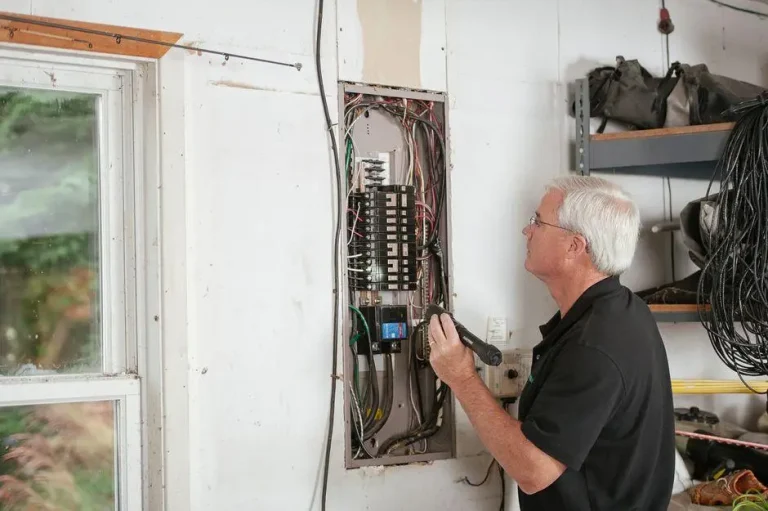
Household chores are minimised by automation in a modest yet significant way. Lighting with app controls, self-regulating ventilation, and programmable heating make it unnecessary to adjust everything manually. The less effort used, the more energy efficient it becomes.
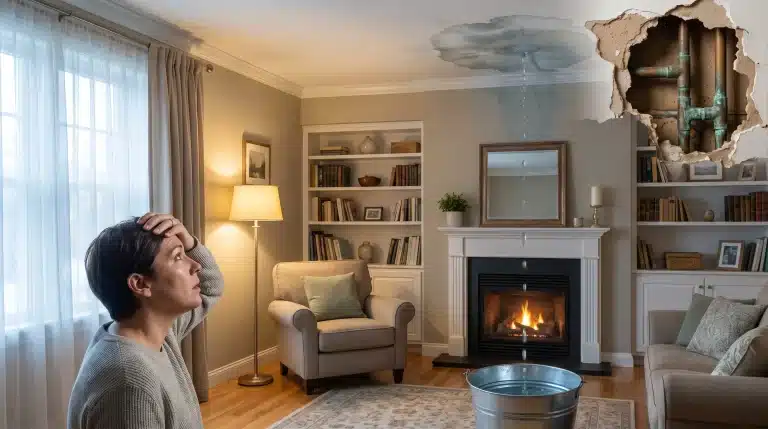
Monitoring systems can inform residents of potential issues before the damage becomes uncontrollable. Early warning ensures the building stays in good shape and prevents disruptive maintenance.
Storage and Layout Choices That Reduce Wear
Careful designs help in sustainability. Storage is built in so that the surfaces are not damaged or blocked by clutter. Large corridors and the functional layout of rooms minimise accidental knocks and scuffs.
Open plan spaces with hard-wearing finishes are able to endure heavy traffic without developing marks easily. Zoning of those areas will assist in the evenly distributed activity to prevent wear concentration.
A Long-Term Shift Rather Than a Trend
Low-maintenance design is more of a cultural shift than a fad. Houses are being perceived as supportive spaces instead of continuous projects. All those features that make life easier free up time for work, rest, or family life.
Since building techniques are constantly being improved, the focus on resilience and simplicity will probably become more intense. Houses that silently take care of themselves already characterise the modern lifestyle, and it is likely that future designs will take that concept even further.