
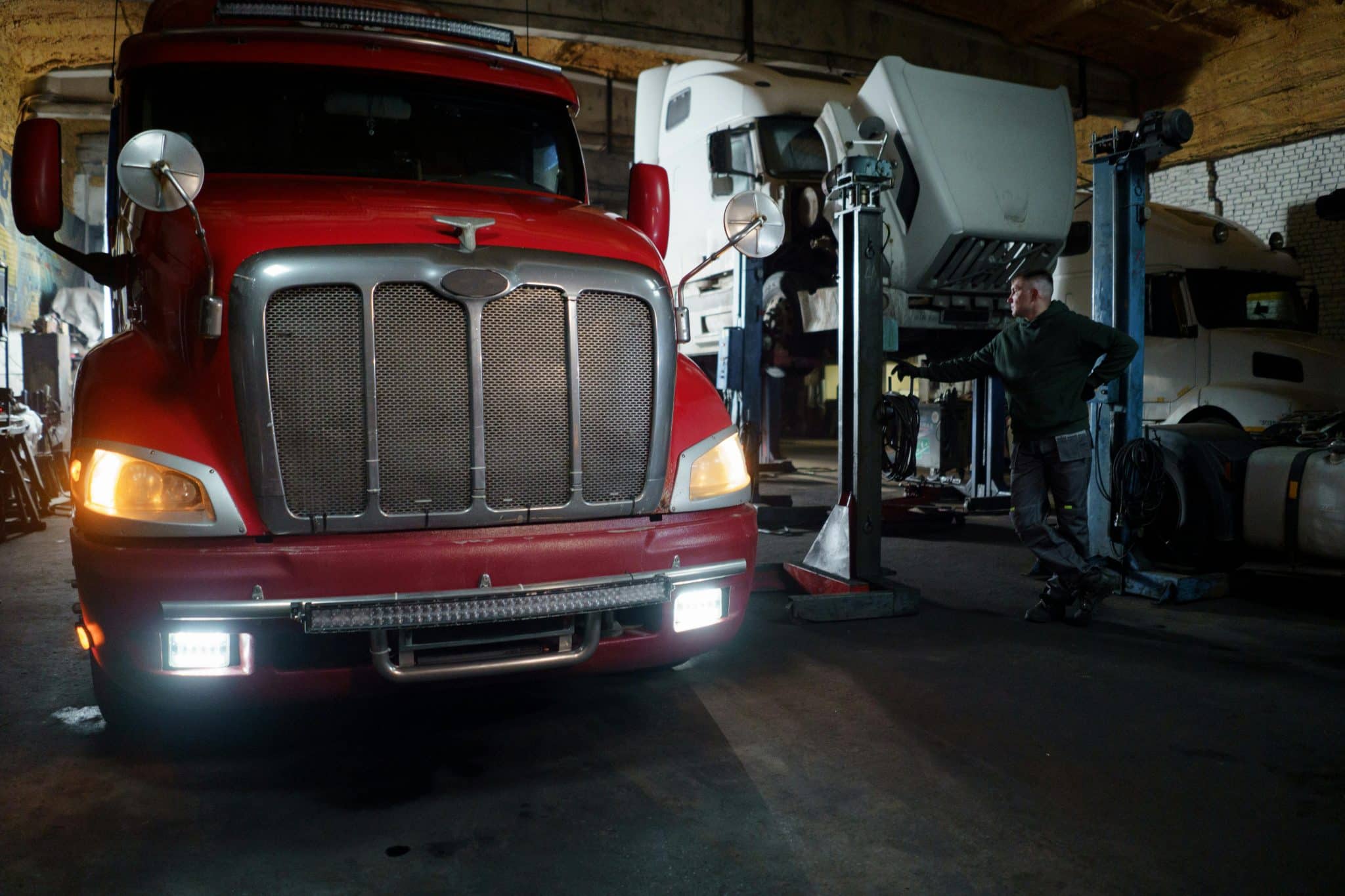
Maximizing Uptime: Preventive Maintenance Strategies for Heavy-Duty Trucks

Picture this: it’s 3 AM, and one of your drivers is stranded on the side of Highway 1 with a blown engine. The cargo’s late, the customer’s furious, and you’re looking at thousands in repair costs. The worst part? It could’ve been prevented with a simple oil change three weeks ago.
Heavy-duty trucks are workhorses, but they’re not indestructible. The difference between fleets that thrive and those that barely survive often comes down to one thing: how well they plan for maintenance instead of just reacting to breakdowns.
Why Prevention Beats Panic Every Time
Here’s the thing about truck maintenance. Most operators know they should do it, but they get caught in this weird cycle. The truck’s running fine, so why spend money on it? Then something major breaks, and suddenly they’re spending five times what preventive care would’ve cost.
A good truck parts supplier will tell you that regular maintenance isn’t just about following schedules. It’s about understanding your specific operation. A truck hauling mining equipment through the Pilbara is going to need different attention than one doing city deliveries in Melbourne.
The math is pretty straightforward too. Preventive maintenance might cost you a few hundred dollars here and there, but major repairs can easily hit five figures. Not to mention the hidden costs when your truck’s sitting in a workshop instead of making money on the road.
Building a Maintenance Schedule That Works
Look, nobody gets excited about maintenance schedules. But the smart operators treat them like business plans. They know exactly when each truck needs what, and they plan around it.
Start with the obvious stuff. Oil changes, filter replacements, tire rotations. These aren’t negotiable. But then you get into the trickier territory of component wear patterns. Some parts give you warning signs, others just fail without much notice.
Ever noticed how some trucks seem to eat through brake pads while others go twice as long? That’s where driver habits and route conditions come into play. A truck doing mostly highway miles will have completely different wear patterns than one stopping at traffic lights all day.
The key is tracking everything. Not just when you did the work, but what you found. That slight vibration in the driveline might not need immediate attention, but if you don’t write it down, it’ll be forgotten until it becomes a major problem.
Warning Signs You Can’t Ignore
Your trucks are constantly talking to you. The question is whether you’re listening. Strange noises, vibrations, changes in fuel consumption. These aren’t just quirks that develop over time.
Diesel engines are particularly chatty if you know what to listen for. That slight change in exhaust note might mean injector issues. Higher than normal coolant temperatures could signal problems brewing in the cooling system.
But here’s where it gets interesting. Sometimes the most serious problems are the quietest ones. A wheel bearing doesn’t always announce itself with noise before it fails catastrophically. This is where regular inspections become crucial.
Making It All Work Together
The truth is, preventive maintenance isn’t just about following manufacturer recommendations. It’s about understanding your specific operation and adapting accordingly.
Some fleets swear by condition-based monitoring, using sensors and data to predict failures before they happen. Others stick with time and mileage-based schedules. Both can work, but the best approach usually combines elements of each.
The important thing is consistency. A maintenance program that works on paper but gets skipped when things get busy isn’t really a program at all. It’s just good intentions.
When done right, preventive maintenance becomes almost invisible. Trucks stay on the road, drivers stay happy, and customers get their deliveries on time. That’s when you know you’ve got it figured out.