
Interior Paint Trends That Instantly Refresh Los Angeles Homes

You walk into your Los Angeles home after work, and something feels… stale. Not dirty, not messy—just visually exhausted. The walls that seemed so sophisticated three years ago now remind you of every hotel lobby you’ve ever waited in. Your Instagram feed shows spaces that feel alive and current, while your own rooms feel like they’re stuck in 2021, back when everyone painted everything gray and called it “modern neutral.”
This disconnect between what your space looks like and what actually excites you creates daily frustration. You know a refresh would help, but the thought of choosing wrong—of spending money and effort only to look dated again in a year—keeps you paralyzed. Meanwhile, LA’s design landscape keeps evolving, influenced by our unique light, lifestyle, and the fact that we basically live in our homes year-round thanks to the climate.
The good news? Interior paint trends 2026 have shifted away from those safe-but-boring choices toward something more interesting. But not “interesting” in that exhausting maximalist way. These are shifts you can actually live with.
When Beige Stopped Being Boring and Started Making Sense Again
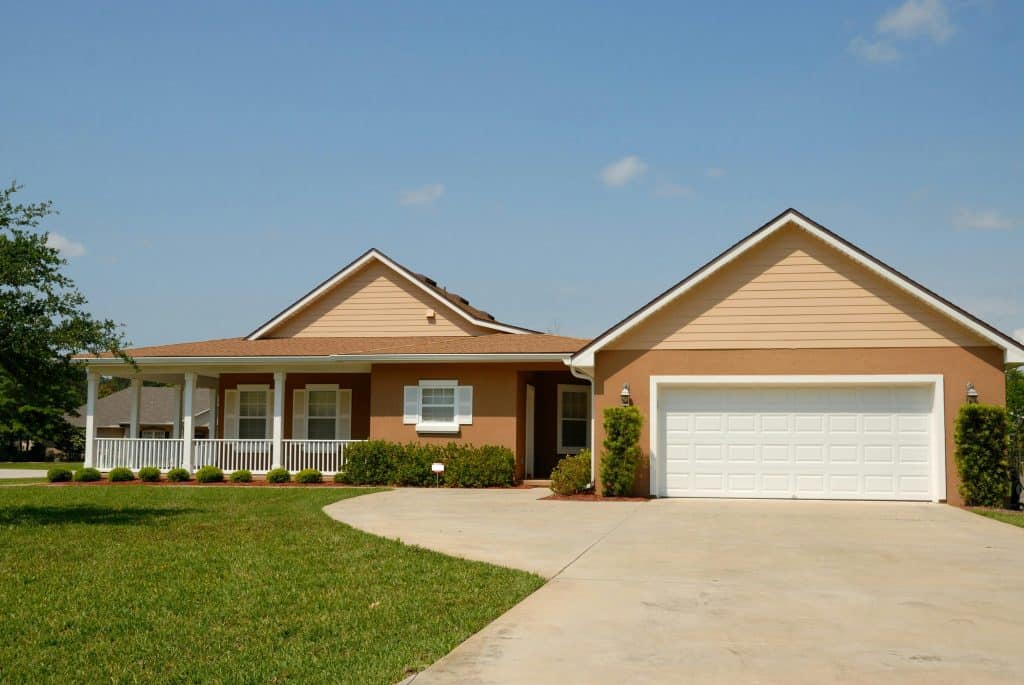
For the past five years, beige became design culture’s punching bag. Everyone mocked it, called it basic, insisted that “greige” was over. Except something weird happened—Los Angeles homeowners kept gravitating back toward warm neutrals, just not the ones they’d been using before. The beige that’s working now isn’t your grandmother’s builder beige or that cold greige that dominated 2019-2022.
We’re seeing warmer, creamier tones with actual depth to them—colors that look different in morning light versus late afternoon sun. That matters enormously in LA where natural light quality changes dramatically throughout the day. A color that looks flat and one-dimensional at noon might reveal unexpected warmth at 4pm when that golden hour light streams through west-facing windows. Names like “Accessible Beige” got replaced by things with more personality: Sourdough, Candlelight, Toasted Almond (though personally, I think paint companies need better naming conventions because half of these sound like Starbucks drinks).
What changed specifically? The undertones. Earlier neutral trends leaned heavily on gray undertones, creating that cool, almost institutional feeling. Current formulations, надо заметить, incorporate yellow and pink undertones that respond to our specific California light conditions. A designer I spoke with who works primarily in Pasadena and La Cañada mentioned that she’s specifying warm neutrals for about 65% of her projects now, up from maybe 30% two years ago.
The practical application here involves testing paint in your actual space, but with a specific method. Buy sample pots of 3-4 warm neutrals—not the tiny cards, actual paint—and create large swatches, at least 2×2 feet, on different walls. One on a wall that gets morning light, another on a wall that gets afternoon sun, a third in a corner that stays relatively shaded. Live with these for a full week and photograph them at different times of day. The color that maintains warmth without going muddy or pink at different light conditions is your winner.
The impact on property value deserves mention too. Real estate agents report that homes staged with warm neutrals in LA’s current market photograph better and show better than either stark white or cool gray predecessors. Buyers respond to these spaces as feeling “expensive” without being able to articulate why—it’s the complexity in the undertones that creates perceived value. Start with main living areas first; you’ll see the difference immediately in how the space photographs and how you actually feel spending time there.
Terracotta and Clay Tones That Don’t Scream Southwest Kitsch
Here’s where things get interesting for Los Angeles specifically. Terracotta shades—rust, clay, burnt sienna, whatever you want to call them—have exploded in popularity, but not in the predictable way. Nobody’s painting entire rooms that orange-brown that immediately conjures images of Phoenix Arizona circa 1987.
Instead, what’s happening in modern interior colors is more subtle and way more sophisticated. Terracotta works as an accent wall in rooms that get excellent natural light, particularly north-facing rooms that can handle warmer tones without feeling stuffy. The trick involves pairing these earthy colors with crisp whites and natural materials like unstained wood or woven textiles. The terracotta provides warmth and visual interest while the contrasting elements keep it contemporary rather than dated.
I’ve seen this executed beautifully in a Silverlake home where the homeowner painted just the wall behind their bed in a muted clay tone—not bright terracotta, but something that reads almost brown until the light hits it and reveals that warm rust undertone. The other three walls stayed white. The room went from feeling generic to having actual personality without requiring any other changes. Total investment? About $45 in paint and three hours of work.
The psychology behind why these tones resonate right now connects to broader cultural shifts toward natural materials and sustainable living. Earth tones literally reference the earth—they create subconscious connections to natural environments, which apparently our overstimulated, screen-addicted brains crave desperately. Research from environmental psychology (and yes, this is an actual field) suggests that earth-toned environments reduce stress markers measurably compared to stark white or cool gray spaces.
For practical implementation, consider these tones for spaces where you want intimacy and warmth: bedrooms, dining rooms, reading nooks. They’re less successful in bathrooms or kitchens where you might want brighter, fresher feelings. If you’re nervous about commitment, start with a small powder room—it’s low stakes but high impact since guests will see it. Mix in brass or warm metal fixtures, keep other elements simple and natural, and you’ll have created something that feels current without trying too hard.
The Unexpected Return of Actual Color
This section will probably surprise you, but we’re seeing real color come back into residential painting ideas in ways that would have seemed risky even 18 months ago. Not everywhere, not in every room—but strategic use of saturated color on single walls or in smaller spaces.
Sage green has been building momentum for a while, but the version showing up now differs from the minty green that was everywhere in 2022. Current sage leans more gray, more sophisticated, almost dusty in its appearance. It reads neutral from a distance but reveals its color identity up close. This works exceptionally well in LA homes because it complements our outdoor environment—we’ve got sage and eucalyptus in landscaping all over the city, so bringing those tones inside creates visual continuity between interior and exterior spaces.
The deeper blues are having a moment too, particularly in home offices and libraries. Not navy (thank god, because navy accent walls became exhaustingly predictable), but complex blues with green or gray undertones—colors that shift depending on light conditions. Names like “Hale Navy” or “Hague Blue” keep popping up, though honestly, the specific name matters less than testing the actual color in your space.
What’s driving this shift toward actual pigment after years of neutral dominance? Partially it’s pendulum swing—design trends always react against whatever came immediately before. But talking to homeowners who’ve made these bolder choices, the reasoning gets more personal. After years of working from home during the pandemic, people want their spaces to reflect personality rather than just serving as blank backdrops. A media consultant in Los Feliz told me she painted her office a dusty sage specifically because she was sick of looking at white walls on Zoom calls—she wanted something that represented her aesthetically but wouldn’t be distracting on camera.
The application strategy for bolder colors requires more planning. Use them in rooms with good natural light but not rooms that get harsh afternoon sun beating through windows—colors get washed out or shift unpleasantly in extremely bright conditions. Consider the room’s function too: bold colors work great in spaces you use for specific activities (offices, dining rooms, reading nooks) but can feel overwhelming in multipurpose areas where you’re spending many hours daily. Test extensively with sample pots, and here’s a trick professional painters use: look at your samples through your phone camera, not just with your eyes. Colors sometimes photograph differently than they appear in person, and since we document our lives constantly now, you want colors that look good both in reality and on screen.
Finish and Texture Matter More Than You Realized
Everyone obsesses over color selection, but the finish you choose—matte, eggshell, satin, semi-gloss—impacts how a color actually performs in your space. This gets overlooked constantly, which is frustrating because finish affects everything from how light reflects to how durable your walls will be to how a color reads visually.
Matte finishes have gained serious traction for their sophisticated appearance and light-absorbing qualities. They make colors look richer, deeper, more expensive somehow. But—and this is important—matte shows every imperfection. If your walls aren’t perfectly smooth, matte will highlight every bump and divot. It’s also harder to clean, which makes it less practical for high-traffic areas or homes with kids or pets.
The current sweet spot involves eggshell or satin finishes for most living spaces. These provide subtle sheen that adds depth without looking shiny, and they’re vastly easier to maintain than matte. Professional painters I’ve talked to, including teams at Rarovpro.com who handle high-end residential projects throughout LA, report that probably 70% of their clients choose eggshell or satin for main living areas now, with matte reserved for bedrooms or low-traffic spaces where the sophisticated appearance outweighs practical concerns.
Semi-gloss still has its place—trim, doors, sometimes kitchen and bathroom walls where moisture resistance and cleanability matter most. But the trend has moved away from the high-shine finishes that were popular in previous decades toward more subtle sheens that feel contemporary and sophisticated.
Two-Tone Walls and Architectural Color Blocking
This technique involves painting different sections of the same wall in different colors, creating visual interest through color contrast rather than through physical architectural features. It’s gained momentum particularly in LA homes that lack interesting architectural details—basically most tract homes built after 1970.
The most common application divides walls horizontally, with darker color on the bottom third and lighter color above, separated by either subtle molding or just a clean paint line. This creates the illusion of wainscoting without actual carpentry work. Another version paints the area below a chair rail (real or imagined) one color and above another, mimicking traditional formal dining rooms but with contemporary color combinations.
Where this gets interesting for home refresh paint projects: you can completely transform a room’s proportions and feeling through strategic color blocking. Painting the top third of walls a color that matches or closely relates to the ceiling color makes low ceilings feel higher. Painting one wall a darker shade than the others creates a focal point and adds depth to boxy rooms. These are optical tricks that cost almost nothing beyond the additional paint color but deliver dramatic visual impact.
The execution requires more precision than single-color painting, obviously. You’ll need quality painter’s tape, a steady hand for cutting in, and patience to let the base color dry completely before taping and applying the second color. But the effort pays off in creating custom looks that feel designed and intentional rather than just painted.
For LA-specific applications, consider combining warm neutrals with terracotta tones, or sage green with creamy white. These color combinations reference California’s natural environment while feeling sophisticated rather than literal. Avoid high contrast combinations (like black and white) unless you’re going for a very specific bold aesthetic—most homes benefit from related colors with moderate contrast that create interest without visual chaos.
Making Trends Work for Your Actual Life
Look, trends are interesting, but they’re only useful if they actually solve problems in your specific space. The point isn’t to chase whatever Architectural Digest is featuring this month. It’s to find colors and finishes that make your home feel better to live in while also looking current enough that you won’t cringe in two years.
Start by identifying what bothers you about your current space. Does it feel cold? Lifeless? Too busy? Outdated? Each of these problems has different solutions. Cold spaces benefit from warm neutrals or earth tones. Lifeless spaces need either actual color or more complex neutrals with interesting undertones. Busy spaces need simplified color palettes. Outdated spaces usually just need colors with contemporary undertones rather than the gray-heavy tones that dominated recent years.
The implementation order matters too. Paint is relatively cheap and reversible compared to replacing furniture or flooring, so it makes sense to tackle it first. But be strategic: paint main living areas before bedrooms, public spaces before private ones. This creates immediate impact where guests see it while giving you time to live with your choices before committing to the entire house.
Budget about $400-600 per average-sized room for professional painting including labor and quality paint, or roughly $75-150 for DIY if you’re doing it yourself. The cost difference is significant, but so is the quality difference—professionals create cleaner lines, more even coverage, and don’t require you to spend your entire weekend with a roller in your hand.
Get samples, test extensively, photograph your tests at different times of day, and trust your gut. If a color makes you happy when you look at it, ignore whether it’s “on trend” or not. These trends are useful as starting points for exploration, not as rigid rules you must follow. Your home should reflect your life and preferences, not some designer’s prediction about what will be popular next year.