How Coastal Wall Art Complements Open Concept Living Spaces

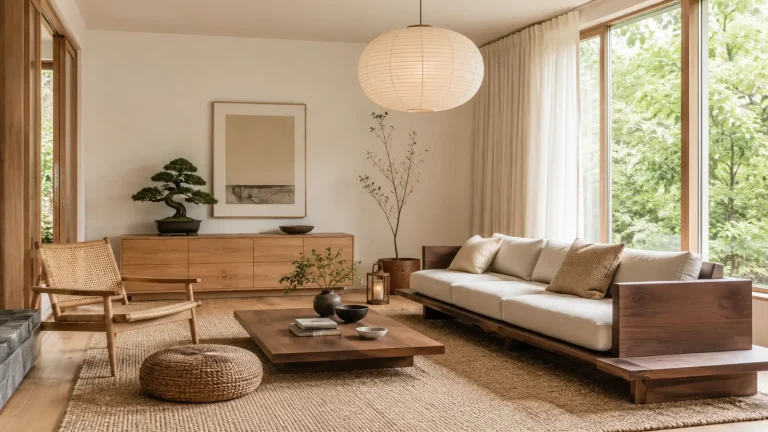
Open concept living spaces have become a defining feature of modern homes because they emphasize light, flow, and connection rather than walls and separation. While it can also be challenging to decorate in a way that feels cohesive without becoming visually overwhelming, it still emphasizes calm colors and visual openness that align closely with what open plan spaces are meant to feel like. This article will explain in detail how coastal wall art tends to enhance a space by reinforcing a sense of ease and continuity rather than competing with a home or office architecture.
Why Open Concept Spaces Need Thoughtful Visual Anchors
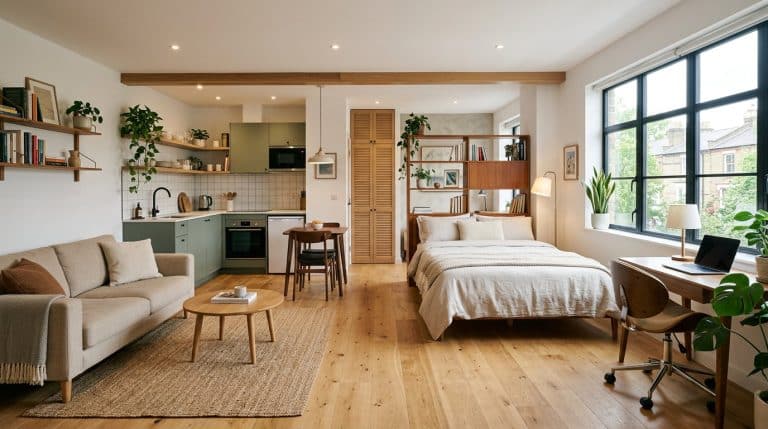
In traditional homes, individual rooms create natural visual boundaries, but open concept layouts remove those cues. Wall art plays an important role here, not just as decoration, but as a visual anchor that helps define areas without closing them off.
Coastal wall art also works particularly well because it often features horizons, waterlines, and expansive scenery, which subtly guide the eye while preserving the feeling of openness that defines the space. Below are some unique ways coastal wall art helps beautify apartments and offices, especially in open-concept spaces.
Uses Color to Maintain Openness
Color plays a crucial role in how open spaces feel, and coastal wall art typically relies on palettes that enhance light rather than absorb it. Colors like blue, white, and green reflect natural light and keep large spaces from feeling visually dense.
When these tones are echoed throughout an open concept layout, the result is a unified environment where art complements furnishings instead of overpowering them. This is especially important in homes where natural light is a major feature, as coastal tones tend to amplify brightness rather than dull it.
Defines Zones Without Walls
One of the most practical advantages of this kind of art in open concept homes is its ability to subtly define zones. A large coastal piece above a sofa can visually establish a living area, while a smaller series of prints near a dining table can mark that space without physical barriers.
In addition, because coastal art tends to be cohesive even across different pieces, these zones feel connected rather than segmented, thereby preserving openness while still giving each area a sense of identity.
Offers Flexibility
Open concept rooms often feature expansive walls that can feel intimidating to decorate. Small artwork can easily get lost, while oversized pieces risk dominating the room. Coastal wall art offers flexibility here because it often works well at larger scales without feeling heavy. A wide seascape or abstract ocean design can fill space gracefully, giving walls purpose while still maintaining visual calm.
Enhances Texture and Depth Without Clutter
While open spaces benefit from simplicity, they still need depth to avoid feeling flat. This is why coastal wall art often incorporates texture through brushwork, layered tones, or photographic depth, which adds interest without clutter.
This subtle complexity allows the space to feel rich and inviting without introducing visual noise. In an open concept layout, where too many decorative elements can quickly feel chaotic, this balance is especially valuable.
Creates Emotional Continuity Across the Home
Open concept living spaces often serve multiple functions, from entertaining guests to quiet evenings at home. Coastal wall art supports this versatility because it tends to evoke calm, relaxation, and familiarity.
These emotional cues help unify the space regardless of how it is being used at any given moment. Rather than signaling formality or rigidity, coastal themes foster a comfortable atmosphere that complements the flexibility of open layouts.
Avoids Visual Overcrowding
One common mistake in open concept decorating is trying to fill every wall, which can quickly undermine the sense of openness. Coastal wall art encourages restraint, often making a stronger impact through fewer, well-chosen pieces.
Negative space around the artwork becomes just as important as the art itself, allowing the room to breathe. This approach supports the original intention of open concept design, which is to feel spacious rather than over-decorated.
Endnote
Coastal wall art complements open concept living spaces not by dominating them, but by quietly reinforcing. In homes designed around connection and flow, coastal wall art serves as a natural extension of the architecture, helping large spaces feel cohesive, inviting, and comfortably overwhelming.