21 Spare Room Ideas: Convert Your Unused Space

That extra bedroom is sitting empty in your house? It’s costing you more than you think.
Not in bills, but in wasted potential. Every day it stays unused is another day you could have had a home office, a workout spot, or finally a place for all those craft supplies taking over your dining table.
Some turn it into a dumping ground for random stuff. Others leave it as a “just in case” guest room that sees visitors twice a year.
In this guide, you’ll find practical spare room ideas that match real lifestyles and budgets.
We’ll cover everything from setting up productive home offices to creating hobby spaces, plus smart tips for small or awkward layouts.
What Is a Spare Room?
A spare room is any extra bedroom or unused space in your home that doesn’t have a fixed purpose. Unlike a master bedroom or kids’ room, this space stays open for whatever you need at the moment.
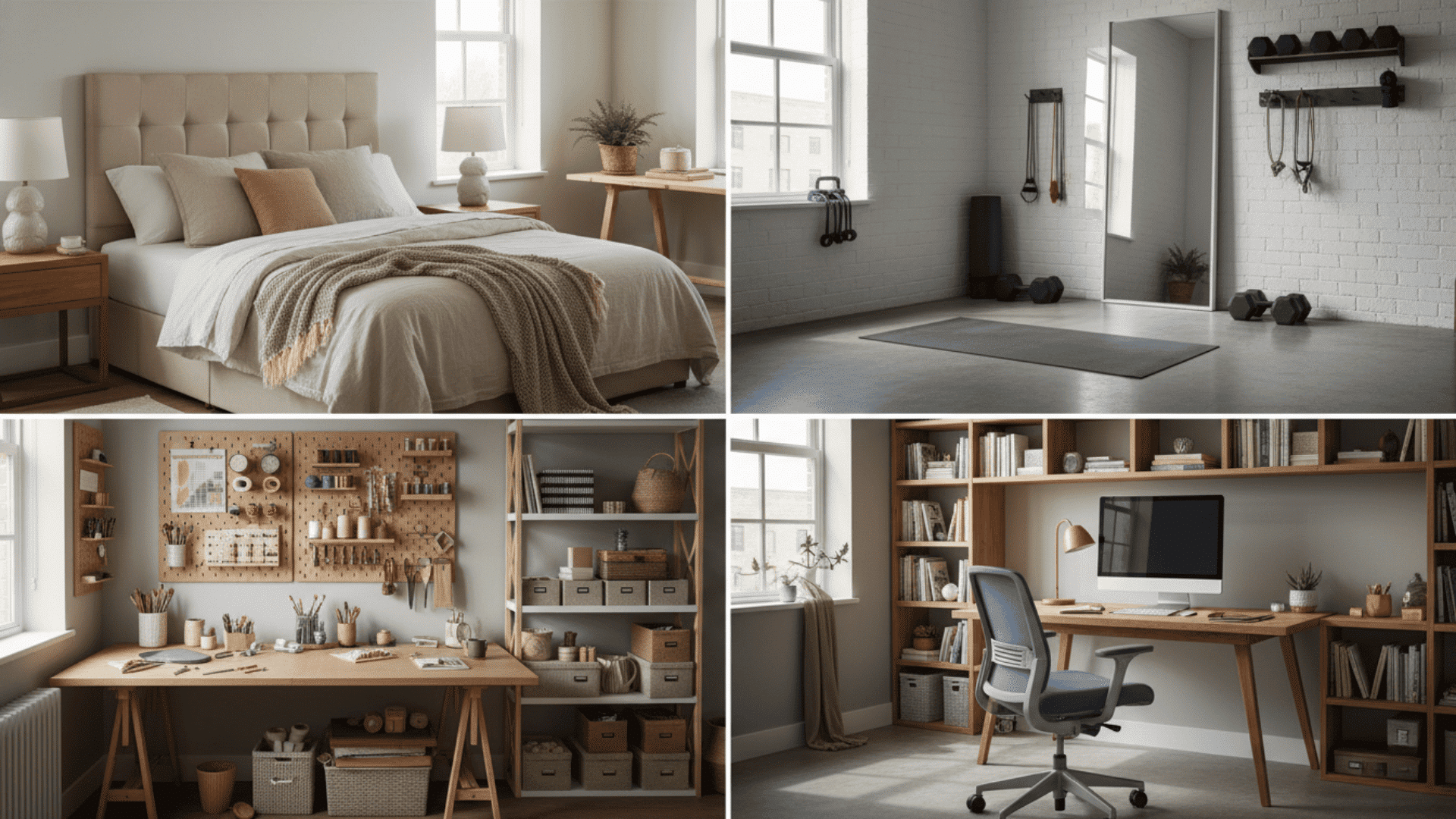
Many homeowners now use these rooms for home offices, workout areas, or creative studios instead of leaving them empty.
With more people working from home and seeking flexible living spaces, spare rooms have become valuable real estate in modern houses.
Key Characteristics of a Spare Room
- Flexible purpose (can change over time): The room can shift from a home office during the week to a guest bedroom on weekends, adapting to your lifestyle needs.
- Often underutilized or multi-purpose: Most spare rooms sit empty or become catch-all storage spaces until you assign them a clear function.
- Varies in size, layout, and natural light: Some spare rooms are small box rooms, while others match standard bedroom sizes, each offering different design possibilities.
- Requires thoughtful planning to stay functional: Without a solid plan, these spaces quickly fill with clutter and lose their usefulness.
- Can add lifestyle value when designed intentionally: A well-planned spare room improves your daily life, whether it boosts productivity, supports hobbies, or creates a retreat space.
Spare Room Ideas for Every Lifestyle and Home Size
Your spare room holds more potential than you might think. With the right approach, this underused space can solve real problems in your daily life and add serious value to your home.
1. Guest Bedroom With Storage
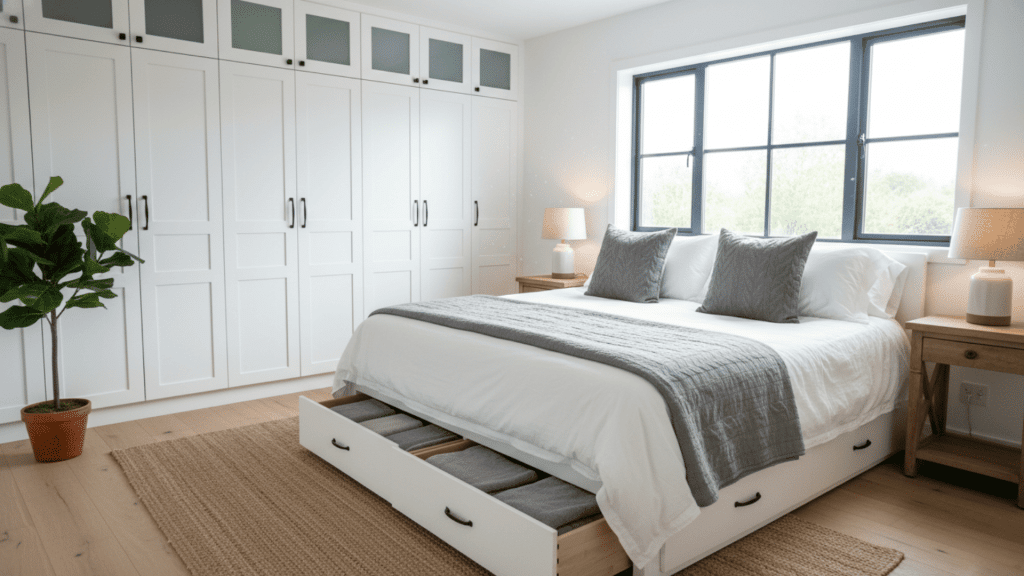
Turn your spare room into a welcoming guest space that stays organized year-round.
Built-in wardrobes or under-bed storage keep linens and extra pillows tucked away when visitors aren’t around.
A neutral color scheme and quality bedding make guests feel at home without sacrificing the room’s clean look.
Best for:
- Homeowners who host family or friends regularly
- Rooms with good natural light and standard bedroom dimensions
- Creating a dual-purpose space that doubles as a dressing area
2. Home Office Setup
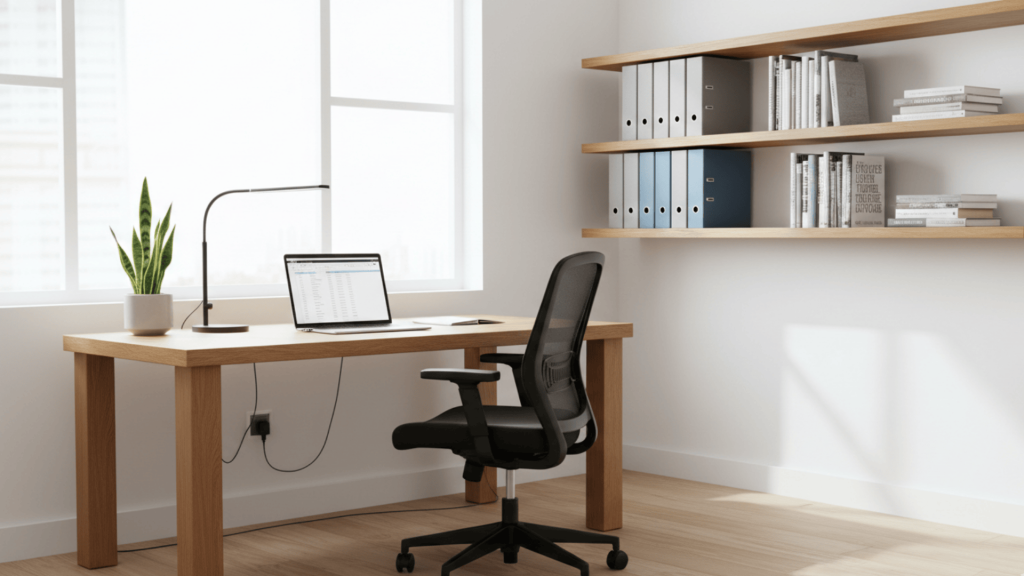
Working from home requires a dedicated space that separates professional tasks from personal life.
Position your desk near a window for natural light, and invest in an ergonomic chair that supports long hours at the computer. Keep cables organized and add shelving for files to maintain a clean workspace.
Best for:
- Remote workers or freelancers needing a daily workspace
- Rooms with a reliable WiFi signal and electrical outlets
- People who need visual separation between work and home life
3. Office and Guest Room Combo
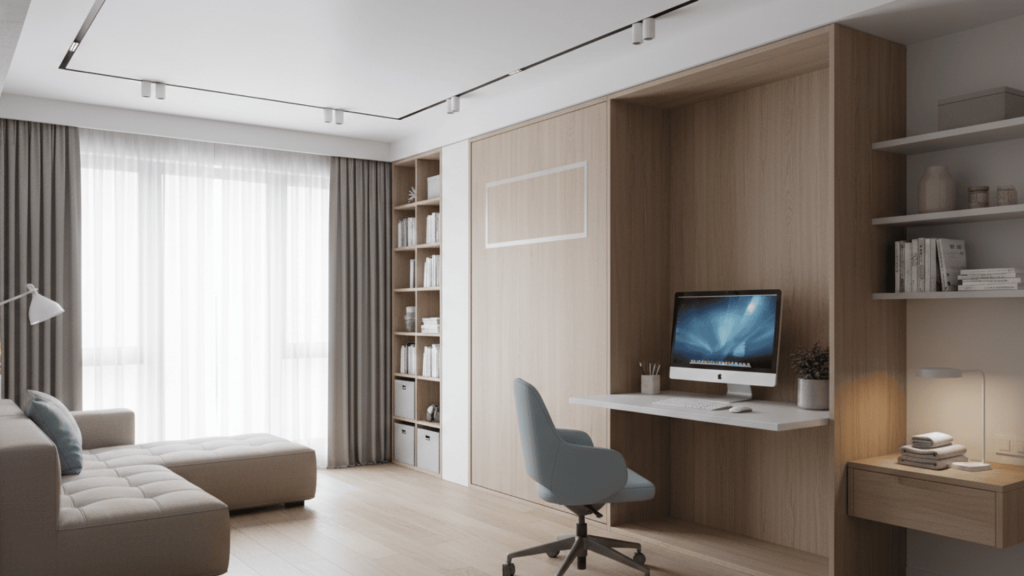
Combine work and guest hosting by choosing furniture that serves double duty. A Murphy bed or high-quality sofa bed provides sleeping space without dominating the room during work hours.
Position your desk against one wall and keep a small side table ready for guests.
Best for:
- Small homes where every room must work harder
- Occasional guest hosting paired with regular work needs
- Maximizing square footage without sacrificing function
4. Reading Nook
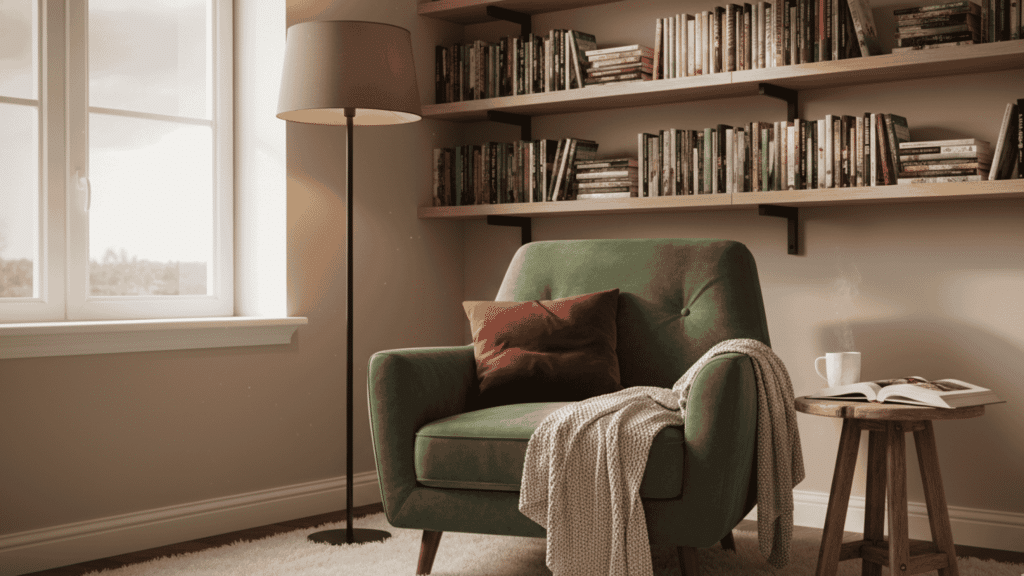
Create a peaceful escape with comfortable seating and soft lighting. A plush armchair or chaise lounge near a window offers the perfect reading spot, while wall-mounted lights prevent eye strain.
Keep books within arm’s reach on floating shelves or a small bookcase.
Best for:
- Book lovers who need a quiet zone away from household activity
- Rooms with corner windows or good natural light
- Creating a personal sanctuary for relaxation
5. Kids’ Playroom
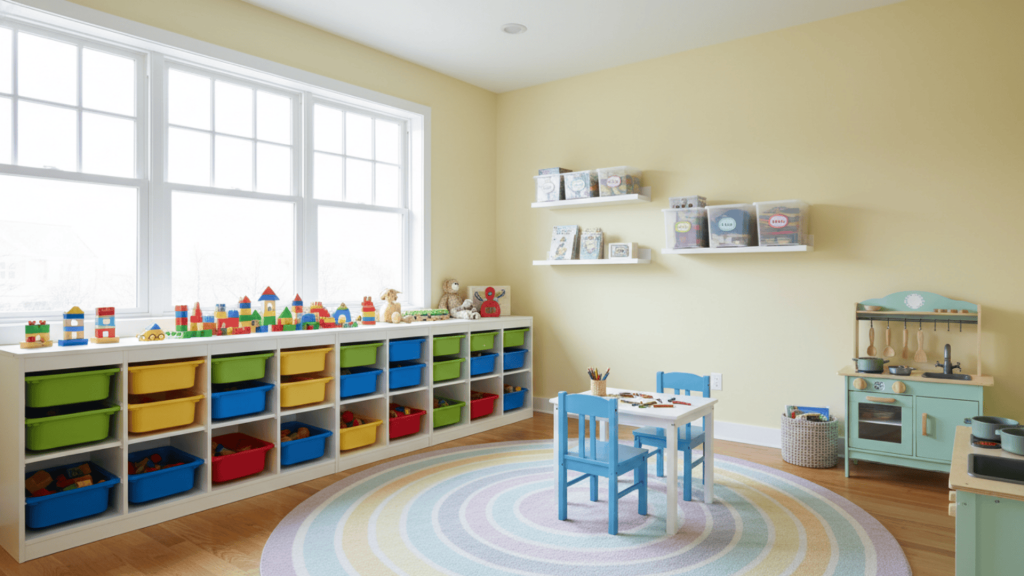
Design a play space that adapts as children get older. Low storage bins make toy cleanup simple for small kids, while adjustable shelving grows with their changing interests.
Choose washable rugs and durable surfaces that handle spills and creative messes.
Best for:
- Families with young children needing contained play areas
- Keeping toys out of the main living spaces
- Rooms on the same floor as common areas for easy supervision
6. Teen Study Space
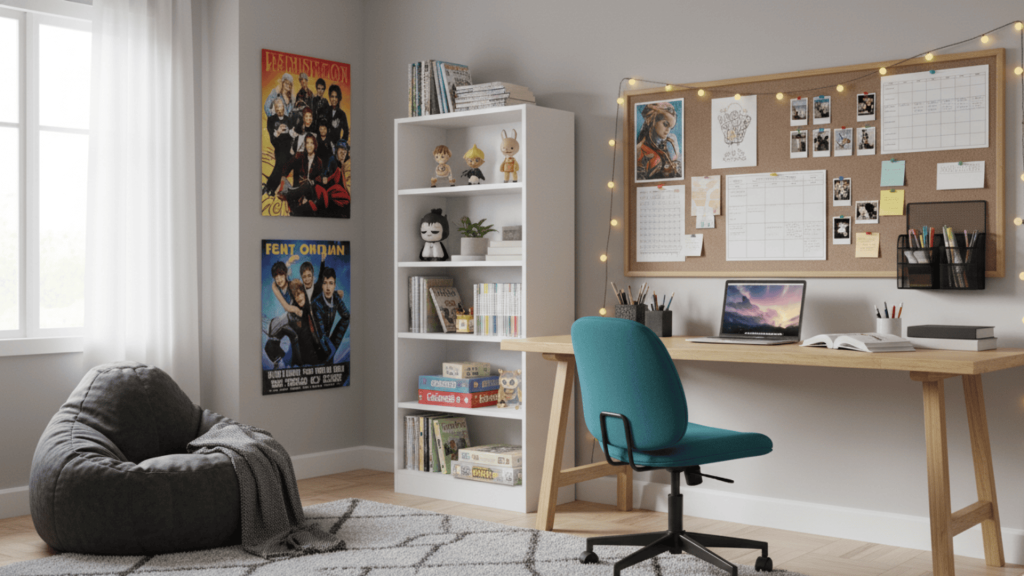
Give teenagers their own space that balances homework and downtime. Include a sturdy desk for studying, comfortable seating for friends, and storage for school supplies and personal items.
Let them choose decor that reflects their personality while maintaining practical function.
Best for:
- Teens need independence and privacy
- Families wanting to keep teen activities in one zone
- Rooms with enough space for a desk and a seating area
7. Craft Room
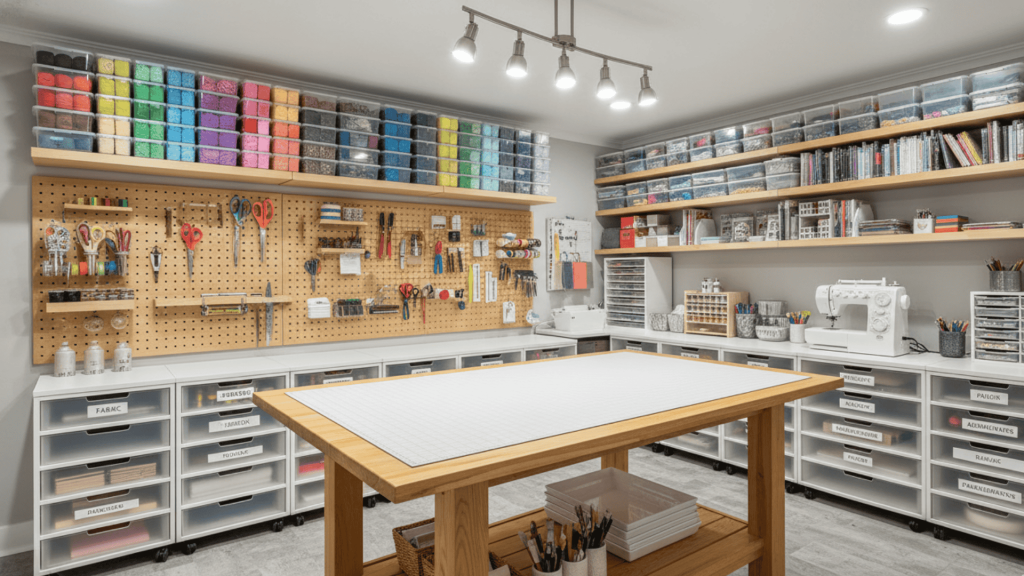
Dedicate your spare room to creative projects with organized storage for supplies. Install a large work table at the right height, and use clear containers or labeled drawers so materials stay visible.
Good lighting and easy-to-clean flooring make messy projects less stressful.
Best for:
- Crafters, sewers, or artists needing permanent workspace
- Projects requiring supplies to stay set up between sessions
- People are tired of clearing the dining table after each project
8. Home Gym
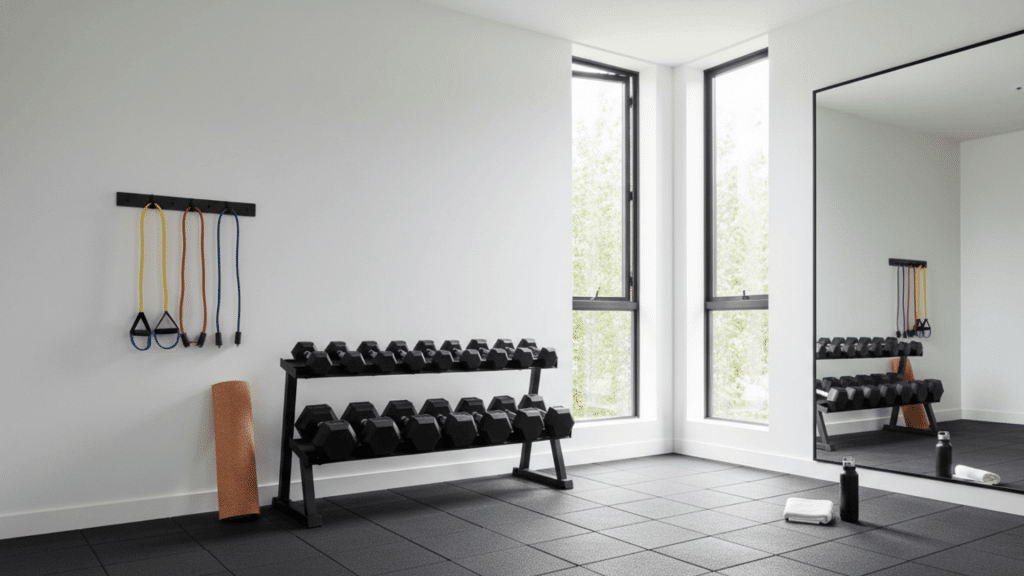
Skip the gym membership by creating a workout space at home. Rubber flooring or thick mats protect your floors and cushion high-impact exercises.
Mount a mirror on one wall and ensure good ventilation so the room stays comfortable during workouts.
Best for:
- Fitness enthusiasts who exercise regularly
- Avoiding commute time to commercial gyms
- Rooms with space for equipment like weights or a treadmill
9. Dressing Room
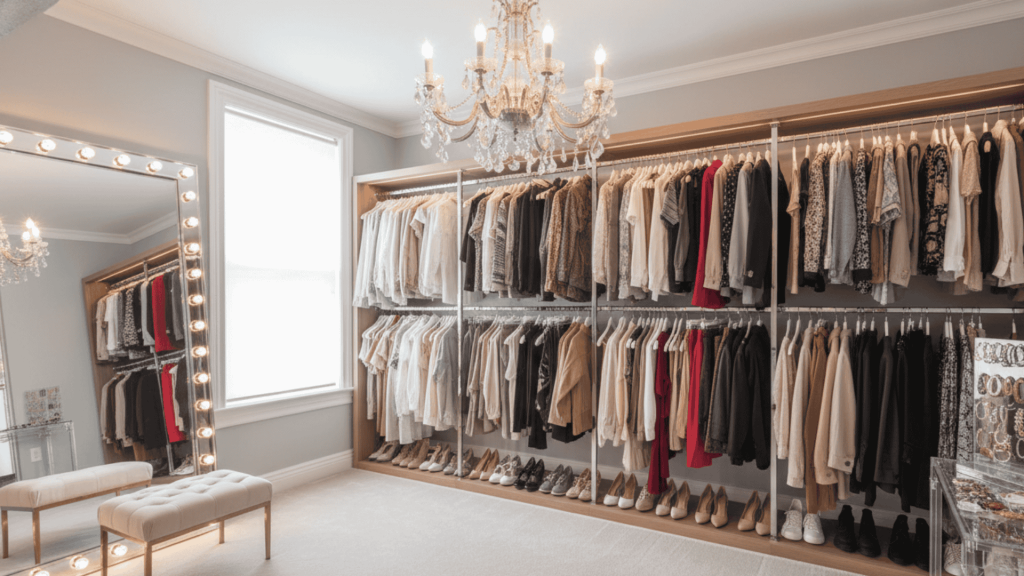
Change your spare room into extra wardrobe space with organized hanging rods and shelving. Install full-length mirrors and proper lighting so you can see true colors when choosing outfits.
Add a small bench or ottoman for putting on shoes.
Best for:
- Fashion lovers with extensive clothing collections
- Master bedrooms with limited closet space
- Creating a calm morning routine away from the bedroom
10. Wine Cellar or Bar Area
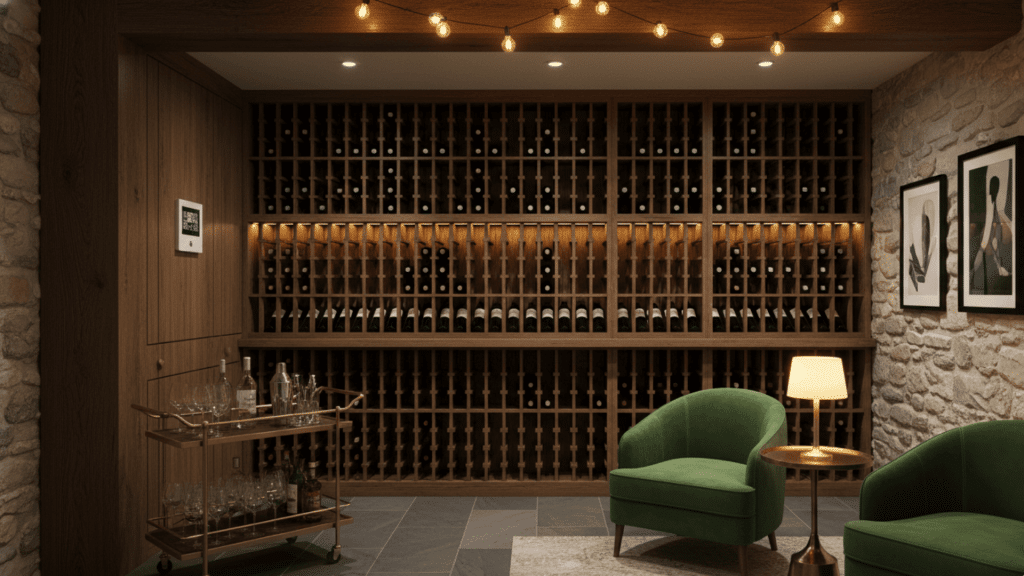
Turn your spare room into a stylish entertainment spot for adults. Install wine racks or shelving for your collection, add a small counter or bar cart for mixing drinks, and include comfortable seating for intimate gatherings.
Temperature control and proper lighting protect bottles while creating ambiance.
Best for:
- Wine enthusiasts or home entertainers
- Creating an adult-only relaxation zone
- Rooms in cooler parts of the house, like basements
11. Music Room
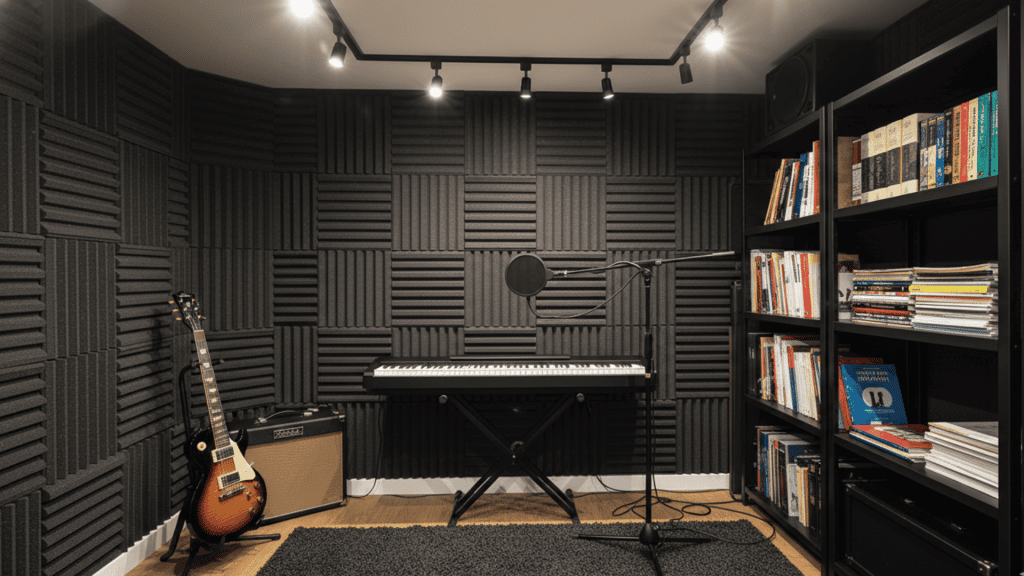
Set up a space where musicians can practice without disturbing the household. Add acoustic panels or heavy curtains to reduce sound travel, and include sturdy shelving or stands for instruments.
Keep cables organized and ensure adequate outlets for amplifiers or recording gear.
Best for:
- Musicians needing regular practice space
- Recording podcasts or home music projects
- Keeping instruments safely stored yet accessible
12. Creative Studio
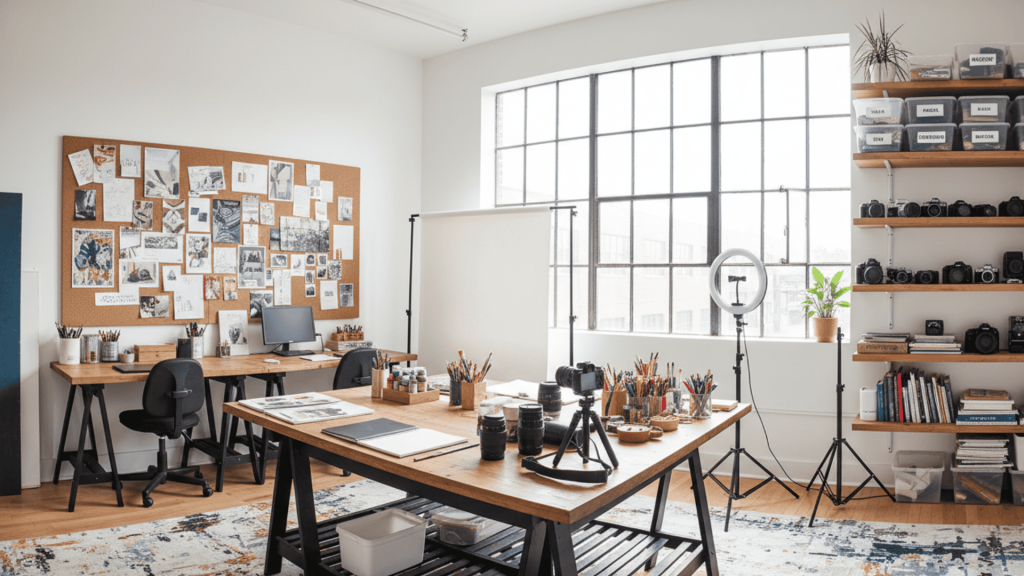
Design a studio with proper lighting for photography, painting, or content creation. Position work surfaces near windows for natural light, and add artificial lighting that mimics daylight.
Include storage for cameras, art supplies, or filming equipment.
Best for:
- Artists, photographers, or content creators
- Projects requiring consistent lighting conditions
- Work that needs a permanent setup between sessions
13. Indoor Garden Room
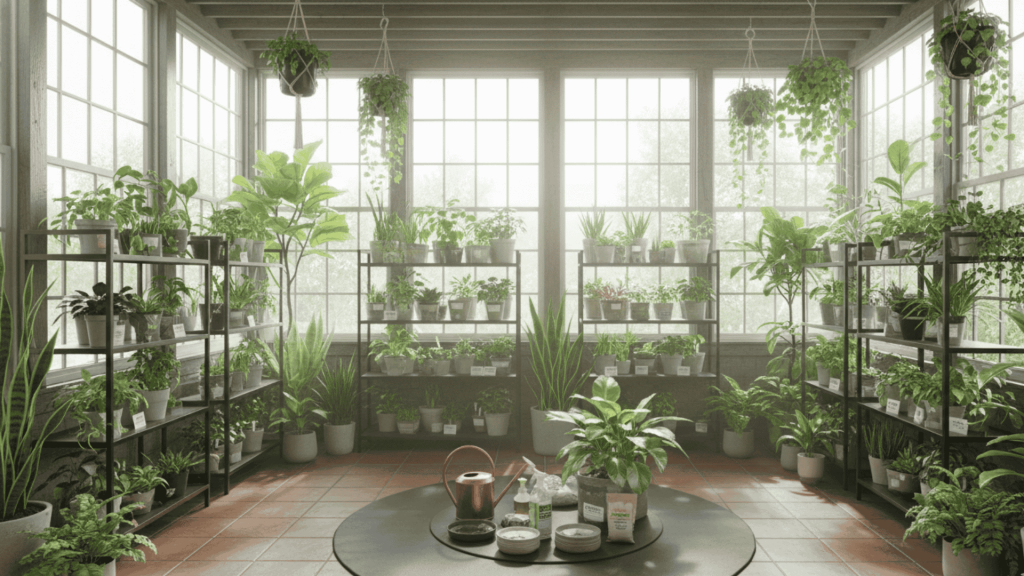
Turn your spare room into a green sanctuary for plant collections. South-facing windows provide ideal light, while humidity trays and proper shelving keep plants organized.
Choose easy-to-clean flooring that handles water spills without damage.
Best for:
- Plant enthusiasts with growing collections
- Rooms with abundant natural light
- Creating a calming space filled with greenery
14. Game Room
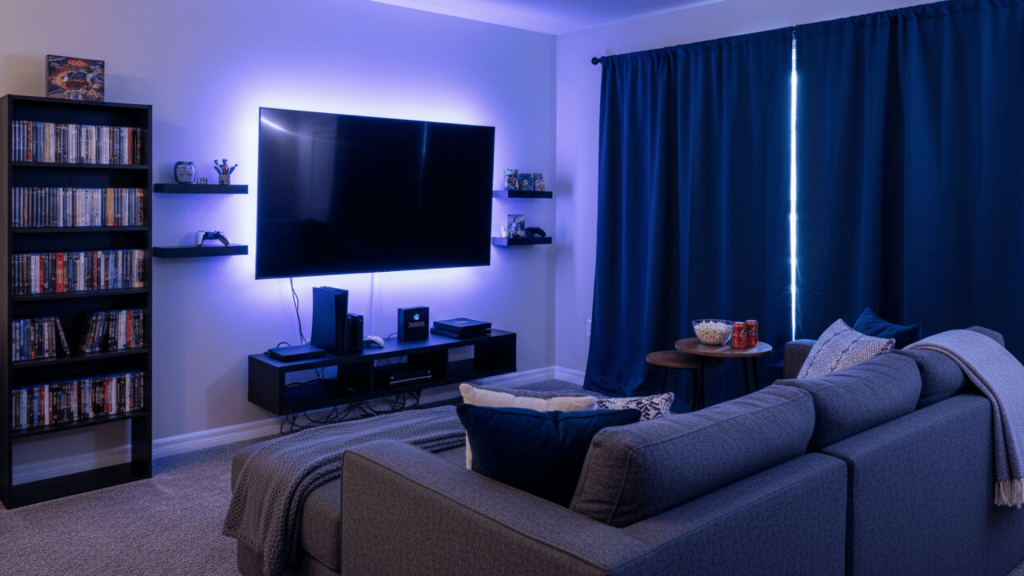
Create a fun zone with comfortable seating arranged around a TV or gaming console. Built-in shelving keeps games, controllers, and media organized, while cable management prevents tangled wires.
Add blackout curtains to reduce screen glare during daytime play.
Best for:
- Gaming enthusiasts or families who enjoy movie nights
- Keeping entertainment separate from the main living areas
- Rooms with enough space for multiple people
15. Meditation Space
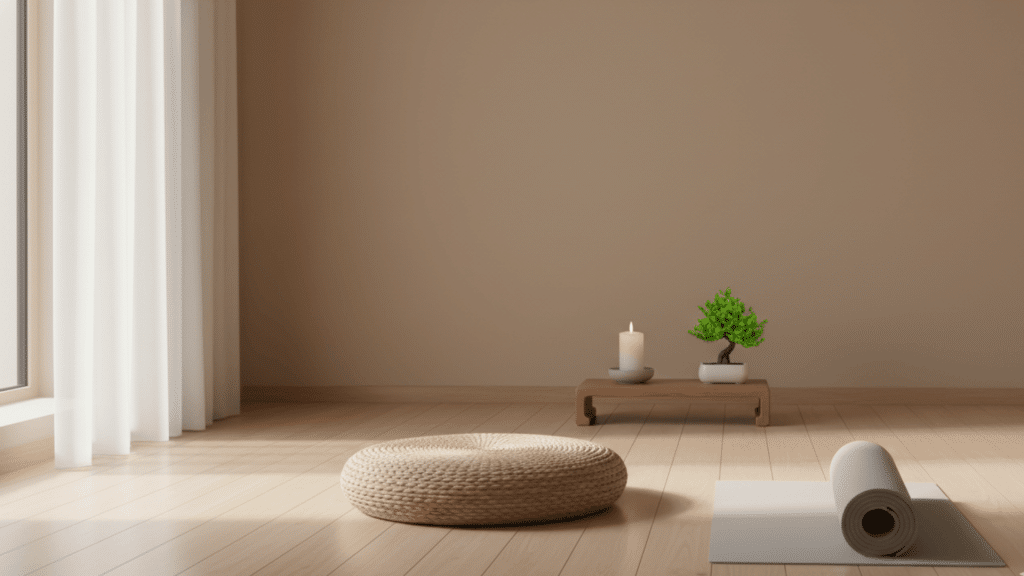
Design a minimal space focused on calm and relaxation. Keep furniture simple with just a meditation cushion or yoga mat, and choose neutral colors that promote peace.
Soft, dimmable lighting and minimal decor help create a distraction-free environment.
Best for:
- Daily meditation or mindfulness practices
- People seeking quiet space for mental health
- Small rooms that don’t require much furniture
16. Nursery Guest Room
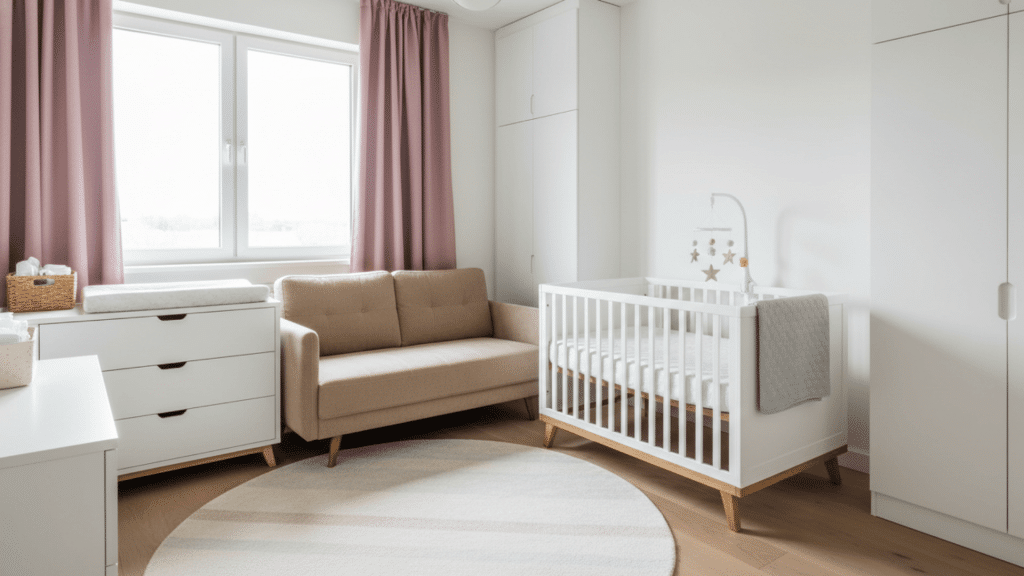
Combine baby care with occasional guest hosting through smart furniture choices.
A convertible crib that becomes a toddler bed saves money long-term, while a sleeper chair offers guest seating and sleeping. Store baby essentials in closed cabinets that look tidy when guests visit.
Best for:
- New parents in smaller homes
- Keeping baby items contained yet accessible
- Rooms that need flexibility as children grow
17. Laundry and Folding Room
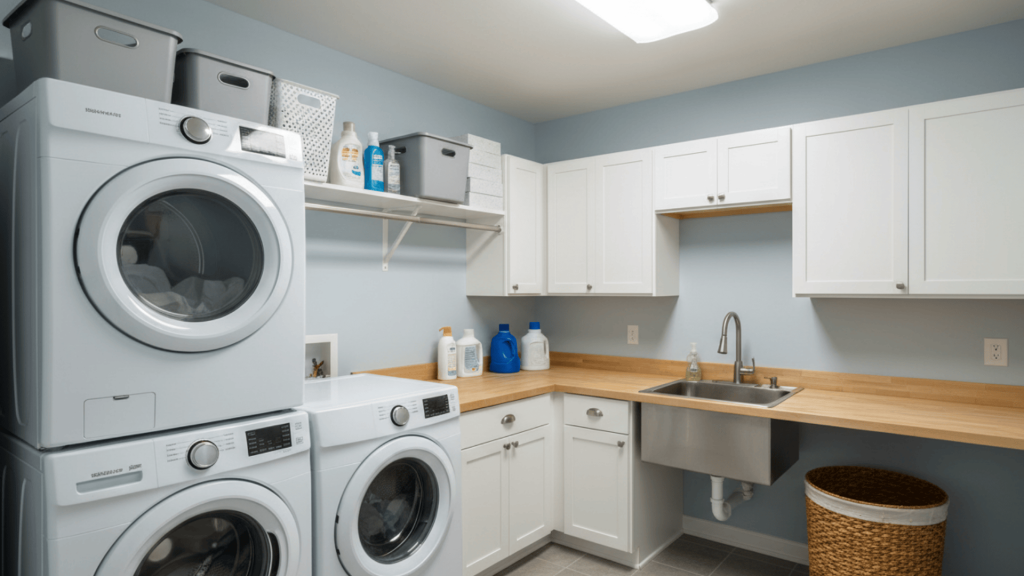
Convert your spare room into a dedicated laundry station with space for folding and organizing.
Add a countertop over the washer and dryer for folding clothes, install hanging rods for air-drying delicates, and include cabinets for detergents and cleaning supplies. A utility sink makes stain treatment easier.
Best for:
- Homes with laundry hookups in spare rooms
- Families doing frequent loads of laundry
- Keeping laundry tasks contained away from living areas
18. Business Workspace
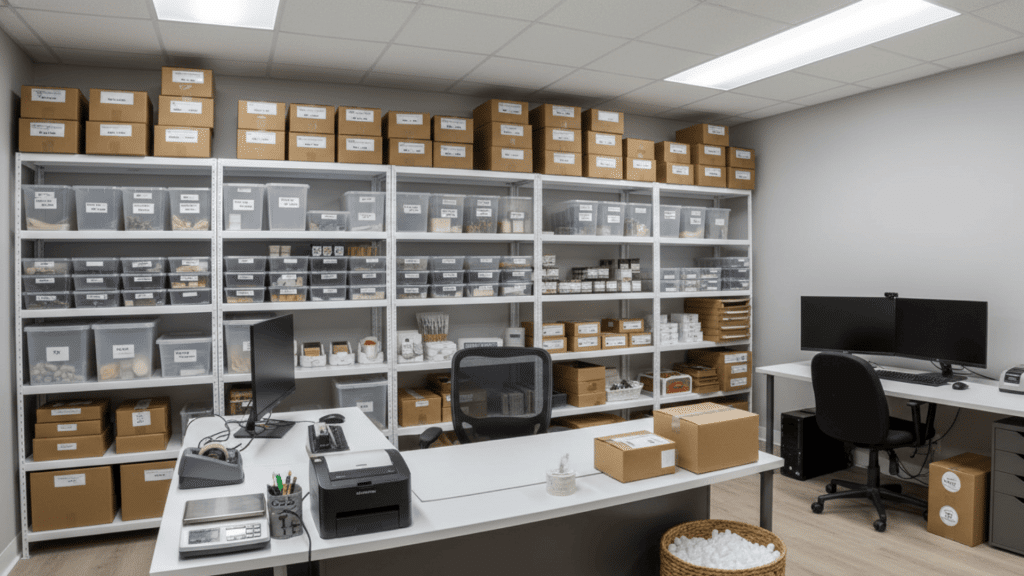
Run your business from home with organized inventory storage and shipping supplies. Set up workstations for different tasks like packing, assembly, or administrative work.
Keep everything within reach to streamline your workflow and boost efficiency.
Best for:
- Entrepreneurs running online shops or services
- Side hustles requiring inventory management
- Separating business operations from personal living space
19. Storage Room
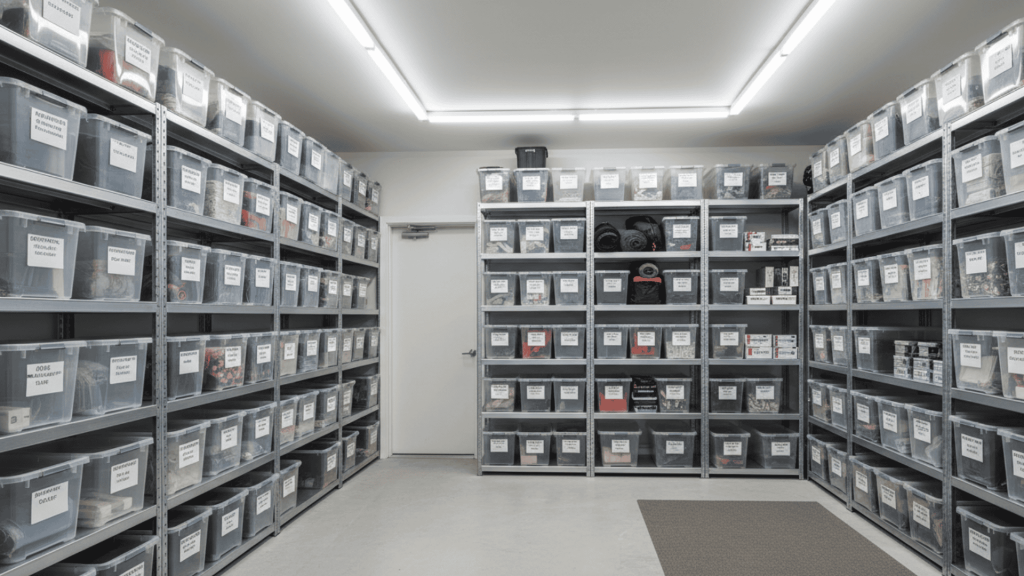
Maximize vertical space with floor-to-ceiling shelving systems for seasonal items and household supplies. Label clear bins so you can find holiday decorations, camping gear, or extra linens quickly.
Rotate items based on the season to keep frequently used things accessible.
Best for:
- Homes lacking adequate storage elsewhere
- Organizing seasonal decorations and equipment
- Keeping the main living areas clutter-free
20. Pet Care Space
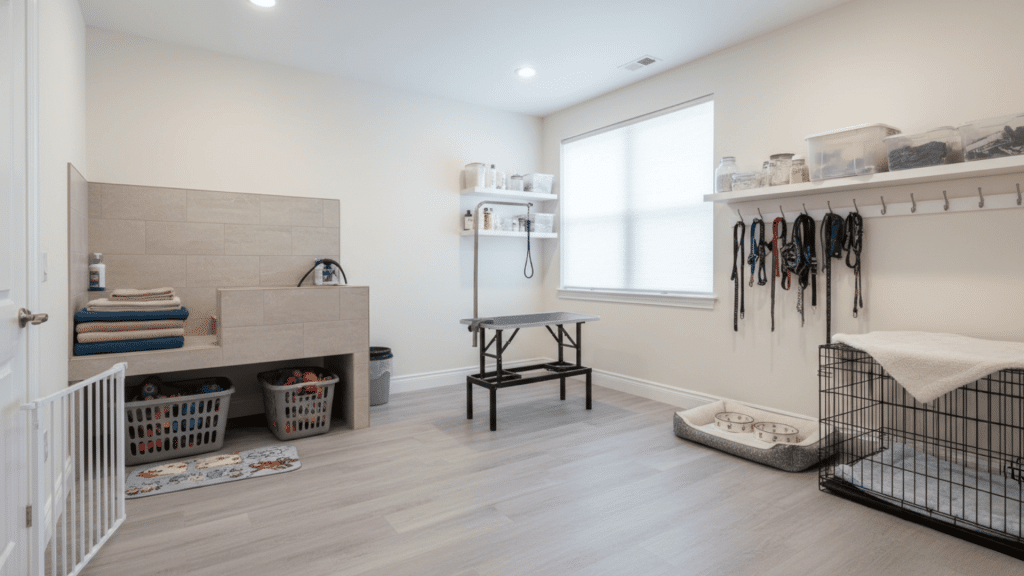
Dedicate space to your pets with feeding stations, grooming areas, and toy storage. Choose waterproof or scratch-resistant flooring that cleans easily, and add hooks for leashes and coats.
Include a comfortable bed or crate where pets can retreat.
Best for:
- Pet owners want organized care zones
- Keeping pet supplies contained in one area
- Homes with multiple pets needing separate spaces
21. Small Space Solutions
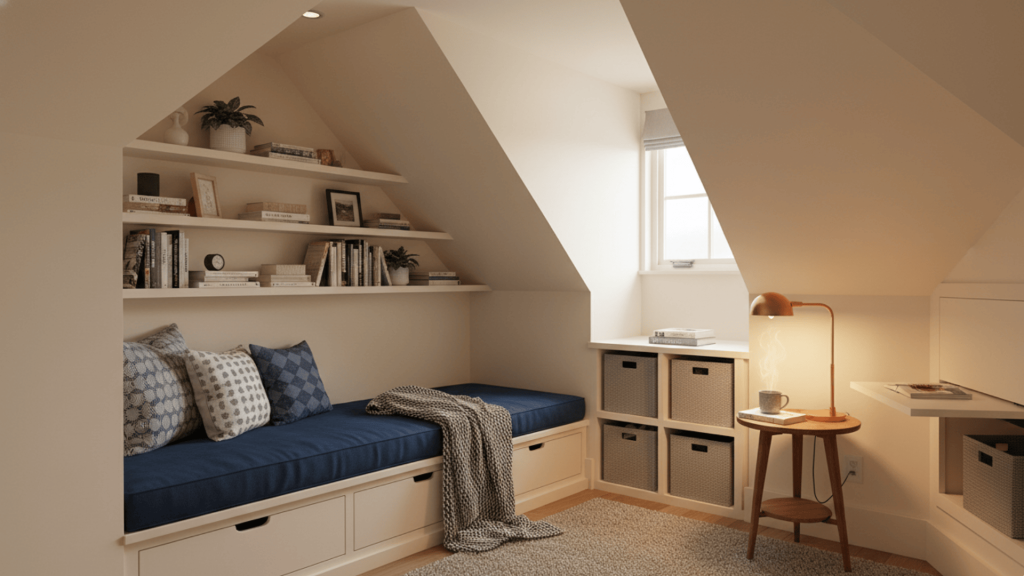
Don’t let odd layouts stop you from using every inch of your home. Angled walls work well for cozy reading nooks with built-in seating, while narrow rooms can become walk-in pantries or wrapping stations.
Divide larger awkward spaces into zones with furniture placement or room dividers.
Best for:
- Attic rooms, converted closets, or irregular floor plans
- Maximizing every square foot in compact homes
- Creative solutions for spaces that don’t fit standard furniture
Practical Tips for Designing a Functional Spare Room
A well-designed spare room balances style with real-world usefulness. Follow these practical tips to create a space that works hard for your household without feeling cluttered or overwhelming.
- Decide the primary purpose before decorating: Knowing how you’ll use the room most often guides every design choice, from paint colors to furniture selection.
- Choose furniture that serves more than one role: A storage ottoman or desk with built-in shelving saves space while meeting multiple needs in smaller rooms.
- Plan lighting based on how the room will be used: Task lighting works best for offices or craft rooms, while softer ambient lighting suits reading nooks or guest bedrooms.
- Prioritize storage to prevent clutter buildup: Built-in shelving, closet organizers, or under-bed bins keep items organized so the room stays functional year-round.
- Keep layouts flexible for future changes: Avoid permanent fixtures that lock you into one setup, allowing the room to adapt as your needs shift over time.
- Balance comfort with usability: The room should feel inviting while still supporting its main function, whether that’s working, exercising, or hosting guests.
The Bottom Line
Your spare room doesn’t need to stay empty or cluttered anymore.
Pick one idea from this list that matches your current needs, whether that’s a home office for remote work, a creative studio for your hobbies, or simply better storage that keeps your main living areas clean.
Start small with the furniture and layout you already have, then build from there as your budget allows. The best spare room is one you actually use. Stop letting valuable space go to waste.
Which idea will you try first? Share your plans in the comments below, and let us know if you need help choosing the right setup for your home.