
Funding Your Dream Home Makeover: Creative Ways to Upgrade on a Budget

Renovating your home is one of the most exciting projects you can take on, but it can also be costly if you are not careful. The good news is that with a little planning and creativity, you can fund a meaningful makeover without draining your savings.
From smart financing options to DIY projects and cost-conscious design choices, there are ways to stretch your budget and still achieve a stunning transformation. In this guide, we will explore practical methods for funding your renovation, prioritizing your projects, and getting the most value from every dollar spent.
Explore Financing Options That Work for You
Before starting any home renovation, it is essential to understand the different ways you can fund your projects. Traditional loans are an option, but there are more flexible financial tools that may better suit homeowners looking to improve their properties.
One of the most popular options is a Home Equity Line of Credit, or HELOC. HELOC loans allow you to borrow against the equity you have already built in your home, providing access to funds as you complete different stages of your renovation. It can be particularly useful if you are planning phased updates rather than a single large project. Personal loans are another option.
While they often come with higher interest rates than HELOCs, they offer fixed repayment schedules and can be approved quickly for smaller-scale renovations. Finally, some homeowners use credit cards to cover minor expenses, but this method should be used cautiously to avoid high-interest debt.
• HELOCs allow you to borrow only what you need, when you need it
• Personal loans provide predictable payments and fixed terms
• Credit cards can cover small projects, but should be monitored carefully
Speaking with financial advisors or your bank about your options is a wise step. Understanding the pros and cons of each funding method will help you avoid unnecessary debt while still achieving the home upgrades you desire.
Prioritize Your Renovation Projects
Once you have identified potential funding options, it is important to prioritize your renovation projects. Not every update needs to happen at once, and focusing on the areas that will have the greatest impact on your home’s appearance and value can help you stay within budget.
Kitchens and bathrooms often take top priority because they are used frequently and can significantly increase your home’s resale value. Other areas, like living rooms, bedrooms, or outdoor spaces, can be updated later or on a smaller budget.
• Focus first on high-impact areas that improve functionality and aesthetics
• Consider cosmetic upgrades such as painting, lighting, and hardware before major structural changes
• Plan a phased approach to spread costs over time and reduce financial stress
By prioritizing projects, you make thoughtful decisions about where to allocate funds. This strategy ensures that your makeover delivers visual and practical improvements without overwhelming your budget. Breaking your renovations into phases allows you to manage expenses gradually while still making noticeable changes to your home.
Take Advantage of DIY and Cost-Saving Strategies
In addition to smart financing and prioritization, DIY projects are a powerful way to stretch your budget. Many renovations do not require professional skills and can be completed with basic tools and materials.
Painting walls, installing shelves, updating cabinet hardware, and retiling small areas are all projects that homeowners can handle themselves. Shopping sales, repurposing furniture, and sourcing gently used materials can further reduce costs while still producing attractive results.
• DIY projects reduce labor costs and allow you to personalize your home
• Repurposing furniture or décor provides fresh style at minimal expense
• Taking advantage of sales and clearance items helps you stay within budget
Even simple DIY updates, like changing light fixtures or replacing cabinet handles, can dramatically improve the look of a space. Not only do these efforts save money, but they also allow you to put a personal touch on your home, making it truly your own.
Consider Smart Material and Design Choices
The materials and design choices you make can have a major impact on cost, durability, and aesthetics. Opting for affordable alternatives that still look high-end can save thousands of dollars.
For example, laminate countertops can mimic the appearance of stone, vinyl plank flooring provides durability at a fraction of the cost of hardwood, and ceramic tile can be a budget-friendly choice for bathrooms and kitchens. Choosing timeless colors and classic designs will prevent your home from feeling outdated and may reduce the need for frequent updates.
• Choose cost-effective alternatives without sacrificing quality
• Focus on timeless design elements that will stay stylish for years
• Balance functionality with aesthetics to maximize the value of your investment
Making thoughtful material choices ensures that every dollar contributes to long-term durability and visual appeal. A well-planned combination of budget-friendly materials and timeless design can create a high-end feel without overspending.
Leverage Small Upgrades for Maximum Impact
You do not need to remodel an entire room to achieve a noticeable change. Small updates can significantly enhance your home without requiring a large budget. Consider replacing outdated faucets, light fixtures, or door handles, or updating cabinet fronts with fresh paint or hardware. These simple changes can make a space feel brand new and are often much more cost-effective than major renovations.
• Replace fixtures, handles, and cabinet fronts for a fresh look
• Add accent walls or new lighting to brighten up spaces
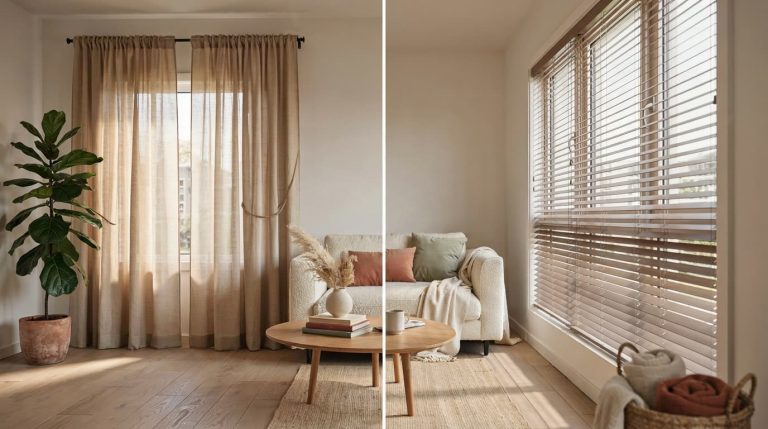
• Upgrade textiles such as curtains, rugs, and cushions to refresh the aesthetic
Even minor improvements can dramatically change the ambiance of a room. By focusing on small, strategic upgrades, you can see big results while staying within budget.
Maximize Value with Energy-Efficient Updates
Energy-efficient renovations not only improve your home’s comfort but can also save money in the long run. Installing LED lighting, upgrading insulation, replacing old windows, or adding programmable thermostats can reduce utility bills while increasing your home’s value. These updates often qualify for tax incentives or rebates, making them even more budget-friendly.
• Install energy-efficient lighting and appliances to reduce utility costs
• Upgrade insulation and windows to improve comfort and save money
• Explore tax credits and rebates for energy-efficient home improvements
Energy-efficient updates provide a dual benefit: immediate cost savings and long-term financial value. By combining style and efficiency, you can enhance both your home’s appeal and its performance.
Conclusion
Funding your dream home makeover does not have to feel overwhelming. By exploring the right financing options, prioritizing projects, incorporating DIY strategies, making smart material choices, leveraging small upgrades, and considering energy-efficient improvements, you can achieve a beautiful home transformation without overspending.
Thoughtful planning and informed decisions allow you to enjoy the process while staying financially responsible.
Whether you are updating a single room or completing a larger renovation, these strategies can help you turn your vision into reality while keeping your budget intact. With patience, creativity, and planning, your home makeover can be both affordable and extraordinary.