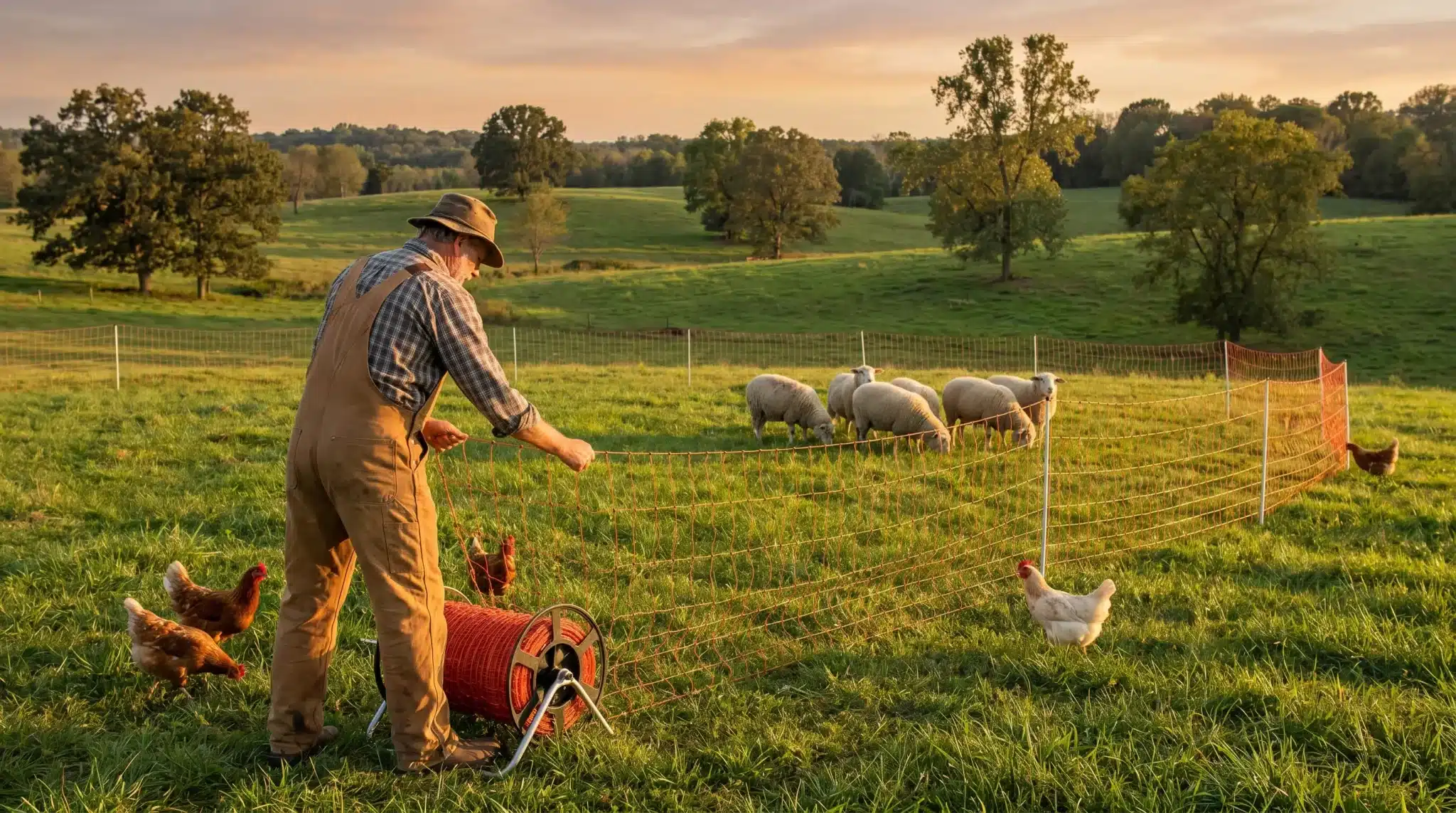
7 Reasons Farmers Prefer Flexible Electric Netting Solutions

Chores rarely wait for perfect conditions, and fencing often has to change with grass height, rainfall, and predator activity. Flexible net systems help shape temporary paddocks without digging holes or hauling heavy braces. Many farms rely on them for poultry, sheep, goats, or garden protection during peak growth. With a few consistent habits, teams can shorten setup time, reduce escapes, and support calmer grazing, which helps digestion and weight gain.
1) Faster Moves for Rotational Grazing
Rotational schedules work best when shifts happen on time, even during heat or storms. Many graziers pick electric netting because a single roll can define a boundary quickly, then lift and reset without extra hardware. Faster moves protect regrowth, spread manure more evenly, and limit bare soil from repeated traffic. Better timing also lowers hunger-driven pacing, raising stress hormones and disrupting rumen function.
2) Clear Visual Boundary for Mixed Stock
A full-height grid is easier for animals to read than a thin line. That visibility helps lambs, kids, and young birds learn limits with fewer hard contacts. Different mesh heights and spacing can match behavior, such as goats that lean or poultry that squeeze gaps. A clearer edge can also reduce corner crowding, which lowers the risk of bruising and keeps hooves sound on wet ground.
3) Reliable Deterrence With Proper Voltage
A brief pulse train is respected when the ground is solid and vegetation is managed. Thick wool, dense hair, or heavy hides may need higher readings to prevent testing. Flexible layouts can tighten weak spots where animals push or predators probe. Routine checks keep output steady, reducing repeated shocks that can increase agitation. Predictable boundaries support calmer movement, better rest, and fewer injury-prone sprints.
4) Lower Labor Than Multiple Strands and Posts
Single or double poly lines often require extra step-in posts, careful spacing, and constant re-tensioning to stop sag. Netting combines vertical support with conductors, which cuts setup steps. Fewer loose parts mean fewer trips back to storage and less gear left in tall grass. Labor saved matters during short winter daylight or busy calving, when fatigue increases mistakes and slows response time.
5) Flexible Shapes Fit Irregular Terrain
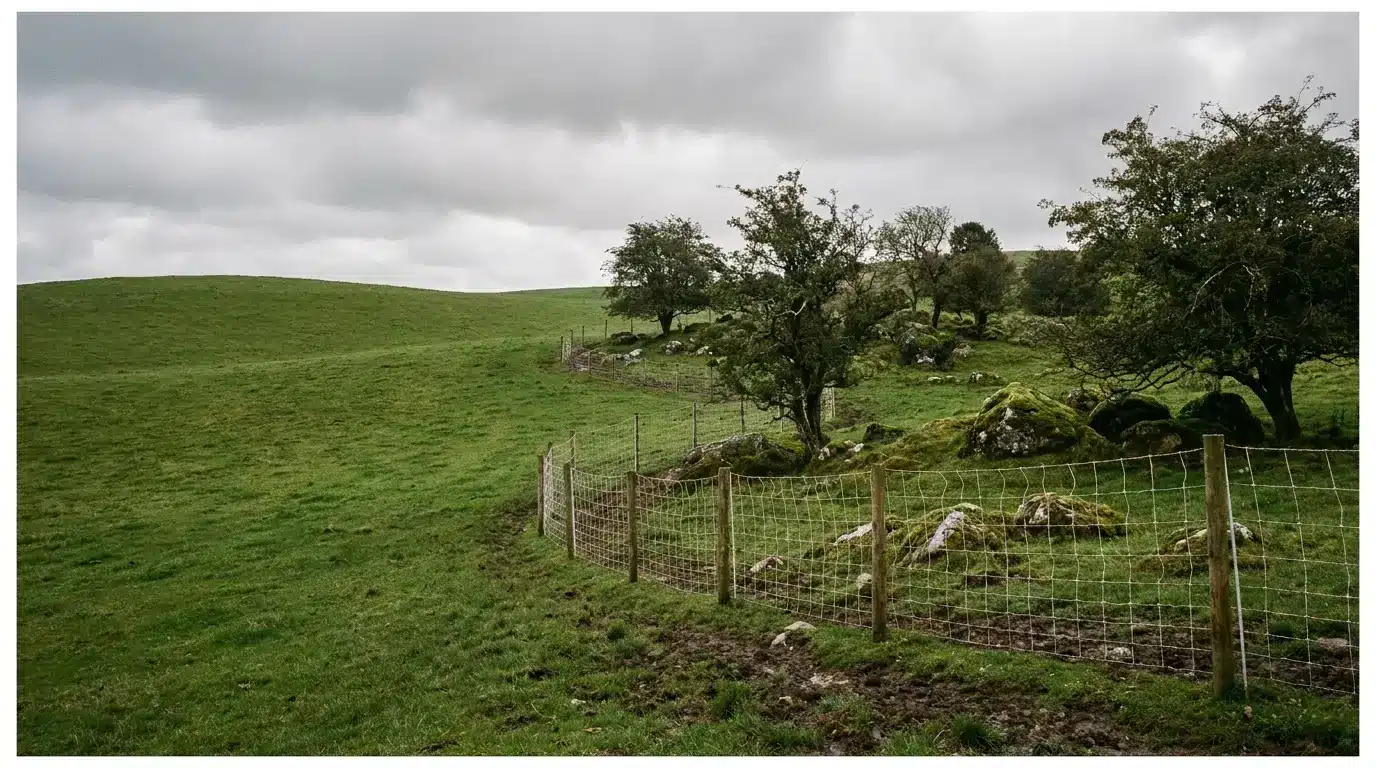
Pastures rarely form clean rectangles, and fixed corners can waste forage. Netting can wrap around trees, swales, rocks, and wet pockets while keeping a continuous barrier. Curved edges let odd areas get grazed without installing permanent structures. That flexibility helps match paddock size to plant recovery, rather than fence lines, which protects roots and supports steady intake without overgrazing tender regrowth.
6) Portable Protection for Gardens and Sensitive Areas
Short-term exclusion is often needed around new seedings, orchards, hives, compost, or water points. A movable barrier can guard vulnerable spots during peak pressure, then shift once risk drops. Netting also helps guide travel lanes so stock does not take shortcuts through beds. One kit can serve animals in spring, protect produce in summer, and block stockpiled forage sections in late fall.
7) Scalable Systems for Growth and Changes
Operations change, leases rotate, and species mixes shift. Permanent infrastructure may lag behind those adjustments. Netting systems scale by adding rolls, gates, or stronger energizers as needs rise. That modular approach supports trial paddocks, temporary quarantine, or loading areas during transport. Flexibility also reduces stranded cost since the same equipment can move to a new parcel, a larger herd, or a different grazing goal.
Field Checklist Before Each Set
Performance depends on ground contact, so soil moisture and rod placement deserve attention. Vegetation touching strands can drain power, so mowing a narrow strip often pays back quickly. Gate placement should avoid tight corners where animals bunch and test limits. Posts need a firm footing on slopes to prevent leaning. A quick voltage check after setup confirms the circuit is working, which prevents first-night surprises.
Safety and Training Practices That Reduce Stress
New animals learn fastest in a small area with good footing and clear sightlines. Brief supervision during first contact reduces panic runs that can tangle legs or strain joints. Horned stock may need wider spacing choices near a tight mesh to lower snag risk. Visitors benefit from simple signs at entry points. Regular inspection for breaks, leaning posts, and wet ground faults helps maintain consistent contact and reduces fear-based avoidance.
Conclusion
Flexible electric netting supports better grazing control, faster routine changes, and clearer boundaries for many species. Farmers often value time saved during moves, the strong visual cue that supports training, and the option to protect crops or sensitive zones on demand. With grounding, vegetation control, and a simple setup check, net systems can stay dependable across seasons while keeping workloads realistic for all of us.