
10 Features to Look for When Choosing an Early Learning Centre

The search for the perfect early learning centre involves visiting a number of institutions and getting a gut feeling about each of them. In one hour-long tour, parents and guardians evaluate the ratio of educators to students, curriculum approach, outdoor space, and many other important characteristics. It is crucial to understand what is really important when choosing an institution and how it is possible to evaluate it properly.
1. A Room That Is Not Empty
When a person enters a good learning institution, he or she feels comfortable because the room does not feel empty. Children feel comfortable and are not supervised, educators lower themselves to the eye level of children, and the classroom is a comfortable living space rather than an artificially designed one. Such an atmosphere is very difficult to create spontaneously, which means that it should be taken into consideration.
2. Staff Who Are Prepared to Get to Know Your Child
One should ask about the ways in which staff members learn something new about a child in the first weeks. This settling-in process varies based on a family’s location, and across Victoria, outer suburbs can have their own local rhythm to it. Families weighing up their options, including those researching childcare in Cranbourne, may want to ask directly how staff go about learning a child’s temperament and comfort routines during those early weeks, rather than assuming every centre approaches it the same way.
3. Balanced Curriculum
A good curriculum should have an intention behind it, which does not make it inflexible. One can usually see that a curriculum adapts to the needs and interests of children, building such skills as social, movement, and language skills. If an educator explains the reason for an activity rather than its type, it usually means that everything is done well.
4. Outdoor Areas Focused on Exploration
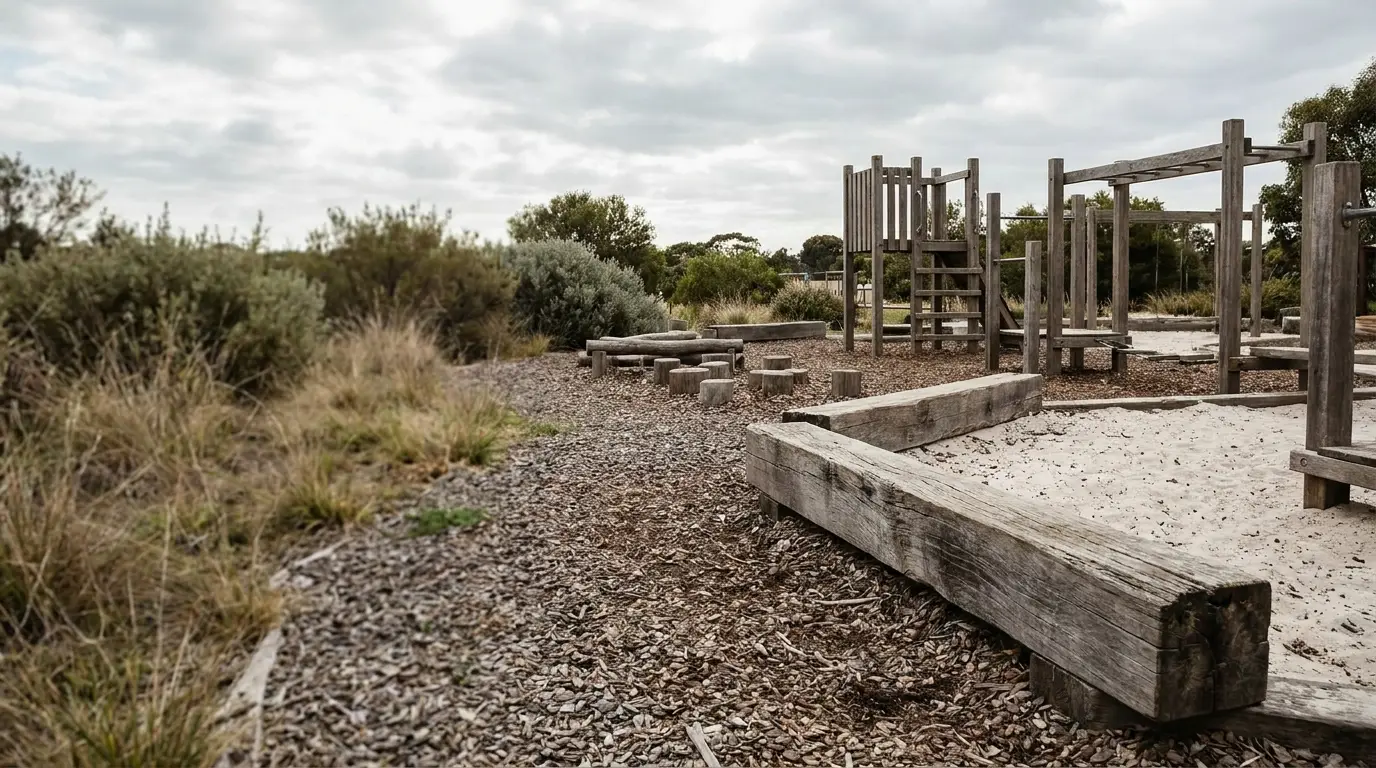
Outdoor spaces can tell a lot about the learning institution. Natural elements, diverse textures, and supervision of climbing and balancing are considered beneficial in early childhood institutions. Outdoor play is most efficient when it is seen as an integral part of a schedule and not an element filling the time between indoors and outdoors.
5. Communication That Helps Parents Know How Their Child Is Doing
A parent or guardian should easily learn how a child’s day was. Some centres use applications for that, while the others prefer conversations with a pick-up. What is crucial is that information will be honest, not sugar-coated.
6. Practices of Health and Hygiene Which One Can See With One’s Own Eyes
There is no need to take it on faith. One should ask about policies concerning illness, food handling, sun protection, and recording and reporting incidents. A few practical points include how allergies and medical plans are implemented every day, whether staff members have valid certificates on first aid and CPR, and how sleep and rest schedules are supervised for younger kids.
7. Small Groups and Good Ratios in Practice
Paper ratios are not always equal to real-life ones. In the course of the tour, it will be clear whether educators seem overwhelmed or are actively interacting with the children. Small groups provide more individual attention, especially for children who need more supervision.
8. Flexibility in Case of Diverse Family Practices
Every family has different rhythms, and sometimes a centre that is not ready to accept diversity creates conflicts. It is important to find out how a centre handles different nap schedules, feeding practices, and cultural preferences of a child and his or her family. Ability to adapt without compromising consistency is crucial here.
9. Real Settling-In Period
Any rapid transition does not benefit anybody. A learning institution provides children with gradual visits before a child starts attending classes, which allows them to become familiar with the centre gradually. Also, it allows families to get an understanding of the daily routine of the centre, not an artificial version seen during an open day.
10. Location and Practicality for Daily Life
Sometimes a good centre becomes hard to visit regularly due to commuting issues. Opening hours, proximity to home or workplace, and flexible picking-up policies should be evaluated together with educational quality.
Two additional factors to compare side by side when making a shortlist of centres: the stability of staff and transparency of the fee and subsidy policy.
Conclusion
It is important to evaluate many things carefully in order to choose the perfect centre. However, there is no need to limit oneself only to the checklist of requirements. Sometimes it is necessary to listen to one’s own instincts about a place.