
Wondering whether you should try to save a tree or just remove it? How Professionals Actually Decide

For many homeowners, removing a tree feels drastic. Trees add shade, privacy, curb appeal, and long-term value. So when a professional suggests removal, the immediate reaction is often hesitation.
Is it really necessary?
The truth is, reputable tree professionals do not rush to remove healthy trees. In many cases, preservation is the first goal. The decision to remove a tree is typically based on structural safety, risk level, and long-term outlook — not convenience.
Here’s how that determination is made.
1. Structural Stability Comes First
A tree can look full and green while hiding serious internal problems. Professionals assess factors such as:
- Trunk integrity
- Root system stability
- Major limb attachment strength
- Evidence of decay or cavities
Trees with compromised structural integrity are at significantly higher risk of failure, especially during storms or high winds.
2. Risk Is Contextual
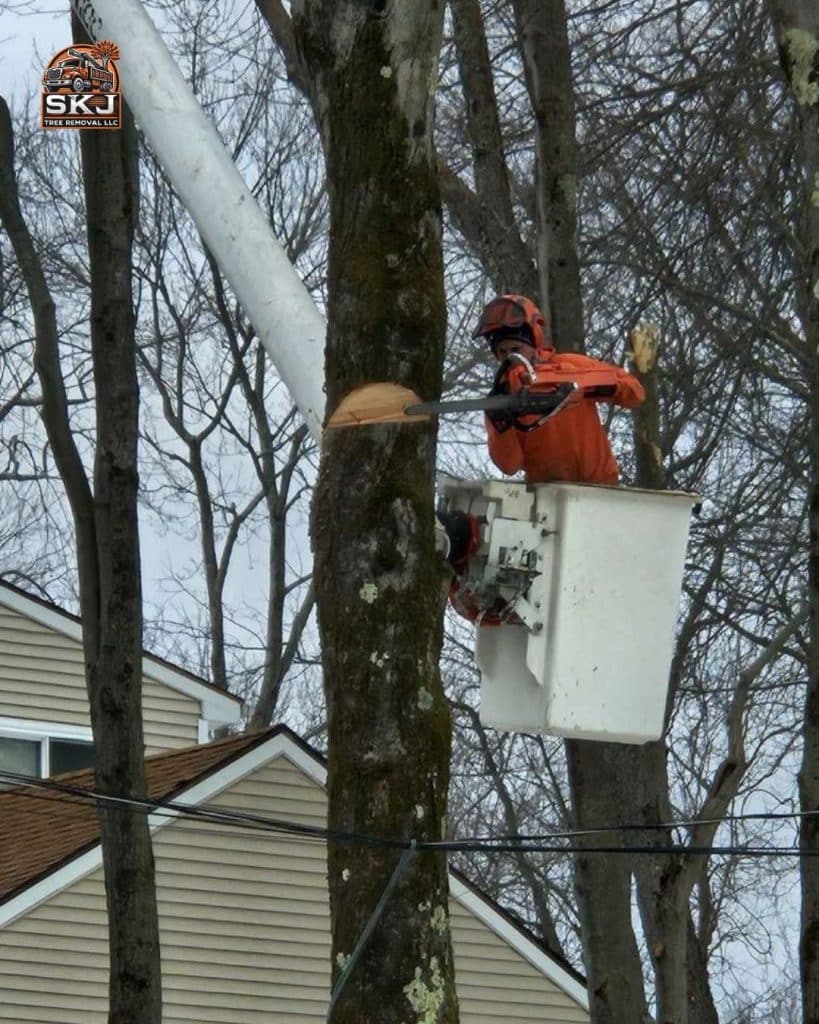
Not all compromised trees pose the same level of danger.
A declining tree in an open wooded area may be relatively low risk. The same tree leaning over a home, driveway, or utility lines presents a much different scenario.
Professionals evaluate:
- Proximity to structures
- Potential fall path
- Soil conditions
- Previous storm damage
- Target zones (areas where people or property are present)
Removal is often recommended when the potential consequences outweigh preservation efforts.
3. Preservation Options Are Considered
Before recommending removal, experienced professionals evaluate corrective options such as:
- Selective structural pruning
- Cabling and bracing systems
- Crown reduction
- Removal of dead or hazardous limbs
When these interventions can meaningfully reduce risk and extend the tree’s lifespan, they are often preferred.
However, if mitigation cannot reliably stabilize the tree, removal may be the safest long-term solution.
4. Long-Term Decline and Hidden Damage
Disease, pest infestations, root damage from construction, and internal decay can create irreversible decline.
Waiting too long can result in:
- Emergency removal situations
- Property damage
- Increased removal costs
- Safety hazards for occupants
Proactive removal, when necessary, is typically more controlled, safer, and less costly than emergency intervention.
Why Professional Evaluation Matters
Tree risk assessment requires experience and training. What appears stable to an untrained eye may have internal weaknesses invisible from the outside.
Understanding when to preserve and when to remove is part of responsible property maintenance. Homeowners seeking more information about professional tree removal services can review what that process involves here:
The Bottom Line
Tree removal is not about cutting down healthy trees. It is about managing risk responsibly.
The most important step is not removal — it is informed evaluation.