Why Woven Patches Are Becoming a Go-To Choice for Modern Apparel Brands

In modern apparel branding, the smallest design elements often make the biggest difference. While embroidery remains a classic solution for logos and textile decoration, woven patches have become an increasingly popular choice for brands that need sharper detail, cleaner typography, and a lighter finish.
The reason is simple: woven patches combine precision with practicality.
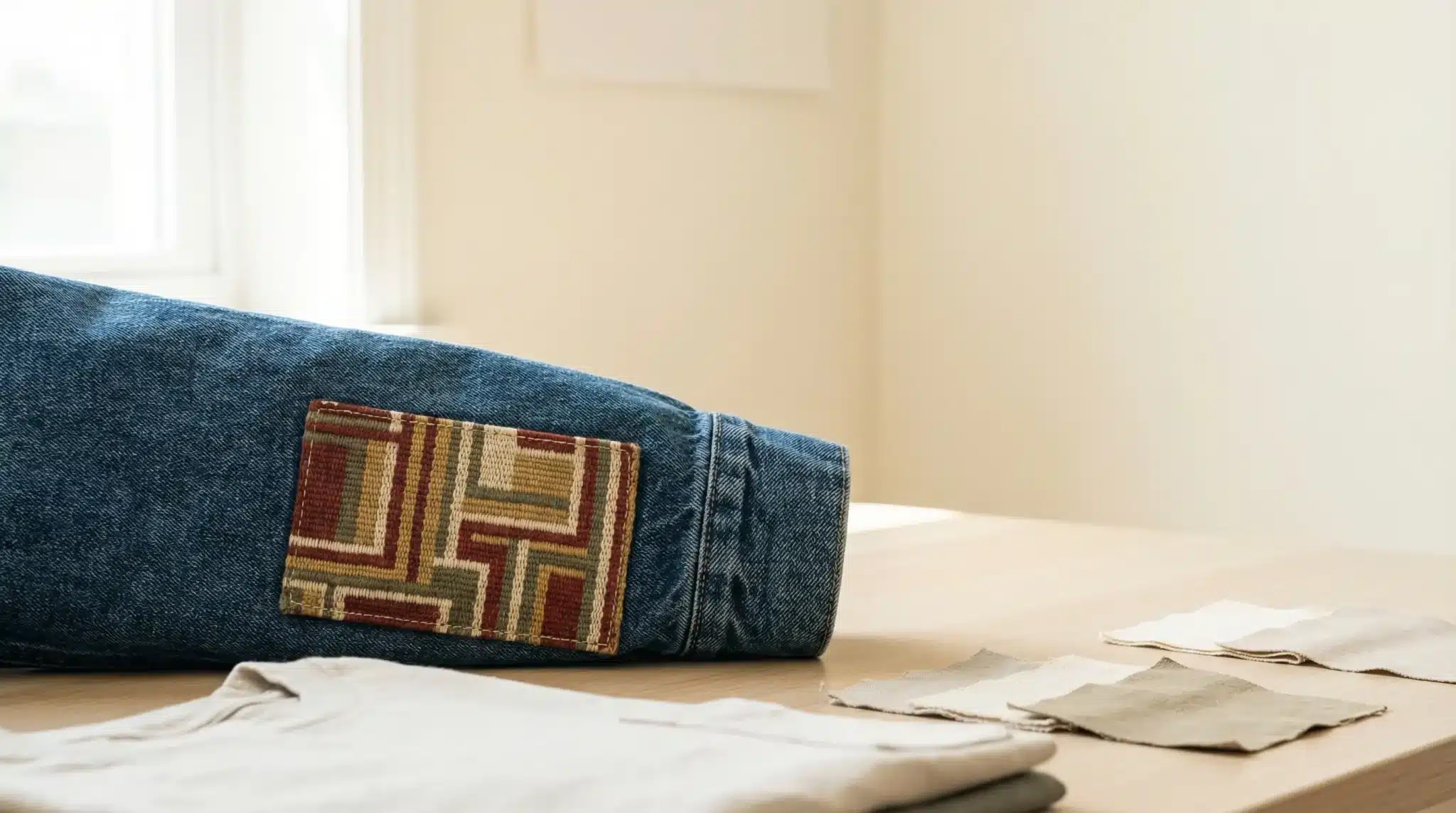
Unlike traditional embroidery, which builds texture through raised stitches, woven patches use tightly interlaced fine threads that allow logos, icons, and even small text to remain crisp and highly readable. This makes them especially valuable for brands working with intricate visual identities or minimalist aesthetics.
For businesses looking to create refined product details, a woven logo patch often offers the ideal balance between visual quality, comfort, and durability.
Better Detail for Complex Branding
One of the biggest advantages of woven patches is their ability to reproduce complex graphics without visual bulk.
This matters for logos that include:
- thin lines
- small lettering
- detailed symbols
- geometric marks
- multi-element brand systems
With embroidery, highly detailed designs can sometimes lose clarity because the stitch thickness limits how much information can be translated cleanly.
Woven construction solves this by relying on dense thread intersections instead of raised stitch paths. The result is a flatter surface that preserves even very fine brand elements.
For fashion labels, merchandise brands, and premium workwear manufacturers, this sharper reproduction can significantly improve brand consistency.
A More Comfortable Option for Everyday Wear
Another practical reason woven patches are growing in popularity is comfort.
Because the patch remains thin and smooth, it works especially well on garments where stiffness would be noticeable, such as:
- T-shirts
- hoodies
- caps
- sportswear
- lightweight jackets
- bags
- accessories
The flatter construction helps preserve the natural softness of the garment, which is particularly important in fashion and lifestyle products where customer experience matters as much as visual design.
This is one reason many modern brands prefer woven patches over heavier stitched alternatives when designing retail-ready collections.
Ideal for Multiple Patch Styles
Woven patches are also highly versatile in terms of format.
Depending on the use case, brands can choose from several popular styles:
- heat press backing for fast application
- sew-on options for long-term durability
- Velcro-backed versions for removable uniforms
- adhesive-backed patches for short-term campaigns
- merrow edge finishes for a classic rounded border
This flexibility makes woven patches equally suitable for fashion drops, employee uniforms, music merchandise, sports clubs, and event apparel.
For example, bands and festival brands often use woven patches because they can showcase detailed tour artwork and logos while keeping production efficient for smaller batches.
Strong Visual Impact on Outerwear
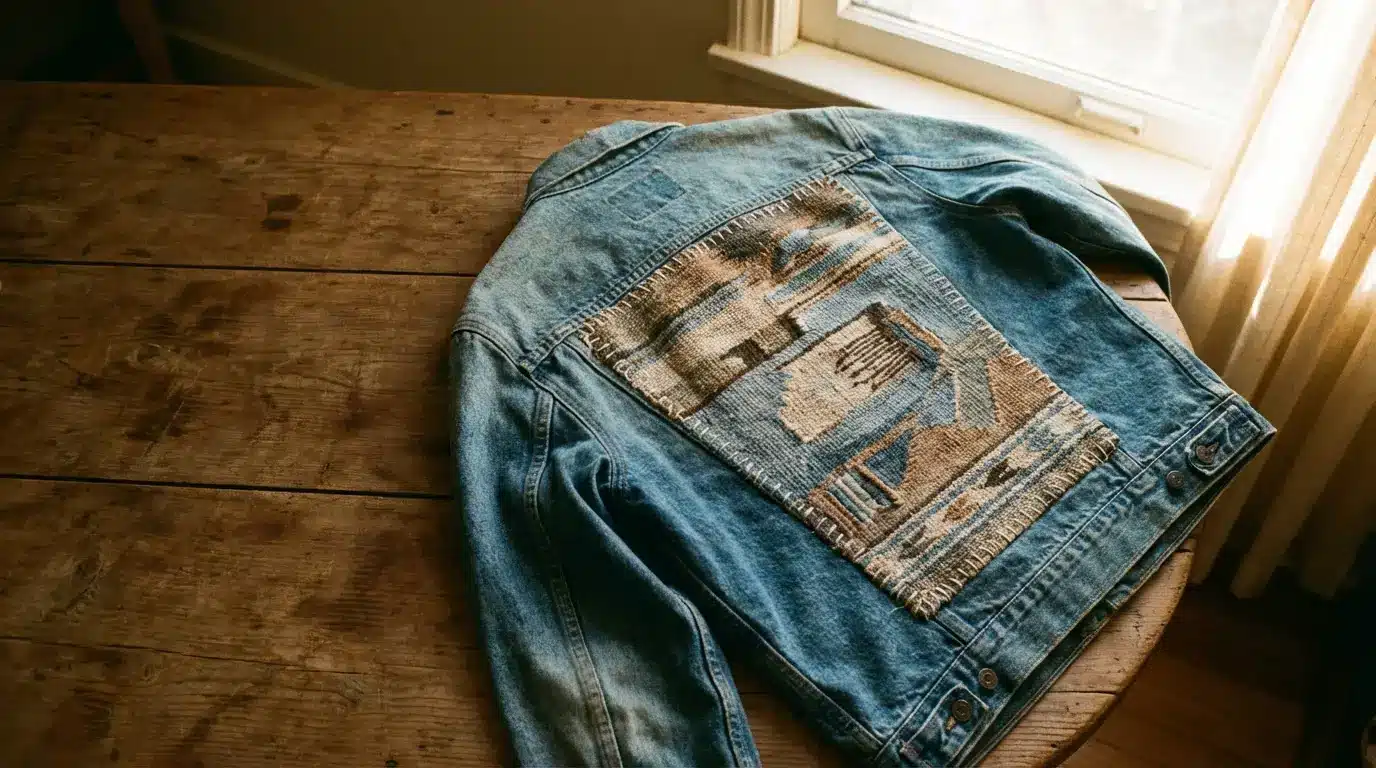
Woven patches become even more powerful when used on outerwear.
Large back patches on denim jackets, workwear, varsity pieces, or utility vests can turn simple garments into instantly recognizable statement items.
Because woven patches stay relatively flat even in larger sizes, they allow brands to create bold back graphics without making the garment heavy or uncomfortable.
This makes them especially attractive for:
- streetwear labels
- biker and club apparel
- music merch
- sports team jackets
- denim collections
The combination of strong visibility and long-term durability makes them a reliable branding tool for premium outerwear.
Smart for Both Small and Large Runs
Another commercial advantage is production flexibility.
Brands no longer need massive order quantities to justify custom woven patches. Smaller trial batches make it easier to test branding concepts, limited drops, or campaign-specific designs before scaling.
This reduces creative risk while allowing more experimentation with visual identity systems.
For brands exploring patch-based detailing as part of their apparel strategy, it’s worth reviewing suppliers with broad textile finishing expertise such as https://labelriver.com/, especially when consistency across multiple product categories is important.
Final Thought
Woven patches are gaining momentum because they solve a very specific branding challenge: how to keep textile branding sharp, lightweight, and highly durable.
For logos with fine details, modern apparel collections, or any brand focused on premium visual presentation, they offer a cleaner and often more versatile alternative to traditional embroidery.
In many cases, that tiny patch becomes the detail customers remember most.