Why HVAC Planning Matters More in Four-Season States Like Pennsylvania

Homeowners often think about heating and cooling only when something stops working. A furnace fails on the coldest night of the winter, or an air conditioner starts blowing warm air during the first serious heatwave of summer. Until that moment, HVAC systems usually stay in the background. They run quietly, do their job, and get very little attention.
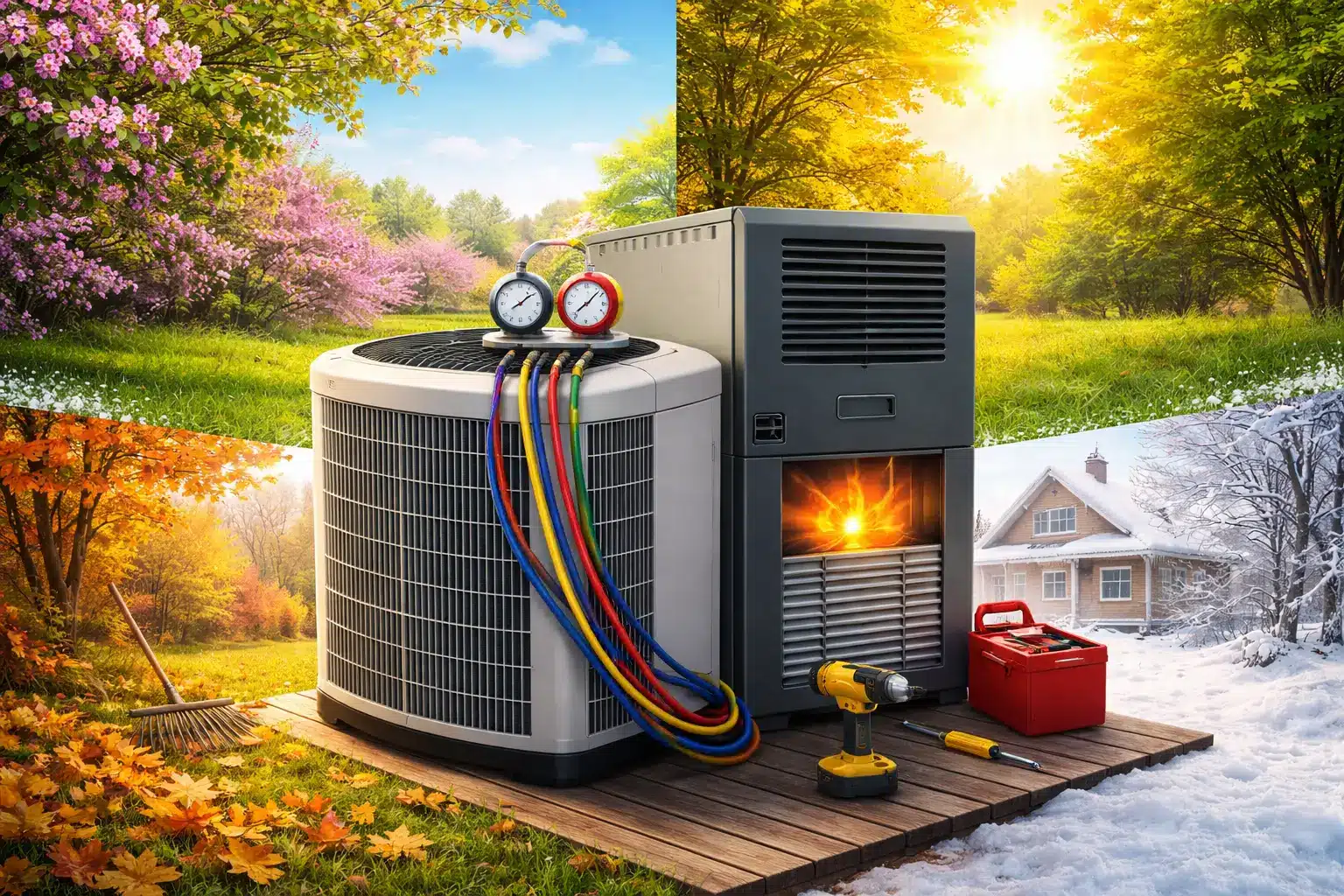
That approach may seem harmless, but in states with four distinct seasons, it can become expensive very quickly. Pennsylvania is a good example. Residents deal with humid summers, cold winters, rainy transitions in spring, and temperature swings in fall. These conditions put steady pressure on heating and cooling equipment throughout the year. A system is not just handling one climate challenge. It is constantly shifting between very different demands, and that takes a toll on performance, efficiency, and long-term reliability.
For homeowners trying to avoid surprise repairs and rising utility bills, HVAC planning needs to be a year-round habit rather than a last-minute reaction.
Seasonal Changes Create Year-Round Stress on HVAC Systems
In moderate climates, some HVAC systems get a break. In a four-season state, that break is usually short. Heating equipment may run for months in winter, while cooling systems are expected to handle long stretches of humidity and heat once summer arrives. Even the shoulder seasons are not always easy, because fluctuating temperatures can cause systems to cycle more often than people expect.
This constant shifting affects more than energy consumption. It also impacts air circulation, indoor humidity, filtration, and overall comfort. A home that feels stuffy in July may also feel dry in January, even if the equipment itself is technically functioning. That is why many comfort problems are not caused by total system failure. They start much earlier, with reduced airflow, aging components, dirty filters, unbalanced ductwork, or thermostat issues that slowly chip away at performance.
Homeowners who recognize these early signs usually save money over time. Small corrections are cheaper than emergency replacements, and routine service helps prevent minor wear from turning into full-scale breakdowns.
Energy Efficiency Is No Longer Just a Bonus
Energy costs are a growing concern for many households, and HVAC systems are one of the biggest contributors to monthly utility bills. When equipment is outdated or poorly maintained, it has to work harder to achieve the same indoor temperature. That extra strain shows up in both energy use and repair frequency.
Efficiency is not just about buying the newest unit on the market. It starts with understanding whether the current system matches the actual needs of the home. Oversized units can short cycle, which means they turn on and off too frequently. Undersized systems may run almost nonstop and still struggle to keep rooms comfortable. In both cases, the homeowner pays more for less effective performance.
Even simple steps can make a visible difference. Replacing filters on schedule, sealing duct leaks, checking insulation, and calibrating thermostats all help a system operate more efficiently. When a deeper inspection is needed, working with a qualified contractor becomes important. Many homeowners researching regional service options compare providers across the state and may start by reviewing a trusted HVAC company Bensalem as part of a broader look at Pennsylvania HVAC standards and service quality.
Preventive Maintenance Protects More Than Equipment
Many people hear “HVAC maintenance” and think of mechanical upkeep only. In reality, maintenance protects several parts of the home environment at once.
First, it helps preserve indoor air quality. Dust buildup, clogged filters, and neglected ventilation components can reduce airflow and circulate unwanted particles through living spaces. This matters even more in homes with children, pets, allergy sufferers, or older adults.
Second, maintenance helps control humidity. During the warmer months, excess moisture indoors can make a home feel hotter than it really is. In colder months, very dry air can create discomfort in a different way. A properly maintained HVAC system supports a more balanced indoor environment, which affects sleep, comfort, and even how clean a space feels.
Third, maintenance supports safety. Gas furnaces, aging electrical components, and blocked ventilation pathways should never be ignored. A professional inspection can catch issues that are easy for homeowners to miss but important to address before the season changes.
The Best Time to Service a System Is Before You Need It
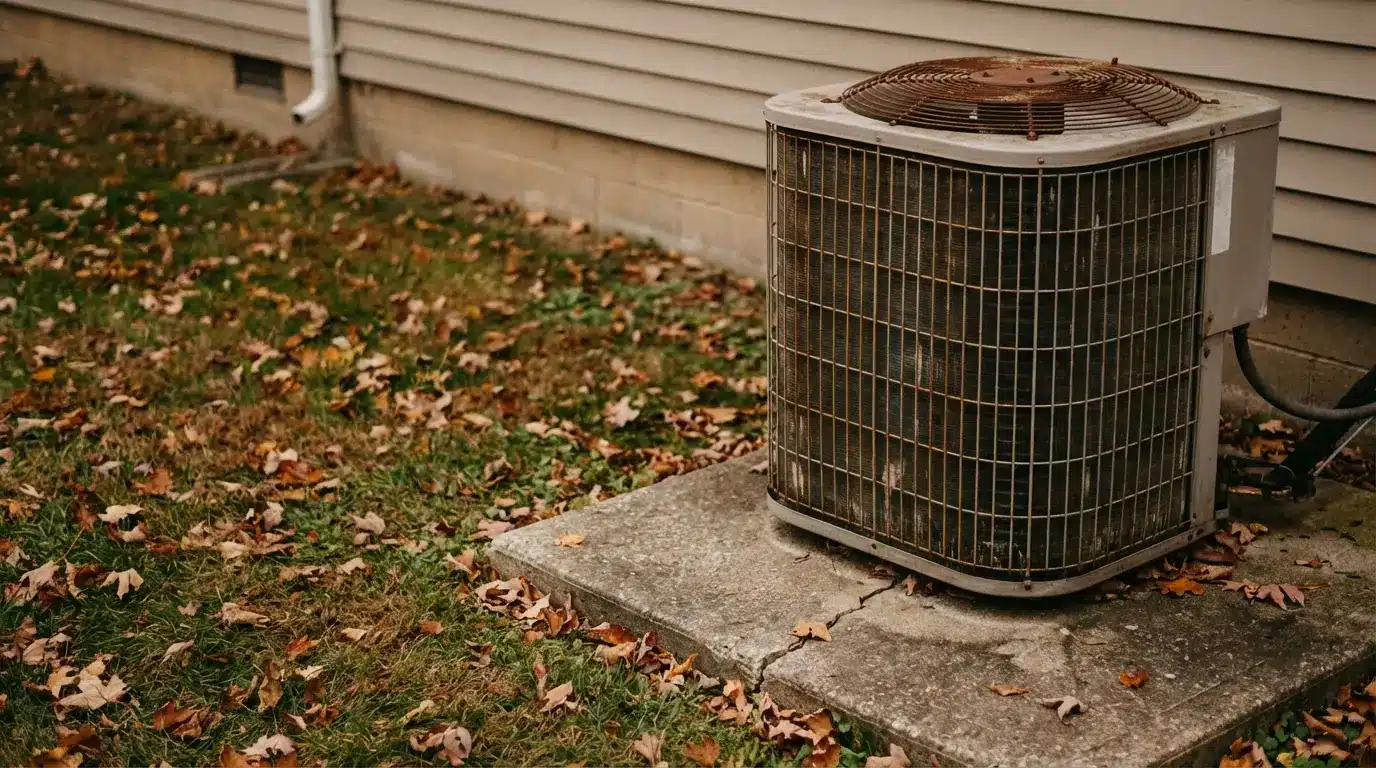
One of the biggest mistakes homeowners make is waiting until extreme weather arrives. Once the first summer heatwave or winter freeze hits, HVAC companies become busier, emergency calls increase, and scheduling flexibility becomes limited.
Spring and fall are usually the smartest times to book inspections and tune-ups. These transition periods allow technicians to assess system health before the next heavy-use season begins. They also give homeowners time to compare repair recommendations, budget for improvements, or plan for a replacement if necessary.
This timing matters because equipment rarely fails without warning. Most systems show some kind of signal beforehand. Strange noises, rising energy bills, uneven room temperatures, longer run times, or weak airflow are all worth paying attention to. None of them should be dismissed as normal aging without a proper evaluation.
Repair vs. Replacement Is a Strategic Decision
A lot of homeowners ask the same question: should the system be repaired, or is it time to replace it? The answer depends on several factors, not just the age of the equipment.
A repair may make sense if the issue is isolated, the unit still runs efficiently, and the system has not had a history of repeated failures. On the other hand, replacement becomes more reasonable when repair costs keep returning, parts are difficult to source, or energy bills continue to rise despite maintenance.
Older systems also tend to fall behind modern expectations for performance and comfort control. Newer equipment often provides better zoning options, smarter thermostat integration, quieter operation, and stronger efficiency ratings. For homeowners planning to stay in their property long-term, replacement can be more practical than continuing to patch an aging unit.
That does not mean every older system needs to be removed immediately. It means the decision should be made with a full view of operating cost, repair history, indoor comfort, and future home goals.
HVAC Performance Affects the Entire Home Experience
Heating and cooling are often discussed as technical subjects, but the real issue is daily quality of life. A reliable HVAC system affects how well people sleep, how productive they feel at home, and how comfortable guests or family members feel in the space. It also influences moisture control, air freshness, and even noise levels.
In many homes, comfort complaints are not dramatic at first. One room is always warmer than the others. The upstairs feels stuffy. The basement smells damp in summer. The system seems louder than it used to be. These issues are easy to ignore individually, but together they point to a system that may not be performing the way it should.
When homeowners step back and look at HVAC as part of overall home function rather than just a utility appliance, they tend to make better decisions. They stop viewing service as an inconvenience and start seeing it as part of protecting the home itself.
Smart Homeowners Think Beyond Emergencies
The most cost-effective HVAC decisions usually happen before there is a crisis. That means paying attention to performance patterns, scheduling service before peak seasons, and being realistic about the difference between a temporary fix and a long-term solution.
In a state like Pennsylvania, where homes face a wide range of weather conditions over the course of the year, heating and cooling systems need more than occasional attention. They need planning. Homeowners who take that seriously tend to get better comfort, fewer disruptions, lower operating costs, and more confidence in the system they rely on every day.