What Is Flat Paint? Flat vs Matte Finish Explained

Ever wondered what flat paint actually is? Or why some people swear by matte finish instead?
These two options look nearly identical in the store, but once they’re on your walls, the differences become obvious.
Flat paint gives you that smooth, zero-shine look. Matte finish offers a bit more durability. Sounds simple, right? But pick the wrong one, and you’ll deal with stains that won’t wash off or touch-ups that stand out like a sore thumb.
This guide explains exactly what flat paint and matte finish are, how they compare to each other, and when to use each one.
We’ll also cover other finishes like eggshell, satin, and semi-gloss so you understand the full spectrum. By the end, choosing the right paint finish will feel easy.
What Is Flat Paint?
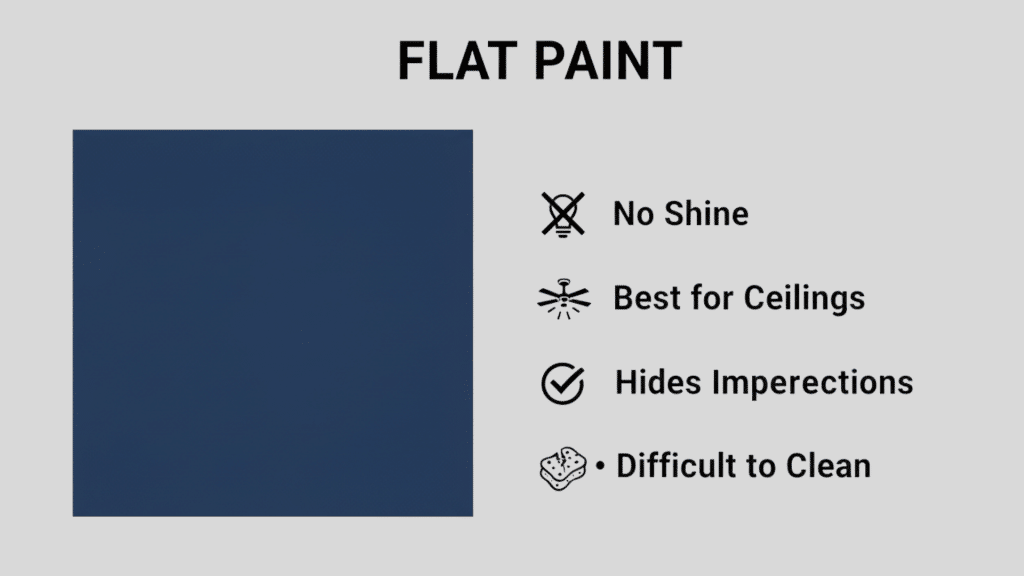
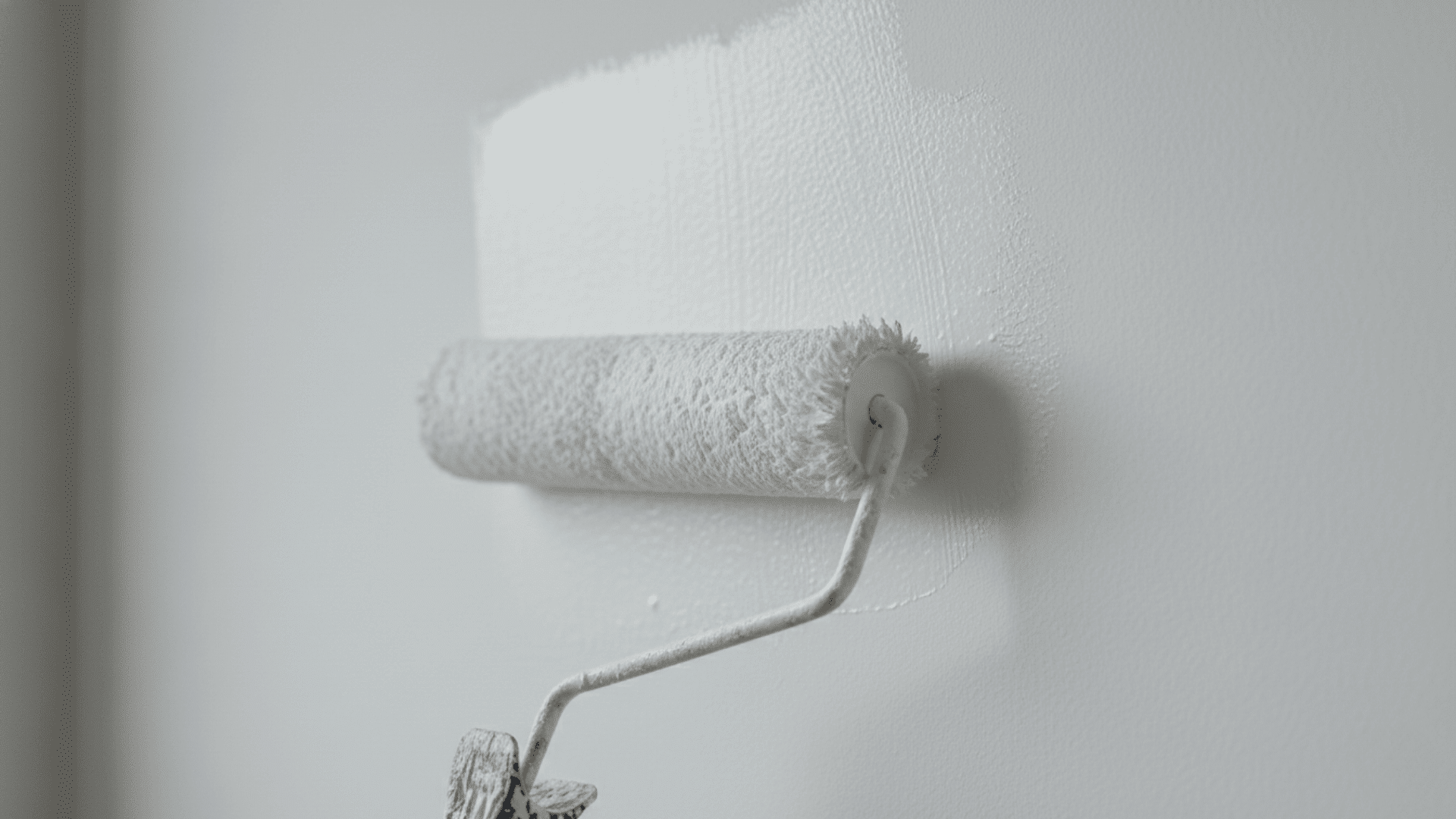
Flat paint is a finish with zero shine. It absorbs light rather than reflecting it. This creates a smooth, non-reflective look on your walls.
The lack of sheen helps hide surface flaws like dents, cracks, or uneven textures. Flat paint works best in low-traffic spaces where you want a clean, even appearance without worrying about frequent cleaning.
Key Characteristics of Flat Paint:
- Zero sheen: Flat paint has the lowest light reflection of any finish.
- Hides imperfections well: Surface flaws become less visible because light does not bounce off the walls.
- Soft, uniform look: The finish appears consistent from every angle in the room.
- Absorbs stains easily: The porous surface can soak up marks and moisture quickly.
- Hard to clean: Scrubbing can damage the finish or leave noticeable shiny spots.
Pros and Cons of Flat Paint:
| Pros | Cons |
|---|---|
| Hides wall flaws like cracks and dents very well | Hard to clean without damage |
| Creates a smooth, non-reflective look | Absorbs stains and dirt easily |
| Perfect for low-traffic areas like ceilings | Not suitable for busy or humid spaces |
| Gives rich, deep color | Touch-ups show up clearly |
| Costs less than shinier finishes | Wears down fast with contact |
| Provides a calm look without glare | Cannot handle scrubbing |
Flat paint works best when you value appearance over durability. It is ideal for spaces that rarely need cleaning.
What Is a Matte Finish?
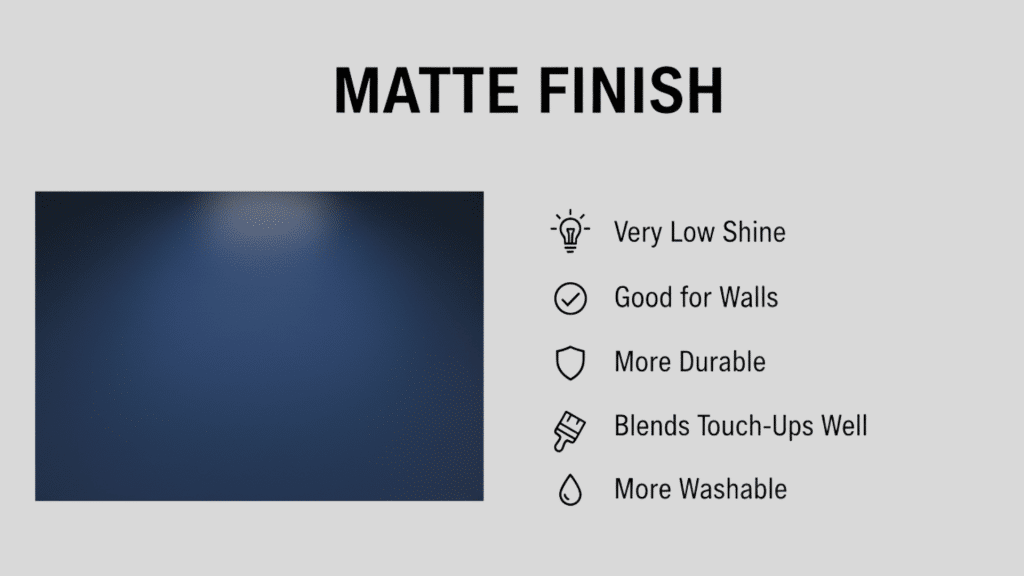
Matte finish is a paint type with very low shine. It has slightly more sheen than flat paint but still keeps a soft, non-reflective look.
The finish feels smooth to the touch and creates a modern, understated appearance on walls. Matte finish is more durable than flat paint, which makes it easier to maintain.
It works well in living rooms, bedrooms, and hallways where you want style and function together.
Key Characteristics of a Matte Finish:
- Low sheen with a soft appearance: Matte finish has a gentle, velvety sheen visible only under direct light.
- Better durability than flat paint: The less porous surface resists minor scuffs and marks more effectively.
- Improved cleanability: You can wipe down matte finish with a damp cloth without leaving shiny patches.
- Good at minimizing surface imperfections: Wall flaws like dents or uneven textures become less noticeable, though not as much as with flat paint.
- Rich color depth: Colors appear deep and full, making matte finish popular for both neutral and bold shades.
- Balanced performance: Matte finish offers a practical middle ground between refined appearance and everyday durability.
Pros and Cons of Matte Finish:
| Pros | Cons |
|---|---|
| Offers a modern look with low shine | Still shows some wall flaws |
| More durable than flat paint | Costs more than flat paint |
| Can be wiped gently without marks | Not as washable as satin finishes |
| Hides surface flaws fairly well | Touch-ups may be visible |
| Works in living rooms and bedrooms | Not ideal for kitchens or bathrooms |
| Provides rich color and smooth texture | Needs more coats for full coverage |
Matte finish is a practical choice when you want style with better performance. It balances looks and everyday use well.
Flat Paint vs Matte Finish: Key Differences
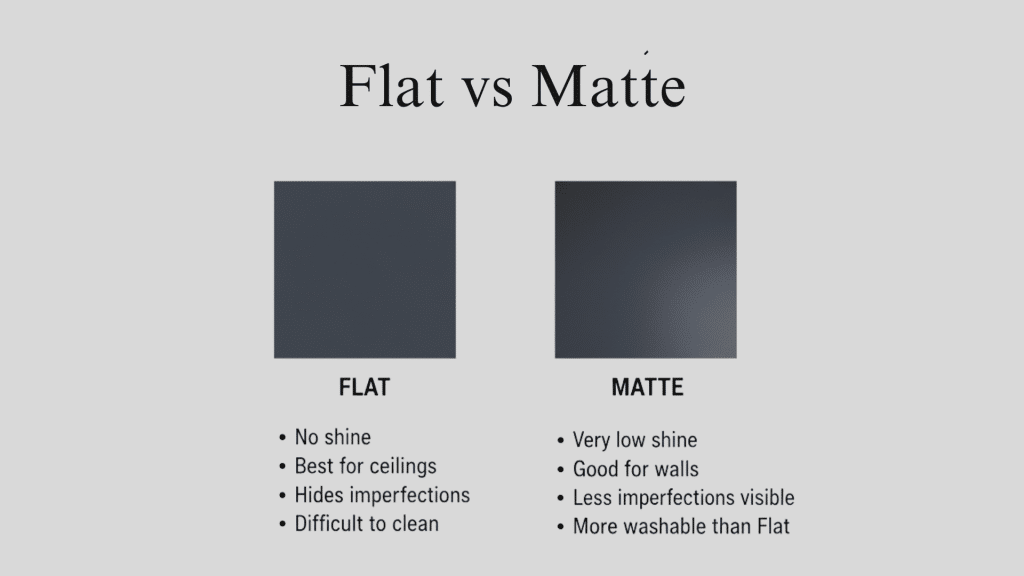
Now that you know what flat paint and matte finish are, let’s see how they actually differ in real situations. These five key differences will help you decide which finish makes more sense for your walls.
1. Sheen Visibility Under Light
Flat paint has zero visible shine, even under bright lights. Matte finish shows a subtle glow when light hits it directly.
This difference becomes obvious near windows or under overhead fixtures. In darker rooms, both finishes may look similar.
2. Durability in Daily Use
Flat paint is more fragile and shows wear quickly with regular contact. Matte finish has a stronger surface that handles occasional bumps better.
This makes a safer choice for active rooms. Hallways and living rooms benefit most from this extra resilience.
3. Touch-Up Results Over Time
Touch-ups on flat paint often stand out, especially if the original coat has aged. Matte finish blends new paint more smoothly with the existing surface.
The result looks more uniform and less patchy. This saves time and reduces frustration during maintenance.
4. Response to Cleaning
Flat paint absorbs moisture and cleaning agents, which can leave marks. Matte finish handles light wiping without changing the surface appearance.
You can clean matte walls without worrying about damage. This makes it more practical for homes with kids or pets.
5. Long-Term Appearance Stability
Flat paint develops uneven patches in areas that get touched or cleaned often. Matte finish maintains a more consistent look over time. It stays attractive with minimal maintenance effort.
This makes a better investment for long-term wall beauty.
Differences Between Flat, Matte, Eggshell, Satin, Semi-Gloss, and High Gloss
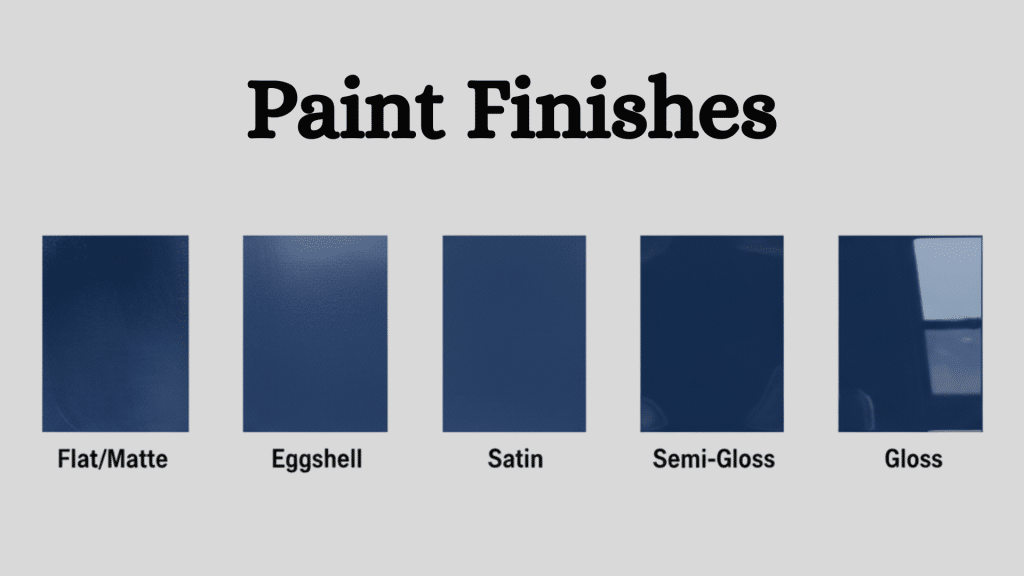
Understanding how different paint finishes compare helps you make better choices for each room. This table breaks down the key differences across sheen level, durability, cleaning ease, and how well each finish hides wall flaws.
| Paint Finish | Sheen Level | Light Reflection | Durability & Mark Resistance | Ease of Cleaning | Hides Imperfections |
|---|---|---|---|---|---|
| Flat | Lowest (0-5% sheen) | Absorbs light completely | Very low, marks easily | Very difficult to clean | Excellent at hiding flaws |
| Matte | Very low (5-10% sheen) | Minimal reflection | Low to moderate, handles light scuffs | Can be wiped gently | Good at hiding flaws |
| Eggshell | Low (10-25% sheen) | Soft, subtle glow | Moderate, resists some wear | Easier to clean than matte | Hides minor flaws well |
| Satin | Medium (25-35% sheen) | Noticeable soft shine | Good, handles regular contact | Easy to wipe down | Shows some imperfections |
| Semi Gloss | High (35-70% sheen) | Bright, reflective surface | Very good, resists moisture and stains | Very easy to scrub | Shows most imperfections clearly |
| High Gloss | Highest (70-85% sheen) | Mirror-like, maximum reflection | Excellent, extremely durable | Easiest to clean and maintain | Shows every flaw on the surface |
Best Paint Finish by Room Type
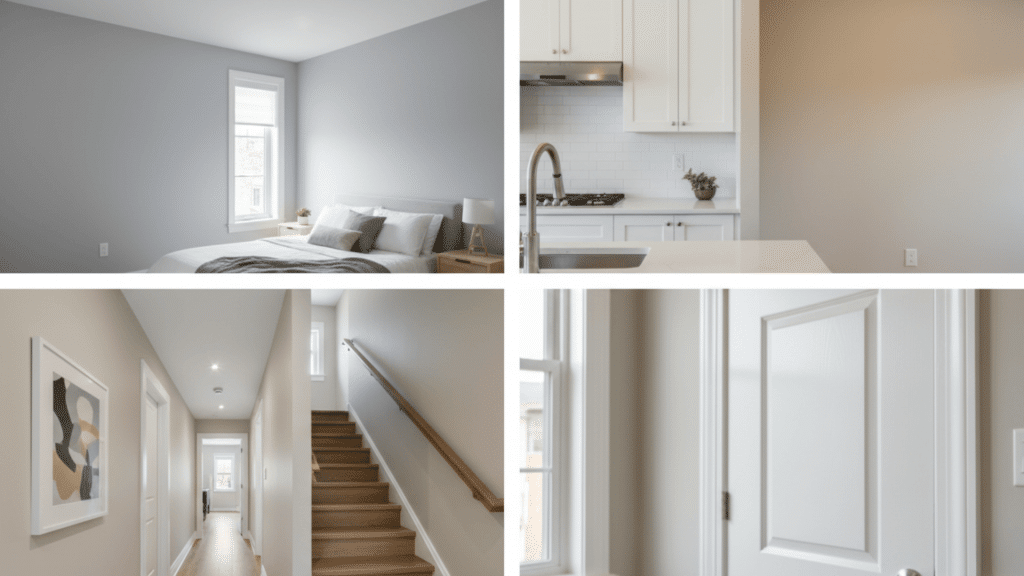
Choosing the right paint finish depends on how you use each room. Different spaces have different needs when it comes to durability, cleaning, and appearance.
1. Living Rooms and Bedrooms
Use flat paint or matte finish in bedrooms and formal living rooms. These spaces see little activity and benefit from the soft, calm look. Choose eggshell if you need slightly better cleanability.
2. Kitchens and Bathrooms
Go with satin or semi-gloss in kitchens and bathrooms. These rooms deal with moisture, grease, and frequent cleaning. Avoid flat or matte finishes here as they cannot handle humidity or scrubbing.
3. Hallways and Staircases
Pick eggshell or satin for hallways and staircases. These high-traffic areas get touched and bumped often. Both finishes resist wear while keeping shine minimal.
4. Trim, Doors, and Accents
Choose semi-gloss or high gloss for trim, doors, and baseboards. These surfaces get handled constantly and need easy cleaning. Both finishes resist fingerprints and marks well.
How Each Paint Finish Holds Up Over Time
Understanding how different finishes wear over time helps you avoid costly repaints. Here’s how flat paint, matte finish, and higher-sheen options hold up with regular use.
- How flat paint performs over time: Flat paint shows wear quickly and develops uneven patches in areas that get touched or cleaned frequently.
- Matte finish durability expectations: Matte finish lasts longer than flat paint and maintains its appearance better with light cleaning and occasional contact.
- Which finishes hold up best in frequent use areas: Satin, semi-gloss, and high gloss finishes perform best in high-traffic spaces because they resist scuffs, moisture, and frequent cleaning.
How to Choose Between Flat Paint and Matte Finish?
Start by asking yourself how often the room gets used and whether you need to clean the walls regularly.
Flat paint works best in low-traffic spaces like adult bedrooms, ceilings, or formal dining rooms where walls rarely get touched. It also performs well in rooms with poor lighting or surfaces that have noticeable flaws you want to hide.
Choose matte finish if the room sees moderate activity, has good natural light, or requires occasional cleaning. Consider your willingness to do touch-ups over time. Flat paint needs more frequent fixes, while matte finish holds up better with less maintenance.
Final Thoughts
Choosing between flat paint, matte finish, and other paint finishes comes down to how you use each room. Flat paint hides flaws beautifully but needs careful handling.
Matte finish offers better durability while keeping that low-sheen look. Higher-sheen options like satin and semi-gloss work best where cleaning matters most.
Think about your lifestyle and how much maintenance you’re willing to do. The right finish protects your walls and keeps them looking great longer.
It also saves you time and money on future touch-ups.
Ready to start your painting project? Share your room type and concerns in the comments below. We’d love to help you choose the perfect finish for your space.