What Every Homeowner Should Know Before Winter Hits

When the air gets crisp and the days start getting shorter, it’s a sure sign that winter is on the way. For many homeowners, it also means it’s time to prepare your house for colder temperatures, unpredictable storms, and increased energy use. While it’s tempting to put things off until the weather really changes, the smartest time to get ahead of winter problems is before they start.
Preparing your home now can help you stay warm, avoid expensive repairs, and save money on your energy bills. Even small maintenance tasks can make a big difference in your home’s safety and comfort during the colder months. And the best part? You don’t need to be a contractor or spend a fortune to get it done.
From checking your heating system to sealing up drafts, here’s what every homeowner should know, and do, before the cold sets in.
Keep the Heat On: Preparing Your System for Cold Weather
Your heating system is the heart of your home in winter. It keeps your living space cozy, your pipes from freezing, and your family safe and comfortable. But when a heater fails in the middle of a cold snap, it’s not only stressful. It can be dangerous and costly.
That’s why it’s smart to have your heating system inspected and maintained before winter kicks in. Catching minor issues now can prevent bigger, more expensive problems later. Changing your filters, checking your thermostat, and clearing vents are easy steps you can do on your own. But sometimes, your system needs professional attention.
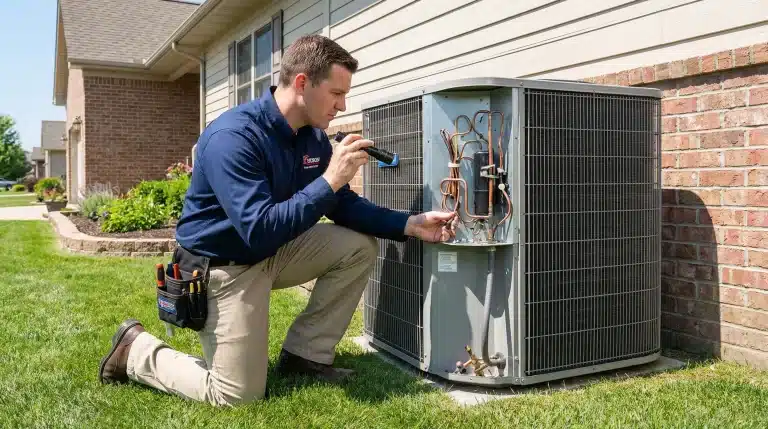
According to experts, one of the best ways to prevent heater repairs is to schedule a pre-season tune-up with a qualified technician. A professional can check for things like worn parts, dirty burners, and airflow problems that could lead to breakdowns when you need your heater the most. This kind of preventative care helps your system run more efficiently, reduces energy waste, and extends its lifespan. Taking action now gives you peace of mind for the months ahead.
Seal Out Drafts: Inspect Windows, Doors, and Cracks
Even the best heating system won’t keep you warm if cold air is sneaking in through small cracks and gaps. Drafts around windows, doors, and baseboards are some of the biggest culprits when it comes to heat loss. These leaks force your heater to work harder and your energy bills to climb.
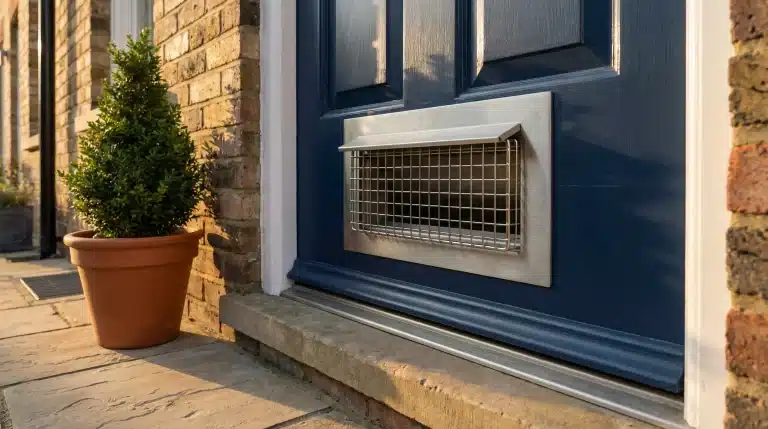
Fortunately, sealing them up doesn’t take much effort. Weatherstripping around doors, caulking around windows, and adding door sweeps are simple and affordable fixes that can have a big impact. Don’t forget to check less obvious spots too, like attic hatches, wall outlets, and gaps around plumbing or wiring that enters your home. A little time spent sealing up now can pay off in comfort and energy savings all winter long.
Don’t Forget Your Pipes: How to Avoid Freezing and Bursts
Frozen pipes are among the most frequent and expensive problems homeowners face during winter. When water freezes inside your pipes, it expands, which can cause the pipe to crack or burst, leading to major water damage and expensive repairs.
To prevent this, insulate exposed pipes in unheated areas like basements, garages, and crawl spaces. Foam pipe sleeves are easy to install and available at most hardware stores. During very cold nights, allow your faucets to drip a little to keep water flowing and help prevent the pipes from freezing. Also, make sure you know where your main water shutoff valve is, just in case you need to turn it off quickly.
Roof and Gutters: Prevent Icy Problems Before They Start
Your roof and gutters work together to protect your home from snow, rain, and ice. But if they’re clogged or damaged, they can create serious issues when the weather turns bad.
Start by cleaning out your gutters to remove leaves, twigs, and debris. This ensures water can drain properly and prevents the formation of ice dams, which can cause leaks and roof damage. While you’re at it, inspect your roof for missing or damaged shingles and check that flashing around chimneys or vents is intact. Addressing these small repairs now can help you avoid leaks, drafts, and more extensive damage once winter sets in.
Test Safety Devices: Carbon Monoxide and Smoke Detectors
Heating appliances, fireplaces, and portable generators increase the risk of carbon monoxide exposure during winter. That’s why it’s essential to check your carbon monoxide and smoke detectors before you start using your heating system regularly.
Test each device to make sure it’s working properly, and replace the batteries if needed. Detectors should be installed on every level of your home, especially near sleeping areas. If your units are more than 7–10 years old, consider replacing them entirely. These small devices are often the first and only warning you’ll have in the event of a leak or fire.
Prepare for Winter Storms: Stock Up and Plan Ahead
Winter weather can be unpredictable. Snowstorms, freezing rain, and power outages can happen with little warning. That’s why it’s important to have an emergency plan and supplies ready before the first storm hits.
Make sure you have essentials on hand, including flashlights, extra batteries, blankets, bottled water, non-perishable food, and a basic first-aid kit. Keep your phone charged, and have a backup power source like a portable charger available. For outdoor safety, stock up on rock salt, sand, or ice melt, and make sure your snow shovel or blower is in working order.
If you live in an area where snow is common, it’s also smart to keep your vehicle winter-ready with an ice scraper, an emergency kit, and a full tank of gas.
Don’t Overlook Outdoor Equipment
When prepping for winter, it’s easy to focus on indoor tasks and forget about the things outside your home. But a little care now can protect your outdoor gear and prevent unnecessary damage.
Drain and store garden hoses, and shut off outdoor water spigots to prevent frozen pipes. Cover or bring in patio furniture, grills, and outdoor tools to protect them from snow and ice. If you have a sprinkler system, it’s important to winterize it by draining or blowing out the lines to avoid burst pipes.
These small tasks can keep your outdoor setup in great shape and save you from replacing expensive items come spring.
Winter may feel far away, but preparation pays off. Taking a few proactive steps now helps you stay ahead of the season’s challenges and enjoy the colder months in comfort. From checking your heating system and sealing up drafts to protecting your pipes and planning for storms, each task plays a role in keeping your home safe, warm, and energy-efficient.
You don’t need to tackle everything in one day; start with the essentials and work through your checklist. And remember, preventive care isn’t just about avoiding problems; it’s about giving yourself peace of mind and making your home a better place to be, no matter what the weather brings.
So, grab your gloves, make a list, and take action now, because a well-prepped home is one less thing to worry about when winter finally arrives.