Wallpaper for Textured Walls: What Works & What Fails

Textured walls and wallpaper don’t always play nice together.
You find a pattern you love, read that it “works on any surface,” then watch it peel off in sections three weeks later. Or the bumps show through so severely that it looks worse than before.
Some textures handle wallpaper just fine. Others make it nearly impossible. The difference comes down to texture type, prep work, and which wallpaper you choose.
This guide covers what actually sticks and what fails. You’ll learn which wall textures work with wallpaper, how to prep properly, which wallpaper types perform best, and when to skip wallpaper altogether.
What Counts as a Textured Wall?
Most U.S. homes have some texture on their walls. The most common types are orange peel (light bumps), knockdown (flattened peaks), and popcorn (heavy bumps).
Light texture feels slightly rough when you run your hand across it. Medium texture has visible peaks and valleys that you can feel clearly. Heavy texture has deep grooves or raised patterns that cast shadows.
To check your wall texture, stand a few feet away and look at it under direct light. If you see bumps, ridges, or shadows, you have texture. Run your palm flat against the wall.
If it feels smooth, your texture is light. If you feel constant bumps or your hand catches on peaks, your texture is medium to heavy.
Can You Put Wallpaper on Textured Walls?
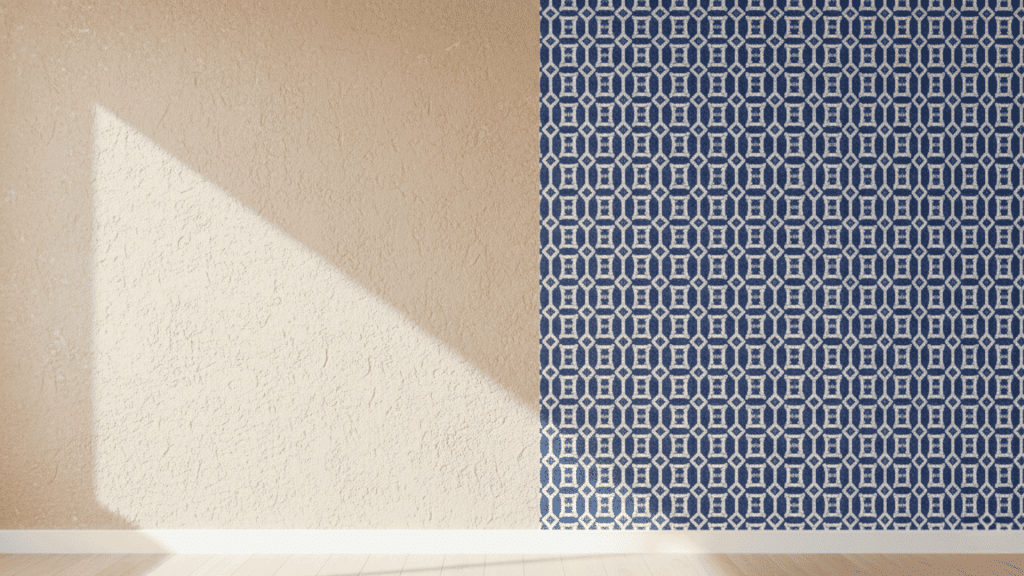
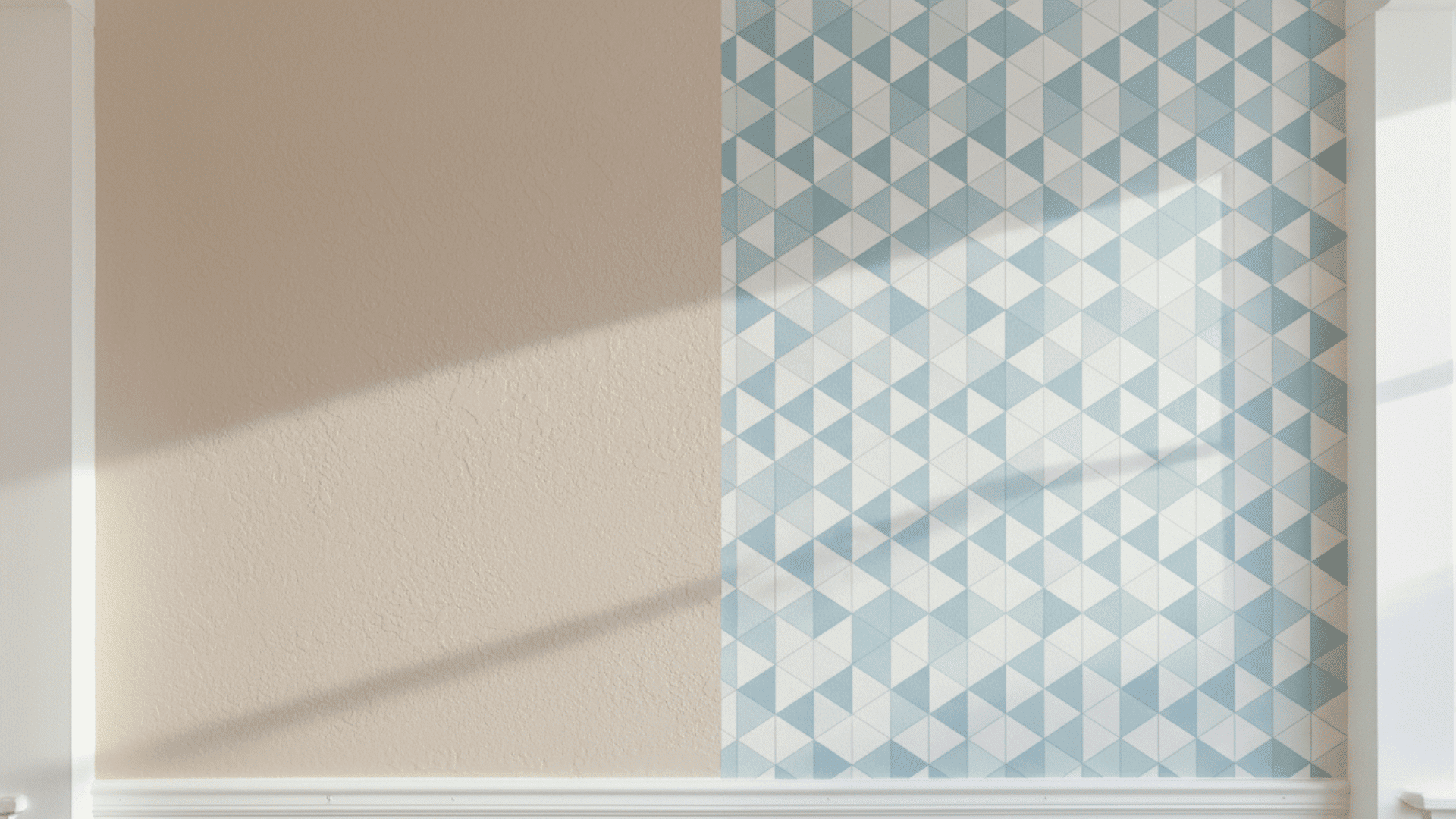
Yes, you can put wallpaper on textured walls, but success depends on the texture type and wallpaper choice. Light texture works better than heavy texture. The right prep work and wallpaper type make all the difference.
Situations where wallpaper can work:
- Light orange peel texture with thick non-woven or vinyl wallpaper
- Lightly knock down walls that have been primed properly
- Small accent walls where minor imperfections are less noticeable
- Rooms with soft lighting that hides texture bleed-through
- When you use wall liner or skim coat as prep
When texture makes wallpaper impractical:
- Heavy popcorn texture that creates deep grooves
- Rough stucco or hand-troweled finishes
- Any texture where peaks cast visible shadows
- Walls with loose or flaking texture material
- When you need a perfectly smooth, mirror-like finish
Preparing Textured Walls for Wallpaper
Proper prep work determines whether your wallpaper sticks or fails. Here’s what you need to do before hanging wallpaper on textured walls.
| Prep Step | What to Do | When You Need It |
|---|---|---|
| Cleaning | Wash with TSP or mild soap. Dry 24 hours. | Always. Dirt and grease stop the adhesive from sticking. |
| Sanding | Lightly sand loose peaks with 120-grit paper. | Only if the texture is flaking or has sharp points. |
| Patching | Fill cracks with spackling. Sand smooth. | When walls have visible damage or holes. |
| Primer | Roll on acrylic wallpaper primer. | Highly recommended. Seals texture and helps the adhesive bond. |
| Skim Coating | Apply thin joint compound layers. Sand between coats. | Necessary for medium/heavy texture. Optional for light texture. |
| Lining Paper | Hang heavy liner (1400-2000 grade) first. | Good middle option between primer and skim coating. |
Quick tip: Test by taping a wallpaper sample to your prepped wall for 48 hours. If it sticks firmly, your prep worked.
7 Best Wallpaper Types for Textured Walls
Your prep work is done, but choosing the wrong wallpaper ruins everything. Here’s how each wallpaper type actually performs on textured surfaces.
1. Non-Woven Wallpaper
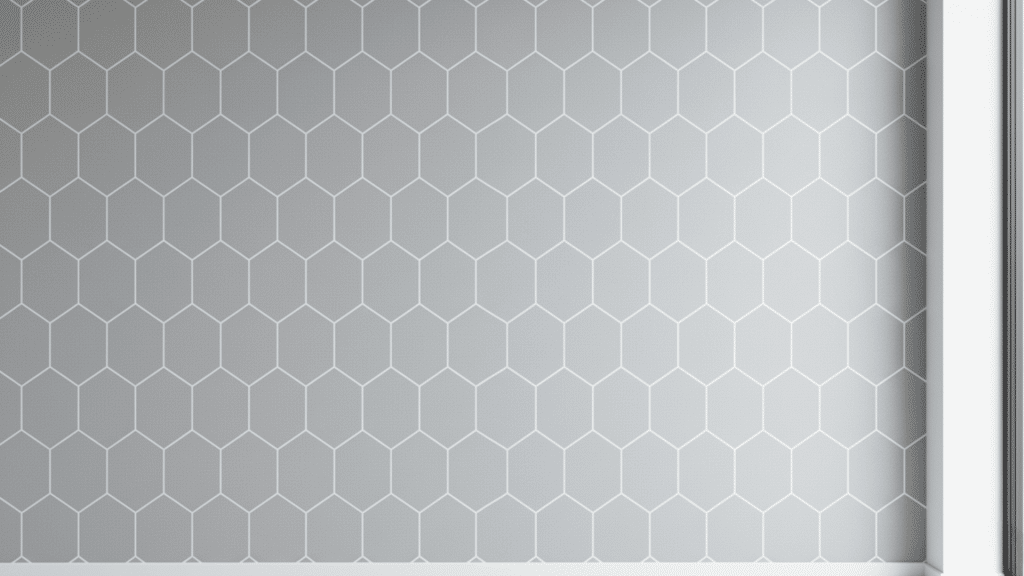
Non-woven wallpaper breathes and stretches slightly, which helps it conform to a light texture.
It holds up well on orange peel and light knockdown walls. Installers like it because paste goes on the wall, not the paper, making it easier to adjust and reposition.
2. Vinyl Wallpaper (Solid Vinyl and Vinyl-Coated Paper)
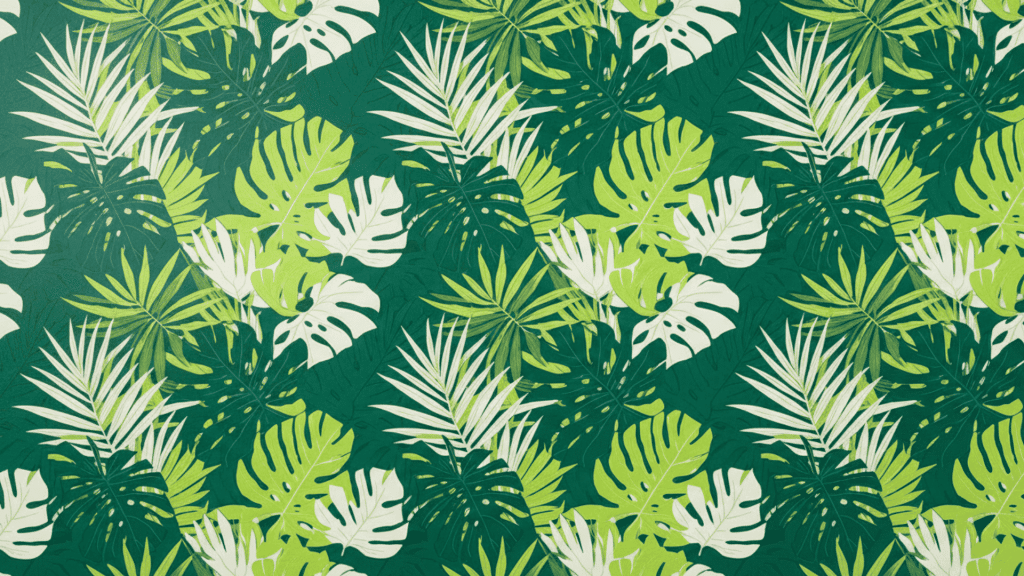
Solid vinyl is thicker and more moisture-resistant than paper-based options. The extra thickness helps hide mild texture better than thin wallpapers.
It works well in bathrooms and kitchens, but still shows through on rough or heavy textures.
3. Peel and Stick Wallpaper (Self-Adhesive Wallpaper)
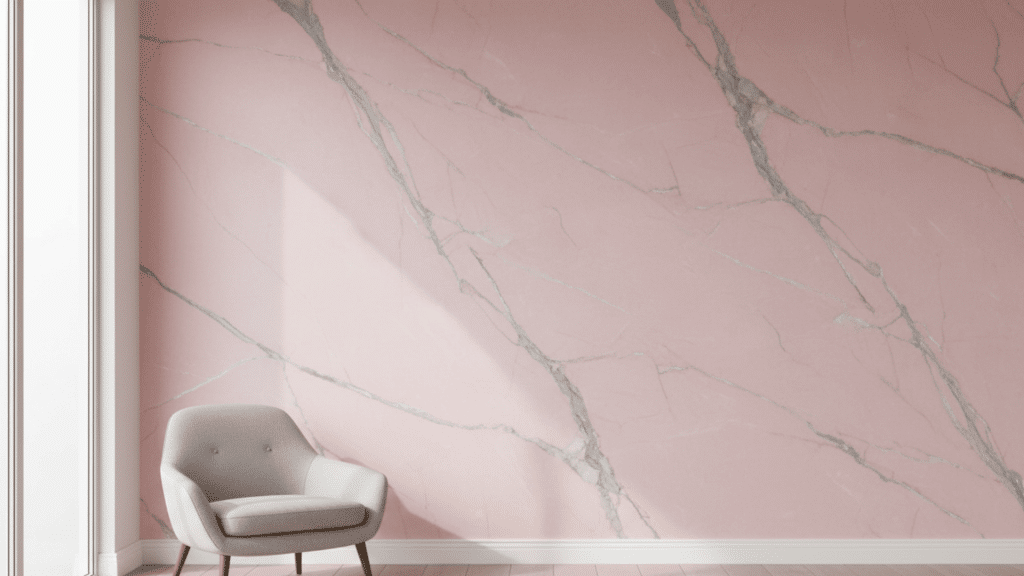
Peel-and-stick wallpaper for textured walls often disappoints users. The adhesive struggles to grip texture peaks, causing edges to lift within weeks.
It works okay on very light orange peel but fails on anything rougher or in high-traffic areas.
4. Fabric-Backed Vinyl Wallpaper
This is the heaviest, most durable wallpaper option available. It handles uneven surfaces better than standard vinyl.
You’ll find it in hotels and commercial spaces, but it costs more and requires a strong adhesive for home use.
5. Grasscloth and Natural Fiber Wallpaper
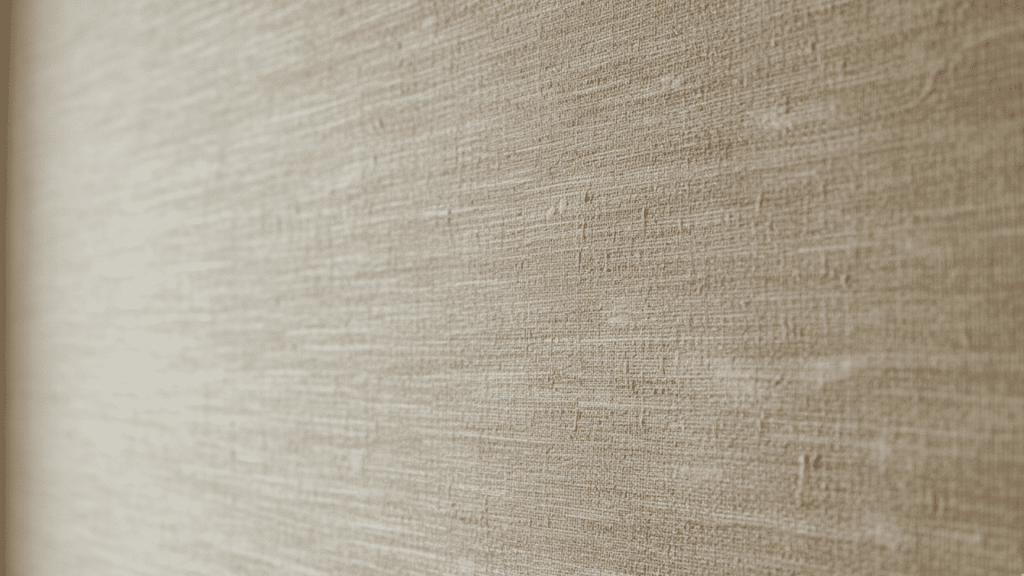
Grasscloth has its own texture, which sounds good but creates problems. The natural fibers don’t flex well over bumps, and adhesive shows through the weave.
Avoid it on textured walls unless you skim coat first.
6. Textured and Embossed Wallpaper
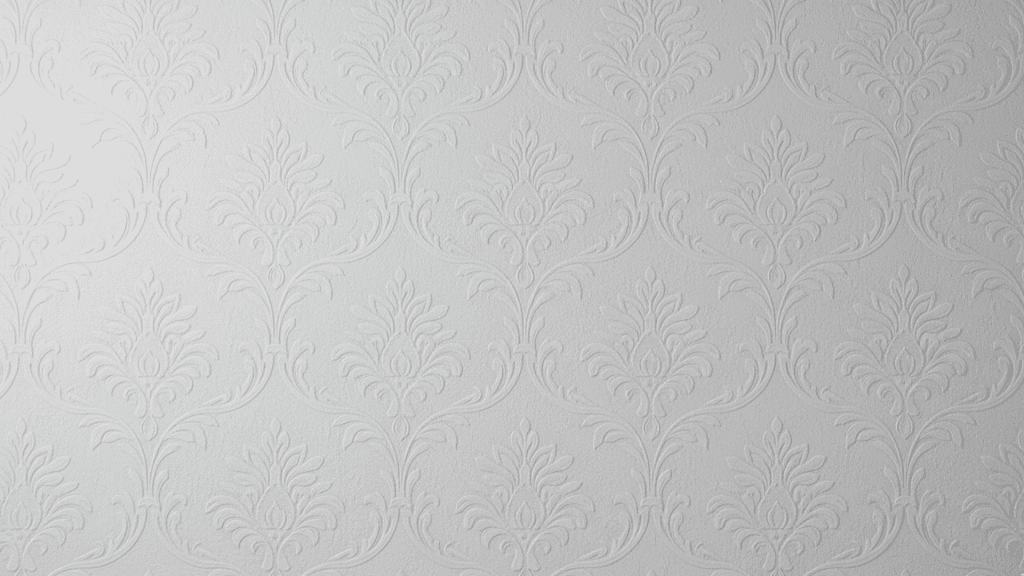
Embossed patterns can help disguise light wall texture by adding visual interest. The raised design tricks your eye into not noticing small bumps.
But heavy wall texture still shows through, and the embossing only helps with appearance, not adhesion.
7. Wallpaper Murals
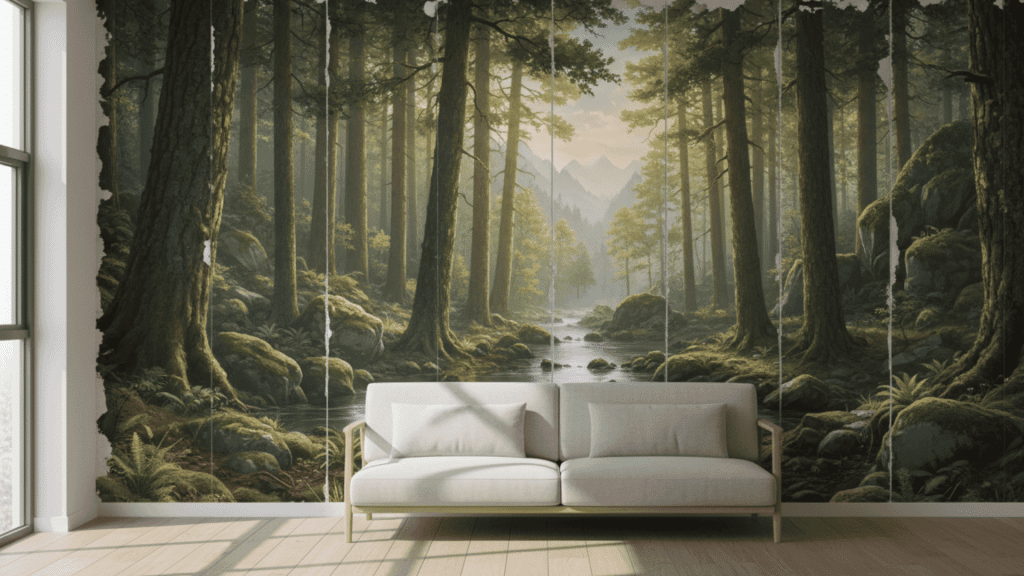
Murals need perfect seam alignment, and textured walls make that nearly impossible. Every bump throws off the pattern match between panels.
Murals only work if you skim coat the wall completely smooth first.
Pros and Cons of Wallpaper on Textured Walls
Before you commit to wallpapering textured walls, you need the whole picture. Here are the honest advantages and drawbacks based on what actually happens after installation.
| Pros | Cons |
|---|---|
| Visual transformation without tearing down walls or hiring contractors. | Adhesion fails over time. Edges curl and lift after months. |
| Temporary peel-and-stick options work for renters. | Texture shows through the wallpaper, especially under direct light. |
| Works well on light orange peel with proper prep. | Removal often pulls the texture off the wallpaper. |
Wallpaper on textured walls works best when the texture is light, prep is thorough, and you choose thick wallpaper.
Best Rooms for Wallpaper on Textured Walls
Now that you know which wallpaper types work best, let’s talk about where to use them. Some rooms are safer bets for textured wall wallpaper, while others set you up for failure.
- Low-risk rooms to experiment in, such as Guest bedrooms, powder rooms, and home offices, work well because they get less traffic and you can test techniques without high stakes.
- Spaces where wallpaper struggles most. Bathrooms with showers, kitchens near stoves, and high-humidity laundry rooms cause adhesive to fail faster on textured walls.
- Accent walls vs full-room application. Single accent walls are safer for testing because you use less material, spend less money, and can hide mistakes more easily than full-room coverage.
- High-traffic areas vs quiet spaces. Hallways and kids’ rooms see more bumps and touches that loosen wallpaper on texture, while adult bedrooms and sitting areas stay undisturbed longer.
- Rooms with forgiving lighting, Spaces with soft, indirect lighting hide texture bumps better than rooms with bright overhead lights or large windows that create harsh shadows.
Alternatives If Wallpaper Isn’t the Right Fit
If wallpaper won’t work on your textured walls, try these options instead. Paint techniques like sponging, rag rolling, or color washing hide texture better than flat paint.
Textured paint adds dimension while covering imperfections. Temporary wall treatments include large wall decals, removable wall murals on smooth backing, or peel-and-stick tile panels that don’t need perfect adhesion.
Fabric panels stretched over frames create a wallpaper look without sticking anything to the walls. You can also hang tapestries, large canvas prints, or wood planks as accent features.
These options give you style changes without fighting texture problems.
Final Thoughts
Wallpaper on textured walls works when you match the right wallpaper type to your texture level.
Light orange peel with thick vinyl or non-woven wallpaper? That usually succeeds. Heavy popcorn texture with peel and stick? That fails fast.
The key is honest assessment and proper prep. Test a small section first. Prime your walls. Choose patterns that hide imperfections.
If your texture is too heavy, skim coating or paint alternatives make more sense than fighting poor adhesion.
Start small with an accent wall. See how it holds up for a month before committing to a whole room.
Have you tried wallpaper on textured walls? Drop a comment below and share what worked or what you’d do differently next time.