The Most Important Features of a Games Room in Your House

A games room is more than just a place to play, it’s a space designed for fun, relaxation, and connection. Whether you enjoy video games, board games, table sports, or hosting friends and family, a well-designed games room can become one of the most loved areas in your home. The key to creating a great games room lies in balancing comfort, functionality, and personality. From layout and lighting to technology and storage, here are the most important features to consider when designing the perfect games room in your house.
A Purpose-Driven Layout
The foundation of any great games room is a thoughtful layout. Before adding furniture or equipment, it’s important to decide how the room will be used. Will it focus on console gaming, tabletop games, or classic options like pool, darts, or arcade machines? Some games rooms combine several activities, but each still needs enough space to function comfortably. Clear pathways, adequate space around gaming tables, and seating arranged for social interaction all contribute to a better experience. A well-planned layout ensures the room feels inviting rather than cramped and allows everyone to move freely while playing.
Comfortable and Flexible Seating
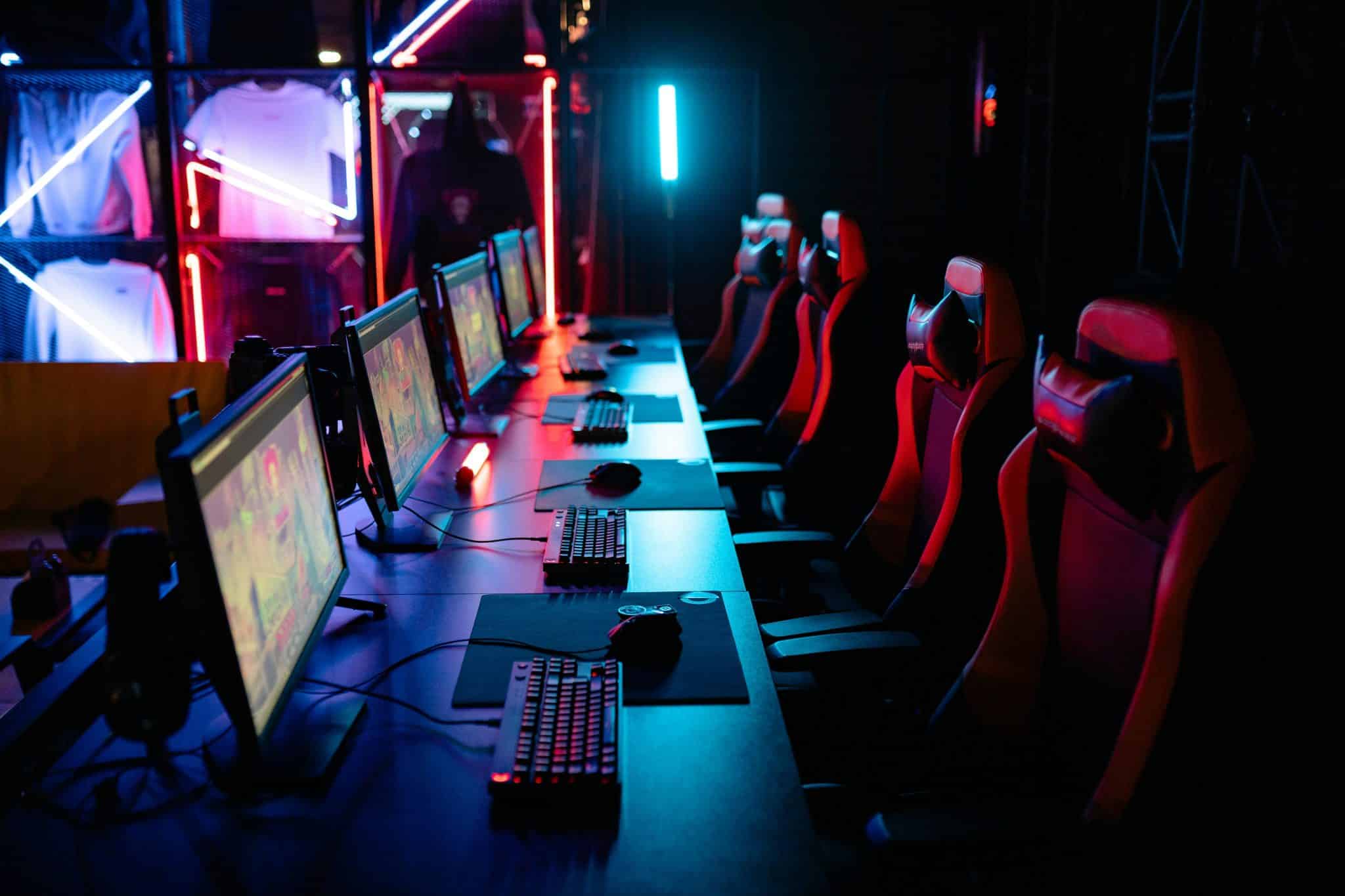
Comfort is essential in a games room, especially for longer sessions. Seating should support different activities and group sizes, whether that’s a sofa for console gaming, stools for a bar-style setup, or ergonomic chairs for PC gaming. Modular seating or lightweight chairs can be especially useful, as they allow the room to adapt to different games or gatherings. Adding cushions, throws, or bean bags can also enhance comfort and make the space feel more relaxed and welcoming.
Quality Lighting for Different Activities
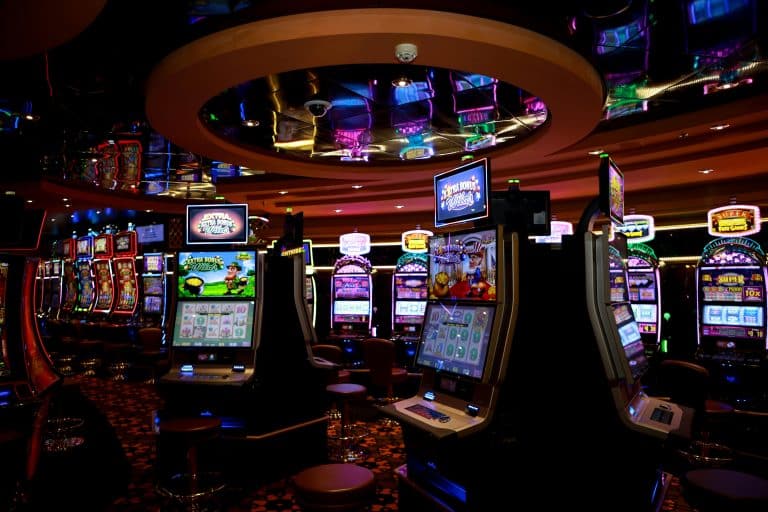
Lighting plays a major role in setting the mood and usability of a games room. Ideally, the space should have adjustable lighting that can be adapted to different types of play. Bright, even lighting works best for board games and card games, while softer, ambient lighting may be preferred for video gaming or movie nights. Accent lighting, LED strips, or wall-mounted lights can add personality and visual interest without causing glare on screens. Dimmer switches are a great addition, giving you full control over the atmosphere at any time.
High-Quality Screens and Audio
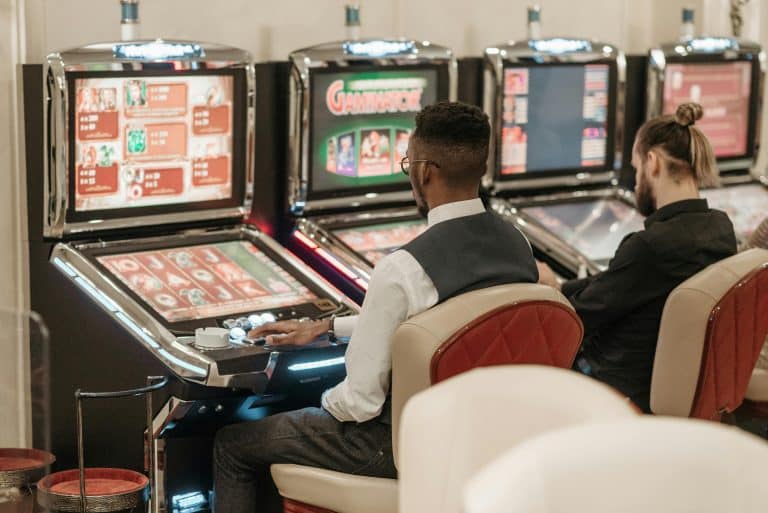
For many households, screens are the centrepieces of a games room, whether they’re used for console gaming, streaming, or accessing bingo sites UK from the comfort of home. Placement is also important, screens should be positioned at a comfortable viewing height and distance to reduce eye strain. Sound is equally important. Whether it’s a surround sound system, soundbar, or quality speakers, good audio adds immersion and excitement. For shared spaces, having the option to use headphones can be useful, especially during late-night gaming sessions.
Reliable Power and Connectivity
A modern games room relies heavily on technology, which makes power access and connectivity essential features. Multiple power outlets or surge-protected extension leads ensure that consoles, PCs, charging stations, and accessories can all be used safely. Strong internet connectivity is particularly important for online gaming and streaming. Where possible, a wired connection can provide greater stability, but a high-quality Wi-Fi setup may also be sufficient. Planning cable management in advance helps keep the room tidy and hazard free.
Smart Storage Solutions
Games rooms often come with a lot of equipment, from controllers and headsets to board games and accessories. Without proper storage, clutter can quickly take over. Shelving units, cabinets, and storage boxes help keep everything organized and easy to access. Displaying games, collectibles, or memorabilia can also add character to the room. Open shelves or glass-front cabinets allow you to showcase items while keeping them protected and organized.
Soundproofing and Acoustics
Noise is an often-overlooked aspect of games room design. Soundproofing helps contain noise within the room, making it more enjoyable for players and less disruptive to the rest of the household. This can be achieved through rugs, curtains, acoustic panels, or even upholstered furniture. Good acoustics also improve audio quality, reducing echo and making conversations clearer during multiplayer games or group activities.
Climate Control and Ventilation
A games room can heat up quickly, especially with multiple people and electronic equipment in use. Proper ventilation and temperature control help keep the space comfortable year-round. Fans, air conditioning, or good airflow can prevent the room from becoming stuffy and uncomfortable. Maintaining a pleasant temperature also helps protect electronic equipment from overheating, extending its lifespan and performance.
Personal Style and Atmosphere
Finally, the most memorable games rooms reflect the personality of the people who use them. Colour schemes, wall art, themed décor, and personal collections all contribute to the room’s identity. Whether you prefer a sleek, modern look or a cozy, retro vibe, your games room should feel like an extension of your interests. Adding small details, such as neon signs, framed posters, or custom artwork can transform a functional space into a truly special one.
The most important features of a games room in your house all work together to create a space that’s comfortable, practical, and fun. By focusing on layout, seating, lighting, technology, and personal style, you can design a games room that suits your lifestyle and brings people together. With thoughtful planning and attention to detail, your games room can become the ultimate place to unwind, compete, and make lasting memories.