
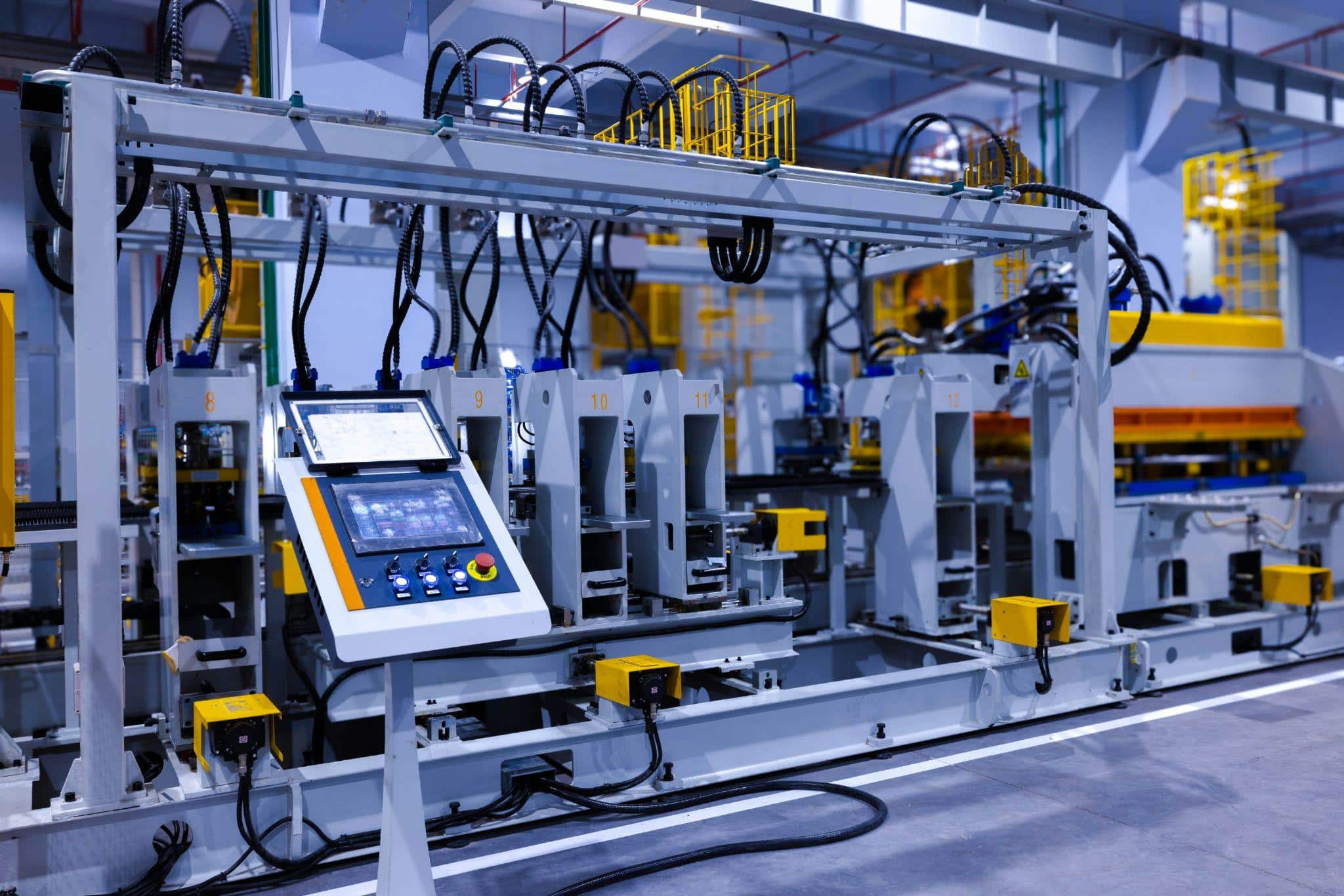
The Hidden Backbone of Manufacturing: Critical Equipment Every Facility Manager Must Prioritize

Manufacturing success depends on countless systems working together seamlessly every single day. While production machinery receives most attention, facility infrastructure often determines whether operations run smoothly or grind to frustrating halts.
Understanding Manufacturing Infrastructure
Modern manufacturing facilities contain complex networks of interdependent systems and equipment. Production lines represent only the visible tip of a much larger operational iceberg.
Facility managers must balance attention between revenue-generating equipment and supporting infrastructure constantly.
Neglecting either category eventually impacts the other through cascading failures and inefficiencies.
The best facility managers develop comprehensive maintenance strategies addressing all critical systems proactively.
This holistic approach prevents small problems from becoming production-stopping catastrophes unexpectedly.
Loading Dock Operations: The Gateway to Productivity
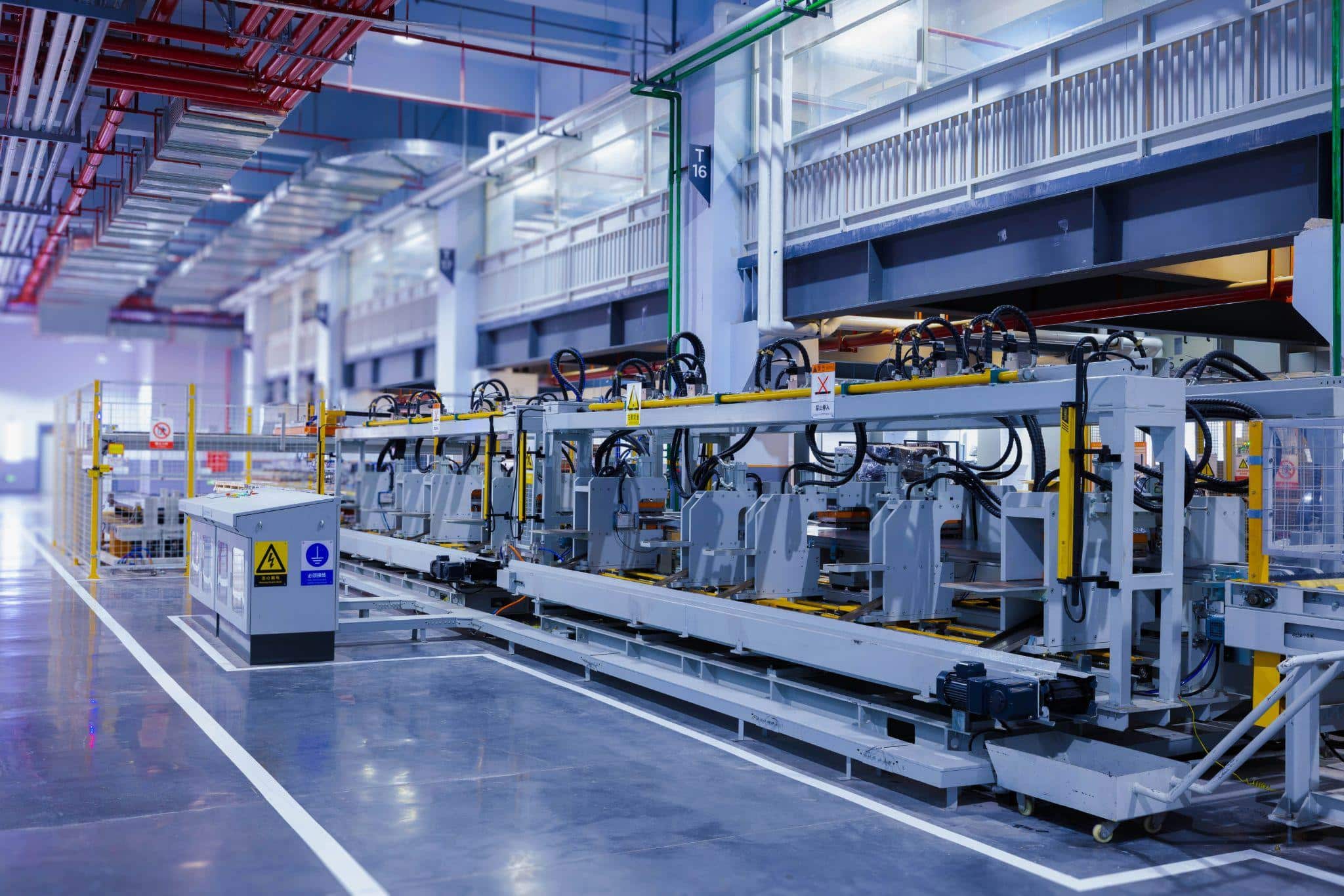
Materials enter, and products leave through loading dock areas continuously throughout operations. These high-traffic zones experience tremendous wear, requiring regular maintenance and professional attention.
Dock doors endure thousands of cycles annually while withstanding weather, impacts, and heavy use. Industrial overhead doors face demands far exceeding residential or commercial applications significantly.
Partnering with professional garage door services ensures loading dock doors receive expert maintenance and rapid repairs when needed.
Specialised technicians understand industrial door systems and keep operations flowing without extended downtime.
Failed dock doors create immediate bottlenecks affecting incoming materials and outgoing shipments simultaneously. A single malfunctioning door can disrupt carefully scheduled logistics throughout your entire supply chain.
Insulated doors maintain climate control while reducing energy costs substantially over time. Modern high-speed doors minimise open time, further protecting interior conditions and security.
Safety features on industrial doors protect workers from serious injury during operations. Regular inspection and maintenance ensure these critical safety systems function properly always.
HVAC Systems: Climate Control for Quality Production
Temperature and humidity directly affect product quality in numerous manufacturing processes. Pharmaceuticals, food, electronics, and precision manufacturing all require carefully controlled environments.
HVAC systems in manufacturing facilities work harder than typical commercial installations continuously. Industrial processes generate heat and contaminants that climate systems must manage effectively.
Preventive maintenance programmes extend equipment life while maintaining consistent environmental conditions reliably. Filter changes, coil cleaning, and refrigerant checks prevent unexpected failures during critical production periods.
Energy efficiency improvements in HVAC systems often deliver a rapid return on investment attractively. Modern controls and variable frequency drives optimise performance while reducing utility costs significantly.
Electrical Infrastructure: Powering Production

Manufacturing facilities consume enormous amounts of electrical power for equipment and systems. Reliable electrical infrastructure forms the foundation upon which all other operations depend.
Distribution panels, transformers, and wiring require regular inspection and maintenance attention. Thermal imaging identifies developing problems before they cause failures or fire hazards.
Power quality affects sensitive equipment performance and longevity significantly over time. Voltage fluctuations, harmonics, and power factor issues damage equipment and reduce efficiency progressively.
Backup power systems protect critical processes during utility outages and disturbances effectively. Generators and uninterruptible power supplies maintain operations when primary power fails unexpectedly.
Compressed Air Systems: The Fourth Utility
Compressed air powers pneumatic tools, actuators, and processes throughout manufacturing facilities universally. Many facility managers consider compressed air their fourth utility after electricity, water, and gas.
Air compressors require substantial maintenance to operate efficiently and reliably continuously. Oil changes, filter replacements, and leak repairs maintain system performance and reduce costs.
Distribution piping often develops leaks that waste energy and reduce available pressure substantially. Regular leak detection and repair programmes deliver significant cost savings annually.
Air quality matters for many applications requiring dry, clean, oil-free compressed air. Dryers, filters, and separators maintain air quality standards appropriate for specific uses.
Process Equipment: The Heart of Production
Beyond infrastructure, specialised process equipment enables actual manufacturing activities daily. These systems transform raw materials into finished products through various mechanical and chemical processes.
Mixing and blending equipment appears in countless manufacturing applications across industries. Paints, coatings, pharmaceuticals, food products, and chemicals all require precise mixing operations.
Proper chemical mixing equipment ensures consistent product quality while maintaining safety standards throughout operations. Industrial agitators and mixers must match specific viscosity, volume, and process requirements precisely.
Inadequate mixing creates quality problems, including inconsistent concentrations and incomplete reactions. These issues generate waste, rework, and potential safety hazards that impact profitability directly.
Mixing equipment selection requires understanding process chemistry, rheology, and production requirements thoroughly. Consulting with specialists ensures appropriate equipment specification for your specific applications.
Maintenance of mixing equipment prevents contamination, ensures consistency, and extends service life substantially. Seal integrity, blade condition, and motor performance all require regular attention.
Material Handling Systems: Keeping Things Moving
Conveyors, cranes, forklifts, and automated systems move materials throughout manufacturing facilities continuously. Efficient material handling reduces labour costs while improving throughput substantially.
Conveyor systems require belt tracking, bearing lubrication, and drive maintenance regularly. Neglected conveyors fail at inconvenient times, blocking production flow throughout connected processes.
Overhead cranes demand rigorous inspection and maintenance programmes for safety compliance. Regulatory requirements mandate regular testing and certification by qualified inspectors.
Automated guided vehicles and robotic systems require software updates and mechanical maintenance. These sophisticated systems blend information technology with traditional mechanical servicing requirements.
Water and Wastewater Systems: Essential Utilities
Manufacturing processes often consume substantial water for cooling, cleaning, and production. Water treatment systems ensure incoming water meets process quality requirements consistently.
Wastewater handling must comply with environmental regulations governing discharge limits strictly. Treatment systems, monitoring equipment, and documentation all require ongoing attention.
Cooling towers and heat exchangers reject process heat while consuming significant water resources. Chemical treatment programmes prevent scale, corrosion, and biological growth in these systems.
Plumbing infrastructure throughout facilities requires maintenance to prevent leaks and contamination. Backflow prevention, pressure regulation, and drainage systems all demand periodic attention.
Fire Protection Systems: Safeguarding Everything
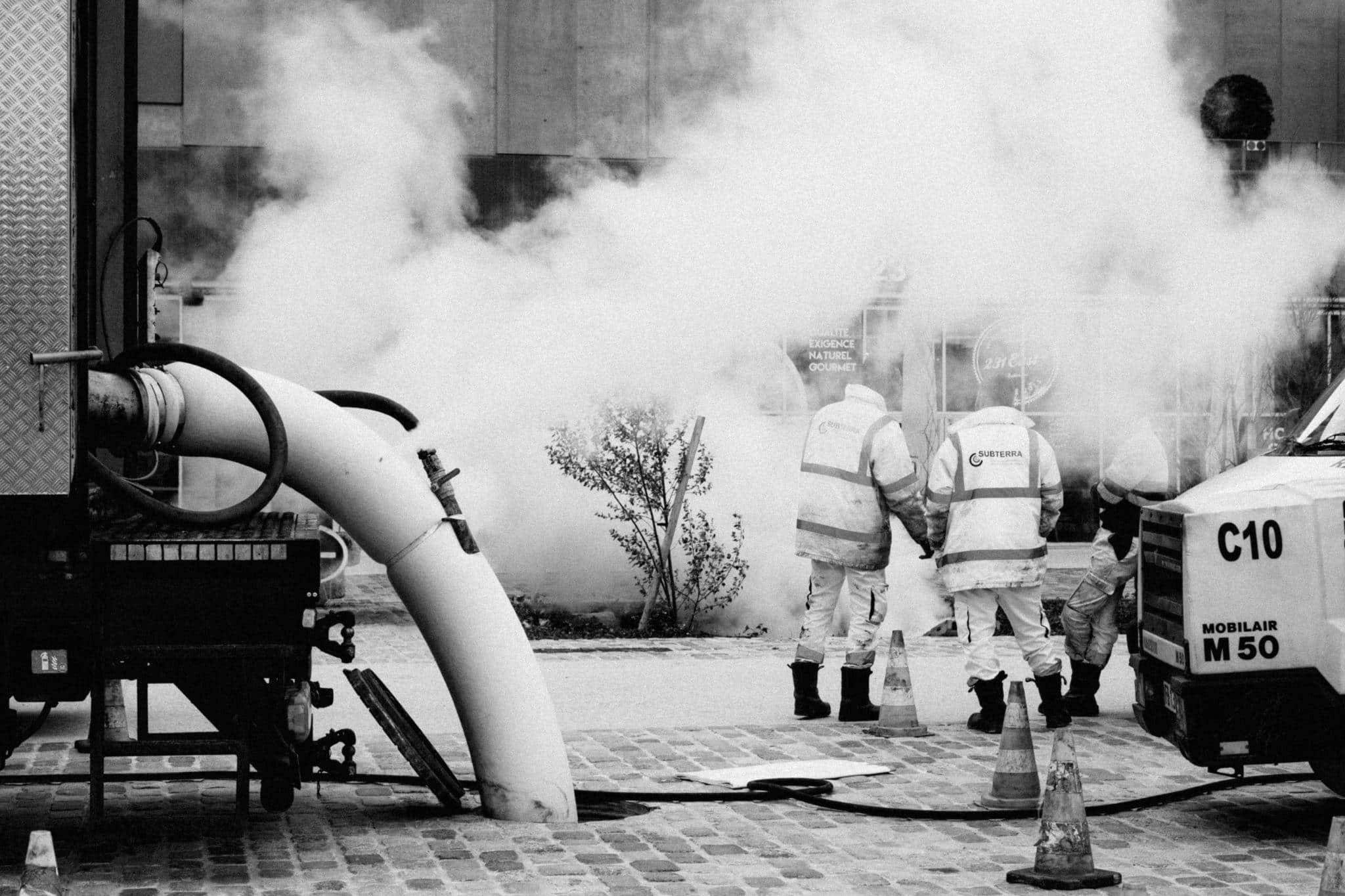
Fire suppression systems protect personnel, equipment, and facilities from catastrophic losses continuously. These critical systems require regular inspection, testing, and maintenance without exception.
Sprinkler systems, fire pumps, and alarm systems must function perfectly when emergencies occur. Annual inspections and regular testing verify readiness for actual emergency situations.
Special hazard systems protect specific areas with foam, chemical, or gaseous suppression agents. These specialised systems require expert maintenance from qualified service providers exclusively.
Fire extinguishers positioned throughout facilities need annual inspection and periodic recharging. Training ensures personnel can use extinguishers effectively during fire emergencies.
Developing a Comprehensive Maintenance Strategy
Effective facility management requires systematic approaches to maintenance across all systems. Reactive maintenance alone guarantees failures, downtime, and excessive repair costs inevitably.
Preventive maintenance programmes schedule regular service based on time or usage intervals. This approach catches developing problems before they cause unexpected equipment failures.
Predictive maintenance uses monitoring technology to identify equipment degradation early and accurately. Vibration analysis, thermal imaging, and oil analysis reveal problems invisible to casual observation.
Computerised maintenance management systems track work orders, inventory, and equipment history efficiently. These tools enable data-driven decisions about repair versus replacement timing.
Budgeting for Infrastructure Maintenance
Maintenance budgets often face pressure during cost-cutting initiatives, unfortunately and shortsightedly. Deferred maintenance creates technical debt that compounds into much larger expenses eventually.
Life-cycle cost analysis reveals true ownership costs beyond initial purchase prices accurately. This perspective justifies appropriate maintenance investments protecting equipment value.
Contractor relationships provide access to specialised expertise unavailable from internal staff. Building partnerships with reliable service providers ensures responsive support when needed.
Training and Documentation: Preserving Knowledge
Equipment knowledge often resides in experienced employees’ memories rather than formal documentation. Staff turnover threatens operational continuity when this knowledge leaves with departing workers.
Standard operating procedures capture best practices for equipment operation and maintenance systematically. These documents enable consistent performance regardless of personnel changes over time.
Training programmes develop internal capabilities while reducing dependence on external contractors. Cross-training prevents single points of failure when key personnel become unavailable.
Conclusion: Infrastructure Investment Pays Dividends
Manufacturing excellence requires attention to supporting infrastructure alongside production equipment priorities. The hidden backbone of your facility determines operational reliability and efficiency daily.
Facility managers who prioritise infrastructure maintenance protect their organisations from costly disruptions. Systematic approaches to all critical systems ensure consistent, reliable operations continuously.
Invest in professional services, quality equipment, and comprehensive maintenance programmes strategically. These commitments deliver returns through improved uptime, reduced emergencies, and extended equipment life.
Your manufacturing facility’s success depends on countless systems working together invisibly. Give these hidden heroes the attention they deserve, and they’ll support your production goals reliably.