
Simple Tools That Help With Prenatal Stretching Routines

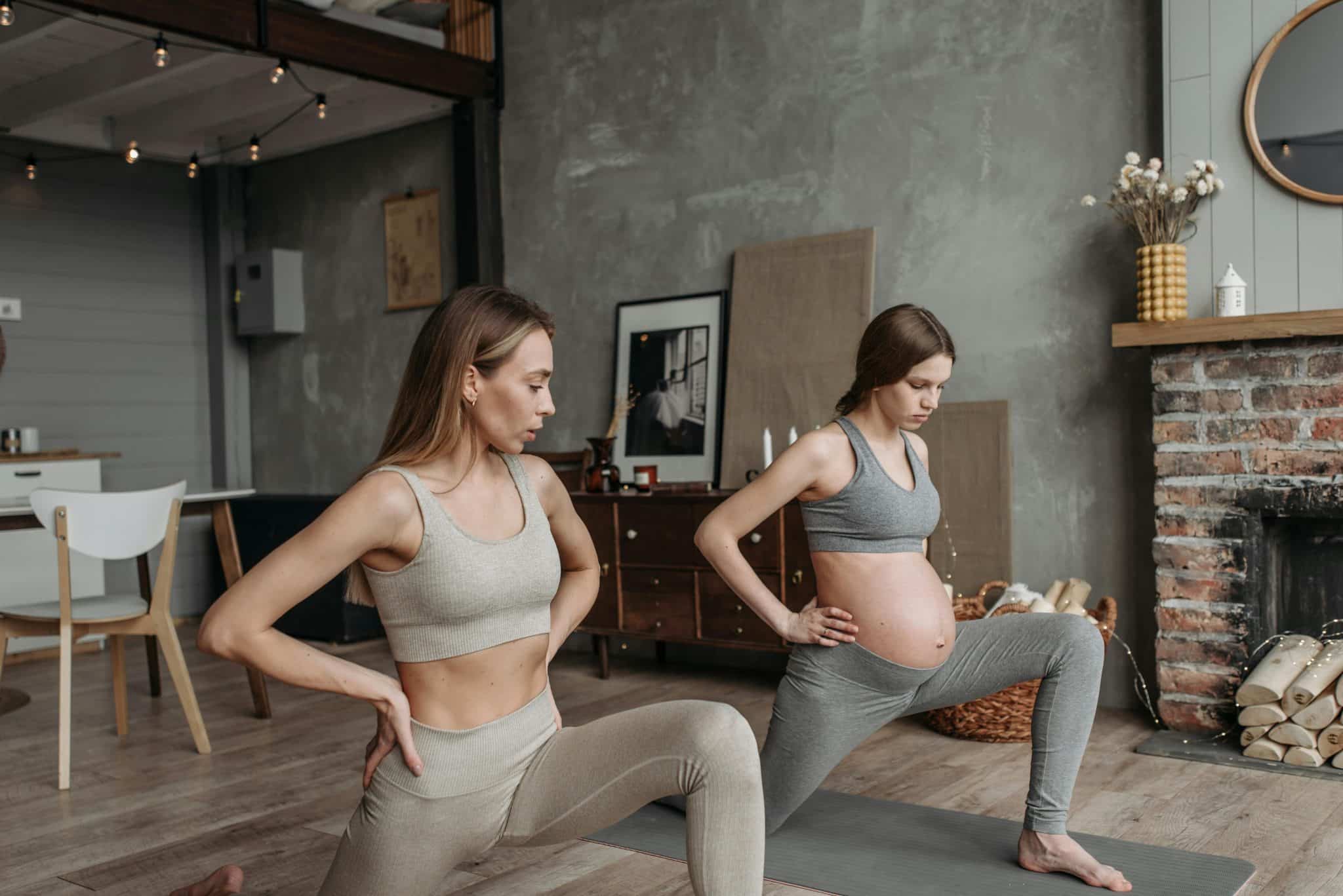
Prenatal stretching can help your body feel more open and ready as the due date approaches. Many parents want simple tools that provide gentle support while easing tension in the hips, pelvis, and lower back. A few easy-to-use items can add comfort and stability to your routine. This guide explains which tools help most during this period.
Some parents begin with items designed for the pelvic floor. A product such as the best perineal massage tool helps prepare delicate areas with slow, steady pressure. This gives you a better sense of your comfort levels. The tools in this guide focus on ease, safety, and simple support throughout prenatal care.
Perineal Tools Support Pelvic Preparation
A perineal tool can help you understand tightness, pressure limits, and body positioning during prenatal routines. It offers soft textures and simple shapes that support delicate areas. Brands such as Dr. Talbot’s show how these tools are usually designed for comfort. The goal is to reduce tension and support slow preparation without stress.
Steps for careful use
- Sit in a calm position
- Apply light, gentle pressure
- Adjust slowly based on comfort
You can look at examples similar to the best perineal massage tool to understand how shape and texture influence comfort. A smooth surface reduces irritation and encourages steady progress.
Yoga Blocks Add Helpful Support
Yoga blocks give you a steady height and support during hip-focused stretches. Many parents place blocks under their hands to reduce joint strain. Others use them under the knees during deeper stretches. These adjustments make difficult positions feel safer and easier.
Blocks come in different densities and sizes, which helps you select the level of support you want. They give you better control without forcing movement. This matters during pregnancy, when joint comfort becomes a priority. A single block can improve the feel of your entire routine and help you stay consistent.
Stretch Bands Improve Movement Control
Stretch bands help you add gentle tension without pushing your limits. They support slow hip openers and thigh stretches. A simple band also helps improve posture during seated routines. These small adjustments add comfort and stability during regular sessions.
Helpful band uses
- Light hip openers
- Seated leg extensions
- Pelvic-focused side movement
Bands are flexible, easy to store, and simple to clean. Many parents continue using them through each stage of pregnancy. They support comfort without the need for complex techniques and remain a favorite among those who prefer minimal tools.
Cushioned Mats Create a Safer Space
A comfortable mat protects your wrists, knees, and hips during deeper stretches. Prenatal routines feel better when you have a soft surface that absorbs pressure. Mats also increase stability, especially during wide positions that require balance.
Some mats feature textured tops for better grip. Others use thicker padding for sensitive joints. Choose a mat that supports your weight without sinking. The right surface encourages consistent practice and reduces discomfort, especially during longer routines that involve slow transitions.
Support Pillows
Support pillows help you adjust your posture during long, seated stretches. They raise your lower back or knees so your hips feel more stable. Many parents appreciate the security a cushion provides during side-lying positions when the body needs extra help.
These pillows also reduce pressure on the lower back and pelvic floor. Soft or firm options can work, depending on your comfort level. A simple pillow can make difficult stretches smoother and calmer. The added height or support improves relaxation and encourages steady breathing.
Handheld Rollers Ease Muscle Tension
Handheld rollers help relax tight areas around the hips, thighs, and outer legs. The movement offers a warm, steady sensation that prepares the body for further stretching. Many people use a roller to loosen the muscles before deeper routines.
Choose a roller with a smooth surface and a firm grip. A lightweight design helps you control pressure without strain. These tools store easily and only need a few minutes to make a difference. They offer simple support before or after your routine and help reduce tension from long hours of sitting.
Prenatal stretching becomes more comfortable when you use tools that support your posture, balance, and relaxation. A perineal tool offers unique help for the pelvic floor, while mats, pillows, blocks, bands, and rollers add comfort for the rest of your body. These items keep your routine simple and calm, so each session feels steady and manageable. The right combination of tools helps you stay consistent and confident as you prepare for birth in a gentle, supportive way, giving your body the steady care it needs throughout this stage.