
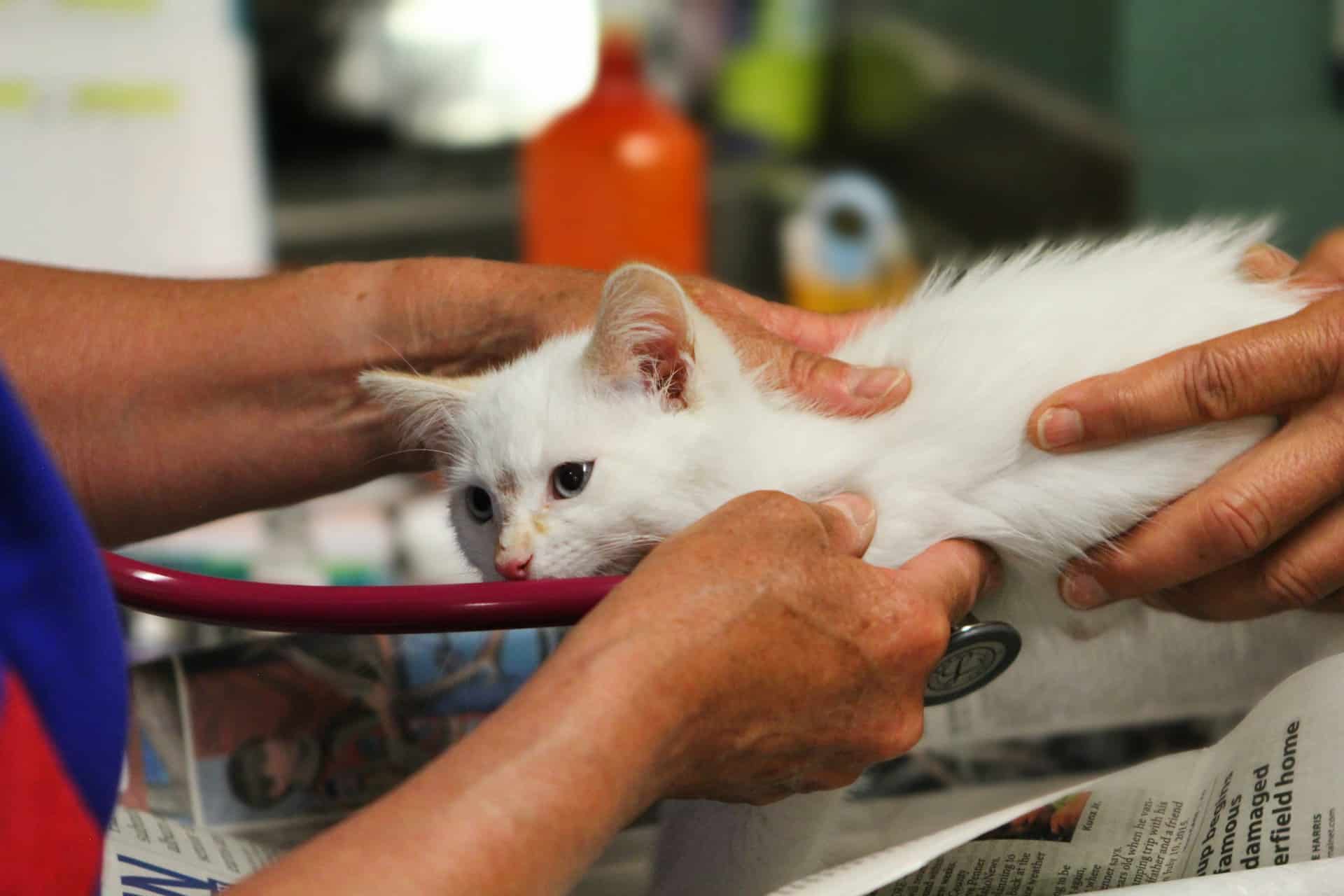
10 Signs Your Pet Needs Emergency Vet Care

Pets are beloved members of the family, and their health should never be taken lightly. Sometimes, conditions arise that require immediate medical attention.
Knowing the signs of a pet emergency can help you act quickly and potentially save your pet’s life. Whether you have a dog, cat, or other small animals, recognizing urgent symptoms is essential for responsible pet ownership.
1. Difficulty Breathing
Labored or rapid breathing, wheezing, or gasping for air are serious warning signs. Difficulty breathing can indicate respiratory infections, heart problems, or allergic reactions.
If your pet shows any of these symptoms, contact a veterinarian immediately. In some cases, families may consider options like at home euthanasia riverside ca for pets in severe distress, but urgent veterinary care is always the first step.
2. Persistent Vomiting or Diarrhea
While occasional upset stomachs can happen, persistent vomiting or diarrhea can lead to dehydration and signal underlying health issues. Monitor the frequency and severity, and seek emergency care if the symptoms continue or worsen, especially if accompanied by lethargy or blood in the stool.
3. Seizures or Uncontrolled Tremors
Seizures, shaking, or convulsions are signs of neurological distress or toxin exposure. Even a single seizure can be life-threatening. Immediate veterinary evaluation is critical to determine the cause and administer treatment.
4. Sudden Lethargy
If your pet becomes unusually weak, unresponsive, or struggles to move, it may indicate serious illness, anemia, or heart problems. Lethargy combined with other symptoms such as pale gums or labored breathing should prompt an urgent veterinary visit.
5. Severe Bleeding
Uncontrolled bleeding from injuries, gums, or the nose is an emergency. Even small cuts can become serious if blood loss is rapid. Apply gentle pressure and contact a vet immediately.
6. Swollen Abdomen
A bloated or distended abdomen could indicate dangerous conditions such as gastric torsion, internal bleeding, or organ failure. This is particularly common in large dog breeds. Quick medical intervention can be lifesaving.
7. Sudden Collapse or Fainting
If your pet collapses or faints without warning, it may signal heart problems, poisoning, or severe dehydration. Even if your pet recovers quickly, it is crucial to seek emergency evaluation to prevent future episodes.
8. Difficulty Urinating or Straining
Inability to urinate, blood in the urine, or excessive straining can indicate blockages, kidney problems, or infections. These conditions are often urgent, especially in male cats, and should be addressed by a veterinarian immediately.
9. Eye Injuries or Vision Loss
Cloudiness, redness, bleeding, or sudden vision loss can indicate trauma or serious eye infections. Quick veterinary attention can prevent permanent damage or blindness.
10. Severe Pain or Distress
Excessive whining, yelping, or other signs of intense pain indicate that your pet is suffering. Pets often hide discomfort, so noticeable distress is a strong indicator that medical care is necessary.
Taking Action
Emergency situations can be stressful, but knowing the warning signs helps you respond quickly. Keep the contact information of your regular vet and the nearest emergency animal hospital handy.
Observing and documenting your pet’s symptoms, as well as performing daily health checks, can assist the veterinarian in providing faster and more accurate care. While preventive care and regular check-ups are essential, emergencies can happen unexpectedly, and preparation is key.
Recognizing these ten signs ensures that your pet receives timely and effective medical attention. Acting promptly can save lives, reduce suffering, and maintain the wellbeing of your beloved companion.