Plumber In High Point NC Shares DIY Maintenance For Home’s Plumbing System

We are all guilty of taking our plumbing systems for granted. We don’t think about them until something goes wrong, and we have learned that this is the normal way of doing things. Oh, but it isn’t. The truth is that a lot of plumbing problems can actually be prevented with proper maintenance. Meaning, thus, that it is precisely the fact that we are taking these systems for granted that is actually causing problems. So, we can change that, can’t we?
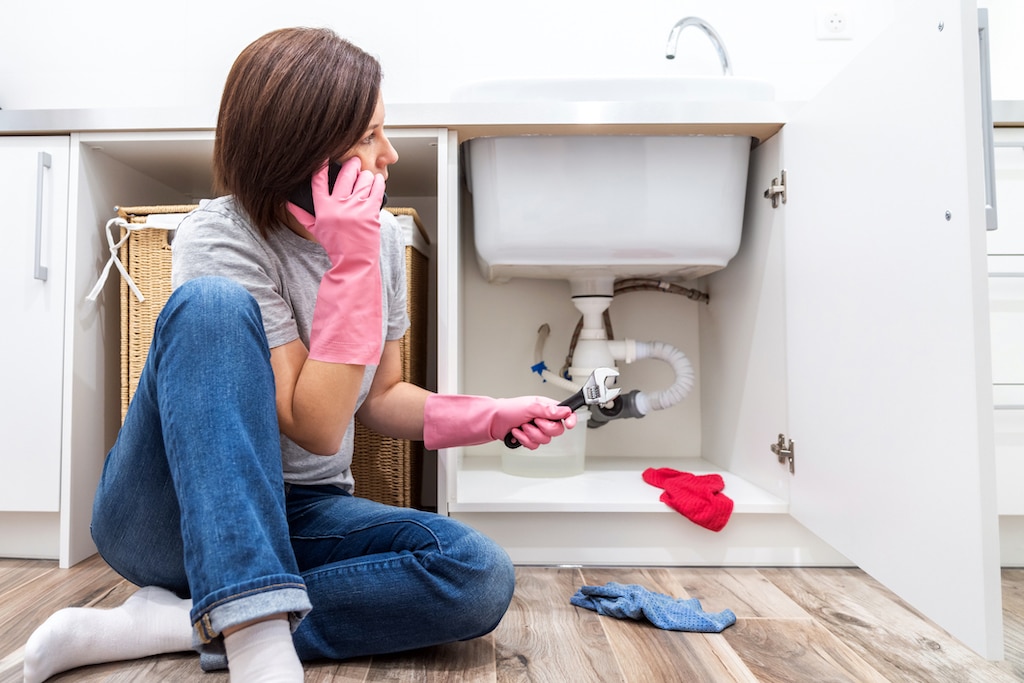
The question is how. How can we maintain our plumbing systems, and thus potentially prevent some problems from occurring? Well, that is what we are here to find out today. According to the experienced plumbers from Wright Choice Plumbing in High Point, North Carolina, there are some DIY habits that you can incorporate and that can go a long way in keeping the system running smoothly, thus avoiding some expensive repairs. Keep on reading, therefore, to find the tips shared by those professionals, so that you can learn what it is that you have to do in order to maintain your plumbing system.
Keep the Drains Clean
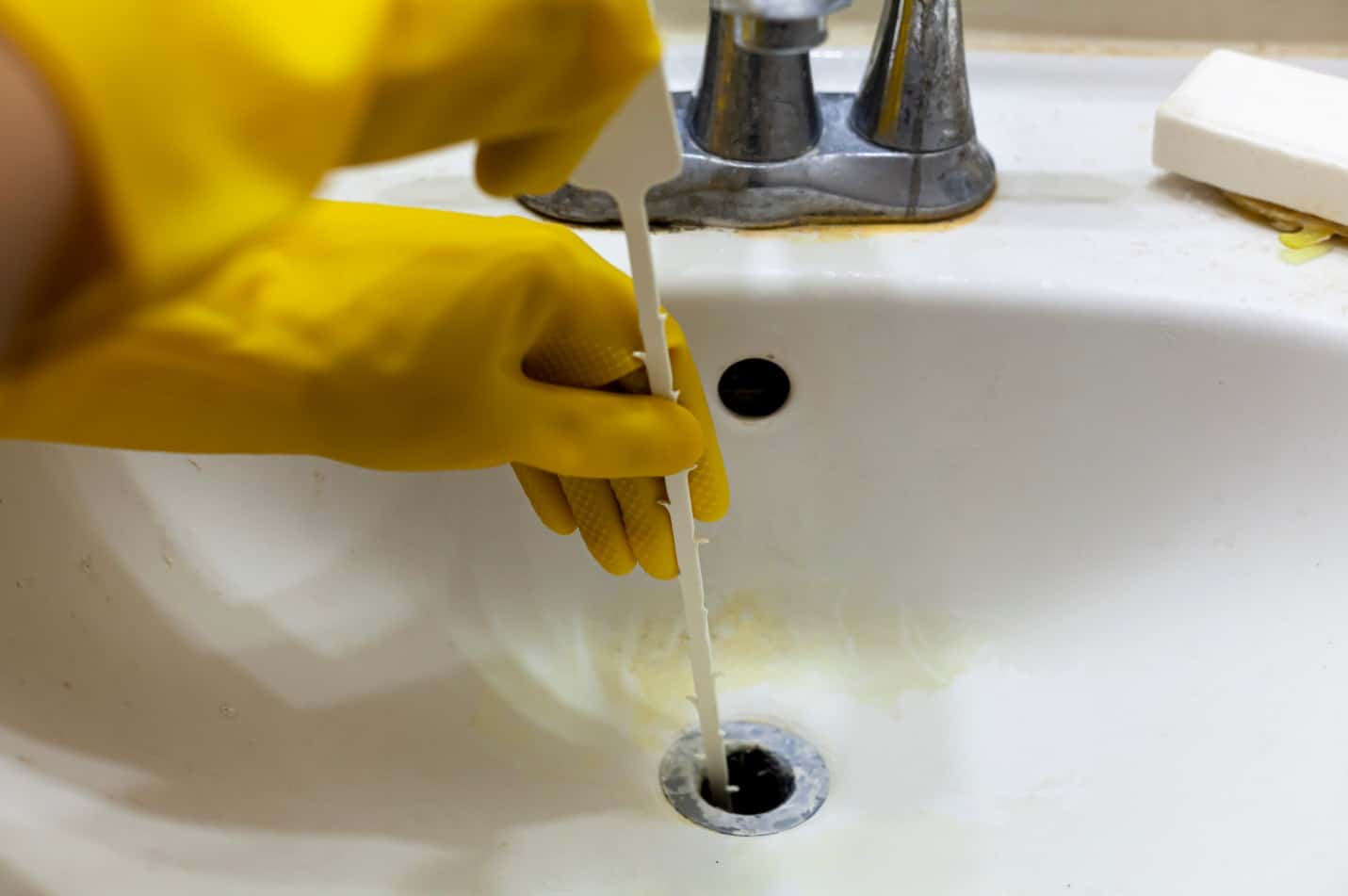
Let us begin with the very basics here. As you probably already understand, clogged drains are one of the most common plumbing issues, but they also happen to be among the easiest to prevent. Clogs happen due to grease and food scraps, hair and soap buildup, as well as foreign objects accidentally being flushed. So, being mindful of what goes down the drains is important. Use drain strainers to catch the debris, and avoid pouring grease and oil down the sink.
Furthermore, you can do some DIY drain cleaning from time to time. Flushing the with hot water on a monthly basis is a good tip. Then, you can pour some baking soda followed by vinegar and use that as a natural cleaning solution. Let that sit for 10 or 15 minutes and then rinse with hot water. What you should do is avoid chemical drain cleaners, as those can damage the pipes over time.
Know Where the Shut-Off Valves Are
Now, no matter how much care you take of your plumbing system, some emergencies can happen from time to time. And if and when they do, it is important for you to know how to shut off the water supply quickly, so as to prevent major damage. This is why you have to know where the shut-off valves are, including the main water shut-off valve, as well as individual fixture shut-offs located under the sinks and behind the toilets. This is essential because, if a pipe bursts or one of the fixtures fails, you can quickly stop the water flow before it causes some serious damage. And, of course, remember to test those valves once or twice during the year, to ensure that they are working properly.
Here are some more preventative maintenance tips you may want to use: https://www.angi.com/articles/6-plumbing-maintenance-tips-your-home.htm
Maintain the Water Heater
It is easy to forget that your water heater is actually an essential part of the overall plumbing system, given that we usually think of pipes and fixtures such as faucets and toilets when someone mentions any kind of plumbing. But, that would be a mistake, because ignoring it can lead to some serious problems. After all, your water heater works quite hard every single day, and if you don’t maintain it, that can significantly reduce its lifespan, as well as efficiency.
What can you do, though? Well, you can flush the tank once a year in order to remove the sediment buildup. Then, you should regularly check for any kinds of leaks or corrosion, as well as test the pressure relief valve. All of this is important because sediment buildup can reduce heating efficiency, as well as shorten the lifespan of the unit. And, if you’re already noticing inconsistent hot water or some unusual sounds, that may be a sign that it is time for a professional inspection.
Watch What You Flush
People often tend to flush some things down the toilet that are not meant to be flushed. This is, however, a huge mistake. And a simple change in habits can make a huge difference in the lifespan of the toilet, as well as in preventing some plumbing issues. So, you should never flush things like wipes, paper towels, feminine hygiene products, cotton swabs and similar, as those don’t break down properly, which can eventually cause some serious blockages.
Monitor the Water Pressure
Have you ever thought of monitoring your water pressure, or has this simply been something that is the way that it is, and there’s nothing you can do about it? Well, if it is the latter, I get it, we’ve all taken this for granted, and none of us really think that much about the pressure until it gets too low, which is a clear sign that something is wrong. But believe it or not, too high of a water pressure is also a problem, so you should be mindful of that as well.
To put it simply, too high a water pressure can strain your plumbing system and lead to leaks or pipe damage. So, use a simple pressure gauge regularly to measure this. And if the pressure is too high, you may want to install a pressure regulator that can help you protect the system. Read more about what you can do to protect your plumbing system.
Schedule Preventative Inspections and Maintenance
Now, sure, you’ve been reading some DIY tips provided by professionals, and you should definitely use those to your advantage. Here is the thing, though. DIY maintenance can go a long way, but regular professional preventative inspection and maintenance are still important. In short, you want a professional plumber to inspect your system from time to time, as they will be able to identify any kinds of hidden issues, to check the pipes and the connections, as well as to ensure that everything is up to code. So, take your time to find and partner up with a great plumber in your area and remember to schedule regular inspections.