Learning to Slow Down: What France Teaches Visitors About Time

One of the quiet shocks of arriving in France is not the language or the food, but the pace. Things take longer than you might expect, and no one seems particularly bothered by that. Coffee is not served in takeaway cups by default. Shops close in the middle of the day. Lunch stretches on. At first, it can feel inefficient. Then, slowly, it starts to feel intentional.
France has built everyday life around the idea that time is something to inhabit, not something to conquer. For visitors used to optimisation and urgency, this can be unsettling. It can also be transformative.
Time Is Structured Around Life, Not Productivity
The French day is organised in blocks that prioritise living. Work exists, of course, but it does not swallow everything around it. Lunch is a protected space, often lasting an hour or more. Emails slow down during this window, and many small businesses close entirely. This is not laziness or indulgence. It is a social agreement that people deserve uninterrupted time to eat, talk, and reset.
The same applies in the evening. Dinner is rarely rushed, even on a weeknight. Families sit down together. Courses arrive one after another. Conversation matters as much as what is on the plate. Time is given shape through routine, not shaved down to its most efficient form.
Waiting Is Not Treated as a Problem to Solve
In many places, waiting is framed as a failure of systems. In France, it is often accepted as part of the experience. You wait for your table. You wait for the bill. You wait while the person ahead of you chats with the shopkeeper.
This waiting does something subtle. It forces you to stop scanning ahead, to stop multitasking. Instead of filling every pause with a phone, you observe. You notice how people speak to each other, how they occupy space. The absence of urgency creates room for awareness.
For visitors, this can be uncomfortable at first. But over time, it loosens the habit of constant forward motion. You stop trying to get through the day and start moving within it.
Meals Redefine the Relationship With the Clock
Meals in France are not squeezed between obligations. They are obligations in themselves. A proper lunch or dinner takes time by design. Courses are spaced out. There is no expectation to leave quickly once the plates are cleared.
This changes how the rest of the day feels. When a meal takes ninety minutes, everything around it slows to accommodate that reality. You stop stacking tasks back to back. You plan less. You accept that not everything needs to fit.
For visitors, this often becomes the moment when the pace shift clicks. The realisation that time expands when you stop trying to compress it.
Leisure Is Integrated, Not Earned
One of the most striking differences is how leisure is treated. In France, leisure is not framed as a reward for productivity. It is a normal part of life. A walk after dinner. A long coffee with a friend. Sitting in a park with no agenda.
These moments are not optimised or justified. They are simply taken. This removes the guilt that often surrounds rest in faster cultures. When rest is expected, it becomes easier to actually rest.
Visitors often find themselves doing less but feeling fuller at the end of the day. Not because they accomplished more, but because they were more present for what they did do.
Public Spaces Encourage Lingering
French cities and towns are built for staying, not just passing through. Benches are plentiful. Cafés spill onto sidewalks. Parks are designed for sitting, not just walking.
This architecture supports a slower relationship with time. You are invited to pause. To sit and watch. To exist without a destination. When the environment encourages stillness, it becomes easier to adopt it.
Visitors notice this quickly. The urge to keep moving fades when there is somewhere pleasant to stop.
Conversations Are Allowed to Unfold
Conversation in France often follows its own rhythm. Interruptions are fewer. Silences are tolerated. Topics wander.
This has a direct effect on time perception. When conversation is not rushed toward a conclusion, it deepens. You lose track of the clock because the interaction itself becomes the focus.
For visitors, this can be one of the most disarming lessons. That time spent talking is not time wasted. It is time well used.
What Visitors Take Home With Them
Most people do not consciously set out to learn about time when they visit France. It happens indirectly, through repeated exposure to a different set of priorities. Over a few days or weeks, habits soften. Meals stretch. Plans loosen. The need to fill every hour fades.
By the end of the trip, many realise that the most memorable moments were not the packed itineraries, but the unplanned ones. The long lunch. The evening walk. The conversation that ran late.
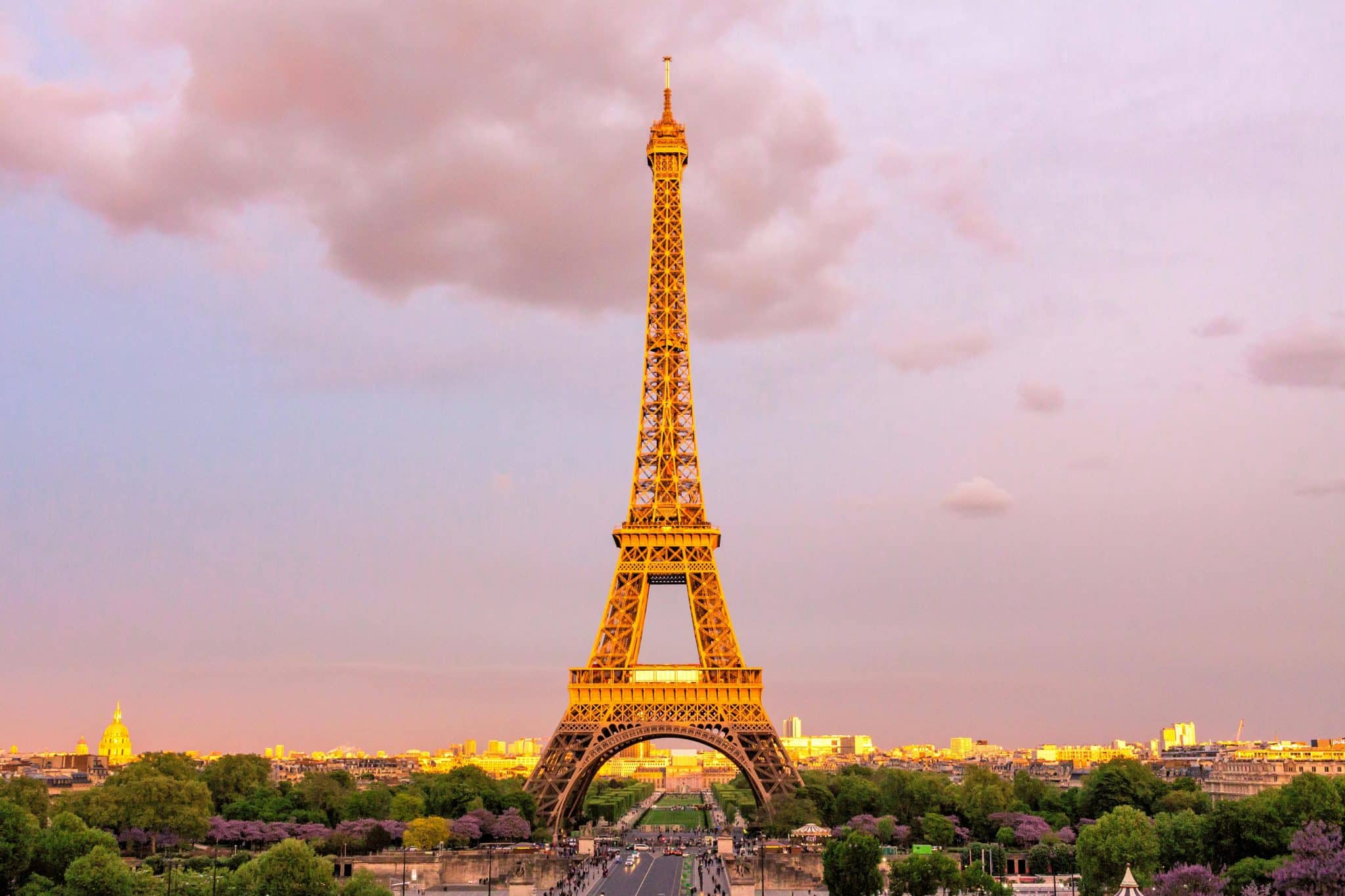
In that sense, some of the things to do in France are not activities at all, but lessons in how to be somewhere without rushing through it. What France offers is not just places to see, but a different way of experiencing time itself.