How to Make a Tiny Laundry Room Feel Twice as Big

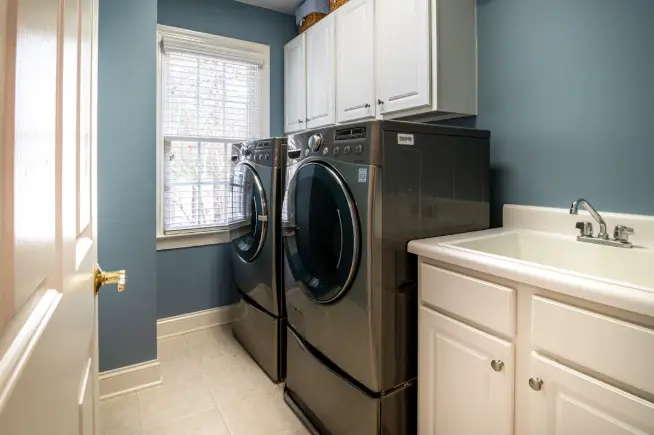
In Phoenix, many homes make room for open kitchens and larger living areas, which often leaves the laundry room tight and overlooked. You may find your washer and dryer squeezed into a narrow space with barely enough room to turn around. When baskets pile up and shelves feel crowded, doing laundry becomes more stressful than it needs to be. A small laundry room can feel even smaller when the layout does not work. The good news is you do not need more square footage to fix the problem. With smart planning and a few practical changes, you can make your tiny laundry room feel twice as big and much easier to use every week.
Rethink the Layout for Better Flow
Small laundry rooms often feel cramped because the layout blocks movement. Measure the space carefully and study how you move through it. If your machines sit side by side and leave no walking room, stacking them may open up valuable floor space. If plumbing allows, shifting appliances to one wall can create a clearer path. Check how the doors open and whether they limit your steps. Even moving a hamper to another corner can improve flow. When you can move without bumping into things, the room instantly feels larger and easier to use.
Clear the Room Before You Improve It
Before you buy shelves or move appliances, take everything out of the room and sort it. Many laundry rooms double as storage for tools, old paint cans, bulk paper goods, or random boxes. These items take up space you need for daily tasks. Keep only what supports your laundry routine. Store extra supplies somewhere else so the room can focus on one purpose. Some homeowners even move overflow items into local Phoenix Arizona storage units to free up tight utility spaces at home. Once you remove what does not belong, you will see the room more clearly. A clean starting point helps you plan better and avoid adding more clutter later.
Build Up Instead of Out
When floor space is limited, look up. Install tall cabinets that reach close to the ceiling to store less-used items. Add open shelving above your washer and dryer for everyday supplies. Use slim vertical pull-out units between appliances if you have a small gap. Wall-mounted drying racks also free up the floor. Vertical storage keeps surfaces clear and prevents clutter from spreading. The more you lift off the ground, the more open the room feels. Using height wisely turns wasted wall space into practical storage without making the room feel crowded.
Brighten the Room to Expand It
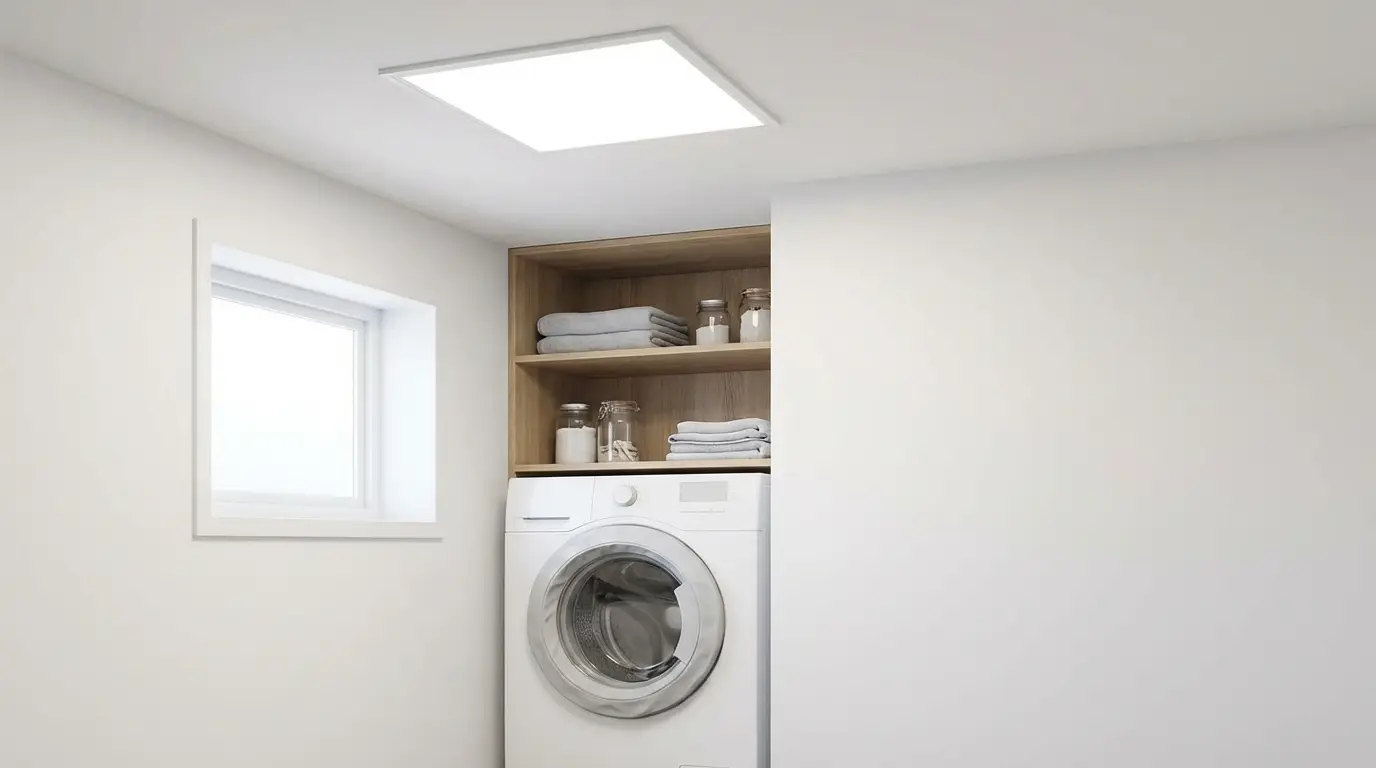
Lighting plays a big role in how large a room feels. A single dim bulb can create shadows that make the walls feel closer than they are. Replace weak lighting with bright LED fixtures that spread light evenly. Add under-cabinet lighting to brighten work areas where you fold or sort clothes. If the room has a window, keep window coverings simple so natural light can enter. Choose light wall colors that reflect light instead of absorbing it. Clean walls and ceilings also help light bounce around the room. When you remove dark corners and brighten surfaces, the entire space feels more open and less confined.
Add a Slim Folding Surface That Works Hard
A folding area makes laundry easier, but bulky tables can block movement in a small room. Instead, install a narrow countertop over front-loading machines. Many manufacturers design front-loaders to support counters when installed correctly. If you have top-loading machines, consider a wall-mounted drop-down table. You can fold it flat when not in use. Choose moisture-resistant materials such as laminate or sealed wood since laundry rooms deal with humidity. Keep the depth between 18 and 24 inches to avoid crowding the space. A dedicated surface prevents clothes from piling up on machines or the floor. When everything has a clear spot, the room stays organized and feels more open.
Put Your Walls to Work Every Day
Empty wall space offers storage without reducing floor area. Install sturdy hooks for laundry bags, brooms, and ironing boards. Mount a small hanging rod for air-drying delicate clothes. Many wall rail systems allow you to adjust hooks and baskets as your needs change. Secure shelves into wall studs to support the weight safely. Avoid overloading drywall anchors with heavy items. Use the back of the door for slim racks if the door swings outward. By moving tools and supplies onto the wall, you clear the floor and reduce clutter. This simple shift improves movement in the room and makes daily tasks easier to manage.
Upgrade the Door for Better Access
Standard swinging doors take up more space than most people realize. When a door opens inward, it reduces usable floor area and limits where you can place shelves or hampers. If possible, replace it with a sliding barn-style door mounted on an exterior track. For remodels, a pocket door saves even more space because it slides into the wall. Make sure there is enough wall width to support the change before starting. If privacy is not a concern, you can remove the door and use a simple curtain. Better door access improves traffic flow and makes the room feel less boxed in.
Keep the Floor Clear and Easy to Clean
Floor space strongly affects how large a room feels. Avoid oversized hampers that block walking paths. Choose slim or stackable baskets that fit under counters or inside cabinets. Rolling carts work well if they slide neatly between machines and walls. Secure cords and hoses so they do not trail across the floor. A smooth, light-colored floor surface reflects more light and feels less heavy than dark finishes. Keep rugs minimal and low profile to prevent crowding. When you maintain open floor space, you create a clear walking path. This makes the room feel wider and helps you move safely while carrying laundry loads.
A tiny laundry room does not need more square footage to feel larger. It needs better planning and smarter use of the space you already have. When you clear out extra items, improve the layout, build upward, upgrade lighting, and keep the floor open, the room becomes easier to use. Simple changes such as adding a folding surface or switching the door style can improve movement right away. The key is to focus on function and remove what slows you down. With thoughtful updates and steady habits, even the smallest laundry room can feel organized, practical, and comfortable every day.