How to Keep Your Skin Healthy in Your 40s and 50s

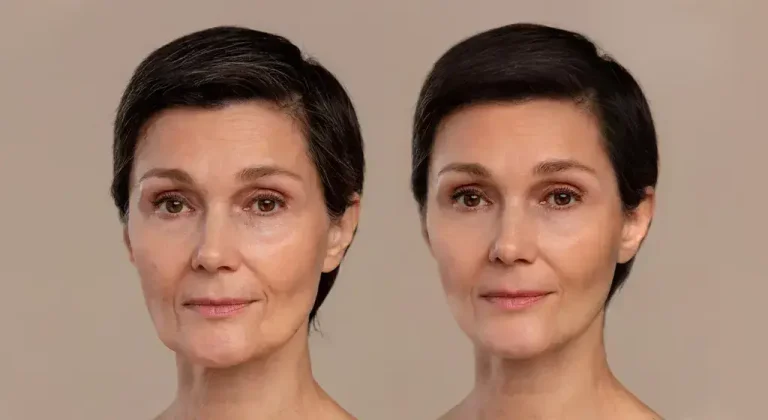
Aging is a natural process, but the way skin changes in our 40s and 50s can feel sudden for many people. During these decades, collagen production slows, skin becomes thinner and drier, and fine lines or pigmentation may appear more noticeable.
Maintaining healthy skin at this stage is not about chasing perfection; it is about supporting the skin with the right habits, products, and professional care. By understanding the biological shifts occurring, you can adapt your routine to keep your complexion vibrant and resilient.
Why Skin Changes After 40
To effectively care for your skin, it helps to understand what is happening beneath the surface. Several key factors contribute to the visible changes during these years:
Natural Collagen Loss
Collagen production declines significantly after the mid-30s. This structural protein is what keeps skin “bouncy”; its reduction leads to reduced skin firmness and the appearance of fine lines or sagging.
Slower Skin Cell Turnover
In our youth, skin cells renew quickly. As we age, this process slows down. Dead skin cells accumulate on the surface, which can make the complexion look dull or uneven.
Decreased Oil Production
The sebaceous glands become less active over time. While this might mean fewer breakouts, it often leads to chronic dryness, increased sensitivity, and a more fragile skin barrier.
Hormonal Changes
Hormonal shifts, especially during perimenopause and menopause, have a profound impact. A drop in estrogen levels can affect skin thickness, elasticity, and the skin’s ability to retain hydration.
Daily Habits That Support Healthy Skin
Consistency is the most powerful tool in your skincare arsenal. Implementing these foundational habits can make a significant difference in how your skin ages.
Prioritize Sun Protection
Sun exposure remains one of the leading causes of premature skin aging. UV rays break down collagen and trigger age spots. Daily sunscreen use is non-negotiable; it helps prevent further wrinkles and protects the skin’s remaining structural integrity.
Maintain a Consistent Skincare Routine
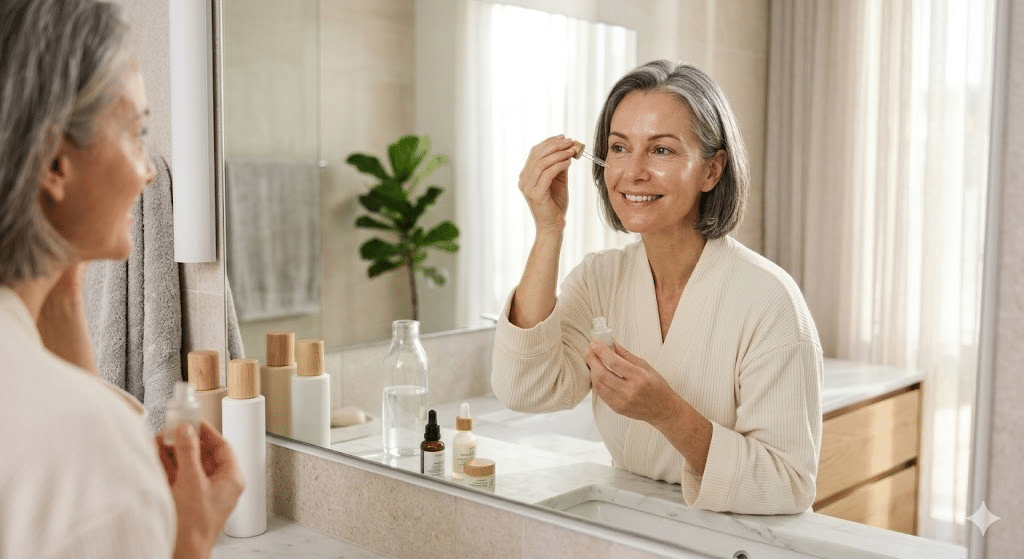
A simple, high-quality routine often works better than a complicated one that irritates the skin.
Advanced Morning Routine
- Cleanse
- Essence
- Serum
- Eye cream
- Moisturize
- Face oil (optional)
- Apply SPF
Advanced Night Routine
- Cleanse
- Exfoliate (as needed)
- Essence
- Serum
- Eye cream
- Moisturize
- Face oil (optional)
Support Skin Through Lifestyle

Healthy skin is closely connected to overall wellness. The following habits support the skin’s natural repair and regeneration processes:
- Hydration and the Internal Moisture Barrier
Drinking at least 8 glasses of water daily is essential for maintaining skin elasticity and a supple texture. Proper hydration keeps the skin barrier resilient, whereas dehydration leads to a tight, sallow appearance and makes fine lines more visible.
- Diet and Fueling the Glow with Nutrients
Your skin reflects your nutrition; antioxidants, Omega-3s, and vitamins found in berries and leafy greens act as an internal defense. These nutrients protect against UV damage and strengthen the skin’s lipid barrier to lock in a natural, healthy glow.
- Sleep and the Natural Repair Cycle
Quality sleep of 7–8 hours is the body’s primary window for cellular repair and regeneration. During deep rest, increased blood flow and growth hormones fix daily environmental damage, preventing the inflammation and puffiness associated with sleep deprivation.
- Avoid Smoking to Protect Your Collagen Bank
Smoking rapidly degrades collagen and elastin, the proteins responsible for skin firmness. By restricting blood flow and starving the skin of oxygen and Vitamin A, tobacco causes premature aging that can be avoided by maintaining a smoke-free lifestyle.
- Manage Stress for the Cortisol Connection
High stress levels trigger cortisol, a hormone that breaks down collagen and can cause adult acne or sensitivities. Managing stress through simple relaxation techniques keeps your internal environment balanced, allowing your skin to remain clear and resilient.
Skincare Ingredients That Matter in Your 40s and 50s
When reading labels, look for these “gold standard” ingredients specifically suited for mature skin:
| Ingredient | Primary Benefit |
|---|---|
| Retinol | Encourages cell turnover; improves fine lines and texture. |
| Hyaluronic Acid | A powerful humectant that helps skin appear plumper and hydrated. |
| Vitamin C | Supports collagen production and brightens uneven skin tone. |
| Peptides | Chains of amino acids that support skin structure and elasticity. |
| Ceramides | Fatty acids that strengthen the skin barrier and prevent moisture loss. |
Choosing products that combine these ingredients can significantly improve skin resilience and appearance.
Professional Treatments That Can Support Skin Health
While a solid home routine is essential, many individuals in their 40s and 50s explore professional treatments for deeper rejuvenation.
Professional procedures can reach deeper layers of the skin than over-the-counter creams. Popular options include:
- Microneedling: Triggers the body’s natural healing response to boost collagen.
- Laser Skin Rejuvenation: Targets pigmentation and improves overall texture.
- Chemical Peels: Remove damaged outer layers to reveal fresher skin.
- Collagen-stimulating procedures: Injectables or heat-based therapies designed to restore volume and firmness.
Many of these procedures are offered at medical spas, where licensed professionals combine cosmetic artistry with medical oversight. When choosing a clinic, look for operations that demonstrate a commitment to safety and organization — Marc Pamatian, Chief Bookkeeping Officer
High-quality clinics typically maintain strong operational standards behind the scenes. This includes proper documentation and organized business systems, such as professional med spa bookkeeping, which ensures that patient records, inventory, and safety protocols are managed responsibly. These details reflect a clinic’s dedication to patient care and long-term results.
Making Informed Choices for Long-Term Skin Health
Healthy skin in your 40s and 50s is not about reversing time but about supporting your skin’s changing needs with grace and intelligence. With consistent daily care, the right ingredients, and thoughtful professional guidance when necessary, it is entirely possible to maintain skin that feels strong, vibrant, and well-cared for.
Frequently Ask Questions
How does skin typically change in your 40s and 50s?
As people enter their 40s and 50s, the skin naturally produces less collagen and elastin, which can lead to fine lines, reduced firmness, and increased dryness. Cell turnover also slows down, making the skin appear dull or uneven. These changes are a normal part of aging, but the right skincare routine and healthy lifestyle habits can help maintain skin vitality.
What skincare ingredients are most beneficial after 40?
Ingredients such as retinol, vitamin C, hyaluronic acid, peptides, and ceramides are commonly recommended for mature skin. Retinol supports cell turnover, vitamin C helps brighten the complexion, and hyaluronic acid improves hydration. Peptides and ceramides help strengthen the skin barrier and support elasticity.
How often should you exfoliate in your 40s and 50s?
Exfoliation can help remove dead skin cells and improve skin texture, but it should be done carefully. For most people, exfoliating one to three times per week is sufficient. Over-exfoliating can damage the skin barrier and lead to irritation, especially as skin becomes more sensitive with age.
Can professional skin treatments help improve skin health after 40?
Yes, many people choose professional treatments such as chemical peels, microneedling, or laser therapies to support skin rejuvenation. These treatments can help stimulate collagen production, improve skin texture, and address concerns such as uneven tone or mild skin laxity when performed by qualified professionals.