How to Design a Pet-Friendly Backyard Without Sacrificing Style

Designing a pet-friendly backyard without sacrificing style starts with intentional planning, not oversized barriers. Focus on smart zoning, durable finishes, and discreet safety solutions that blend into the landscape. The right strategy protects your pets while preserving the visual flow of your outdoor space.
Today’s backyard is no longer an afterthought. It functions as an outdoor living room, a gathering space, and a visual extension of the home’s interior design. If you’re thinking about how your outdoor areas will feel and function together, inspiration from these backyard entertainment area ideas can help you plan zones that balance beauty and use. The challenge is creating an environment that feels curated and cohesive while still accommodating energetic pets. With thoughtful design decisions, you can strike that balance beautifully.
Start With Zoning, Not Fencing
Strong outdoor design begins with clear spatial planning. Define purposeful zones for lounging, dining, play, and planting. When each area has a clear function, pets naturally adapt to the rhythm of the space. Structure reduces chaos before restrictions are even introduced.
Use subtle design tools to establish boundaries. Low hedges, layered planters, gravel transitions, and slight grade changes signal movement without feeling restrictive. Pergolas anchor seating areas. Stone pathways guide traffic and prevent worn lawn trails. These elements create order while maintaining openness.
Once zones are clearly defined, you may find you need less visible containment than expected. Instead of enclosing the perimeter with heavy fencing, some homeowners opt for discreet solutions such as an electric dog fence to preserve sightlines. This approach maintains safety while protecting the architectural integrity of the yard.
Choose Durable Materials That Still Look Refined
Pets accelerate wear and tear. Claws scratch decking. Moisture creates mud. Repetitive traffic thins grass. The key is selecting materials engineered for durability but elevated enough to support a polished outdoor aesthetic.
- Invest in resilient ground surfaces. Composite decking, sealed natural stone, and high-quality pavers resist scratches and staining. Stabilized gravel performs well in high-traffic play zones.
- Select performance-grade textiles. Choose fade-resistant, water-repellent outdoor fabrics with subtle texture. They conceal fur and minor scuffs while maintaining a refined look.
- Prioritize drainage and turf strength. Proper grading prevents pooling water. Consider hardy grass blends or structured ground covers that recover quickly from activity.
Durability should feel seamless, not industrial. When materials are chosen strategically, maintenance becomes minimal and the design remains sophisticated season after season.
Integrate Safety Features That Stay Invisible
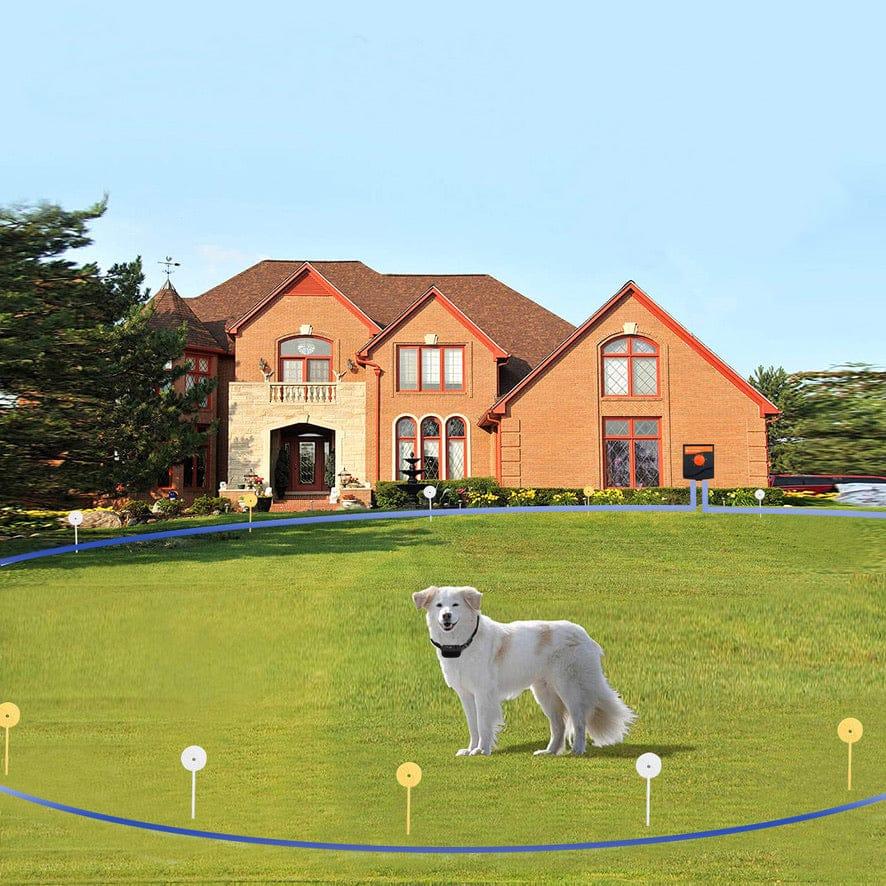
Well-designed safety features protect without announcing themselves. Bulky barriers interrupt views and make a yard feel smaller. Modern solutions prioritize subtlety.
Secure obvious hazards first. Install self-closing gate hinges. Use low-profile pool barriers where necessary. Add pathway lighting for evening visibility, selecting fixtures that align with your home’s exterior finishes. If you want to create a cozy outdoor atmosphere that feels both safe and stylish, these cozy backyard ideas also offer lighting and layout tips that help define safe zones and extend use into the evening.
For open-concept yards, discreet containment systems offer flexibility. An electric dog fence can establish consistent boundaries without altering the visual perimeter. When properly installed and calibrated, it preserves clean lines and uninterrupted landscaping while keeping pets safely within designated areas.
Design Landscaping With Pets in Mind

Landscaping is where design and functionality intersect most visibly. Plant selection, layout, and layering all influence how well a yard holds up to daily pet activity. Thoughtful planning protects both your investment and your animals.
- Choose non-toxic, resilient plantings. Avoid known hazards like lilies, azaleas, and sago palms. Opt for hardy, pet-safe options such as lavender, rosemary, and ornamental grasses.
- Create intentional circulation paths. Use stepping stones or gravel walkways to guide movement and prevent spontaneous dirt trails.
- Protect delicate areas with elevation. Raised beds and subtle decorative edging discourage digging while adding architectural depth.
When landscaping is structured with pets in mind, it stays healthier, fuller, and visually balanced throughout the year.
Maintain a Clean, Cohesive Look Year-Round
Even the best design loses impact without maintenance. Pet gear, seasonal debris, and daily use can quickly disrupt visual harmony. Consistency keeps the space feeling intentional.
Incorporate discreet storage solutions near high-use zones. Deck boxes, built-in bench seating, and concealed cabinets prevent clutter. Designate a single area for leashes, toys, and grooming tools. Install an outdoor rinse station or hose connection to reduce dirt entering the home.
Schedule small seasonal resets. Trim overgrowth. Refresh mulch. Reseal wood surfaces as needed. Replace worn cushions before they affect the overall aesthetic. Regular upkeep preserves both function and design integrity.
Conclusion
A pet-friendly backyard does not require compromise. With strategic zoning, durable finishes, and subtle safety solutions, you can create a space that feels open, refined, and cohesive.
When design decisions are intentional from the start, maintenance becomes easier and daily life flows more smoothly. Pets stay safe. Landscaping remains intact. And your backyard continues to reflect the same thoughtful style as the rest of your home.