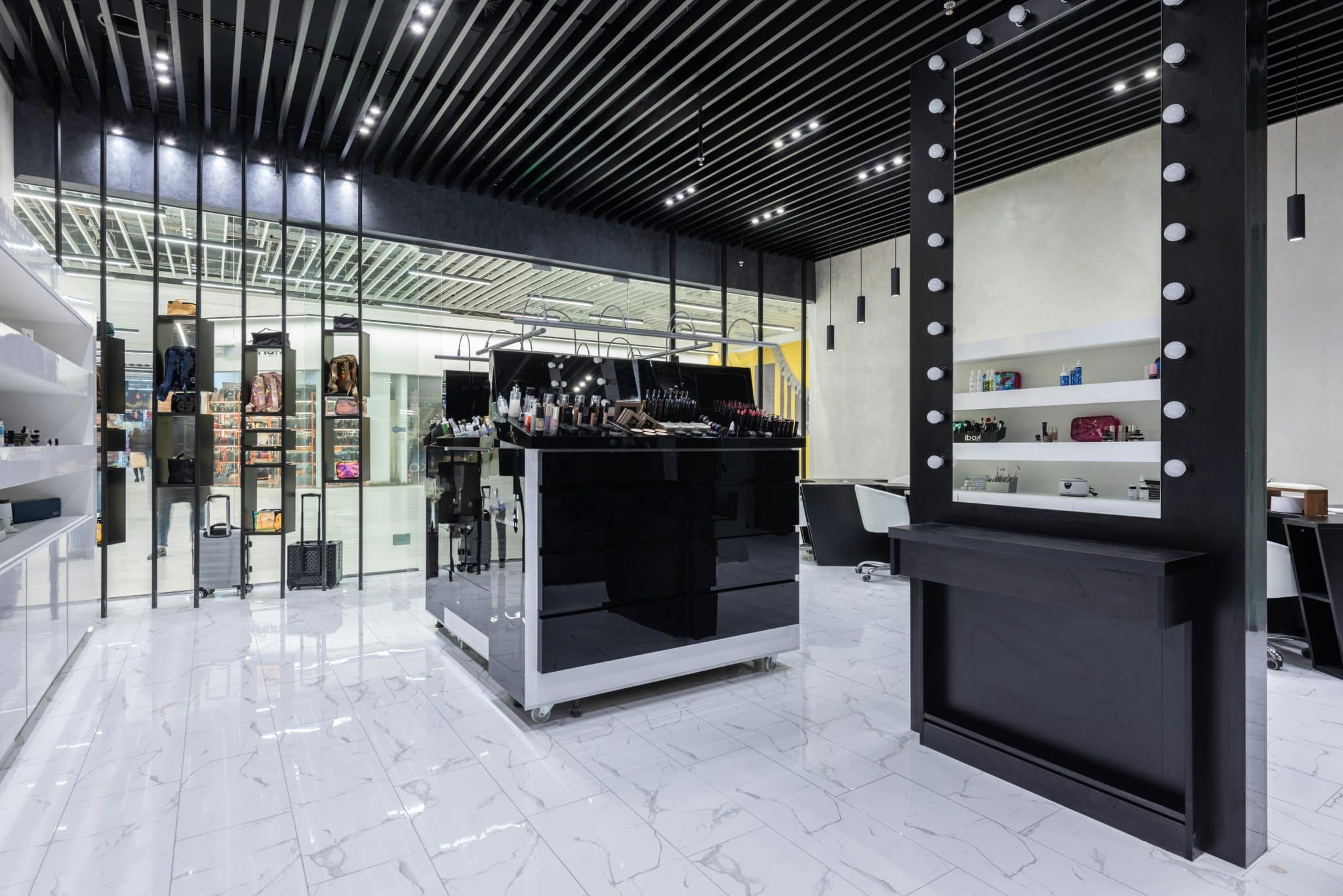
How to Design a Large Retail Store

Designing a large retail store requires both creativity and strategy. You need to think about how customers move through the space, where products are placed, and how to showcase your brand. A welcoming environment is key to getting shoppers to explore and make purchases. In a competitive retail market, creating an engaging experience is essential.
The retail world has changed significantly, so store designs need to align with modern shopping habits. This includes using technology and optimizing layouts. Whether through the store’s look or the products displayed, design plays a crucial role in how customers feel.
Layout and Flow
The layout of a large retail store is vital for guiding customers around. A clear flow encourages exploration and creates a sense of discovery. Open areas with defined paths help shoppers navigate easily and avoid congestion. Consider using a mix of wide aisles and cozy nooks to highlight unique products.
Creating specific zones for categories like clothing or electronics helps customers focus without getting overwhelmed. Modular shelving can adjust for seasonal items or new launches, keeping the layout fresh.
Lighting and Ambiance
Lighting is a key element in creating a retail store’s atmosphere. Good lighting highlights products and affects shoppers’ moods. Use a mix of general, task, and accent lighting to create a warm, inviting feel. Natural light is also appealing, so add windows or skylights where possible.
Colours play an important role, too. Warmer colours can make a space feel friendly, while cooler colours give a modern vibe. Choose colour palettes that match your brand and attract your target customers to foster an emotional connection.
Walk-Through Metal Detector
Adding a walk through metal detector to a large retail store can improve safety for customers and staff. These detectors help create a secure shopping environment while allowing easy entry and exit. Placing them at entrances creates a welcoming feeling while ensuring security.
These systems work quietly in the background, so customers can enjoy shopping without interruptions. Many shoppers feel reassured by security measures, which enhance their comfort while they browse. Safety enhances the shopping experience and shows a commitment to customer security.
Product Display
How you display products can greatly affect buying decisions. Use attractive displays to catch customers’ eyes and drive sales. Themed merchandising or seasonal setups can highlight items and create focal points in the store. Interactive displays encourage shoppers to engage with products, deepening their connection.
Also, think about placing impulse buys near checkout lines or entrances. This encourages small purchases when shoppers are already in a buying mood. Mixing product types, such as accessories with clothing or gadgets with lifestyle items, can inspire customers to think beyond their initial choices.
Customer Experience Areas
Today’s retail environment benefits from creating spaces where customers can relax and interact. Adding seating areas or coffee carts encourages shoppers to take breaks, making them feel at home and prompting them to stay longer in the store. This simple idea can lead to more purchases, as customers are comfortable spending time.
You might also consider hosting events or workshops to draw customers in for more than shopping. These activities can build community and loyalty, turning casual visitors into regular customers. When shoppers feel connected to a brand, they are more likely to share their experiences, which helps spread the word.
Retail Digital Signage
Retail digital signage can transform how you share information in a retail space. Screens can show promotions, new arrivals, or customer testimonials, providing real-time updates for shoppers. This technology is both eye-catching and functional, helping customers find special offers or specific areas.
You can easily update these signs to keep them relevant with changing seasons or promotions. Well-placed digital screens can attract attention to events and encourage community engagement. With vibrant visuals, digital signage can make a shopping trip more informative and enjoyable.
Sustainability Considerations
Sustainability is becoming vital in retail design. Customers today appreciate brands that focus on eco-friendly practices. Using sustainable materials, offering recycling programs, and installing energy-efficient technologies can resonate with environmentally conscious shoppers. This strategy not only aligns with their values but also boosts your brand image.
Creating an eco-friendly design can still be attractive. Beautiful wood finishes, native plants for decoration, and energy-efficient lighting can make your store appealing and sustainable.
Incorporating these ideas into the design of a large retail store can create a strong customer experience that draws shoppers in and encourages them to come back.