
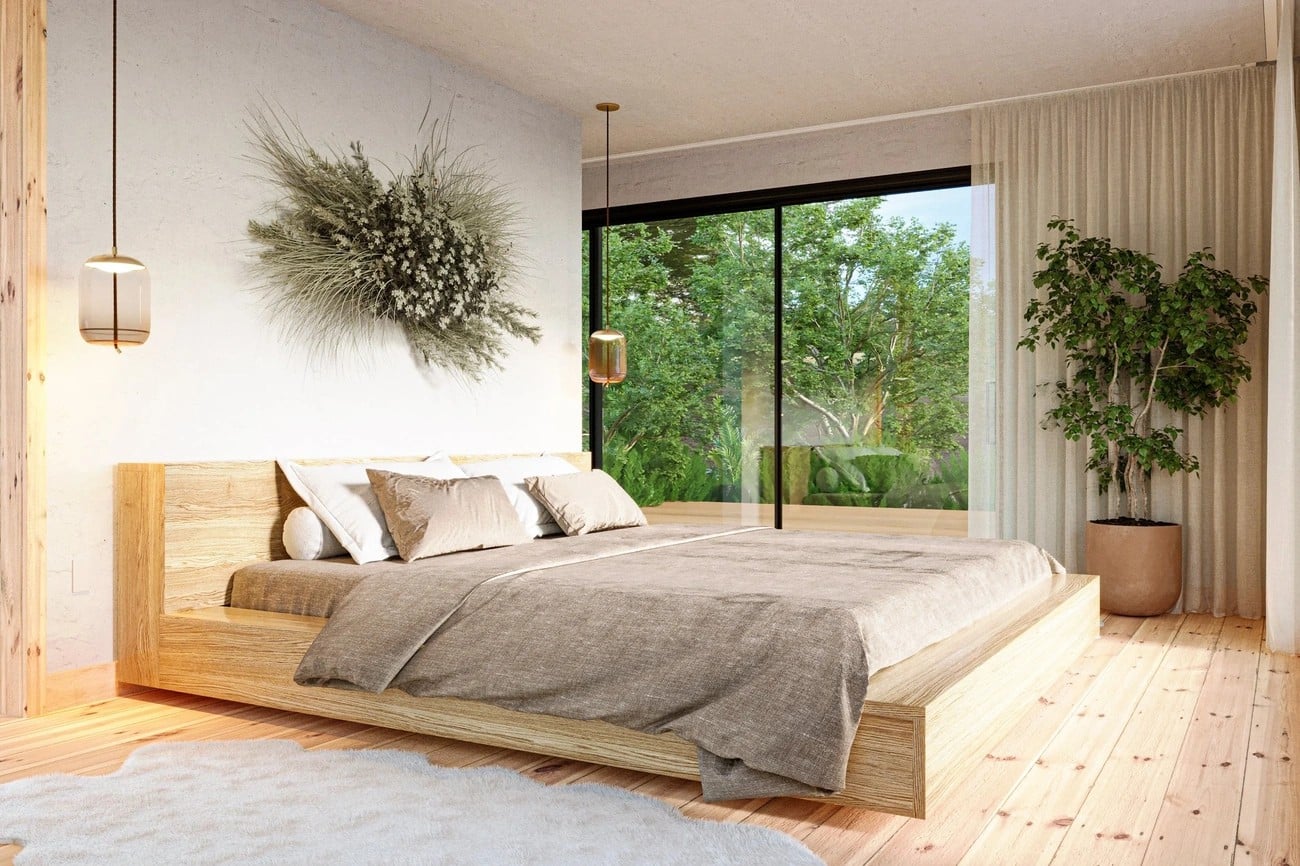
How to Create a Mindful Bedroom Design: A Sleep Expert’s Guide

Here’s something that might surprise you: biophilic bedroom design can lower your stress levels by up to sixty percent.
Quite remarkable, isn’t it? When you bring natural elements into your mindful bedroom design, you’re creating more than just a beautiful space—you’re building a powerful sanctuary for rest. Research shows that timber elements can actually reduce your blood pressure and decrease stress, whilst the colour palette you choose shapes the entire mood of your room.
Sleep does far more than just help you feel rested. It’s busy protecting your brain health, consolidating memories, keeping your nervous system balanced, and helping you manage emotions. Skip quality sleep, and your immune system suffers, leaving you more prone to illness and that bone-deep tiredness that never seems to lift. Yet here’s the thing—only 11 percent of adults in the UK use meditation as a way to unwind.
That’s where mindful design comes in. Instead of treating your bedroom like any other room, you can create a deliberate haven that works hard to support your rest. Choose calming colours, embrace natural materials, plan your layout with purpose—and suddenly you have an environment that encourages both your body to relax and your mind to find stillness.
Ready to turn your bedroom into the restful retreat you’ve been craving? Let’s explore how mindful interior design can help you create a space that truly nurtures both body and mind.
Design the Space with Intention
Every mindful bedroom design starts with knowing exactly what you want from your space. Before you even think about paint colours or shopping for furniture, pause and picture how your bedroom will actually serve your wellbeing. Your bedroom isn’t just somewhere to sleep—it’s your personal sanctuary where you can properly unwind from the outside world.
Define your purpose for the room
What do you need most from your bedroom beyond a good night’s rest? Start by sketching out your room’s shape so you can visualise where everything will go and what’s actually possible. Maybe you’re dreaming of a dedicated spot for morning meditation, a cosy reading corner for evening wind-down, or simply a clutter-free environment that lets you sleep deeply.
The best bedrooms feel organised, calm and cohesive. When you approach design with clear intentions, you’re not just making things look nice—you’re creating a room that actively helps your mind find stillness instead of adding to your daily stress.
Choose furniture that supports rest
Keep things simple when you’re selecting bedroom furniture. Look for pieces with clean lines and soft textures that make you want to relax the moment you see them. Position your bed centrally with space on both sides—this balanced arrangement creates symmetry that instantly feels calming when you walk into the room.
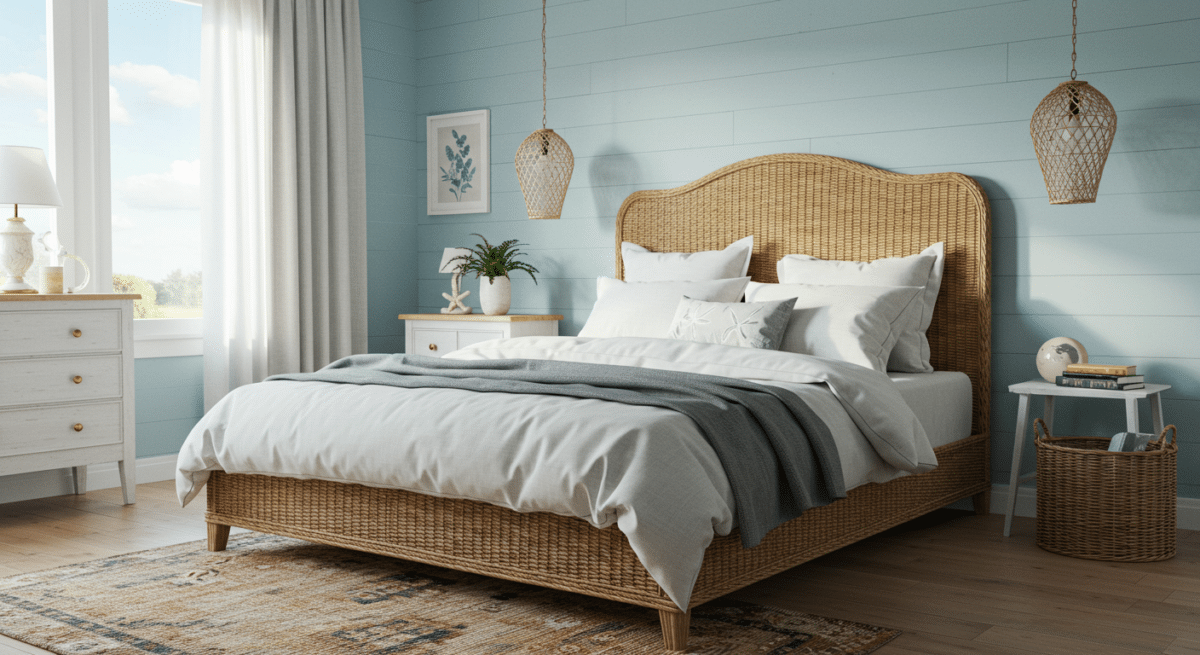
Image credit Bedstar: Coastal bedroom décor with rattan small double bed.
Smart furniture choices mean everything has its proper place. Fitted wardrobes that follow your room’s contours maximise storage whilst keeping everything looking seamless. Short on space? An ottoman bed gives you versatile storage without disrupting that peaceful vibe you’re after.
Create zones for sleep, reading, and reflection
Here’s a clever technique: create distinct areas within your bedroom without putting up any walls. Use thoughtful design elements to define what each zone is for. This works brilliantly whether you have a generous space or something more compact, adding that layer of purpose that standard layouts just can’t match.
Anchor your reading nook with a large rug beneath an armchair positioned near natural light. Pop a side table by the window where you can set down your tea and whatever book you’re currently enjoying. For a reflection zone, position a comfortable cushion or meditation pillow in a quiet corner with minimal distractions around it.
When you designate specific areas for different activities, your bedroom becomes more than just aesthetically pleasing—it genuinely supports the daily rituals that matter to your wellbeing.
Declutter and simplify your environment
Clutter and quality sleep simply don’t mix. Research shows a clear relationship between clutter and mental health challenges including depression, anxiety, and stress. When you sleep in a messy bedroom, you’re inviting feelings of frustration, overwhelm, and helplessness that actively disrupt your rest.
Use hidden storage to reduce visual noise
Visual noise—that distracting effect when your eyes can’t settle because there’s too much to see—stands as one of the biggest obstacles to creating mindful bedroom design. Hidden storage solutions are your secret weapon here. They keep your essential items within reach whilst clearing away the visual chaos.
Ottoman beds work particularly well, offering generous storage beneath your mattress through a clever hydraulic lift mechanism. Wall-to-wall mirrored wardrobes can hide substantial storage behind their doors whilst making your room appear brighter and twice the size.

Image credit Bedstar: Timberland 4FT 6 Double Wooden Ottoman Bed – Natural. Priced £329.
For smaller spaces, these options work brilliantly:
- Under-bed drawers for seasonal clothing and extra bedding
- Window seat storage tucked into recessed alcoves
- Sliding door wardrobes that disappear into the background
Keep surfaces clear and minimal
Here’s something worth noting: for over half of people, money worries and stress are the main obstacles to falling asleep easily. That’s why clearing your bedside tables and dressers of daily life reminders creates such a peaceful shift. Start by removing everything from your surfaces, sort items into simple categories (bin, donate, store, keep), then return only what genuinely belongs there.
Need to keep some items visible? Use decorative dishes or small trays to contain them. This simple approach maintains order without sacrificing functionality.
Let go of items that don’t serve your rest
The golden rule of bedroom decluttering? Remove all technology first. Mobile phones, tablets, and televisions don’t just take up physical space—they muddle your mind’s connection between bedroom and rest. Beyond technology, get honest about which possessions contribute to your sleep environment.
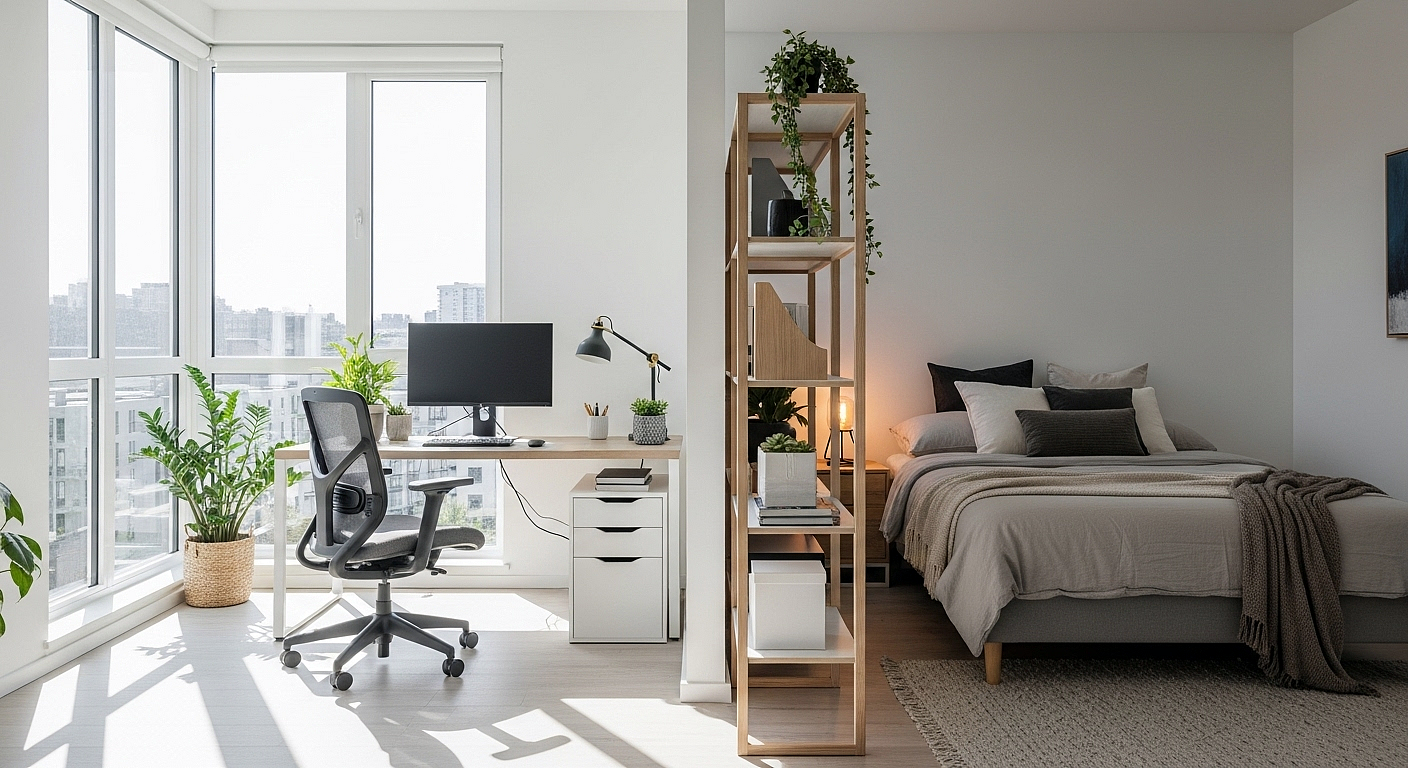
Image credit: Bedstar
Mindful interior design means asking yourself whether each item supports your wellbeing or simply takes up space. Don’t worry about tackling everything at once—start small by focusing on just your closet one day and your dresser another. Small steps lead to big changes in how your bedroom feels.
Engage the senses for deeper relaxation
Your mindful bedroom design works best when it speaks to more than just your eyes. Engaging all five senses—sight, scent, sound, and touch—creates a space that actively helps your body and mind unwind after a long day.
Use calming scents like lavender or chamomile
Some fragrances have a remarkable ability to calm your nervous system, and lavender tops the list for bedroom scents. This isn’t just pleasant—it’s practical. Lavender creates a soothing environment that genuinely helps you unwind, whilst chamomile offers a gentle sedative effect that’s particularly helpful if sleep doesn’t come easily.
You can bring these scents into your space through essential oils, pillow sprays, or even aromatic plants that work double duty by improving your air quality. Don’t feel you need to choose just one approach—combining methods that often create the most effective results.
Incorporate soft lighting and dimmers
Harsh, bright lights send the wrong message to your brain, signalling that it’s time to stay alert. Soft, warm lighting (around 2,700K–3,000K) tells your body it’s time to wind down. Dimmers are worth the investment—they let you adjust brightness exactly to your needs throughout the evening.
Wall sconces positioned near your bed offer gentle, directional light that’s perfect for evening reading without flooding your sleep-ready environment. This targeted approach means you can enjoy your book whilst your partner settles into sleep mode.
Add soundscapes or white noise if helpful
Sound plays a bigger role in sleep quality than many people realise. Nature soundscapes—think gentle rain, ocean waves, or quiet rainforest sounds—create a rhythmic background that masks those disruptive noises from outside. Some people swear by white noise, which combines multiple frequencies to drown out disturbances. Others prefer pink noise, which balances high and low frequencies for a smoother, more natural effect.
Choose tactile materials for bedding and decor
The textures in your bedroom create what designers call the “visual temperature” of your space. Natural materials offer the perfect combination of tactile comfort and visual warmth:
- Wood elements bring warmth through their natural grain patterns
- Soft linens and cotton provide gentle contact against your skin
- Wool throws create that comforting weight and insulation that helps you feel secure
The secret lies in combining complementary textures—smooth alongside rough, soft balanced with firm. This thoughtful layering engages your sense of touch whilst supporting the deeper relaxation your body craves.
Build a mindfulness routine into the room
Your mindful bedroom design becomes truly powerful when you weave daily rituals into the space itself. Incorporating mindfulness practices into your bedroom routine can boost your likelihood of achieving better sleep by up to 91%.
Create a meditation or journalling corner
Set aside a specific area in your bedroom for mindfulness practices. Don’t worry—this doesn’t require an elaborate setup. Simply clear a space where you can sit comfortably on a meditation cushion or chair. Position this corner away from distractions, perhaps near natural light but with the option to adjust brightness. This dedicated space serves as a physical reminder to pause and connect with yourself, making it easier to maintain consistent practice.

Use your breath to centre before sleep
Focus on your breathing to anchor your wandering mind before sleep. Mindfulness meditation involves bringing your attention to the present without dwelling on past or future concerns. Try the 4-7-8 technique: inhale through your nose for 4 seconds, hold for 7 seconds, and exhale through your mouth for 8 seconds, repeating four times. This repetitive breathing helps clear your mind of worries, ultimately evoking the relaxation response.
Make the room a tech-free zone
Screens are sleep’s greatest enemy. Mobile phones emit blue light that increases alertness and reduces melatonin, disrupting your natural sleep cycle. Furthermore, phones condition your brain to associate beds with activity rather than rest. Consider establishing a one-hour screen curfew before bed. Separating technology from your bedroom helps you avoid digital distractions and the temptation of mindless scrolling.
Try mindfulness room ideas like intention-setting objects
Create an “intention tray” on your bedside table filled with meaningful items that remind you of your sleep and wellness goals. This visual reminder can help break habits like late-night snacking or mindless scrolling. Select objects that resonate with your aspirations—perhaps a meaningful quote, a journal, or a crystal that promotes relaxation. Since implementing this practice, many have noticed decreased screen time and increased mindful activities like journalling.
Your mindful bedroom journey doesn’t end with a single weekend project—it becomes an ongoing relationship with your space. The design choices you make today create ripple effects that support better sleep, calmer mornings, and a more peaceful mind.
Think of it this way: your bedroom has the potential to be your most powerful wellness tool. Every time you clear those surfaces, adjust the lighting, or step into your tech-free zone, you’re reinforcing healthy sleep habits. These small, intentional changes compound over time.
Don’t feel pressured to tackle everything at once. Perhaps start with creating that meditation corner this weekend, then focus on decluttering surfaces next month. Maybe begin with softer lighting and gradually introduce calming scents. Your bedroom should evolve with your needs, not overwhelm your schedule.
The beautiful thing about mindful design? There’s no single “right” way to do it. Your restful retreat might look completely different from someone else’s, and that’s exactly as it should be. Trust your instincts about what makes you feel calm and rested.
Remember, you’re not just redecorating a room—you’re creating a foundation for better wellbeing. Each mindful choice you make brings you closer to the peaceful sanctuary you deserve. Sweet dreams start with intentional design, and yours begins today.
Key Takeaways
Transform your bedroom into a sleep sanctuary that actively supports both physical rest and mental wellbeing through these evidence-based mindful design principles:
• Design with clear intention – Create distinct zones for sleep, reading, and reflexion rather than treating your bedroom as merely functional space
• Declutter ruthlessly to reduce visual noise – Use hidden storage solutions and keep surfaces minimal, as clutter directly impacts sleep quality and mental health
• Engage all five senses for deeper relaxation – Incorporate calming scents like lavender, soft warm lighting with dimmers, and natural tactile materials for bedding
• Establish a tech-free sanctuary – Remove screens entirely and create a dedicated meditation corner to break the association between beds and digital activity
• Build mindful rituals into your space – Use breathing techniques like the 4-7-8 method and intention-setting objects to anchor your mind before sleep
Research shows that biophilic bedroom elements can reduce stress levels by up to 60%, whilst mindfulness practises boost your likelihood of achieving better sleep by 91%. Start with one element that resonates most—whether decluttering surfaces or adding natural materials—then gradually build upon that foundation to create your peaceful retreat.
FAQs
Q1. How can I create a sleep-friendly bedroom environment? Create a dark, obstacle-free space using dim red nightlights if necessary. Remove sources of white or blue light, such as digital clocks or mobile phones. Keep the room cool, quiet, and clutter-free to promote better sleep quality.
Q2. What are the most calming colours for a bedroom? Soft, muted tones are generally considered the most calming for bedrooms. Colours like pale blue, lavender, light green, or warm neutrals can create a soothing atmosphere conducive to relaxation and sleep.
Q3. How can I incorporate mindfulness into my bedroom routine? Designate a meditation or journaling corner in your bedroom. Practise breathing exercises before sleep, such as the 4-7-8 technique. Create an ‘intention tray’ with meaningful objects that remind you of your wellness goals. Establish a tech-free zone to minimise distractions.
Q4. What are some effective ways to declutter a bedroom? Use hidden storage solutions like ottoman beds or under-bed drawers to reduce visual noise. Keep surfaces clear and minimal by sorting items into categories (bin, donate, store, keep). Remove technology and items that don’t contribute to rest. Tackle decluttering gradually, focusing on one area at a time.
Q5. How can I engage multiple senses in my bedroom design? Incorporate calming scents like lavender or chamomile through essential oils or plants. Use soft, warm lighting with dimmers. Consider adding nature soundscapes or white noise if helpful. Choose tactile materials for bedding and decor, combining different textures for a balanced sensory experience.