How Premium Roof Windows Transform Dark Interiors

A dim interior rarely comes down to paint colour alone. More often, it’s the geometry of the space: long floorplates, small façades, deep eaves, neighbouring buildings that steal daylight, or attic conversions where vertical windows just aren’t an option. If you’ve ever stood in a hallway that feels like perpetual dusk—or tried to make a north-facing loft feel like a real bedroom—you already know the hidden cost of poor daylight: rooms feel smaller, mood dips, and even the best lighting plan can feel like a compromise.
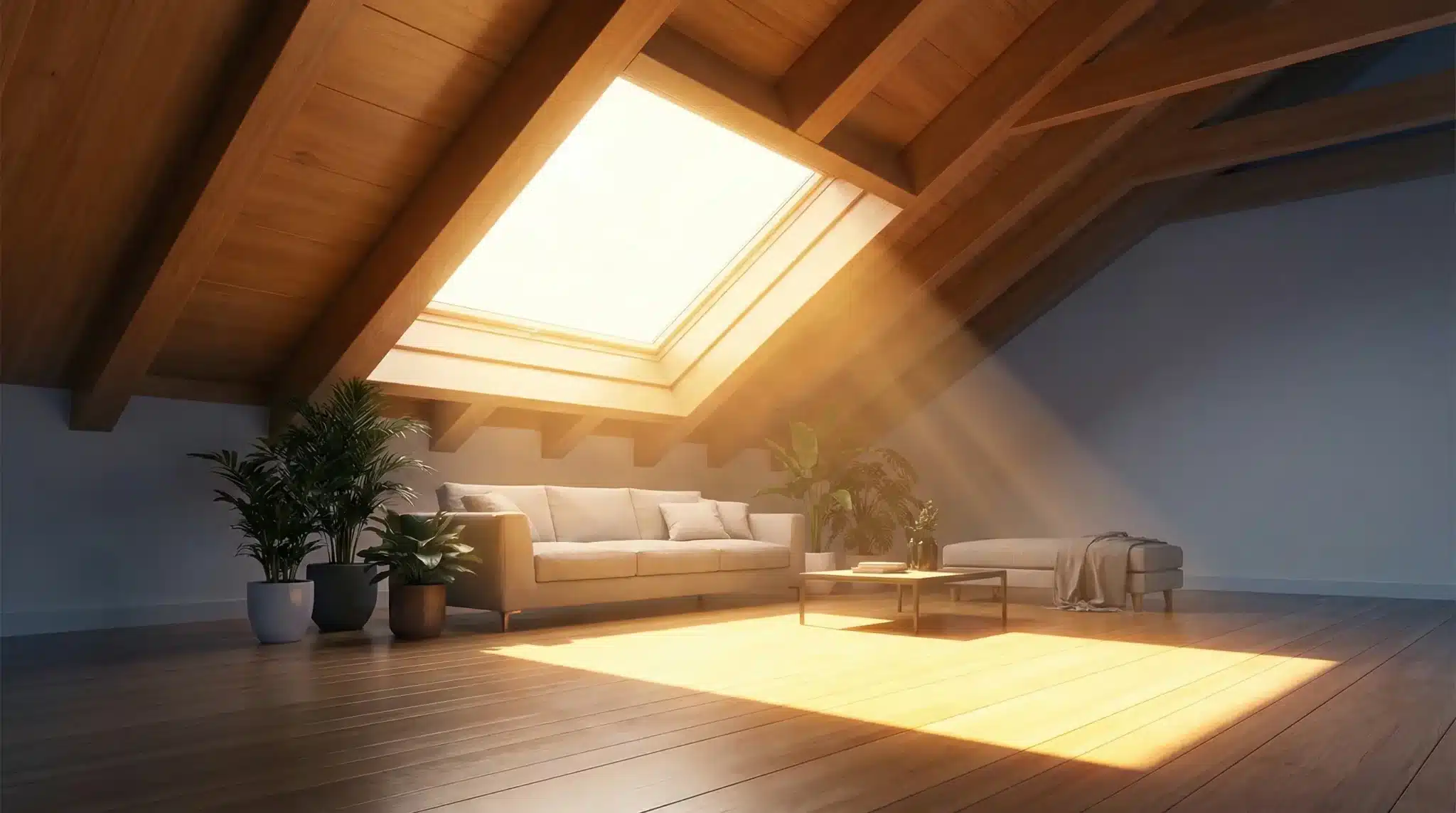
That’s where roof glazing can be genuinely transformative. Bringing light from above changes the way a room reads because it introduces daylight deeper into the plan and reduces harsh contrast. In practical terms, it can turn a “back-of-house” space into somewhere people actually want to spend time. If you’re researching options, it’s worth looking at how different premium roof window systems are specified and installed, because performance (thermal, acoustic, ventilation, and reliability) varies far more than most homeowners expect.
The goal isn’t just “more light.” It’s better light—usable, comfortable, and consistent through the day and across seasons.
Why Top-Light Works Differently (and Better) Than Side-Light
Daylight entering through a vertical window tends to illuminate the perimeter first. The further you move away from the wall, the faster levels drop. Roof windows behave differently because they capture brighter sky luminance and distribute it across the room. That’s why even a modest roof opening can make a noticeable difference in the centre of a space.
The Psychology of Brightness (and Why It Matters)
Brightness affects perception as much as it affects visibility. Well-lit rooms tend to feel:
- Larger (because edges and surfaces are more legible)
- Cleaner (shadows are reduced, finishes read more accurately)
- Calmer (circadian cues are stronger, especially in the morning)
For home offices, kitchens, and playrooms, that last point isn’t trivial. When natural light is doing the heavy lifting, artificial light becomes a supplement rather than a constant substitute.
Daylight Quality: Diffuse vs. Direct Sun
Not all “light” is equal. A south-facing roof window can deliver strong direct sun, while north light is steadier and softer. The best outcomes come from matching window placement to room use: you want daylight where you work, not glare on a screen; warmth in winter, not overheating in August.
What “Premium” Really Means in Roof Windows
“Premium” is often used loosely, but in roof windows it should mean measurable performance and long-term durability, not just a nicer handle.
Thermal Performance and Comfort
A roof window is part of the building envelope. If it’s under-specified, you can end up with cold downdraughts in winter or a room that spikes in temperature on sunny afternoons. Look for strong insulation values, well-designed frames, and glazing packages appropriate to the space (for example, better U-values for bedrooms, solar control where overheating is likely).
Also pay attention to the junction between window and roof. Heat loss and drafts often come from imperfect integration—flashing kits, underlays, and insulation collars matter because they control air leakage and thermal bridging.
Ventilation You’ll Actually Use
ark rooms are frequently stuffy rooms. Roof windows shine here because warm air rises, making high-level ventilation particularly effective. Even small openings can improve indoor air quality and reduce lingering humidity after showers or cooking.
If you’re planning a loft conversion or upgrading a top-floor space, think about how you’ll operate the window day-to-day. Manual is simple, but high-level or hard-to-reach positions may justify electric controls or sensors that close automatically when it rains. That’s not luxury for luxury’s sake—it’s usability, and usability is what makes ventilation habits stick.
Acoustic, Security, and Weathering
Premium specifications often bundle several “quiet wins”:
- Laminated glass for improved security and reduced noise
- Better seals that resist wind-driven rain
- Frames and finishes designed to cope with UV exposure and temperature swings
These are the details that separate a window that still performs after 10–15 years from one that becomes a maintenance project.
Design Choices That Make or Break the Result
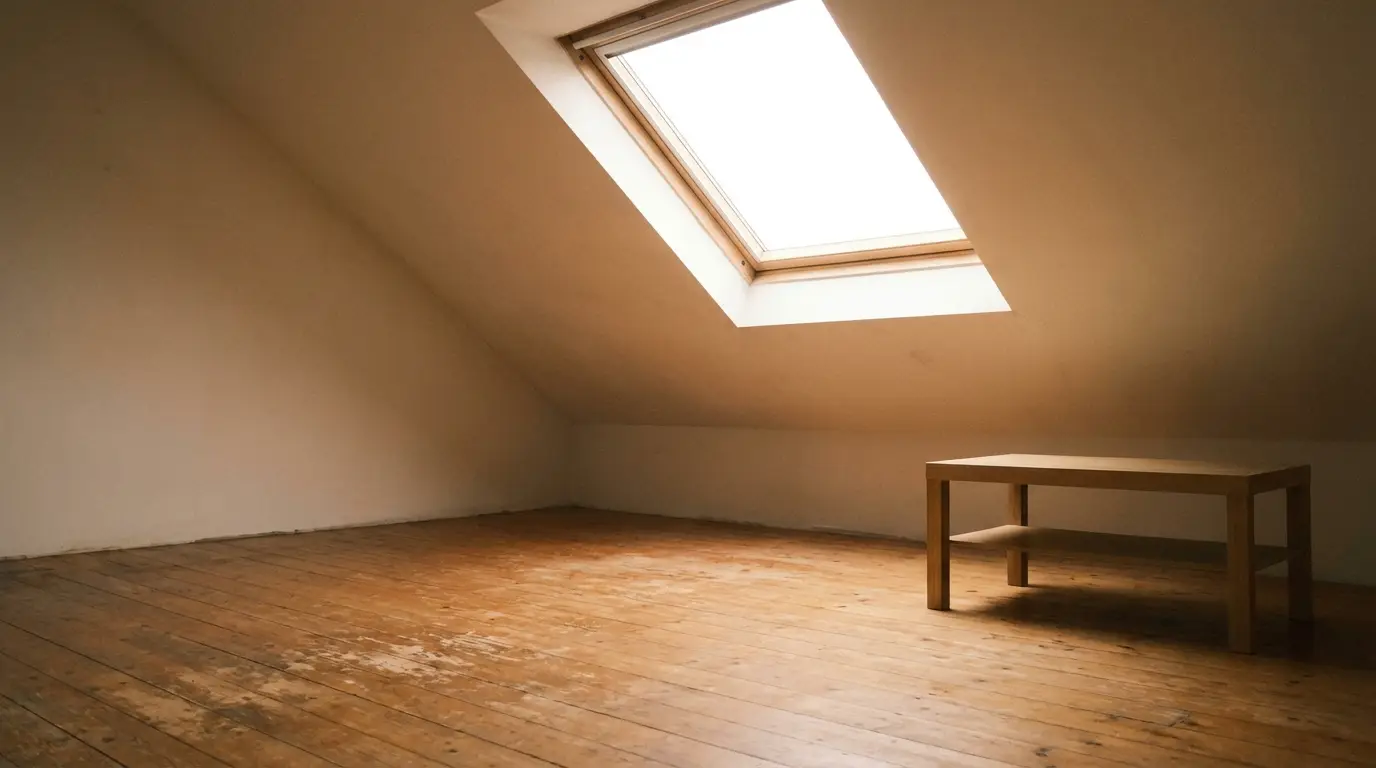
Roof windows are deceptively simple. The wrong placement can create glare, odd shadow lines, or a sense that the light is “in the wrong place.” The right placement can make a room feel intentional.
Placement: Think Tasks, Not Symmetry
Symmetry looks tidy on a plan, but daylight should follow how you use the space. Ask:
Where do you read, cook, work, fold laundry, or apply makeup? Put daylight over those zones. In kitchens, for example, top-light over worktops can reduce the need for daytime task lighting. In stairwells and hallways, a well-positioned roof window can eliminate the “cave” effect without relying on motion sensors and downlights.
S
Size and Proportion: Avoid the “Postage Stamp” Trap
single small roof window can brighten a nook, but it won’t necessarily transform a deep room. Wider or multiple units can distribute light more evenly and reduce contrast, which is what makes a space feel genuinely brighter. That said, oversizing without solar control can introduce overheating, so balance is key.
Orientation and Shading
South and west exposures can benefit from integral blinds, external shading, or solar control glazing—especially in loft bedrooms. North light is often easier to live with, but can feel cooler, so pair it with warm interior finishes if the room risks feeling flat.
Installation and Integration: Where Performance Is Won or Lost
A roof window’s brochure performance only holds if it’s installed correctly. Poor detailing can lead to leaks, condensation, or heat loss that undermines the point of the upgrade.
Moisture Management and Condensation Risk
Condensation isn’t just about the glass. It’s about airflow, insulation continuity, and humidity loads. Bathrooms and kitchens need effective ventilation; bedrooms benefit from trickle ventilation or regular purge ventilation. Also consider internal reveals: angled reveals can help spread light and improve airflow at the glass, reducing cold spots.
Compliance and Safety in Lofts
In many loft conversions, roof windows also support means of escape, minimum sizes, and safe access requirements. That’s a design coordination task, not an afterthought—bring it into the conversation early, especially if you’re combining roof windows with dormers or internal layout changes.
A Practical Way to Plan Your Upgrade
Before you pick a product, map the problem. A quick, structured approach saves money and avoids disappointment:
- Identify the darkest hours (morning/evening) and the rooms most affected
- Note ceiling height, roof pitch, and where furniture actually sits
- Decide whether the priority is daylight, ventilation, views, or all three
- Consider summer comfort (orientation, shading, glazing) alongside winter warmth
- Treat installation detailing as part of the specification, not an add-on
That’s the difference between “we added a window” and “we changed how the house feels.”
The Bottom Line: Light Changes How You Live in a Space
When a dark interior becomes bright, the payoff isn’t only aesthetic. People use the room differently. They linger. They work there. Plants survive. Morning routines feel less gloomy. And because roof windows bring light from above—where the sky is brightest—the effect is often greater than you’d expect from the opening size alone.
If you’re weighing the upgrade, focus on outcomes: comfortable daylight, controllable ventilation, stable temperatures, and reliable weathering. Get those right, and a once-forgotten space can become one of the best rooms in the house.