How Environmental Exposure Shapes Exterior Surfaces—and Why Precision Pressure Washing Matters

Introduction: The Hidden Story Behind Dirty Surfaces
At first glance, a stained wall or a discolored driveway might seem like a simple cleaning issue. But in reality, exterior contamination is a gradual process shaped by environmental exposure, chemical reactions, and material sensitivity. In Riverside, CA, where dry winds meet periodic moisture, surfaces undergo a silent transformation that often goes unnoticed—until the damage becomes visible.
Understanding this process reveals why hiring a professional pressure washing company is not just about cleaning—it’s about restoring balance between the environment and the built structure.
The Environmental Layering Effect on Exterior Surfaces
Every exterior surface is constantly interacting with its surroundings. In Riverside, airborne dust particles settle daily, forming a thin but persistent layer. Over time, this layer combines with organic elements like pollen and spores, creating a base for microbial growth.
When moisture enters the equation—whether from irrigation systems, rain, or humidity—this mixture becomes a breeding ground for algae and mildew. The result is not just surface discoloration but a deeply embedded contamination that alters the material itself.
This gradual accumulation is what professionals refer to as environmental layering—a process that requires more than surface-level cleaning to reverse.
Material Sensitivity: Why Every Surface Reacts Differently
Not all surfaces respond to contamination in the same way. The structure and porosity of materials determine how deeply pollutants penetrate and how difficult they are to remove.
Stucco and Painted Surfaces
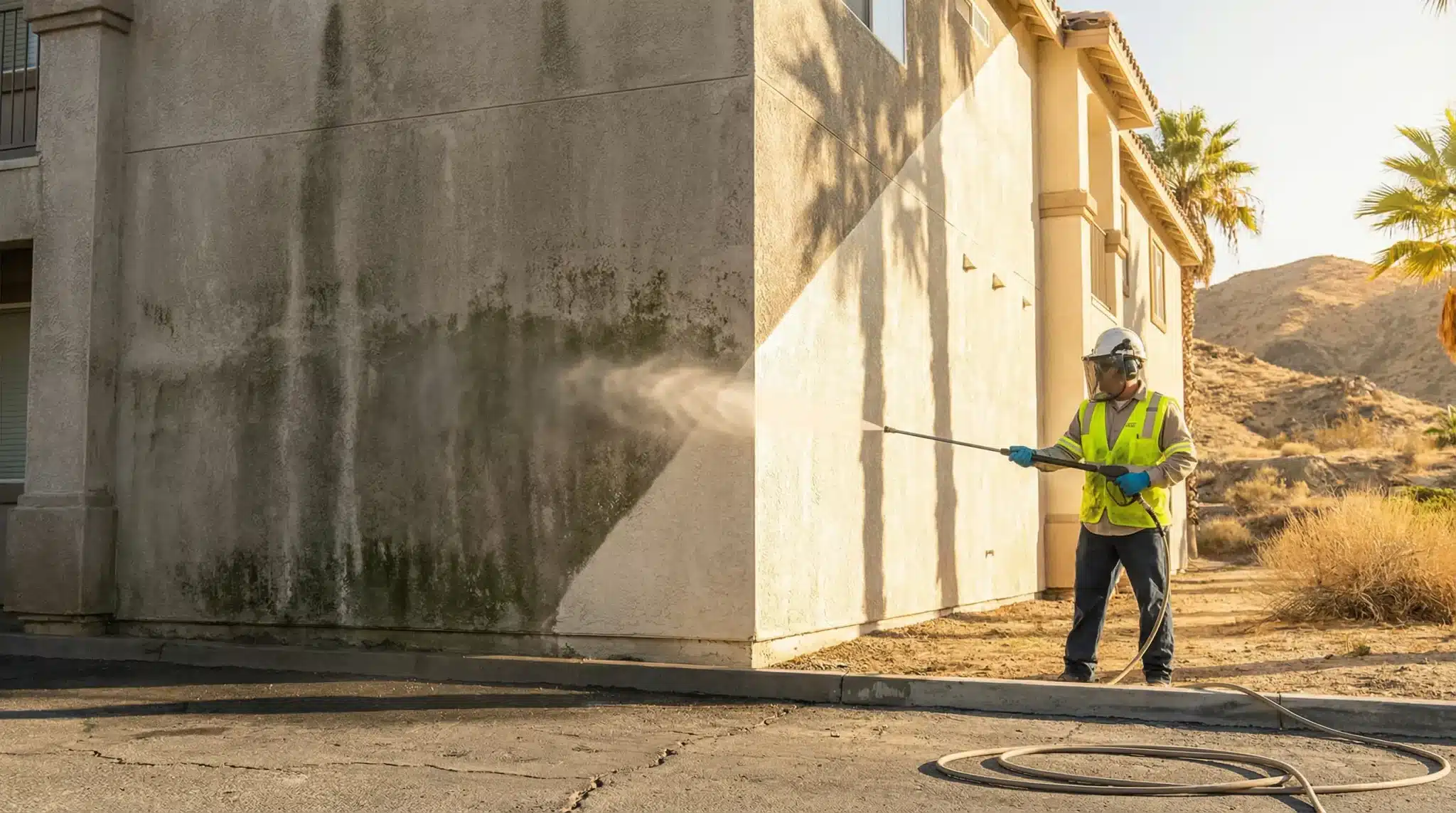
Stucco, widely used in Southern California, is highly porous. It absorbs contaminants quickly, allowing algae and dirt to settle beneath the surface. Painted walls, while initially protective, can degrade when exposed to chemical reactions caused by organic growth.
Concrete and Hardscapes
Concrete appears durable, but its microscopic pores trap oil, dirt, and debris. Over time, these substances bond with the surface, making removal increasingly complex.
A skilled pressure washing company understands these differences and tailors its approach to each material, ensuring effective cleaning without structural harm.
The Chemistry of Degradation and Restoration
Exterior contamination is not just physical—it’s chemical. Organic growth like mold and algae releases compounds that interact with building materials, accelerating wear and discoloration.
To counteract this, professionals use carefully formulated cleaning solutions:
- Sodium hypochlorite to break down organic matter at the molecular level
- Detergents to lift and separate dirt from surfaces
- Controlled rinsing techniques to remove residues completely
This combination doesn’t just clean—it neutralizes the chemical processes causing the damage, restoring the surface to a stable condition.
Precision Over Pressure: A Shift in Modern Cleaning Philosophy
One of the most significant advancements in exterior cleaning is the shift from force-based methods to precision-based techniques.
High pressure alone can strip paint, erode stucco, and damage siding. Modern professionals prioritize:
- Low-pressure application for delicate surfaces
- Hot water systems for grease and industrial buildup
- Dwell time strategies that allow cleaning agents to work effectively
This approach reflects a deeper understanding of how surfaces behave under stress. A reputable pressure washing company focuses on achieving results without compromising structural integrity.
Commercial Spaces as Dynamic Environments
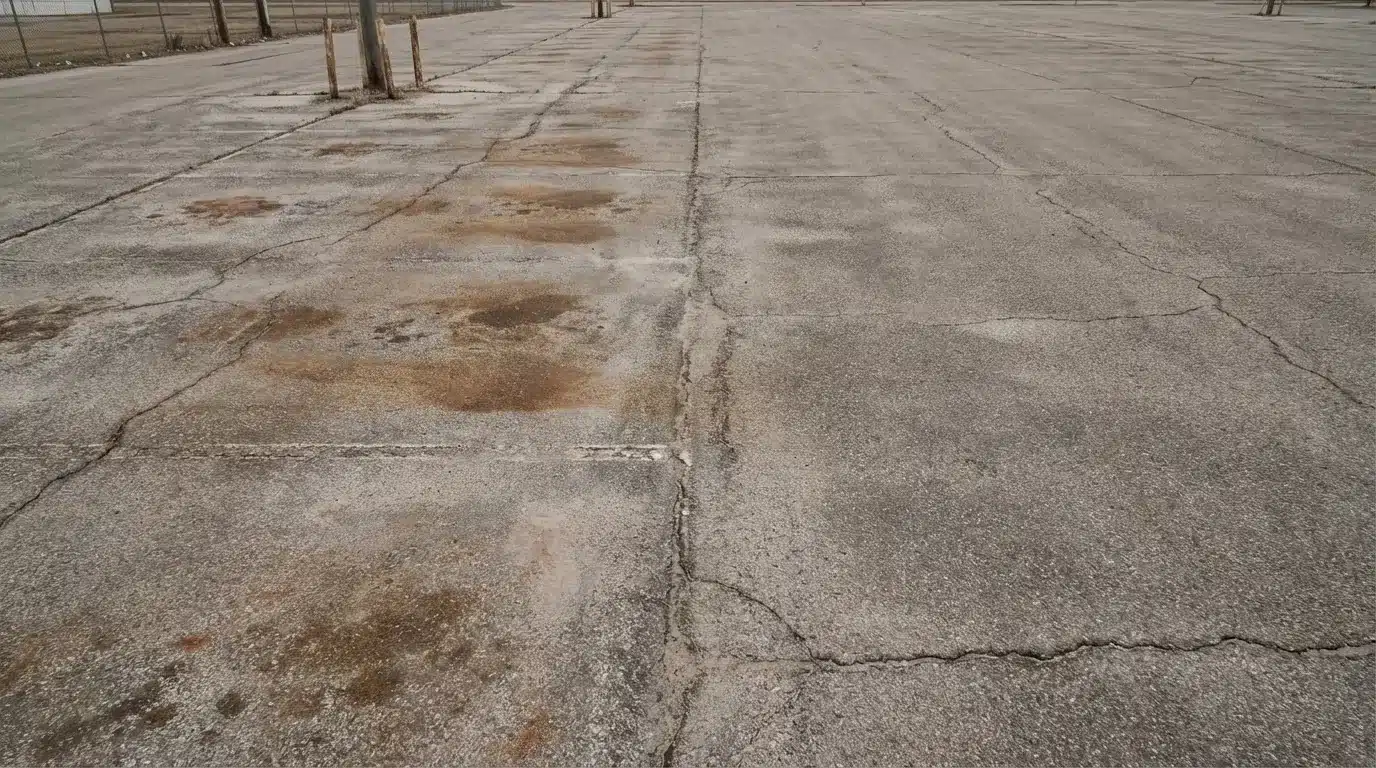
Commercial properties experience a different kind of exposure. High foot traffic, vehicle emissions, and operational activities create a constantly changing environment where contamination builds rapidly.
Parking lots, for example, accumulate oil residues that bind with dust, forming stubborn stains. Building facades collect pollutants that dull their appearance and weaken materials over time.
In these settings, pressure washing becomes a form of ongoing environmental management, not just periodic cleaning. Maintaining a clean exterior ensures that the property continues to reflect professionalism and reliability.
The Role of Surface Renewal in Post-Construction Settings
After construction, surfaces are often left with fine dust, adhesive residues, and scattered debris. These elements may seem minor but can interfere with the final appearance and functionality of a property.
Professional pressure washing addresses these issues by:
- Removing microscopic dust layers that dull surfaces
- Eliminating paint overspray and construction residue
- Preparing surfaces for final presentation or occupancy
This stage is crucial because it defines the transition from construction site to finished environment.
Parking Lot Striping as a Structural Enhancement
While often viewed as a separate service, parking lot striping plays a vital role in how a property functions and appears. Clean, clearly defined markings enhance both safety and usability.
Using water-based paints with low volatile organic compounds (VOCs), professionals create markings that are:
- Environmentally responsible
- Highly visible and durable
- Compliant with accessibility standards
When combined with pressure washing, striping transforms a neglected space into an organized and efficient environment.
Trust, Safety, and Professional Accountability
Exterior cleaning involves more than technical skill—it requires trust. Property owners need assurance that their investment is protected throughout the process.
Professional services in Riverside, CA demonstrate this commitment through:
- Comprehensive insurance coverage, including $2 million in liability protection
- Proven customer satisfaction reflected in hundreds of five-star reviews
- Clear communication and reliable service delivery
These elements create a foundation of confidence, allowing clients to move forward without uncertainty.
A Localized Approach to Riverside’s Unique Conditions
Riverside’s environment demands a specialized approach. The combination of dry climate, airborne dust, and intermittent moisture creates conditions that accelerate surface contamination.
A local pressure washing company brings valuable insight into these patterns, adjusting cleaning methods to match regional challenges. This ensures that results are not only immediate but also long-lasting.
Conclusion
Exterior surfaces are constantly shaped by the environment around them. Dirt, moisture, and organic growth work together in subtle ways, gradually altering the appearance and integrity of buildings.
Professional pressure washing is not just about removing what’s visible—it’s about addressing the underlying processes that cause deterioration. Through a combination of chemistry, precision, and experience, surfaces can be restored and protected effectively.
Choosing an experienced pressure washing company means taking a proactive step toward preserving your property’s value, functionality, and visual appeal in a challenging environment like Riverside, CA.
FAQs
Why do surfaces in Riverside get dirty so quickly?
The combination of dust, airborne particles, and occasional moisture creates ideal conditions for buildup and microbial growth.
Is High Pressure Always Necessary for Effective Cleaning?
No. Modern techniques prioritize precision and chemical treatment over excessive pressure to protect surfaces.
How Does Professional Cleaning Prevent Long-Term Damage?
By removing contaminants at their source and neutralizing chemical reactions, it slows down material deterioration.
What Is the Benefit of Combining Cleaning With Parking Lot Striping?
It enhances both the appearance and functionality of the property, improving safety and organization.
Can Pressure Washing Be Customized for Different Materials?
Yes, professionals adjust methods and solutions based on the specific characteristics of each surface.