
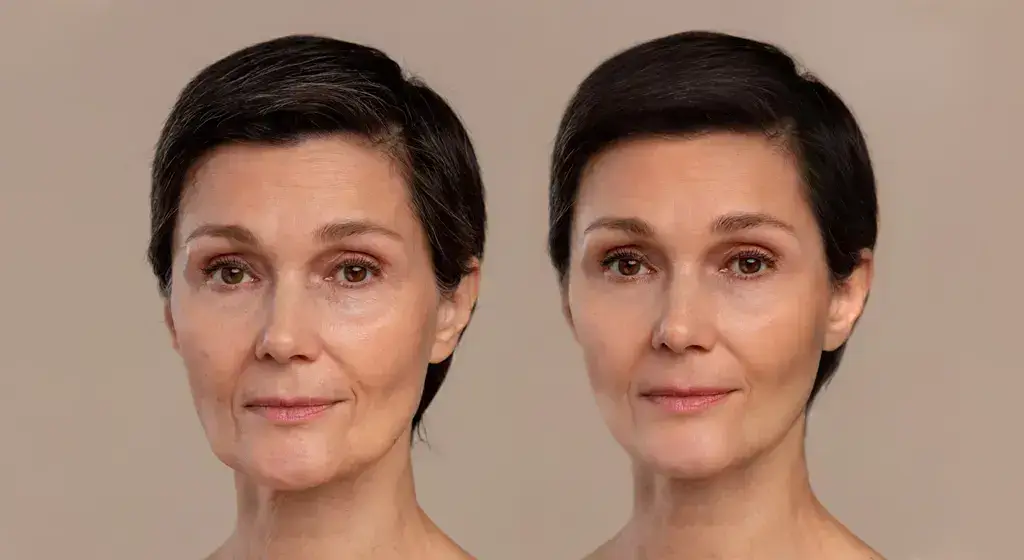
How Collagen Production Changes With Age and What You Can Do

Introduction
Young, radiant skin is generally linked to firmness, smooth surface, and elasticity. But as we grow old, wrinkles, sagging, and even dryness start to set in. A major cause of these changes is the gradual breakdown of collagen- the protein that provides the structure of the skin.
Collagen is commonly referred to as the building block of the skin, and it begins to naturally decline in your mid-20s. Such deterioration persists with time, making collagen supplements and skincare routines something that many people consider as a possible solution.
We will discuss in this article why collagen reduces as you age, the effect of collagen on your skin and what you can do to ensure that this process is slowed down effectively.
What Is Collagen and Why It Matters
The most common protein in the human body is collagen, which can be found in skin, hair, nails, joints, and connective tissues. It functions as a structural framework, maintaining your skin firm, plump, and moist.
Collagen has various forms though the most vital to human skin health are:
- Type I: Promotes skin firmness and elasticity
- Type II: Found in cartilage and joints
- Type III: Helps maintain skin structure and flexibility
Collagen plays a crucial role in:
- Maintaining skin elasticity
- Preventing wrinkles and fine lines
- Supporting hydration and smooth texture
This is why collagen for skin has become a popular topic in both skincare and nutrition.
How Collagen Production Changes With Age
The production of collagen starts to decrease at the age of 25. After this age, the body loses approximately 1 percent of collagen per year on average. This might appear to be slow but the impact is felt over time.
After 30s and 40s, collagen starts to diminish at a faster rate and results in more noticeable changes such as fine lines and a decrease in skin firmness. In women, menopause may accelerate this process considerably as a result of hormonal changes.
The decline of collagen is affected by two major factors:
- Internal factors: Genetics and natural aging.
- External factors: Lifestyle habits such as eating habits, stress and sunlight.
Knowing about these changes can answer a popular question: do collagen supplements work, and can they reverse this natural loss?
Signs Your Collagen Levels Are Decreasing
As collagen levels decrease, your body and skin start to show clear changes. Some common changes include:
- Fine lines and wrinkles
- Sagging or loose skin
- Dryness and dull complexion
- Thinning hair and brittle nails
- Joint stiffness or discomfort
These symptoms usually make a person seek a solution such as the best collagen for skin or what to consume to regain skin health.
What Causes Collagen Loss?

The factors, which affect collagen loss, are both internal and external.
Internal Factors
- Natural aging process
- Change of hormones particularly menopause.
External Factors
- UV exposure: One of the biggest causes of collagen breakdown
- Smoking: Decreases the supply of oxygen to the skin
- Poor diet: Excessive sugar intake reduces collagen proteins.
- Stress and lack of sleep: Disrupt skin repair processes
- Pollution: Causes skin aging.
Such factors not only decrease the amount of collagen but also cast doubt on collagen side effects as people seek quick solutions rather than long-term solutions.
How to Boost Collagen Naturally
Diet & Nutrition
Eating the right nutrients can support collagen production:
- Protein-rich foods (amino acids)
- Vitamin C (essential for collagen synthesis)
- Zinc and copper (support skin repair)
Lifestyle Changes
- Use sunscreen daily to prevent UV damage
- Get enough sleep for skin regeneration
- Avoid smoking and excessive sugar intake
Supplements
Many people turn to collagen supplements for added support. Options include:
-
Collagen Peptides (Easy to Absorb)
Collagen peptides are broken-down forms of collagen that are easier for your body to absorb and utilize, making them highly effective for supporting skin health. They help improve skin elasticity, hydration, and reduce visible signs of aging like wrinkles. Many users exploring a phyto collagen complex review often look for plant-based alternatives that deliver similar benefits.
If you’re wondering what is phyto collagen complex, it’s typically a blend of nutrients that boost your body’s natural collagen production rather than providing collagen directly. While people ask does phyto collagen complex work, results may vary depending on formulation and consistency of use. It’s also important to review phyto collagen side effects, as some individuals may experience mild digestive discomfort or sensitivities.
-
Plant-Based Collagen Boosters
Plant-based collagen boosters are supplements made from natural ingredients like vitamins, minerals, and botanical extracts that help stimulate the body’s own collagen production. Unlike animal-based collagen, they support skin health by enhancing elasticity, hydration, and firmness from within. These formulas often include nutrients like vitamin C, biotin, and amino acids that are essential for collagen synthesis.
When exploring options such as beverly hills md dermal repair complex ingredients, users often look for plant-based support that promotes anti-aging benefits. Many consumers check a dermal repair complex review to evaluate effectiveness and safety, while also asking is dermal repair complex legit before making a purchase decision.
Do Collagen Supplements Really Work?
The question that is the most searched is: do collagen supplements work?
Collagen peptides (hydrolyzed collagen) is further broken down into smaller amino acids and thus the body is able to absorb it easily. Certain researchers indicate that regular use can lead to enhancement of:
- Skin elasticity
- Hydration
- Overall skin appearance
But you must have realistic expectations. The effect does not occur immediately, and most results are obtained after about 8-12 weeks of regular use. Although supplements are helpful, they are the most effective when used together with a healthy lifestyle.
Common Myths About Collagen
The misconceptions regarding collagen and skin health are numerous:
- Myth 1: Collagen creams can substitute lost collagen
→ Reality: The majority of creams just work at the surface - Myth 2: Only older people need collagen
→ Reality: Prevention must begin early - Myth 3: Results are instant
→ Reality: Collagen rebuilding is a long process
Knowing these myths will guide you to make better choices in selecting the best collagen for skin.
Conclusion
Loss of collagen is an aging process, which does not indicate that you cannot control your skin health. This knowledge of collagen aging can help you proactively slow down the process.
Proper nutrition, combined with a healthy lifestyle, and intelligent supplementation can help a lot. Consistency is important whether you are trying out skincare or thinking about taking collagen supplements.
Early intervention, and taking care of what your body naturally does can assist you in keeping the skin healthier, firmer and more youthful looking well into your future.