Home Maintenance Tasks Every Homeowner Should Keep Up With

Owning a home brings comfort and stability, but it also comes with responsibilities that are easy to overlook. Many homeowners start strong with maintenance, only to let tasks slide over time. Yet regular upkeep is important because small issues can quickly become costly or stressful when ignored.
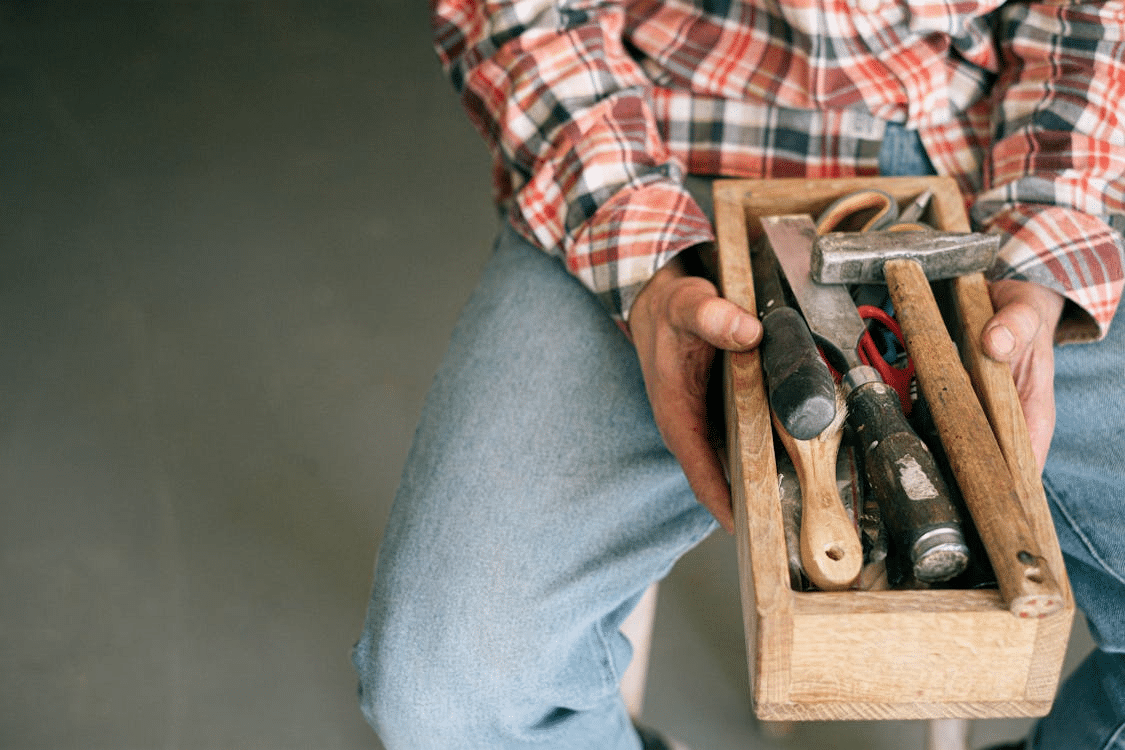
Home maintenance doesn’t need to be perfect—just consistent. Checking in on different parts of your home helps protect its value, prevent problems, and keep your space comfortable. Most tasks are simple, but they require awareness and routine attention.
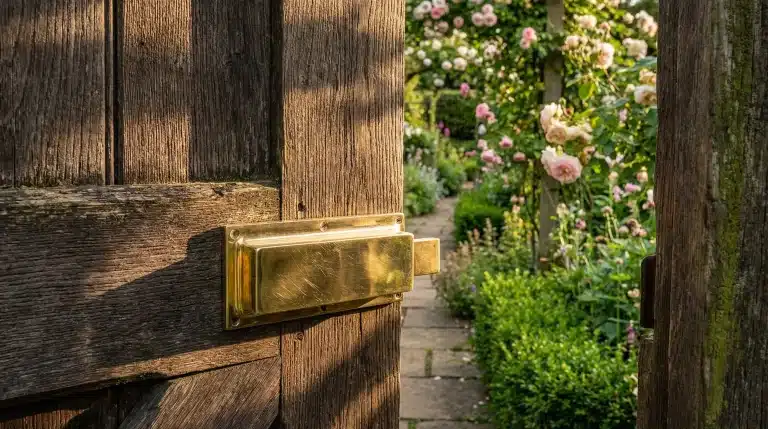
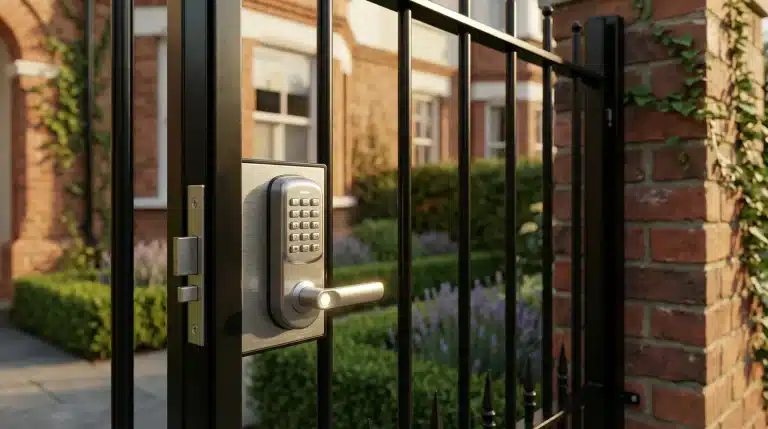
A practical place to begin is with the exterior. Wear and tear usually shows up there first, and a few basic updates can make a big difference. Elements like roofing, siding, and entryways play a key role in keeping your home protected. Once you stay on top of exterior maintenance, interior tasks become much easier to manage.
Keeping Up With Exterior Features That Protect Your Home
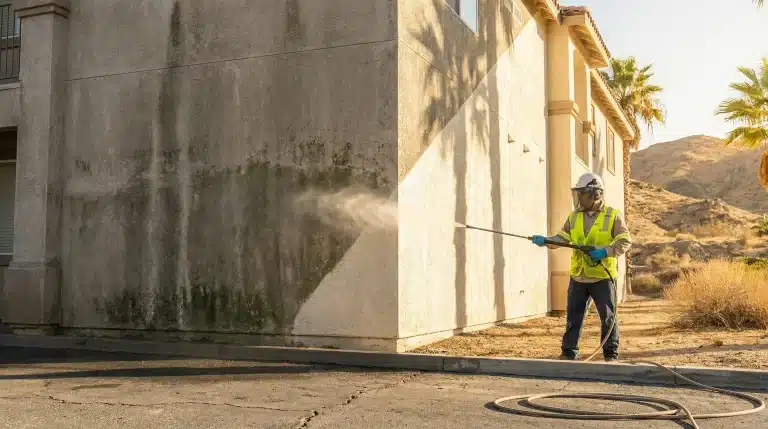
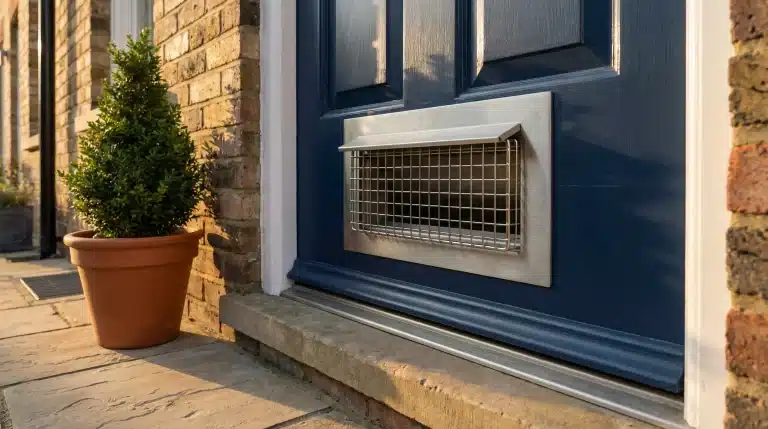
The outside of your home faces the elements every day—sun, rain, wind, snow, and temperature changes that can strain materials over time. Maintaining these features helps you prevent leaks, drafts, pests, and energy loss. For many homeowners, exterior upkeep includes checking the condition of the roof, clearing gutters, inspecting siding, and making sure windows and doors seal properly. These tasks protect your home from avoidable damage, especially during harsh weather seasons.
One exterior feature that often gets overlooked is the garage door. It’s one of the most used entry points in many households, and it plays a major role in convenience, security, and curb appeal. Older or damaged garage doors can become difficult to operate, create safety concerns, or compromise insulation. If you’re noticing that your garage door struggles, looks worn, or no longer feels secure, look up garage door installation near me to explore options that can help improve both safety and function in your home.
Updating or repairing major exterior elements offers long-term benefits. It prevents small problems from spreading, keeps your home more energy-efficient, and supports better protection from weather-related wear. Once your exterior is in good shape, it becomes much easier to focus on interior systems and daily comfort. A well-maintained outside sets the tone for a healthy, well-functioning home overall.
Staying on Top of HVAC and Air Quality Maintenance
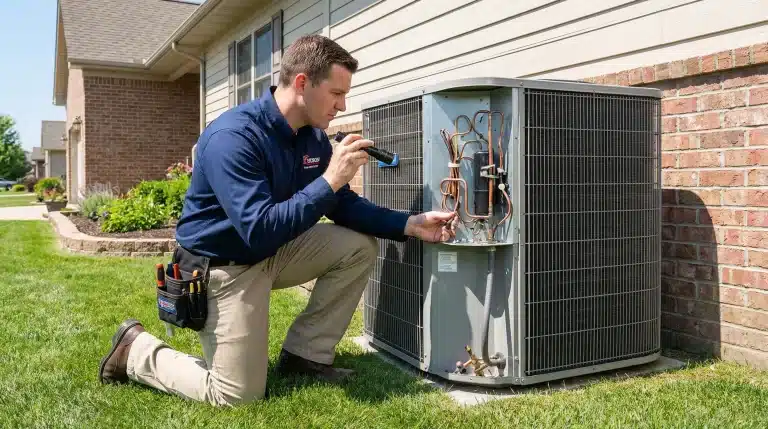
Your heating and cooling system is one of the most important parts of your home, and maintaining it regularly makes a noticeable difference in comfort and energy use. Simple steps, like replacing air filters every one to three months, keeping vents clean, and scheduling seasonal tune-ups, help your HVAC system run more efficiently. When your system doesn’t have to work as hard, you enjoy more consistent temperatures and lower utility costs.
Air quality also plays a big role in how your home feels. Dust, pet hair, pollen, and everyday particles can circulate through the air if filters aren’t changed or ducts aren’t inspected occasionally. Clean systems support healthier breathing, especially for anyone in your home with allergies or asthma. Preventive HVAC care isn’t complicated, but it does require routine attention. A well-maintained system also lasts longer, which helps you avoid costly replacements down the road.
Plumbing Checks That Prevent Major Issues
Plumbing problems often start small: a slow drain, a tiny leak, or a strange sound coming from a pipe. But these minor inconveniences can quickly turn into major repairs if they’re ignored. Water damage spreads fast, and it can affect walls, flooring, and furniture. That’s why it’s important to check under sinks, around toilets, behind appliances, and in basements or crawl spaces for signs of moisture or dripping.
Keeping an eye on your water pressure and monitoring your water bill for sudden increases can also help you spot hidden leaks. Clearing drains, cleaning faucet aerators, and ensuring that appliances like dishwashers and washing machines are connected securely are simple ways to prevent bigger issues. When in doubt, addressing plumbing concerns early almost always costs less than waiting until the problem becomes visible or damaging.
Electrical Safety and Routine Inspections
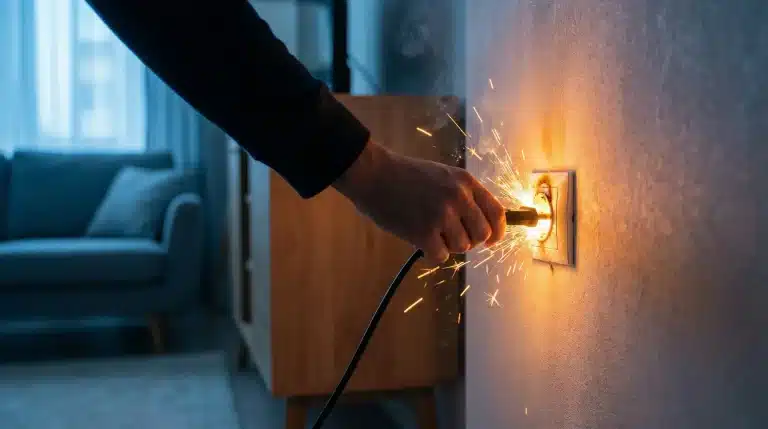
Electrical systems are easy to forget about until something goes wrong. Flickering lights, frequently tripped breakers, or warm outlets are all signs that something isn’t functioning properly. Electrical issues can pose serious safety risks, including fire hazards. That’s why it’s important to stay alert and address anything unusual right away.
Basic tasks, such as checking outlet covers, replacing damaged cords, and testing smoke and carbon monoxide detectors, support a safer home environment. You don’t need to understand wiring to maintain electrical safety; you need to stay observant. For anything beyond simple troubleshooting, it’s best to call a licensed professional. They can inspect your system, identify potential hazards, and suggest changes that improve safety and efficiency. Routine electrical care gives you peace of mind and keeps your home running smoothly.
Maintaining Surfaces, Fixtures, and Everyday Essentials
Some of the most effective home maintenance tasks are the ones that seem minor. Touching up exterior paint, sealing gaps around windows, and re-caulking tubs and showers help prevent water damage and energy loss. Cleaning refrigerator coils, checking dryer vents, and deep-cleaning appliances extend their lifespan and help them work more efficiently.
Inspecting your home regularly allows you to catch issues in their early stages. Loose doorknobs, squeaky hinges, cracked tiles, or worn weatherstripping might not seem urgent, but taking care of them right away prevents further deterioration. A well-maintained interior feels more comfortable and performs better overall. These small tasks are easy to work into your weekly or monthly routine, and they make your home feel cared for and welcoming.
Creating a Home Maintenance Routine That Works for You
The key to successful home care is creating a routine you can stick to. You don’t need to tackle everything at once. Instead, break tasks into monthly, seasonal, and yearly categories. This makes maintenance feel manageable rather than overwhelming. Many homeowners find it helpful to keep a home journal or digital checklist to track completed tasks and upcoming needs.
Start with the essentials, safety checks, plumbing inspections, HVAC maintenance, and exterior care. From there, build in smaller tasks that support comfort and efficiency. The goal isn’t perfection; it’s consistency. When maintenance becomes part of your routine, your home stays healthier, safer, and more enjoyable.
Routine care also saves money in the long run. When you catch issues early, you avoid emergency repairs. When you maintain systems, they run more efficiently. And when your home is well cared for, it supports your quality of life every day.
Keeping up with home maintenance doesn’t have to feel overwhelming. With a simple routine and consistent attention, you can prevent many common problems and maintain a comfortable, safe space for your family. Each small task adds to the overall stability and value of your home, and your efforts pay off in fewer surprises and less stress.
By starting with exterior features, caring for essential systems, and keeping an eye on everyday details, you create a home that works with you, not against you. A well-maintained home isn’t just more efficient. It’s a place you can enjoy and take pride in, year after year.