10 Hidden Red Flags a VIN Check Can Reveal (And What They Mean)

A used car can appear flawless on the surface. Clean interiors, polished paint, and confident seller descriptions create quick trust. That confidence often disappears after purchase, once mechanical faults, legal issues, or safety concerns surface without warning.
A VIN lookup through FAXVIN reports adds structure to the decision process by assembling title data, insurance records, mileage history, recall status, and registration details into one timeline. These records reveal patterns that rarely appear in listings or conversations. Each red flag carries a different level of risk, yet all of them shape ownership cost, safety, and resale value.
#1. Salvage or Rebuilt Title
A salvage or rebuilt title signals that an insurance provider once classified the vehicle as a total loss. Causes often involve severe collisions, fire, or other high-cost damage. Even after inspections and repairs, structural weaknesses or compromised safety systems may persist. Financing options also narrow, and insurance premiums may rise.
Common consequences tied to this title status include:
- Reduced resale value compared to similar clean-title vehicles
- Limited coverage options from major insurers
- Higher difficulty during future resale or trade-in.
This designation alone does not make a vehicle unusable, yet it demands careful evaluation.
#2. Flood Damage History
Flood exposure affects far more than interior materials. Water reaches wiring harnesses, control modules, brake systems, and connectors throughout the vehicle. Corrosion develops slowly and often appears months after purchase. VIN records may show flood branding when insurers or state agencies document the event, which helps buyers avoid cars exposed to hurricanes or prolonged standing water.
#3. Odometer Discrepancies
Mileage should progress in a consistent pattern across registrations, inspections, and service entries. Sudden drops or irregular jumps suggest rollback or reporting errors. Artificially low mileage inflates value while masking wear on engines, transmissions, steering systems, and suspension components. Even small inconsistencies deserve attention due to their long-term impact on reliability.

#4. Frequent Ownership Changes
Ownership timelines reveal how a vehicle fits into long-term use. Several ownership transfers within short intervals can indicate recurring reliability concerns, rising repair costs, or performance issues that made continued ownership impractical. These patterns often emerge when maintenance fails to stabilize the vehicle over time.
By contrast, extended ownership periods suggest that the car delivered consistent functionality without requiring constant corrective work. While ownership duration does not guarantee condition, frequent turnover raises questions that deserve closer review before purchase.
#5. Gaps in Recorded History
A clear vehicle timeline builds trust. Missing years, unexplained state changes, or long pauses in reported activity introduce uncertainty. These gaps sometimes result from title washing or undocumented repairs. Without consistent records, it becomes difficult to verify maintenance habits or confirm legal status during those missing periods.
#6. Accident and Damage Records
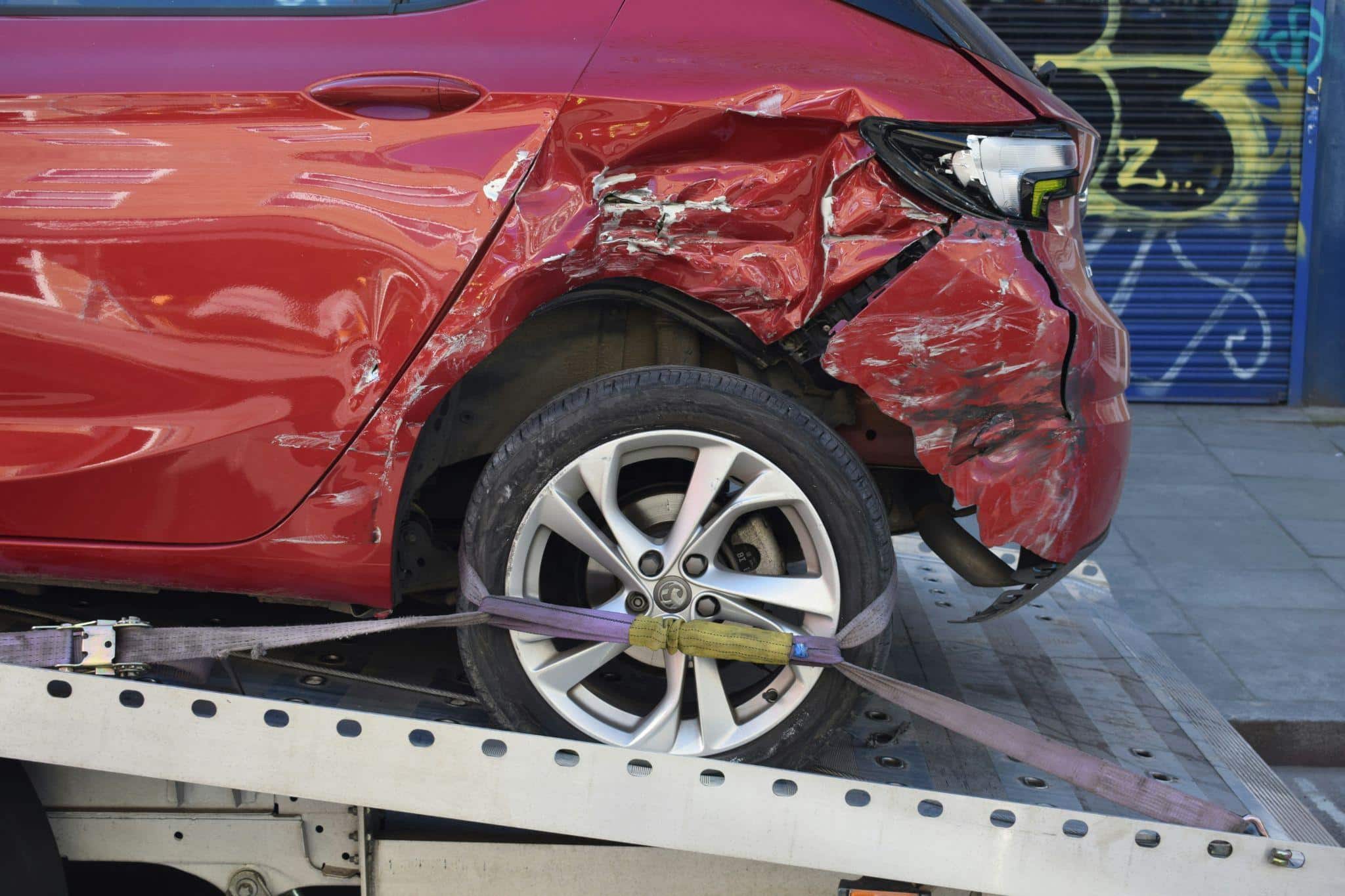
Accident entries appear when insurers, repair facilities, or state authorities report damage. Even collisions labeled as moderate can affect alignment, suspension geometry, or structural integrity. Repeated damage entries suggest cumulative stress on the vehicle.
Records may reveal details such as:
- Dates and severity classifications of reported incidents
- Airbag deployment indicators
- Structural or frame-related alerts
- Impact location details when provided by reporting sources.
Together, these details help place each incident in context and clarify whether damage was isolated or part of a broader pattern that affects long-term reliability.
#7. Open Manufacturer Recalls
Recalls address defects that affect safety or performance. An open recall indicates that required repairs never occurred. Some recalls involve airbags, braking systems, fuel components, or steering assemblies. Unresolved recalls raise safety concerns and may complicate resale, warranty claims, or insurance approval later.
#8. Outstanding Liens or Financial Claims
A lien shows that a lender retains financial interest in the vehicle. Purchasing a car with an unresolved lien exposes buyers to legal disputes or potential repossession. Title records included in a VIN check confirm whether previous loans reached full settlement before sale, which protects ownership rights.
#9. Lemon Law Buyback Designation
Lemon law buybacks occur when manufacturers repurchase vehicles that fail to meet quality standards after repeated repair attempts. These cars may return to the market with state-specific disclosures. Persistent defects often remain, even after repairs, which makes this designation a serious warning for long-term ownership.
#10. Indicators of Unreported Damage
Not all damage reaches insurance databases. Inspection notes, structural alerts, or repair-related entries without formal accident reports can suggest undocumented work. These signs raise concerns about repair standards and part quality. A professional inspection becomes essential when records point to damage without full documentation.
Why Hidden Details Matter Most
A VIN check does more than confirm basic facts. It exposes patterns that influence safety, reliability, and total cost over time. Identifying red flags early allows buyers to make decisions based on evidence instead of appearance. That clarity often prevents costly surprises long after the sale concludes.