Faux Artificial Plants for Restaurants, Hotels, and Retail Spaces

In the world of interior design, creating a welcoming and vibrant atmosphere is essential for businesses in the hospitality, retail, and foodservice industries. One of the most effective ways to enhance the ambiance of these spaces is by incorporating greenery.
However, while real plants can offer beauty and natural appeal, they also come with their own set of challenges. This is where faux artificial plants can step in as an ideal solution. Not only do they provide the aesthetic benefits of greenery without the maintenance hassles, but they also help businesses maintain a consistently appealing environment.
The Role of Greenery in Commercial Spaces
Whether it’s a trendy restaurant, a luxury hotel lobby, or a bustling retail store, the atmosphere plays a significant role in shaping customer experience. Studies have shown that environments filled with plants can improve mood, reduce stress, and create a more positive overall atmosphere. A report published in the Journal of Environmental Psychology highlighted that the presence of plants can increase customer satisfaction and even boost sales in retail settings.
For businesses that want to create a comfortable, inviting space, plants—real or artificial—are a great tool to help achieve this goal. However, real plants require time, attention, and resources to keep them healthy and vibrant. This is where faux artificial plants become particularly beneficial, providing all the visual advantages of live plants without the upkeep.
Benefits of Faux Artificial Plants
1. Low Maintenance
One of the most significant advantages of faux artificial plants is their low maintenance. Real plants require regular watering, pruning, and care, which can be time-consuming and costly for businesses. Faux artificial plants, on the other hand, need little more than occasional dusting. They retain their aesthetic appeal year-round, ensuring that businesses don’t have to worry about wilting, brown leaves, or dead plants that could negatively impact the atmosphere.
2. Durability and Longevity
Faux artificial plants are highly durable and can last for many years, even in high-traffic areas where real plants might struggle to thrive. In restaurants, hotels, and retail stores, the constant flow of customers, varying lighting conditions, and temperature changes can create an environment that is challenging for live plants. Faux artificial plants, made from high-quality materials like silk, plastic, or polyester, are resistant to fading, discoloration, and damage, making them an ideal long-term investment.
3. Consistent Aesthetic Appeal
The look of real plants often varies depending on their health and the time of year. Some plants may be at their best during certain seasons, but when they’re not flourishing, they can detract from the overall design of the space. Faux artificial plants, on the other hand, maintain their vibrant color and fresh appearance all year round, providing a consistently beautiful display without the need for seasonal maintenance.
4. Allergen-Free Environment
Real plants can sometimes trigger allergies, especially in spaces where the air quality may already be compromised. Pollen, mold, and mildew from real plants can contribute to respiratory issues for both employees and customers. Faux artificial plants eliminate this concern entirely, providing the aesthetic benefits of greenery without any potential allergens.
Choosing the Right Faux Artificial Plants for Commercial Spaces
While faux artificial plants offer numerous benefits, it’s important for businesses to carefully select the right plants for their specific needs. Here are some factors to consider when choosing faux plants for restaurants, hotels, or retail spaces:
1. Realism and Quality
The quality of faux artificial plants has greatly improved over the years. Today’s artificial plants are often indistinguishable from real ones, thanks to advances in manufacturing and materials. When selecting faux plants for your business, look for those that are designed to replicate the texture, color, and overall appearance of natural plants. High-quality faux plants should have realistic veins in the leaves, lifelike colors, and an authentic look that adds to the overall ambiance of your space.
2. Size and Placement
Consider the layout and size of your space when selecting faux plants. In larger areas, such as hotel lobbies or expansive retail floors, tall trees or large potted plants can create a bold statement and help fill empty corners. Smaller plants or arrangements work well for more intimate spaces like restaurant tables or reception areas. Be mindful of the scale of the plant in relation to the surrounding decor to ensure that it complements the overall design of the space.
3. Style and Design
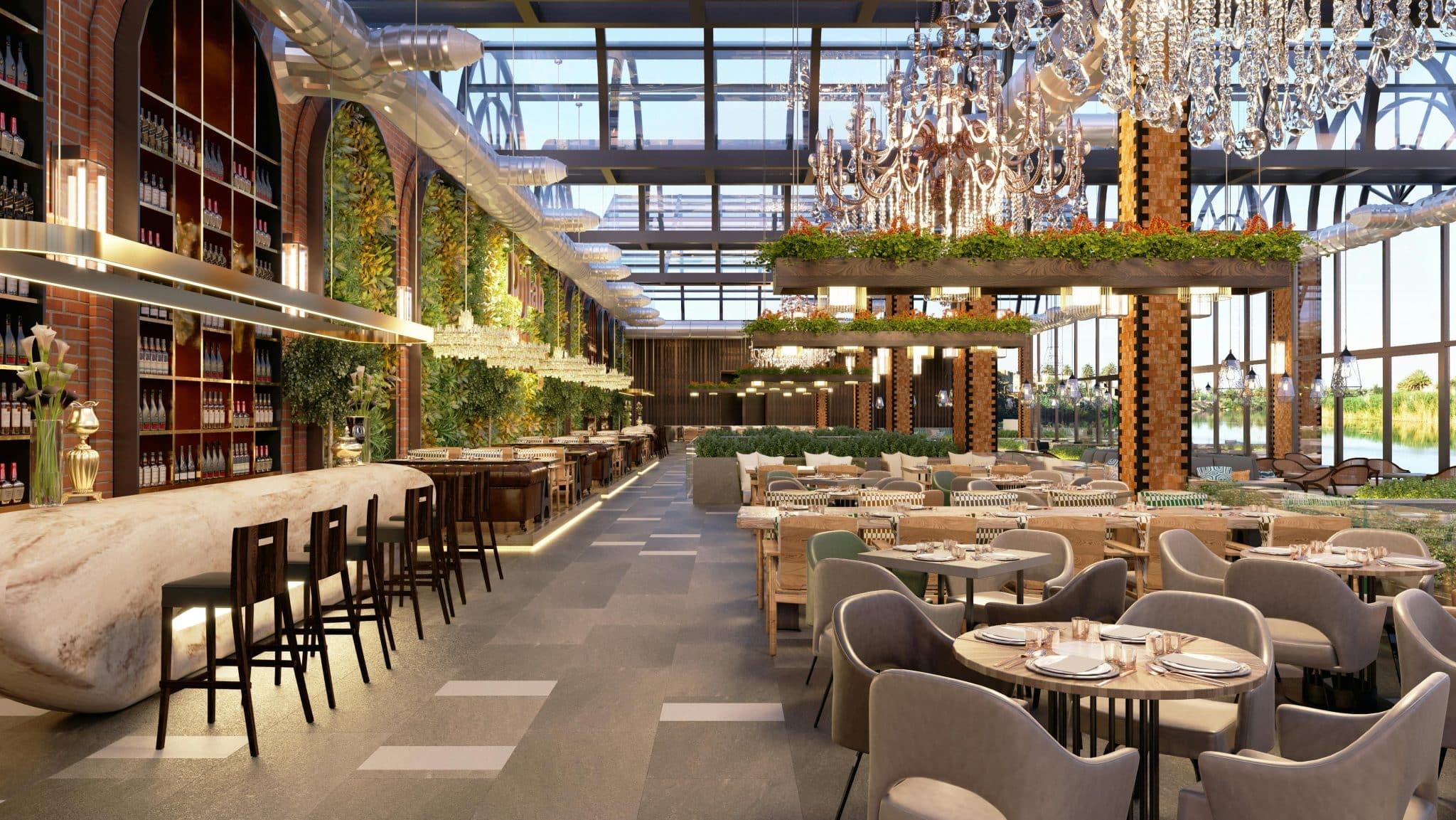
Faux artificial plants come in a wide variety of styles, from lush tropical plants and succulents to more formal arrangements of boxwood or topiary. For restaurants and cafes, plants with a natural, organic feel—like ferns or ivy—are often ideal, helping to create a warm, welcoming atmosphere. On the other hand, hotels may prefer more refined, structured plants, such as bonsai trees or bamboo, to align with the sophistication of the space. Retail environments may benefit from eye-catching, statement plants that draw attention to specific displays or areas.
4. Maintenance Requirements
While faux artificial plants are low-maintenance in comparison to real plants, it’s still important to consider the cleaning requirements. Depending on the material, some faux plants may require occasional dusting or gentle wiping to maintain their appearance. Opt for plants that are easy to clean and maintain, especially in high-traffic environments where dust can accumulate quickly.
Faux Artificial Plants as Sustainable Solutions
In recent years, sustainability has become a central focus for many businesses, and this extends to interior design choices as well. While real plants are often seen as an environmentally friendly option, faux artificial plants can also be considered a sustainable solution when chosen wisely. High-quality faux plants are durable and long-lasting, reducing the need for constant replacement and waste. Additionally, faux plants can be reused and repurposed for different displays or seasonal changes, making them a more sustainable choice in the long run.
It’s worth noting that not all artificial plants are created equal in terms of sustainability. Some lower-quality faux plants may be made from non-recyclable plastics, which can have a negative environmental impact. However, many manufacturers now offer eco-friendly faux plants made from recyclable materials, so businesses can make more sustainable choices without sacrificing quality or aesthetic appeal.
Faux Artificial Plants and Branding
In commercial spaces like restaurants, hotels, and retail stores, the environment plays a key role in branding. Faux artificial plants can be used strategically to reinforce a brand’s identity and message. For example, a modern hotel chain might use sleek, minimalist plants in its lobby to reflect a contemporary and upscale image, while a rustic farm-to-table restaurant might opt for an abundance of greenery to emphasize its connection to nature and local sourcing. By incorporating faux plants thoughtfully into the design, businesses can enhance their branding efforts and create an environment that speaks to their core values.
Conclusion
Faux artificial plants offer a range of benefits for restaurants, hotels, and retail spaces, from enhancing aesthetic appeal to providing low-maintenance solutions that stand the test of time. With their durability, realistic appearance, and versatility, these plants can transform any commercial space into a more inviting and attractive environment for customers.
Whether used to add a touch of greenery to a minimalist design or create a lush, tropical atmosphere, faux artificial plants provide a practical and sustainable alternative to real plants, allowing businesses to maintain a beautiful, consistent look without the hassle of upkeep.
For businesses looking to create a more welcoming environment, faux artificial plants present a cost-effective and reliable solution. With the right selection of plants and strategic placement, these artificial alternatives can enhance the overall design, improve the customer experience, and contribute to the long-term success of the space.