
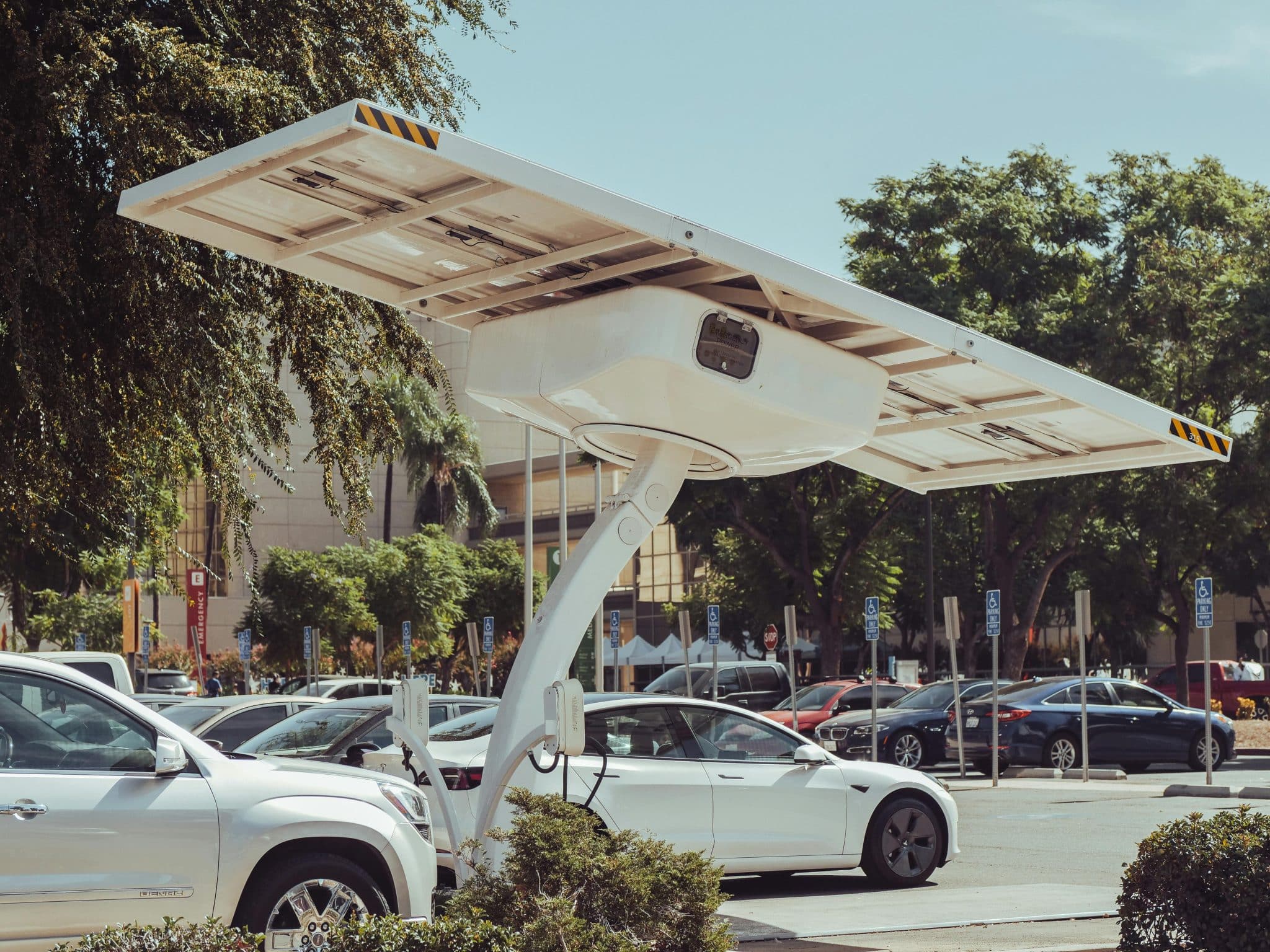
EV Charger Installation: Complete Homeowner’s Guide

EV charger installation transforms how you power your electric vehicle, turning your garage or driveway into a reliable overnight fueling station. As EV adoption accelerates in 2025, understanding the installation process helps you make informed decisions about equipment, electrical requirements, and costs before scheduling your installation appointment.
The core answer is straightforward: a typical home EV charger installation involves adding a dedicated 240 V Level 2 charging circuit, completed by a licensed electrician in approximately 2–4 hours of on-site work. Total installation costs typically range from $500–$2,500 for standard setups, though complex situations requiring electrical upgrades or long wiring runs can exceed this range.
This guide focuses on residential EV charger installation for single-family homes and townhomes in North America and Europe. Commercial installations, public charging stations, and DC fast charging equipment fall outside this scope—those projects involve substantially different electrical infrastructure and permitting requirements.
What you’ll learn:
- How to choose the right charger type and amperage for your driving needs
- How to assess your home’s electrical panel capacity before installation
- What to expect during the installation process and inspection
- Typical timelines and realistic cost breakdowns
- How to leverage tax credits and incentives to reduce your total investment
Understanding Home EV Charging Basics
Home EV charging means plugging in your electric vehicle overnight and waking to a full battery every morning—no gas station trips, no scheduling around public charger availability. This daily convenience is the primary reason most EV owners pursue a Tesla home charging installation, or any other types.
Before booking an installation appointment, understanding the difference between Level 1 and Level 2 charging, realistic charging speeds, and basic electrical concepts helps you communicate effectively with your certified installer and avoid surprises.
Charging Levels: Level 1 vs Level 2 at Home
Level 1 charging uses a standard 120 V household outlet, delivering approximately 1.2–1.8 kW of power. This adds roughly 5–8 km (3–5 miles) of range per hour of charging. For a typical 60 kWh battery, a full charge from empty would take over 40 hours—impractical for most drivers.
Level 2 charging uses a dedicated 240 V circuit with chargers rated between 16–80 A, though residential installations commonly use 32–48 A units. A 40 A Level 2 charger delivers approximately 9.6 kW, adding 40–50 km (25–30 miles) of range per hour. This means recovering 250–400 km of range during an 8-hour overnight session—sufficient for nearly any daily driving pattern.
Level 1 may suffice if you drive under 50 km daily or own a plug-in hybrid with a small battery. However, if you regularly drive longer distances, own a large battery EV, or plan to add a second vehicle, a Level 2 charger installation becomes essential for practical daily use.
Key Electrical Concepts for Homeowners
Understanding basic electrical terms helps you assess your home’s readiness for EV charging. Voltage (V) measures electrical pressure, amperage (A) measures current flow, and power (kW) represents the rate of energy delivery.
The calculation is simple: Power (kW) = Voltage × Amps ÷ 1000. For example, a 240 V circuit with a 40 A charger delivers 9.6 kW (240 × 40 ÷ 1000). A 48 A charger on the same voltage provides 11.5 kW.
Your main electrical panel has a service rating—commonly 100 A, 150 A, or 200 A for residential properties. The panel must provide sufficient capacity for your existing loads (HVAC, water heater, electric range) plus the new EV charger. Electrical codes treat EV charging equipment as a continuous load, requiring electricians to size circuits at 125% of the charger’s rated current. A 40 A charger therefore needs a properly sized breaker rated at 50 A, with appropriately rated wiring.
Understanding these basics positions you to make informed decisions about charger selection and installation layout.
Planning Your EV Charger Installation
With charging levels and electrical concepts clear, the next step involves planning the right hardware, location, and confirming your electrical capacity. Thoughtful planning significantly reduces costs and prevents surprise panel upgrades during the installation process.
Choosing the Right Home Charger Type and Amperage
Home EV chargers come in two configurations: plug-in units (using outlets like NEMA 14-50) and hardwired installations. Plug-in chargers offer flexibility—you can easily relocate or replace them—while hardwired units provide a cleaner installation and may be required by local regulations for outdoor installations.
Common residential amperage options include:
- 32 A (~7.7 kW): Suitable for smaller EVs and moderate daily driving
- 40 A (~9.6 kW): The sweet spot for most households
- 48 A (~11.5 kW): Ideal for larger batteries or future-proofing for a second EV
- 60 A (~14.4 kW): Maximum practical for residential without major electrical upgrades
Modern connectors include J1772 (standard for most EVs) and NACS (increasingly adopted across manufacturers in 2025). Verify your vehicle’s port type and plan for any needed adapters.
Smart features worth considering:
- Wi-Fi connectivity and app integration for remote monitoring
- Scheduled charging to use off-peak electricity rates
- Load management to share capacity with other household circuits
- Energy monitoring to track consumption and costs
Deciding on the Installation Location
Primary placement options include interior garage walls, exterior walls near driveways, or carport-mounted posts. Garage installations offer weather protection and simpler wiring runs. Exterior installations require outdoor-rated charging equipment and appropriate enclosures.
Minimizing distance between your electrical panel and the installation site directly reduces costs—shorter cable runs mean less conduit, fewer materials, and reduced labor. For detached garages or distant parking spaces, trenching may be required, adding significant expense.
Practical considerations include ensuring the charging cable reaches your vehicle’s port regardless of parking orientation, mounting the charging unit at accessible height (typically 1000–1270 mm above floor level), and routing cables to avoid trip hazards.
Checking Your Home’s Electrical Capacity
Begin with a basic self-assessment: locate your main electrical panel and identify its service rating (printed on the main breaker). Note existing major loads—HVAC systems, electric water heaters, ranges, and dryers each draw significant current.
Modern homes with 200 A service typically accommodate a 40–48 A EV charger without upgrades. Older homes with 60–100 A service may require professional load calculations or alternatives. Load management devices can dynamically limit EV charging current when other appliances are running, potentially avoiding costly service upgrades.
Final capacity assessment must be performed by a licensed electrician, but understanding your starting point helps you answer a few questions during the initial consultation and obtain accurate custom estimates.
The EV Charger Installation Process Step by Step
While details vary by home and local jurisdiction, most residential installations follow a predictable sequence. Understanding this process helps you schedule appropriately and prepare your home.
Step-by-Step Installation Workflow
- Online assessment or site visit — The installer reviews photos of your electrical panel, garage, and parking area. Many providers like Pier Electric offer an initial home charging assessment through their nationwide network, allowing you to upload photos and answer questions before receiving a custom estimate.
- Permit application — Your electrician submits required permits to local authorities. Some jurisdictions offer expedited permitting for standard Level 2 charger installations; others require detailed plan review. Applicable fees vary by location.
- Panel preparation — The electrician adds a new double-pole circuit breaker, performs any necessary panel reorganization, and installs load management devices if required to accommodate additional electrification technologies in your home.
- Wiring runs and conduit — Cables are routed from panel to charger location through walls, attics, or exterior conduit. Indoor runs typically use cable; outdoor installations require weatherproof conduit.
- Mounting and connections — The charging unit is secured, electrical connections completed per manufacturer specifications, and the circuit properly labeled to meet code requirements.
- Testing and commissioning — The installer verifies voltage, tests ground-fault protection, and performs a trial charge session to confirm complete functionality before you start charging.
- Inspection and sign-off — A local authority inspector verifies the installation meets code. Once approved, your EV charger installation is complete.
Typical Timeline from Quote to First Charge
Physical installation typically takes 2–4 hours. However, the overall process from initial contact to first charge spans 1–6 weeks depending on installer availability, permitting speed, and utility coordination requirements.
- Straightforward installation (existing capacity, short cable run): 1–2 weeks
- Standard installation (minor panel work, moderate distance): 2–4 weeks
- Complex installation (service upgrade, trenching required): 4–8 weeks
Permit approval and utility scheduling cause most delays. While waiting, you can save time by ordering your charger, clearing the installation area, and gathering documentation for incentive claims.
Home vs Multi-Unit and Rental Situations
Apartment and condo installations require additional coordination with property managers and homeowner associations. Shared electrical infrastructure complicates capacity assessment, and dedicated parking requirements must be verified.
Some regions have “right-to-charge” regulations allowing tenants to request EV charger installation under specified conditions. The technical installation process remains similar, but expect additional paperwork and approval timelines.
Common EV Charger Installation Challenges and How to Solve Them
Most obstacles have practical solutions, even for older properties with limited electrical infrastructure.
Limited Electrical Panel Capacity
Older or fully loaded panels may lack room for high-amperage circuits. Solutions include professional load calculations, selecting a lower-amperage charger, installing automatic load-control devices, or planning panel upgrades alongside other home improvements to share costs.
Difficult Cable Runs and Long Distances
When panels are far from parking areas, installation costs increase. Minimize expense by selecting closer mounting points, routing conduit along existing paths, or coordinating EV wiring with scheduled installation, drywall work, or other repairs already planned.
No Garage or Private Driveway
Street parking or shared lots complicate dedicated charger installation. Options include curbside charging posts (where permitted), shared chargers in communal parking, or relying on workplace and public charging while planning future home upgrades.
Weather Exposure and Outdoor Installations
Outdoor chargers face sun, rain, snow, and temperature extremes. Select equipment with appropriate outdoor ratings, use protective enclosures when needed, and route cables to prevent water pooling and ice accumulation.
Conclusion and Next Steps
Successful EV charger installation requires matching charger capacity to your driving needs and electrical panel capabilities, selecting an appropriate location, and working with qualified professionals who understand local codes and permitting requirements. Professional installation ensures safety, code compliance, and eligibility for incentives.
Your next steps:
- Confirm your vehicle’s connector type and daily charging needs
- Inspect your electrical panel rating and parking layout
- Research available tax credits and local incentives
- Request quotes from 2–3 licensed installers with EV experience
- Schedule your installation assessment
Consider exploring related topics such as smart charging strategies for off-peak savings, integrating solar with home EV charging, or planning wiring infrastructure to future proof for a second vehicle.