The Australian commercial construction sector continues experiencing remarkable growth and transformation. Business owners face increasing pressure to create functional, cost-effective spaces that support operational excellence.
Commercial fitout projects range from simple office renovations to complex industrial installations. Understanding available options helps decision-makers select solutions that deliver maximum value for their investment.
The Evolving Landscape of Commercial Spaces
Modern businesses require flexible spaces that adapt to changing operational demands. Static, permanent structures no longer suit every commercial requirement effectively.
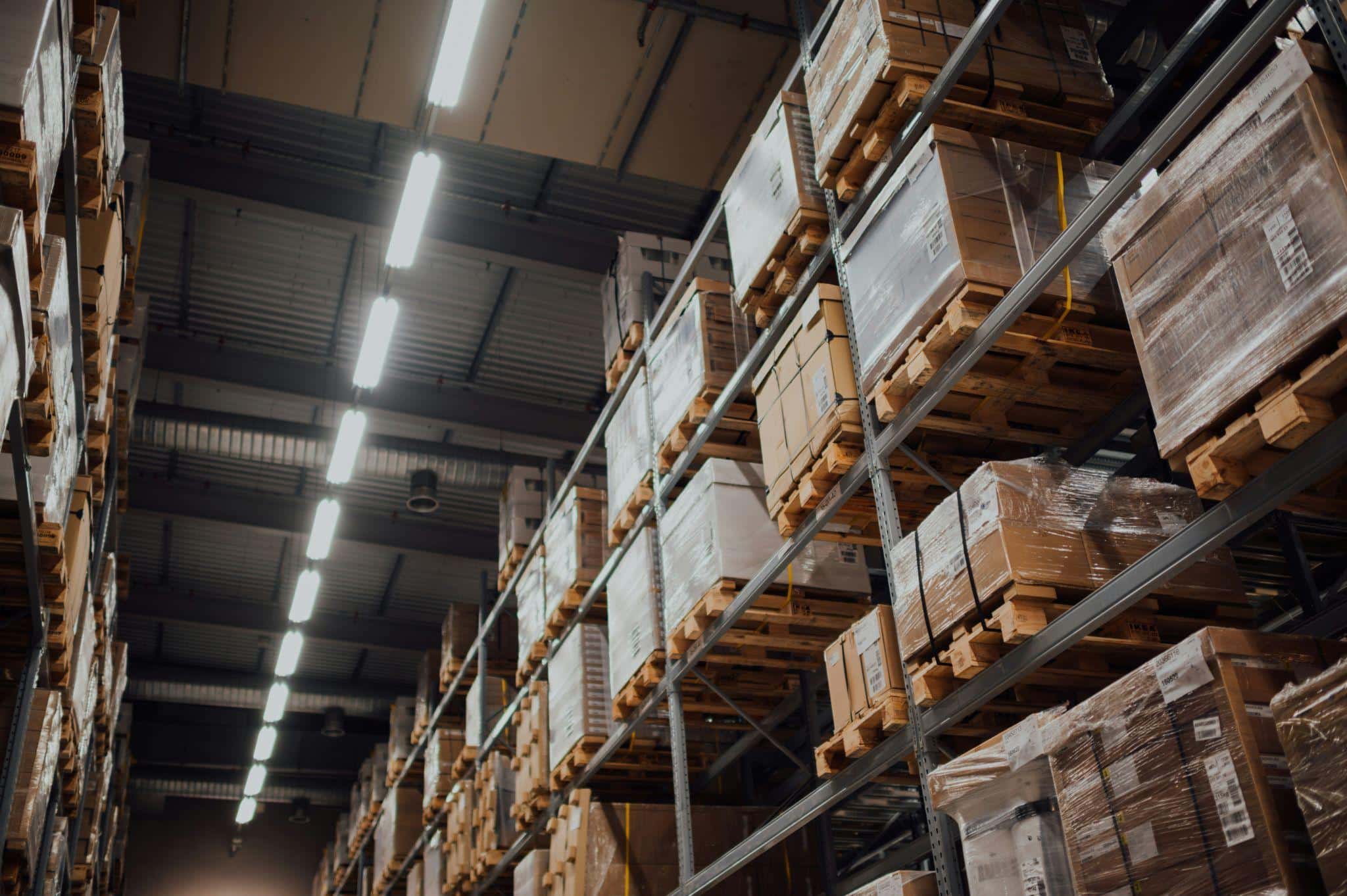
The rise of e-commerce has transformed warehousing and logistics requirements dramatically. Companies need storage solutions that scale with seasonal demands and business growth.
Event-based businesses face unique challenges requiring temporary covered spaces. Agricultural operations similarly need protection for equipment, livestock, and produce storage.
Understanding Commercial Fitout Categories
Commercial fitouts encompass diverse project types across multiple industries. Each category presents unique challenges requiring specialised solutions and expertise.
Retail fitouts focus on customer experience and brand presentation elements. Office environments prioritise productivity, collaboration, and employee wellbeing factors.
Industrial fitouts address operational efficiency, safety compliance, and equipment accommodation. Hospitality projects balance aesthetic appeal with functional service requirements seamlessly.
The Rise of Flexible Shelter Solutions
Traditional construction methods cannot always meet modern business timelines. Innovative shelter systems offer rapid deployment without sacrificing quality or durability.
Dome structures have emerged as popular solutions for diverse commercial applications. Their engineering efficiency creates maximum covered space with minimal material usage.
Businesses across Queensland increasingly recognise the value of dome shelter Brisbane solutions for their operations. These versatile structures serve warehousing, manufacturing, agriculture, and event applications equally well.
The speed of installation dramatically reduces business disruption during expansion projects. Many dome shelters become operational within days rather than the months required for conventional construction.
Applications Across Industries
Mining and resources companies utilise dome shelters for equipment storage and maintenance facilities. These structures withstand harsh conditions while providing essential weather protection.
Agricultural businesses protect valuable machinery and harvested crops from weather damage effectively. Livestock operations benefit from well-ventilated covered spaces during extreme weather events.
Transport and logistics companies expand warehousing capacity rapidly using dome technology. The clear-span interiors accommodate large vehicles and equipment without obstructive columns.
Cost Advantages of Modern Shelter Systems
Budget considerations significantly influence commercial fitout decisions everywhere. Dome structures typically cost substantially less than equivalent conventional buildings.
Reducing foundation requirements lowers overall project expenditure considerably. The lightweight yet strong design minimises site preparation and engineering expenses.
Ongoing operational costs favour dome structures through superior energy efficiency characteristics. Natural ventilation and insulation options reduce climate control expenses throughout building lifespans.
Planning Your Commercial Shelter Project
Successful shelter installations begin with thorough needs assessment processes. Understanding current requirements and future growth projections guides appropriate sizing decisions.
Site evaluation identifies optimal positioning for access, drainage, and utility connections. Local council requirements and building codes influence design specifications and approval timelines.
Professional suppliers provide comprehensive guidance throughout the planning and installation phases. Their expertise ensures compliance while maximising functionality for specific applications.
The Critical Role of Steel in Commercial Construction
While shelter systems address many commercial needs, permanent steel construction remains essential. Structural steel forms the backbone of countless commercial and industrial facilities.
The versatility of steel enables architects and engineers to realise ambitious design visions. From towering office buildings to sprawling manufacturing plants, steel makes it possible.
Australian standards demand exceptional quality in structural steel components consistently. Only certified suppliers can guarantee materials meeting these rigorous requirements reliably.
Choosing Quality Steel Suppliers
The integrity of any steel structure depends entirely on material quality. Substandard steel compromises safety and longevity unacceptably in commercial applications.
Reputable suppliers like Trusteel provide certified products meeting Australian construction standards. Their commitment to quality ensures structural integrity throughout building lifespans.
Comprehensive product ranges simplify procurement for complex commercial projects efficiently. Single-source supply reduces coordination challenges and ensures material compatibility throughout.
Steel Applications in Commercial Fitouts
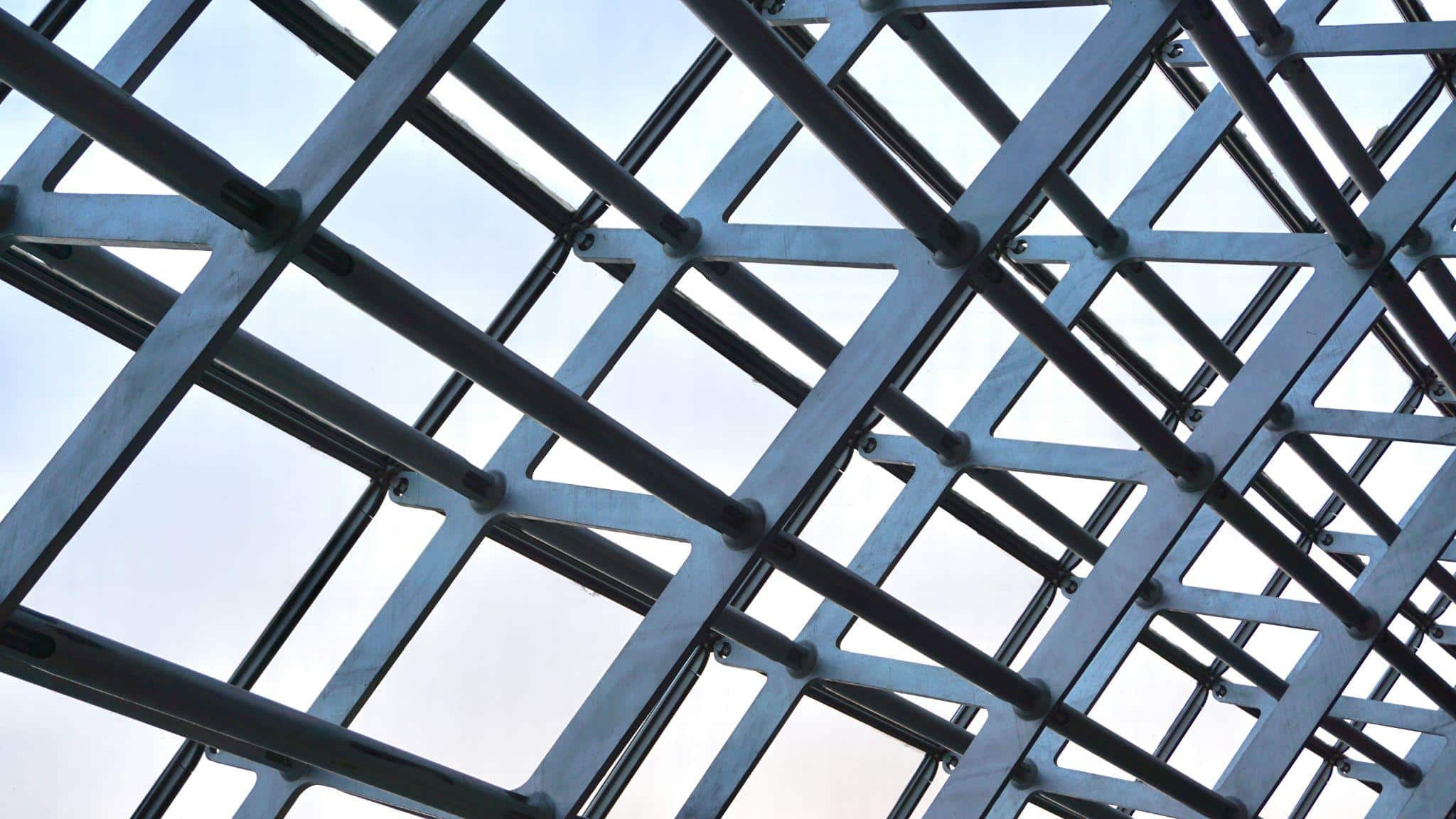
Structural framing creates the skeleton supporting entire commercial buildings reliably. Columns, beams, and trusses transfer loads safely to foundation systems below.
Mezzanine floors expand usable space within existing building envelopes economically. Steel construction enables rapid installation with minimal disruption to ongoing operations.
Architectural features increasingly showcase exposed steel as design elements intentionally. Industrial aesthetics celebrate structural honesty in modern commercial interiors beautifully.
Balancing Temporary and Permanent Solutions
Smart commercial fitout strategies often combine multiple construction approaches strategically. Permanent steel structures house core operations while flexible shelters accommodate variable needs.
This hybrid approach optimises capital allocation across different business requirements effectively. Fixed investments protect essential functions while temporary solutions address fluctuating demands.
Scalability becomes achievable without massive upfront construction commitments initially. Businesses can grow infrastructure alongside revenue rather than anticipating future needs speculatively.
Compliance and Certification Requirements
Australian commercial construction faces comprehensive regulatory oversight appropriately. Building codes, workplace safety requirements, and environmental standards all apply strictly.
Steel structures require engineering certification confirming design adequacy for intended loads. Material traceability documentation proves compliance with Australian standards throughout supply chains.
Shelter systems must similarly meet relevant standards for their intended applications. Reputable suppliers provide necessary documentation supporting approval applications comprehensively.
Working with Professional Contractors
Complex commercial fitouts benefit from experienced contractor involvement throughout projects. Their expertise navigates regulatory requirements while optimising construction efficiency.
Established contractors maintain relationships with quality material suppliers already. These connections often secure preferential pricing and priority delivery scheduling advantageously.
Project management capabilities ensure coordinated execution across multiple trades simultaneously. Professional oversight prevents costly delays and quality compromises during construction phases.
Sustainability Considerations
Environmental responsibility increasingly influences commercial construction decisions significantly. Both steel and modern shelter systems offer compelling sustainability credentials.
Steel ranks among the most recycled materials globally with established recovery systems. End-of-life structures contribute materials to future construction rather than landfill waste.
Dome shelters minimise material usage through engineering efficiency principles inherently. Their relocatable nature extends useful life across multiple sites and applications.
Timeline Expectations for Commercial Projects
Project duration varies enormously depending on the scope and complexity factors. Simple shelter installations may be completed within weeks of order confirmation.
Major steel construction projects typically span months from design through completion. Realistic scheduling prevents business disruption and cost overruns during construction phases.
Phased approaches allow for continued operations during extensive renovation projects successfully. Careful planning sequences work to minimise interference with revenue-generating activities.
Budgeting for Commercial Fitouts
Accurate budgeting requires a comprehensive understanding of all project components involved. Material costs, labour expenses, permits, and contingencies all require allocation.
Quality materials from reputable suppliers prevent expensive failures and replacements later. The apparent savings from cheap alternatives evaporate through premature replacement needs.
Professional quantity surveying identifies all requirements before construction commences properly. This discipline prevents budget surprises that derail projects mid-construction disastrously.
Future-Proofing Commercial Investments
Business environments evolve constantly, requiring adaptable commercial spaces always. Design decisions today should accommodate foreseeable changes tomorrow, where possible.
Modular construction approaches enable reconfiguration as operational needs shift naturally. Steel structures particularly suit modification and extension projects economically.
Technology integration requirements continue expanding across all commercial sectors rapidly. Infrastructure provisions for future systems protect investments against premature obsolescence effectively.
Selecting the Right Partners
Commercial fitout success depends heavily on partner selection decisions ultimately. Suppliers, contractors, and consultants all influence project outcomes significantly.
Track records demonstrate capability more reliably than promises or proposals alone. References from similar completed projects provide valuable insight into actual performance.
Communication quality during initial discussions predicts ongoing relationship effectiveness accurately. Partners who listen carefully and respond thoughtfully typically deliver superior results.
Maximising Return on Investment
Commercial fitouts represent significant capital investments requiring justification clearly. Properly planned projects deliver returns through operational improvements and asset appreciation.
Functional spaces enhance productivity, reduce waste, and improve employee satisfaction measurably. These operational benefits compound throughout facility lifespans generating substantial returns.
Quality construction maintains value better than budget alternatives over extended periods. Premium materials and workmanship prove economical through longevity and reliability consistently.
Conclusion
Commercial fitout projects demand thoughtful planning and quality execution throughout. From flexible shelter solutions to permanent steel construction, options abound for every requirement.
Partnering with reputable suppliers ensures materials meet Australian standards reliably. Professional installation guarantees performance matching design intentions precisely.
Your commercial space represents a critical business asset deserving quality investment. Choose solutions and partners that deliver lasting value for your organisation’s future.
Mark Scott, a professional with a degree in Construction Management from Texas A&M University, has been a key part of our home renovation and improvement section since 2020. With over 15 years of experience in construction, he specializes in transforming homes into modern, functional spaces. His previous experience as a contractor gives him practical insights into home improvement projects. He is also a DIY enthusiast, sharing his passion through community workshops.