
Dermatologists Weigh in On Long-Term Hair Removal Technologies

Wanting to learn more about the benefits and drawbacks of permanent hair removal will likely drag you down one of two competing paths. One promises smooth skin forever, and the other is a horror thread about burns and surprise regrowth.
Dermatologists tend to land in the boring but generally accurate middle: you can get long-lasting results, but the fine print matters, and that fine print shows up fast in the laser hair removal vs electrolysis debate.
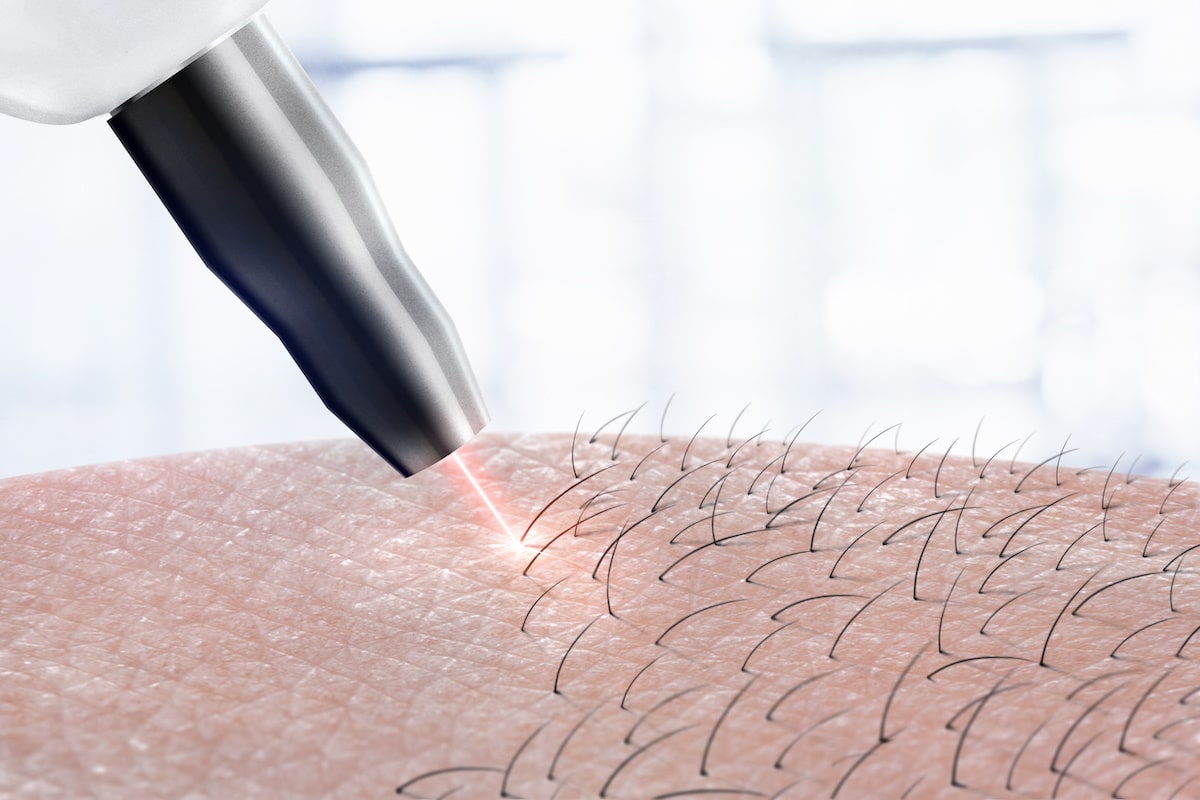
The short version is that lasers aim for durable reduction over wide areas, while electrolysis aims for true removal one follicle at a time.
True meaning of “permanent”
Laser devices are typically cleared for “permanent hair reduction,” not a guarantee that every follicle is gone. An FDA 510(k) summary defines permanent hair reduction as a long-term, stable drop in regrowth measured at 6, 9, and 12 months after finishing a treatment regimen.
Electrolysis sits in a different bucket as the only permanent hair removal method approved by the FDA, since it destroys the growth cells inside each targeted follicle.
Laser vs. Electrolysis: What dermatologists think
For legs, underarms, back, and chest, laser often gets the first recommendation for one simple reason: speed. The American Academy of Dermatology (AAD) notes that after six or more treatments, laser hair removal can be permanent, with an exception it calls out for a woman’s face.
The same guidance also flags a key limitation: lasers do not work well on blonde, white, gray, or red hair.
The part dermatologists repeat, and people love to ignore, is that results depend heavily on the provider and settings. The AAD warns that inexperienced treatment can injure skin, including burns and dark spots.
Electrolysis, on the other hand, is the method that comes up when someone wants specific hairs gone for good, especially on the face, or when hair is too light for lasers to target. The tradeoff is time. Cleveland Clinic notes most people need a series of sessions that can extend over many months, since each follicle gets treated individually.
Done correctly, risks stay low. Scarring is rare, with small infection risks tied to poor technique or unsterile equipment, which is why qualifications and hygiene protocols matter.
That said, if your skin barrier is already irritated, treatments tend to feel worse and look worse the next day. This complete guide to better health is a good reminder that simple, consistent skincare usually beats random product hopping.
How to choose without overthinking
Laser usually fits when you want to clear a large area quickly, and you are fine with occasional maintenance sessions later, and electrolysis is the better choice when you want permanent removal of a smaller area, when hairs are light, or when facial hair keeps coming back.
Either way, ask about patch testing, sun avoidance, and aftercare before your first full session. Those basics do more to prevent irritation and dark marks than any miracle post-treatment cream.
What about longevity?
A practical way dermatologists frame it is this: laser is long-term reduction, electrolysis is permanent removal. An open-access dermatology review on laser treatment in hirsutism summarizes outcomes across studies and notes that repeated laser treatments can lead to much larger reductions than a single session, with effects that may persist up to about 12 months in some reports.
Track results like a scientist
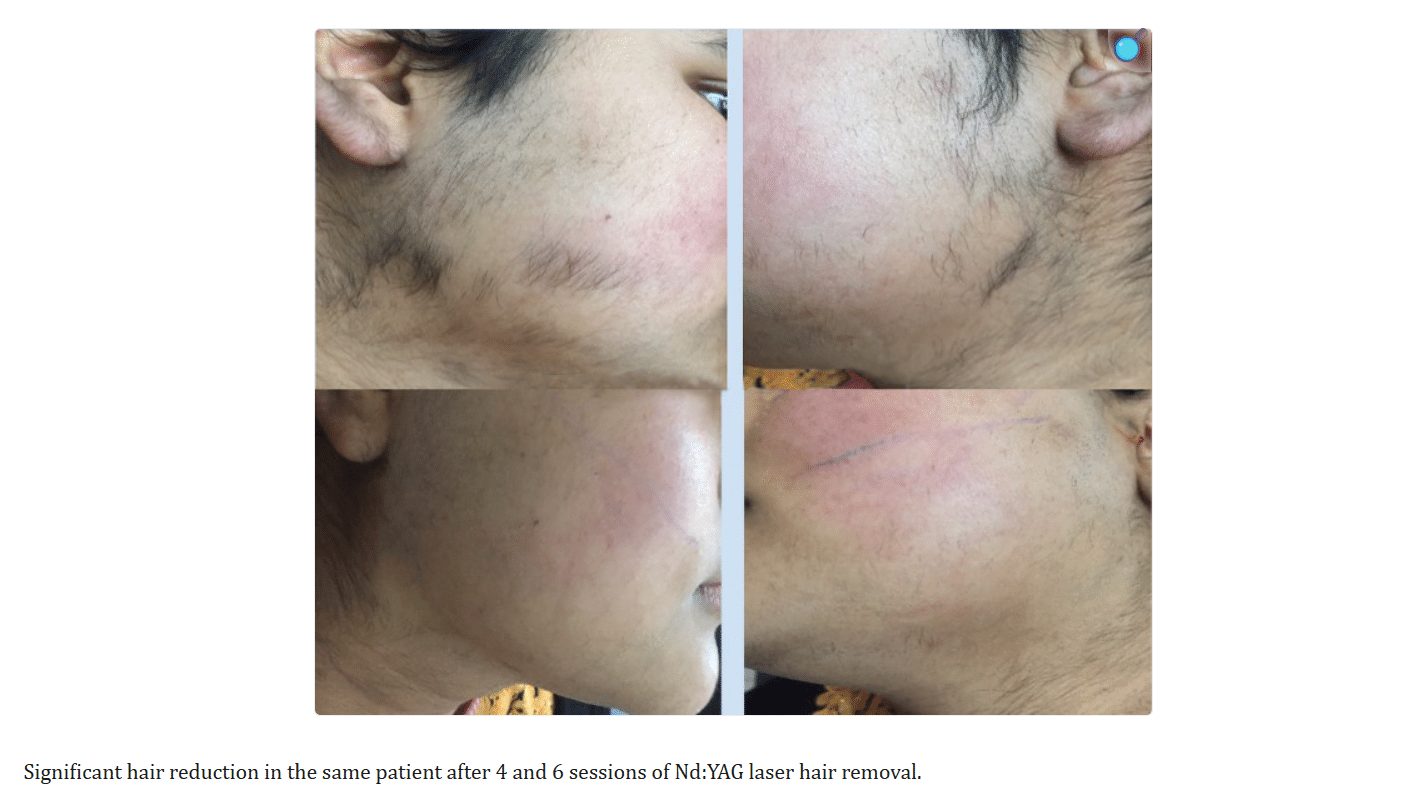
Hair removal progress can feel weirdly invisible day to day, which is how people end up switching methods mid-stream or booking extra sessions out of impatience. Instead, set up a simple tracking routine that takes five minutes a month.
Snap two photos of the treated area in the same spot and lighting, then jot down how fast hair is coming in, how coarse it looks, and whether you needed to shave more or less often. That tiny log gives you clarity without turning your bathroom into a lab.
If you want a practical framework for keeping routines consistent when life gets busy, this piece on creating a balanced life makes for a good companion read.
Bottom line
Dermatologists are not picking a single winner for everyone, but matching tools to goals. Laser is the scalable choice for long-term reduction, and electrolysis is the precision choice for permanent removal.
Whichever route you choose, treat safety like part of the price, and always choose a board-certified dermatologist for laser treatments.