Comfortable & Healthy Home Tips for Seniors’ Wellbeing

There’s this thing that happens with ageing that nobody really prepares you for. Your home stays exactly the same while your body quietly changes the rules. My dad lived in his house for 35 years before he mentioned the stairs feeling different. Spoiler alert, the stairs hadn’t changed one bit.
He had, though. His knees weren’t cooperating like before, his eyesight had gotten fuzzier, and that bathroom tile he installed himself back in 1989 suddenly felt slippery. Most people think fixing this means expensive renovations or hiring contractors. Nope. The stuff that actually helps? Usually simple, often cheap, definitely doable over a weekend or two. Let’s get into what works.
1. Keep Indoor Air Fresh and Clean
Stuffy air is one of those things you don’t notice until it’s really bothering you. For seniors dealing with asthma or allergies, though, it’s a constant low-level annoyance. Opening windows helps when the weather’s nice, but what about the rest of the year? Air purifiers with HEPA filters make a legit difference. They catch all the microscopic stuff floating around that you’d never see otherwise. Dust, pollen, whatever else is drifting through your place.
Quick thing to check: is furniture blocking any vents? Because that just makes your heating and cooling work way harder than it needs to. Swap filters out regularly too. And hey, if you want something natural, spider plants and peace lilies actually filter air while looking nice sitting on a shelf.
2. Manage Humidity for Better Comfort
Humidity’s weird because you definitely feel it when it’s wrong, but most people can’t explain what’s actually happening. Too humid, and everything feels sticky; mould starts creeping into bathroom corners, and the whole place feels gross. Too dry, and everyone’s skin cracks, throats get scratchy, and breathing feels uncomfortable.
The sweet spot is somewhere between 30 and 50 per cent. You can grab a hygrometer for maybe fifteen bucks at any hardware store to check your levels. Then adjust with a humidifier or dehumidifier depending on what you need. A question I get asked constantly is, do air conditioners dehumidify the air while they’re cooling things down? Yeah, they do; they pull moisture out as they run. But if you’re in a really humid area, you might need dedicated equipment to stay comfortable year-round.
3. Improve Lighting Throughout the Home
Lighting is probably the easiest fix that most people ignore for way too long. Vision naturally gets worse with age; it’s just part of the deal. What looked fine at 45 feels way too dark at 70. Start with hallways and stairs since that’s where falls usually happen. LED bulbs are stupid cheap now, last basically forever, and barely touch your electricity bill.
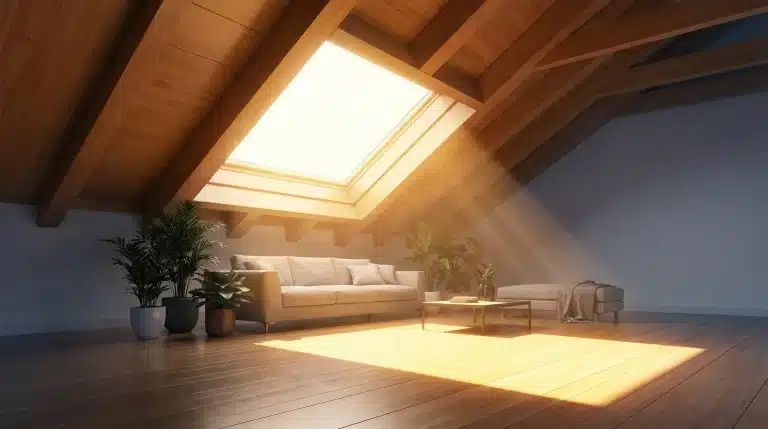
Motion sensor lights in bathrooms are perfect for those middle-of-the-night bathroom trips when you’re stumbling around half asleep. Nobody wants to search for a light switch at 2am. Adjustable lamps next to reading chairs give people control over their own brightness. And seriously, open curtains during the day. Sunlight does more for mood and sleep patterns than any fancy lamp you could buy.
4. Set the Right Temperature Year-Round
Bodies get worse at regulating temperature as we age. Just one of those annoying facts of life. So getting the thermostat right becomes more important than you’d think. In summer you want things cool but not freezing. The ideal air conditioner temperature usually sits around 24 to 26 degrees Celsius.
Cool enough to be comfortable without making your power bill scary. Winter needs about 20 to 22 degrees. Programmable thermostats are great because they just maintain things automatically without you messing with them constantly. Add extra blankets if someone’s cold or run a fan to move air around. Extreme temps can cause real health problems for older folks. Heat exhaustion and hypothermia aren’t things to mess around with.
5. Remove Tripping Hazards and Clutter
Do this right now. Look at your floor. Actually look at it, not just glance. See that rug bunching up? The laptop charger running across the hallway? Stack of stuff by the door that’s been there for three weeks? All hazards waiting to happen. Either secure rugs with those grippy pad things underneath or just get rid of them if they’re more trouble than they’re worth.
Cords need to run along walls using clips or covers, not stretched across where people walk. Clear hallways completely so there’s always a straight path. If someone’s using a walker, make walkways even wider by moving furniture around a bit. This takes maybe an afternoon but could prevent a fall that puts someone in the hospital. Worth it.
6. Install Grab Bars and Handrails
Bathrooms are where tons of falls happen. Wet tile plus soap equals a really bad combination. Grab bars near toilets and inside showers give people something solid to hold when things get slippery. Stairs need handrails on both sides if you’ve got the space. The important thing here, though, is to make absolutely sure everything’s anchored into actual wall studs. Not just drywall.
Drywall alone won’t hold someone’s weight when they really need it. Non-slip mats in the tub and shower add another layer of safety. Modern grab bars don’t look medical anymore either; you can find decent-looking ones in brushed nickel or whatever matches your fixtures. If modifications alone aren’t cutting it, support-at-home services can provide personalised help that goes way beyond just physical changes to the house.
7. Choose Comfortable and Supportive Furniture
Furniture becomes a way bigger deal than it should be as people age. A couch that’s too soft or sits too low? Nightmare to get out of. You want chairs with actual firm cushions and real back support. Nothing too deep or plush that basically swallows you.
Recliners with lift functions are honestly worth their weight in gold because they help with standing up without putting all the work on your legs. Adjustable beds help people with circulation problems or back pain find positions that actually feel okay. Put seating near windows in bright spots. Good furniture keeps people moving and social instead of just staying in bed all day, which matters for both physical and mental health.
8. Keep Essentials Within Easy Reach
Think about how much reaching and bending happens in a normal day. Probably way more than you realise. Every high cabinet means stretching up. Every dropped thing means bending down. That effort adds up fast when you’re doing it constantly. Store everyday stuff at waist or chest height where it’s easy to grab.
Kitchen plates and utensils belong on middle shelves, not way up high. Lazy Susans in corner cabinets are brilliant for getting to things without dangerous stretching. Bathrooms need toiletries and towels within easy reach of the shower. Keep glasses, meds, and phone right on the nightstand, not across the room. Grabber tools are like ten bucks and save your back constantly. Seems small but makes a huge difference.
9. Encourage Regular Movement and Activity
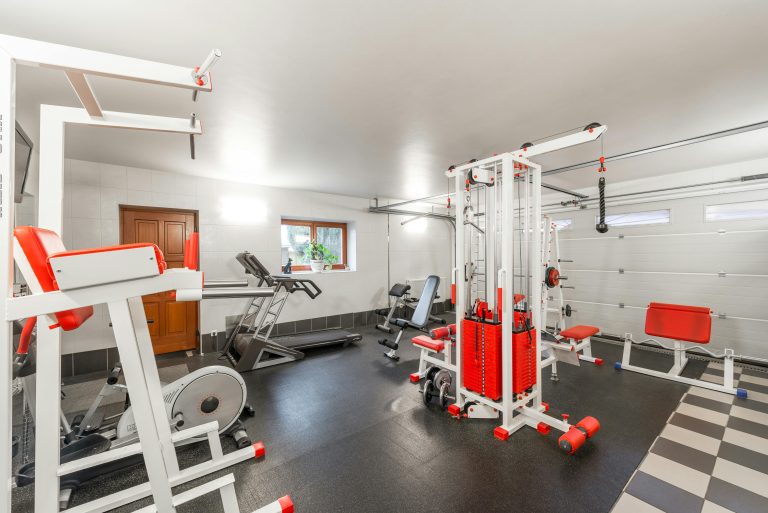
Activity doesn’t mean joining a gym or running marathons or any of that. Walking from room to room counts. Stretching while your coffee brews counts. Light chair yoga during commercials counts. What matters is just moving regularly instead of sitting for hours straight. Try standing up and walking somewhere every hour. Even just to the window and back.
Balance exercises help too, like standing on one foot while holding the counter. Gardening counts. Light housework counts. Any hobby that gets you moving adds up. The key is consistency over intensity. Doing something most days beats occasionally doing something intense. Regular movement keeps muscles working and joints flexible and helps people stay independent way longer.
10. Create a Calm and Inviting Atmosphere
Physical safety’s obviously important. But how does a space feel emotionally? That matters just as much. Homes should feel peaceful and comfortable, not like some sterile medical facility. Soft colours on walls are usually more calming than bright bold ones. Fill the place with personal stuff that brings back good memories. Photos of family and friends, favourite books, and things from trips or important moments.
Maybe play some gentle music in the background or nature sounds if that helps. Rugs and curtains absorb noise instead of letting it echo everywhere. Plants bring some life into rooms. Artwork makes blank walls more interesting. Soft throw blankets and comfy pillows make furniture more inviting. When a home feels emotionally good, people stay more engaged with their hobbies, stay better connected with family, and actually enjoy being there.
Conclusion
Look, you don’t have to do all of this tomorrow. Pick one thing this weekend. Maybe brighten up that hallway everyone’s been complaining about. Clear the clutter from the entryway. Install a grab bar in the shower. Whatever feels most urgent or easiest to knock out. Then tackle the next thing when you’re ready.
Each little fix builds on the others until you’ve created a space where getting older doesn’t automatically mean giving up independence or safety. If you’re doing this for ageing parents, they’ll feel more secure and comfortable in their own place. If you’re doing it for yourself, in the future you are going to be really grateful you thought ahead. Either way, start somewhere. That’s the whole point.