
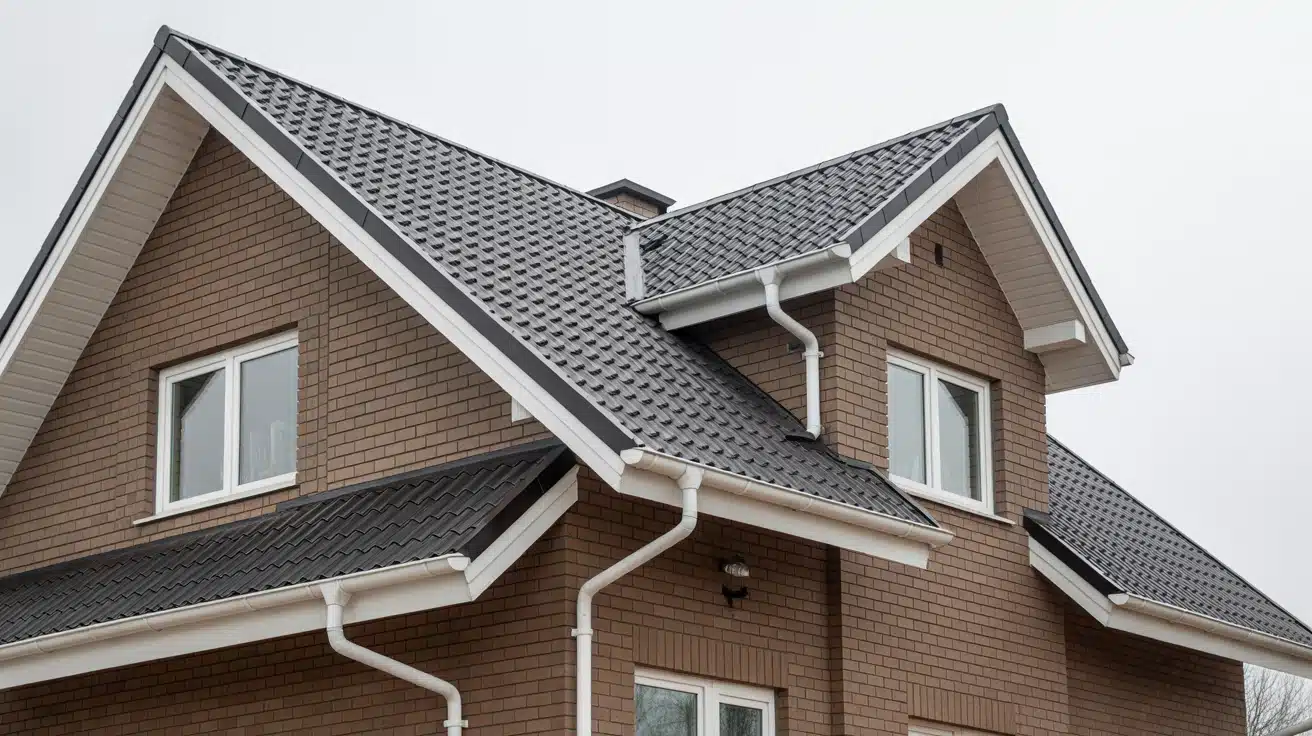
Anatomy of a Roof: 19 Parts Explained

Your roof leaks. The contractor throws around terms like “step flashing” and “ice shield.” You nod along, but honestly? You have no clue what he’s talking about.
This confusion costs homeowners thousands every year because they can’t tell necessary repairs from upsells. Learning the anatomy of a roof changes that.
When you understand how each part works together as a system, you spot problems early and have honest conversations with roofers.
This guide walks you through all components, explains why roofs fail when builders skip layers, and shows you exactly what to look for during inspections.
What Is the Anatomy of a Roof?
The anatomy of a roof refers to all the layers and parts that work together as a complete system.
Your roof is not just shingles on top. It includes structural support, water-shedding materials, waterproofing barriers, and proper airflow channels.
When builders skip even one layer, the entire system breaks down. Water finds its way in. Heat builds up in your attic. The roof ages faster than it should.
Understanding roof planes (the sloped surfaces), edges (where sections meet), and openings (vents, chimneys, skylights) helps you see how each piece protects your home.
Think of it like your body: every organ has a job, and removing one causes the whole system to fail.
How Roof Parts Are Organized
Every roof breaks down into five main groups that work as one system. Here’s a quick look at what makes up the complete anatomy of a roof:
| Part Group | What It Does |
|---|---|
| Structural Frame | Holds up the entire roof and transfers weight to your walls |
| Deck and Waterproofing Layers | Creates a solid base and blocks water from getting inside |
| Outer Covering | Sheds rain, snow, and sun while protecting layers underneath |
| Edges and Drainage | Directs water away from your home and seals vulnerable spots |
| Ventilation and Penetrations | Controls airflow and seals holes where pipes or vents go through |
Roof Parts Explained: What Each Does and Why
Now that you know the five main groups, let’s break down the anatomy of a roof into its individual parts. Each component has a specific job in keeping your home dry and protected.
1) Ridge
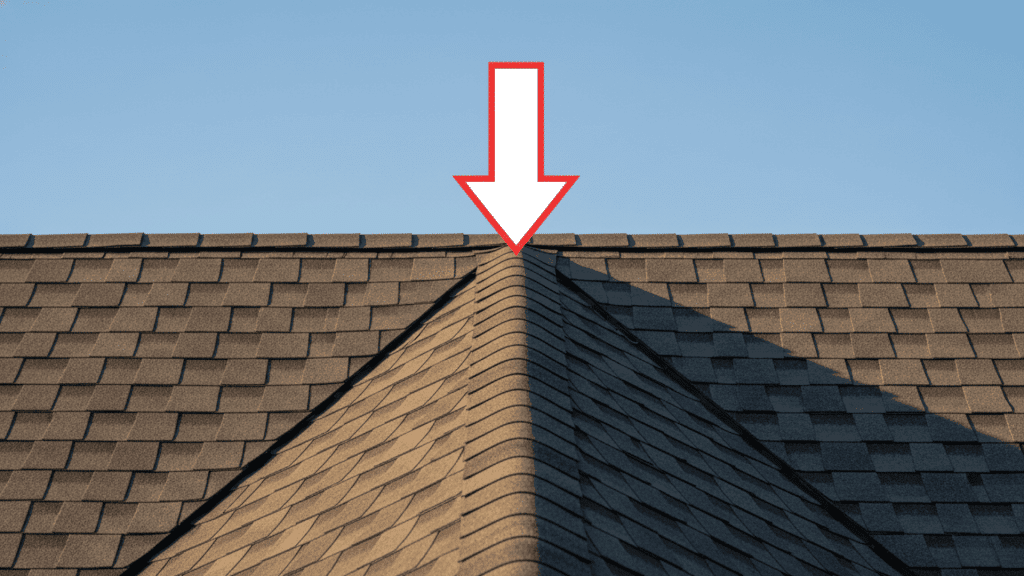
The ridge is the highest point where two sloped roof planes come together. It runs horizontally along the top of your roof. Common problems include cracked caps, missing shingles, and gaps that let water seep through during storms.
Why it matters: A compromised ridge lets water flow directly into your attic and damages the structural frame below.
2) Ridge Cap
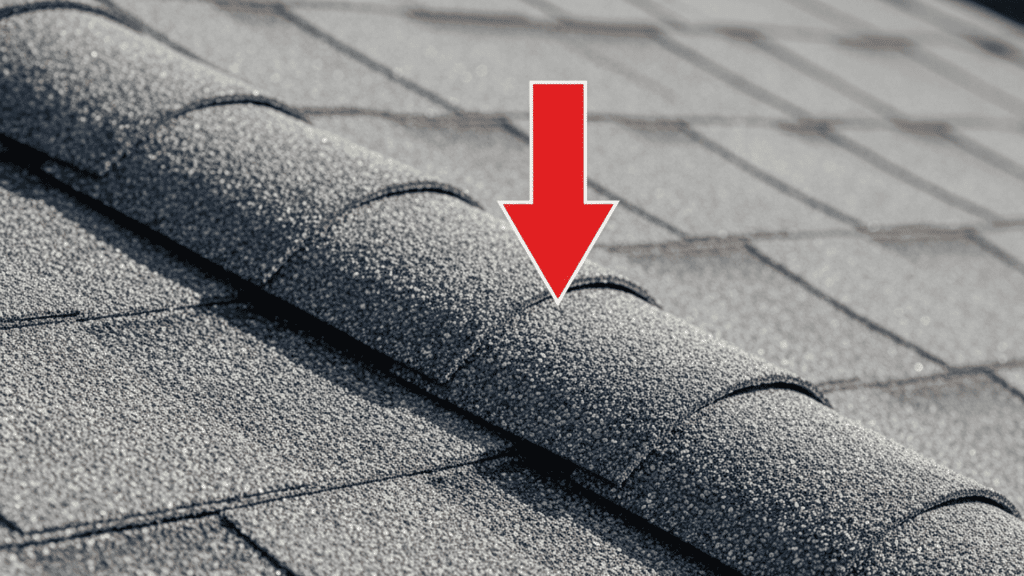
Ridge caps are specially designed shingles that cover and protect the ridge seam. They bend over the peak and seal both sides of the roof. Some ridge caps include ventilation slots that let hot air escape from your attic while keeping water out.
Why it matters: Ridge caps are your last defense against water entering at the roof’s most vulnerable seam.
3) Hips
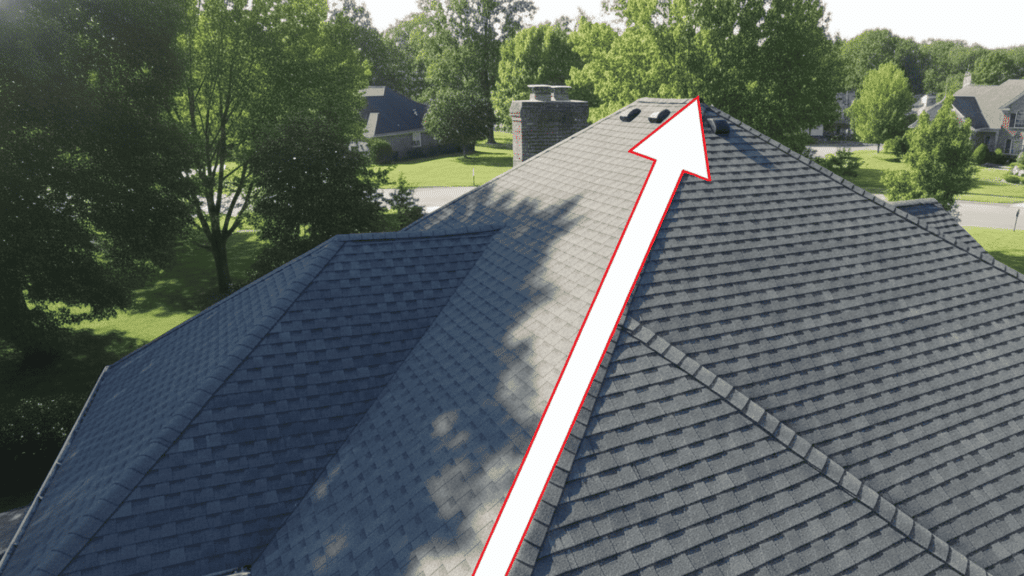
Hips are the angled ridges where two sloped roof planes meet at an outside corner. These diagonal seams channel water and wind down toward the eaves. Hip shingles need special cutting and layering with metal flashing underneath to create a watertight seal.
Why it matters: Hips handle heavy water flow and wind stress, making them critical leak points if not properly sealed.
4) Valleys
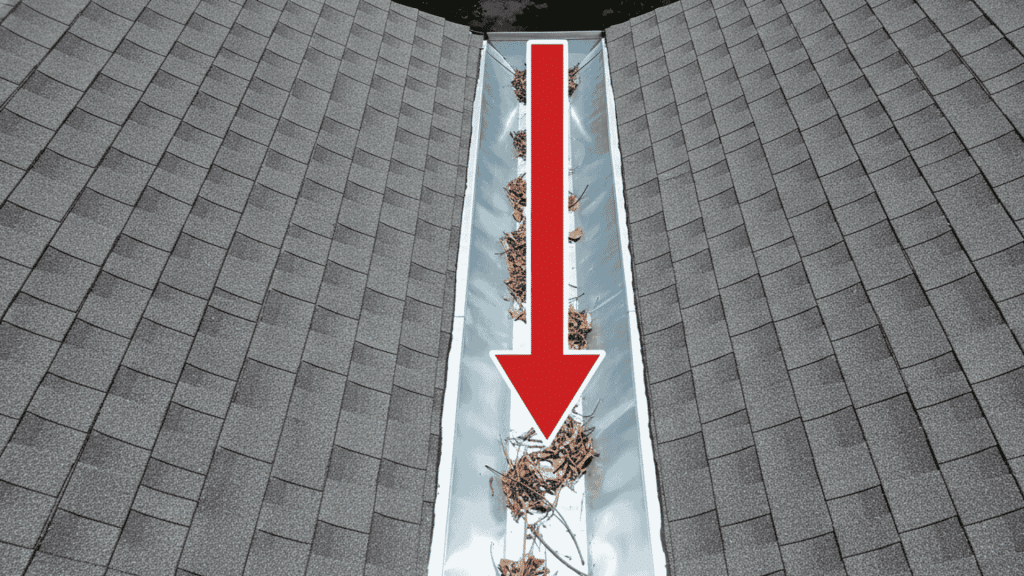
Valleys are the V-shaped channels formed where two downward-sloping roof planes meet. They collect and channel massive amounts of water during rain. Most valleys use metal flashing or special woven shingle techniques, with ice and water shield always underneath.
Why it matters: More water flows through valleys than any other roof section, so failure here means major interior damage.
5) Roof Deck or Sheathing
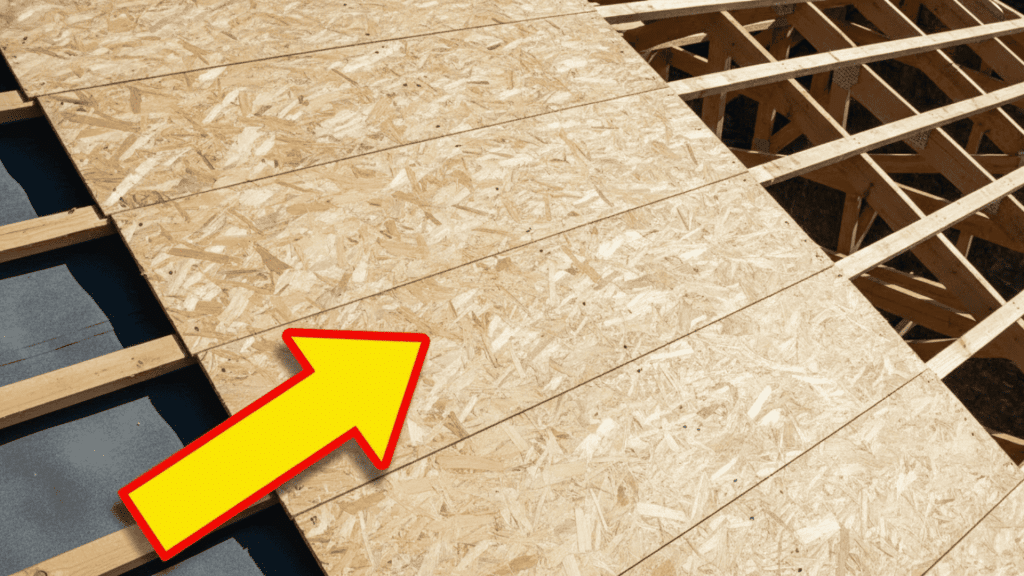
The roof deck is the solid wood base attached to your rafters or trusses. Most modern homes use oriented strand board (OSB) or plywood sheets. Water-damaged decking loses structural integrity and starts to sag, with soft spots and dark stains signaling problems.
Why it matters: The deck is the foundation of your entire roofing system, and wet or rotted sheathing compromises everything above it.
6) Rafters or Trusses
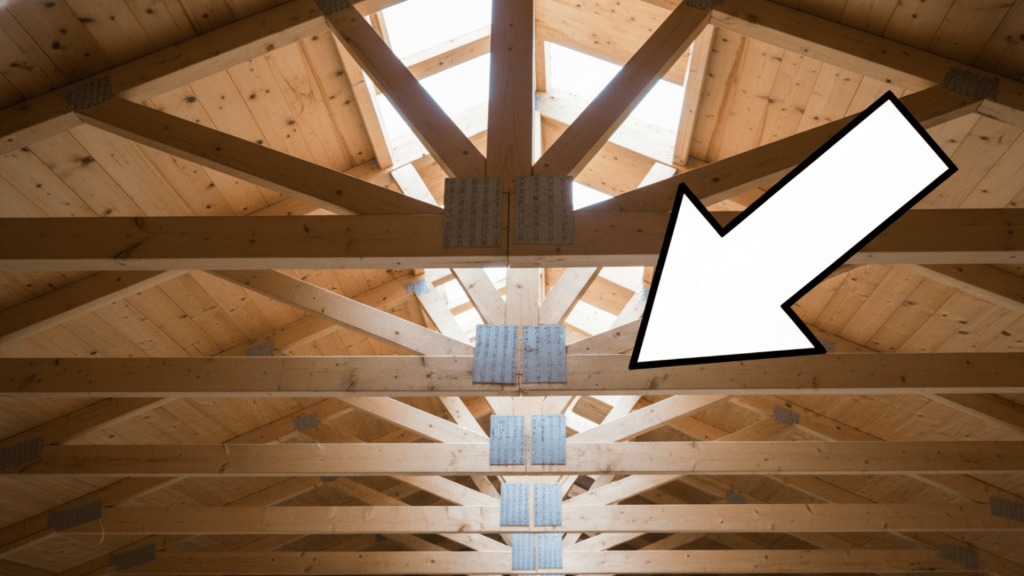
Rafters and trusses are the wooden framework that supports your roof deck. Rafters are individual boards cut on site, while trusses are prefabricated triangular units. Sagging rooflines, cracks in ceilings, or visible bowing signal structural problems that need immediate attention.
Why it matters: Weak or damaged framing can cause total roof collapse under heavy snow or during high winds.
7) Underlayment
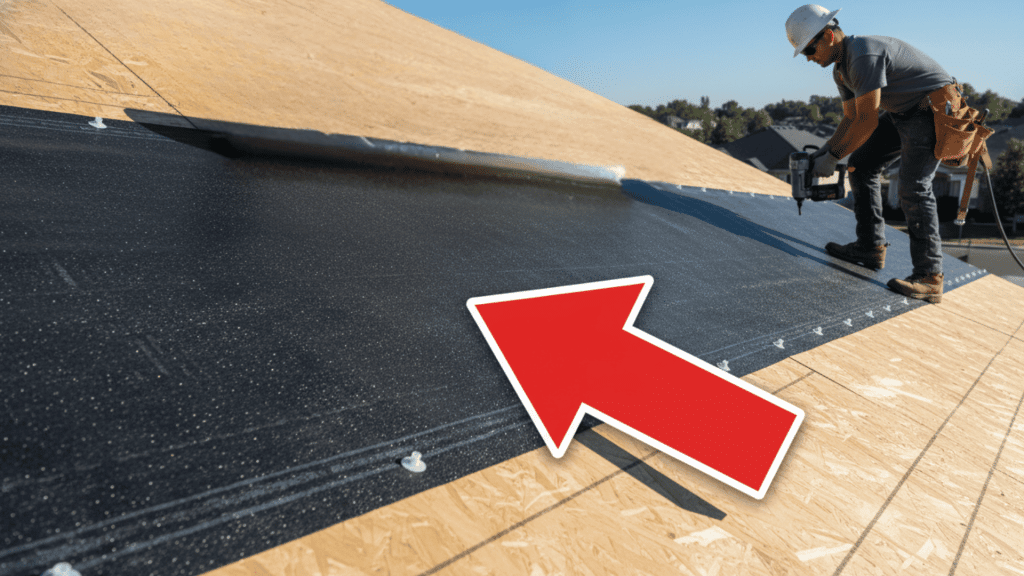
Underlayment is a water-resistant layer installed directly on top of your roof deck. Traditional felt paper or modern synthetic sheets create a backup barrier that catches water getting under your outer roof covering. It also protects the deck during installation.
Why it matters: Underlayment is your second line of defense when shingles fail or get damaged by storms.
8) Ice and Water Shield
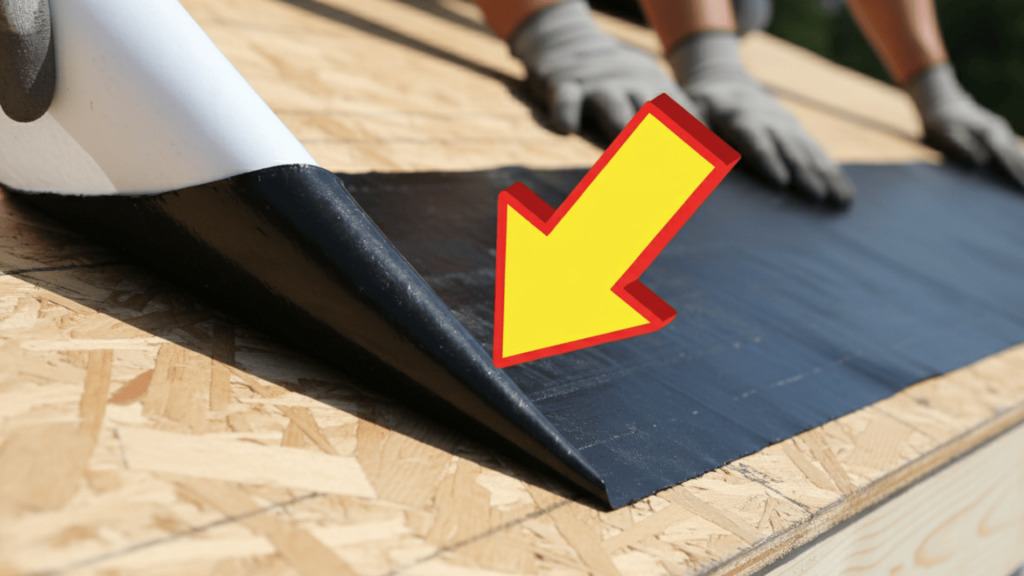
Ice and water shield is a thick, sticky membrane applied in leak-prone areas. It seals directly to the deck with rubberized adhesive. Most building codes require it along eaves, in valleys, and around roof penetrations to stop ice dams and water backup.
Why it matters: Ice and water shield prevent the most common leak points in the anatomy of a roof from failing.
9) Starter Strip
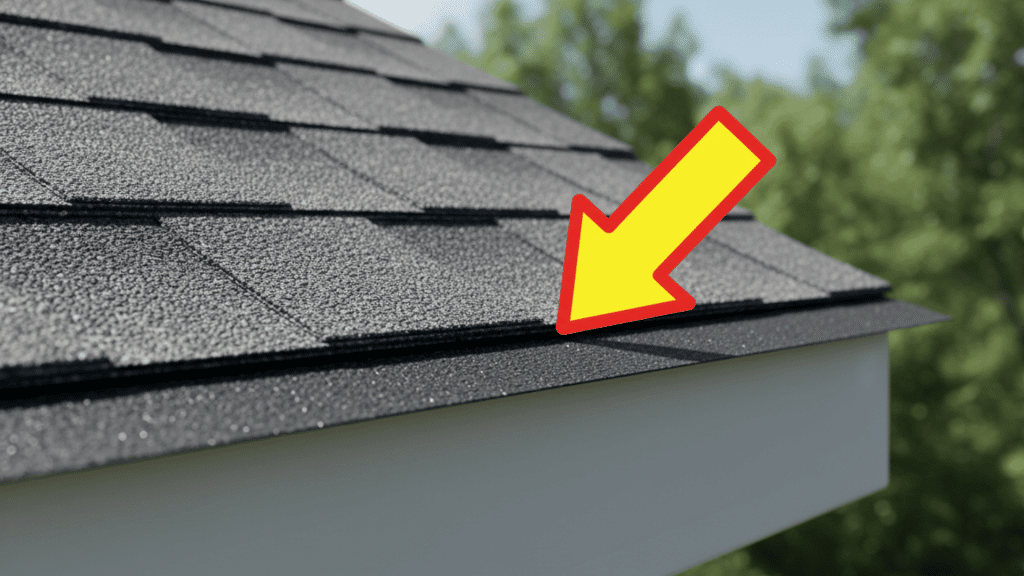
Starter strips are special shingles installed along the roof’s bottom and side edges. They fill the gaps below the first row of regular shingles and prevent wind from lifting shingle edges. Skipping starters is a common shortcut that leads to early failure.
Why it matters: Starter strips anchor your entire shingle system and stop wind-driven rain from entering at the edges.
10) Roof Covering
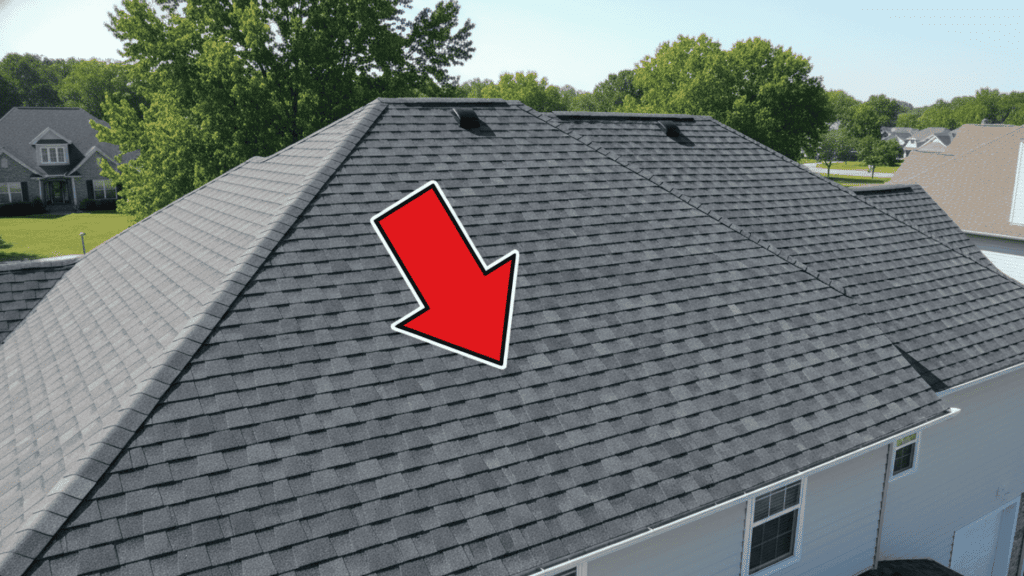
The roof covering is the visible outer layer that sheds water off your home. Asphalt shingles, metal panels, clay tiles, and slate all serve this purpose. Despite different materials, all roof coverings need proper underlayment, flashing, and ventilation beneath them to function correctly.
Why it matters: Your roof covering is the first barrier against the weather, but it only works when supported by proper layers underneath.
11) Flashing
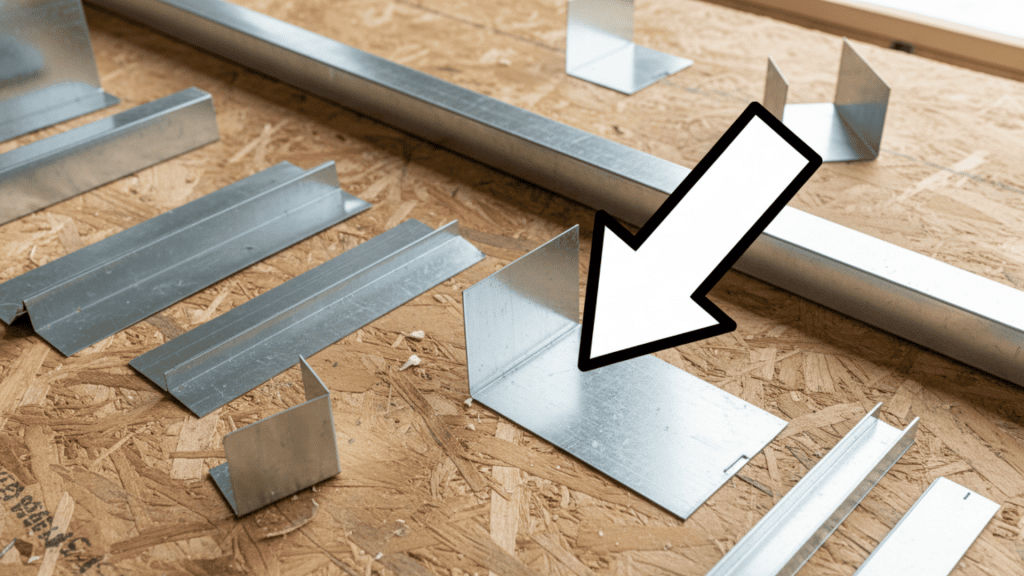
Flashing is thin metal installed wherever two roof surfaces meet or where the roof meets a wall. Most flashing uses aluminum, galvanized steel, or copper. Roof penetrations, walls, chimneys, and valleys all need specific flashing techniques to redirect water away from seams.
Why it matters: Flashing protects the most vulnerable transition points in your roof where leaks commonly start.
12) Step Flashing
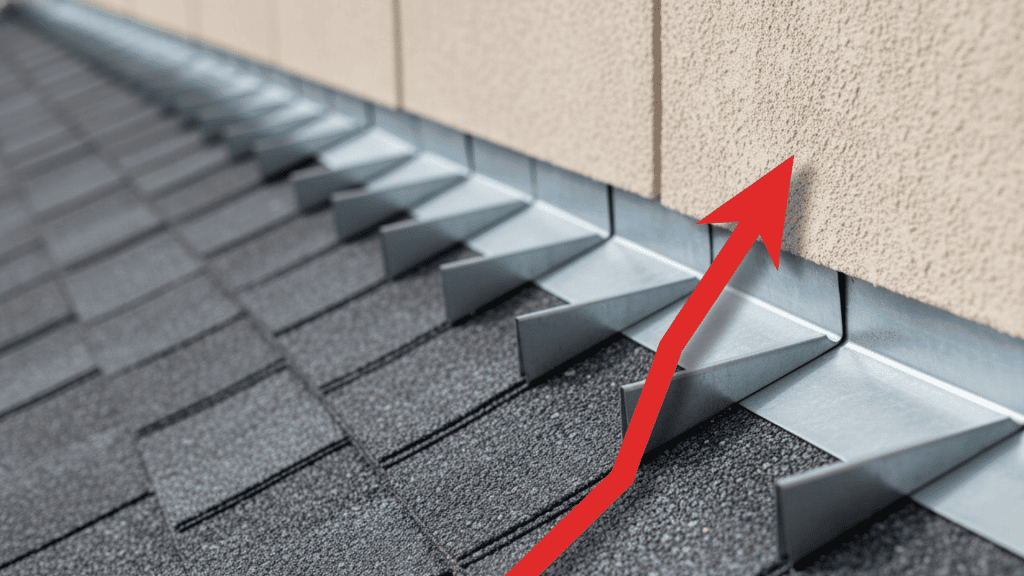
Step flashing consists of small L-shaped metal pieces layered between shingles and siding. Each piece overlaps the one below it like steps going up a wall. Many leaks happen when step flashing gets damaged, and caulk alone is not a substitute for mechanical flashing.
Why it matters: Sidewall joints handle constant water flow, and failed step flashing causes interior wall damage and mold.
13) Chimney Flashing
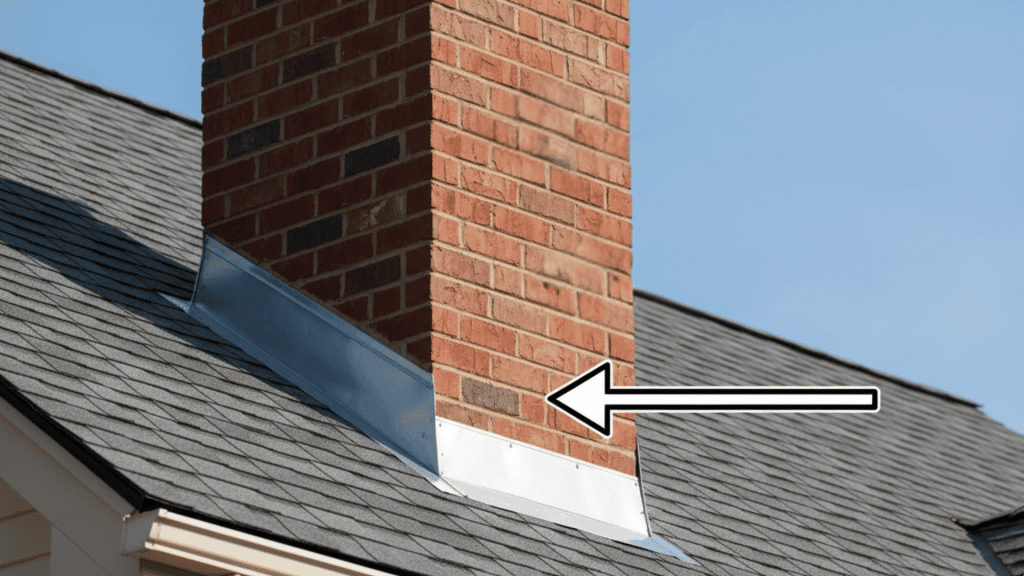
Chimney flashing wraps around the base where the chimney meets the roof. Base flashing goes under shingles, while counterflashing embeds into the chimney mortar. This two-part system allows for thermal expansion without breaking the seal around this large opening.
Why it matters: Chimney leaks damage both your roof structure and the chimney itself, often requiring expensive repairs to both.
14) Roof Penetrations
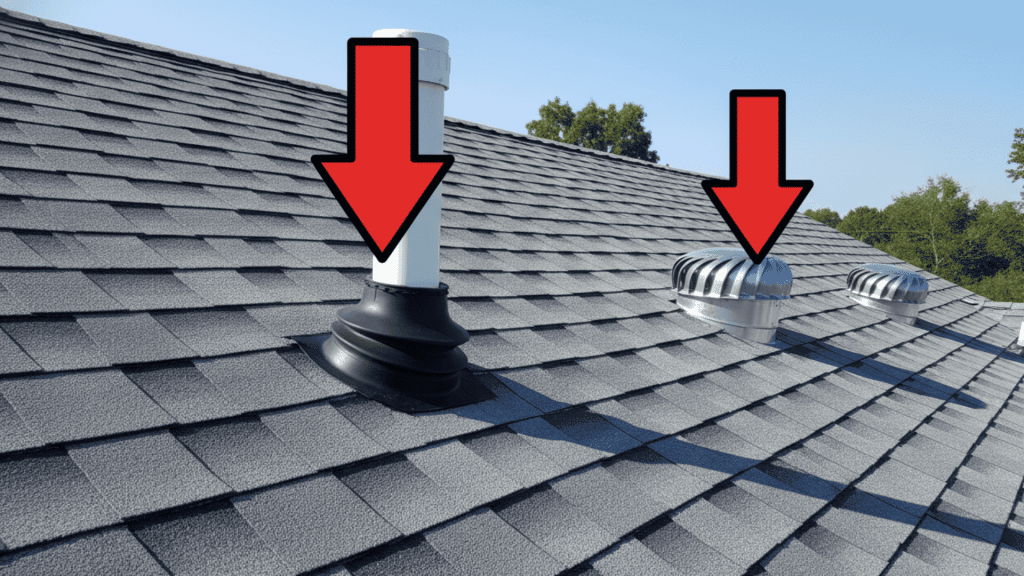
Roof penetrations are any pipes, vents, or fixtures that go through your roof. Rubber or metal boots fit around pipes and seal to the roof surface. Rubber boots crack and deteriorate from sun exposure over time, creating an easy path for water to enter.
Why it matters: Even small cracks in pipe boots can cause significant water damage to ceilings and walls below.
15) Drip Edge
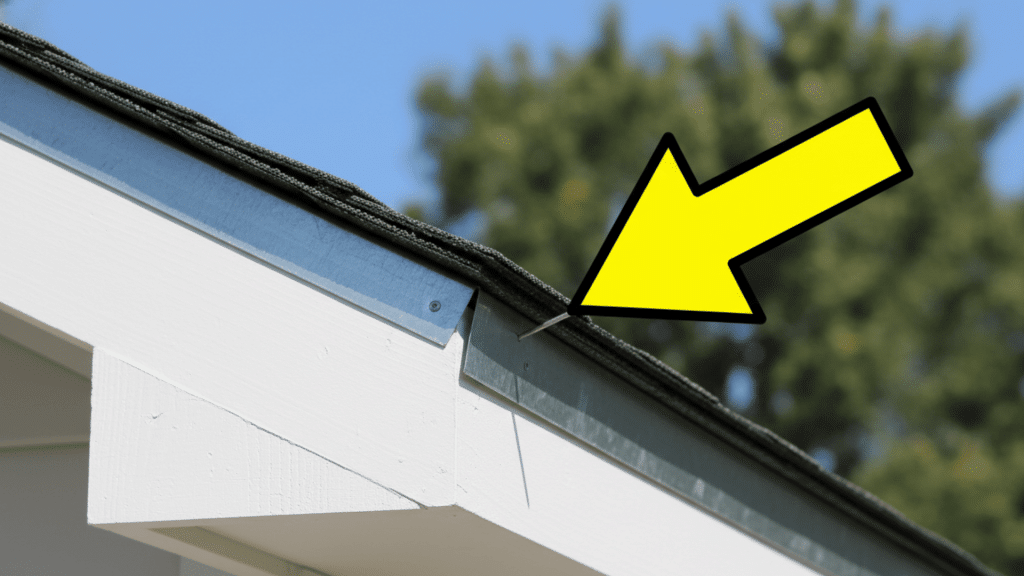
Drip edge is metal trim installed along eaves and rakes before shingles go on. It extends past the fascia board and creates a clean water runoff path that protects wood trim from rot. Without a drip edge, water wraps back under the shingles and soaks the fascia.
Why it matters: Drip edge prevents thousands of dollars in wood rot repairs to your fascia, soffit, and roof deck edges.
16) Eaves
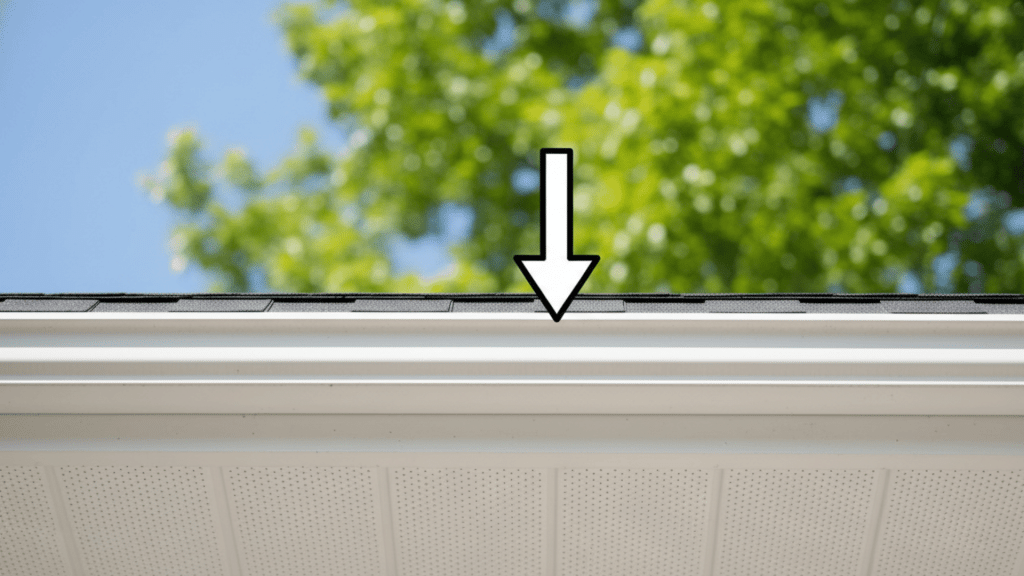
The eaves are the lower horizontal edges where your roof overhangs the walls. Water flows fastest here as it exits the roof, and eaves face the most ice dam risk in cold climates. Proper underlayment and ice shield along eaves prevent backup from causing leaks.
Why it matters: Eave damage leads to fascia rot, gutter failure, and water flowing directly down your exterior walls.
17) Rakes
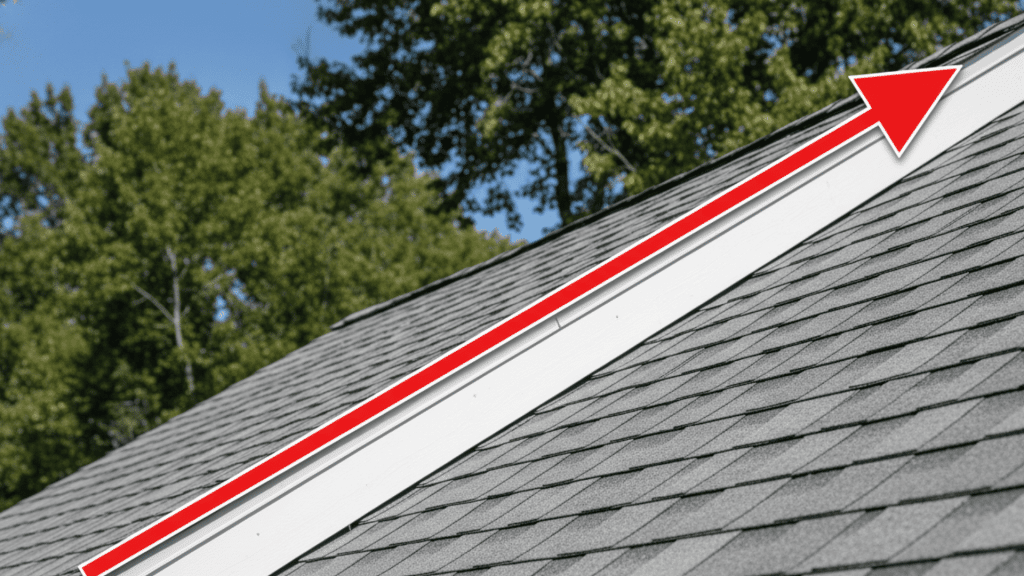
Rakes are the sloped edges that run from eave to ridge on gable-style roofs. Unlike eaves, rakes face sideways and handle wind pressure differently. Wind-driven rain often enters at poorly sealed rakes, requiring proper edge flashing and shingle overhang.
Why it matters: Failed rake edges allow wind to get under shingles and peel back large sections during storms.
18) Fascia
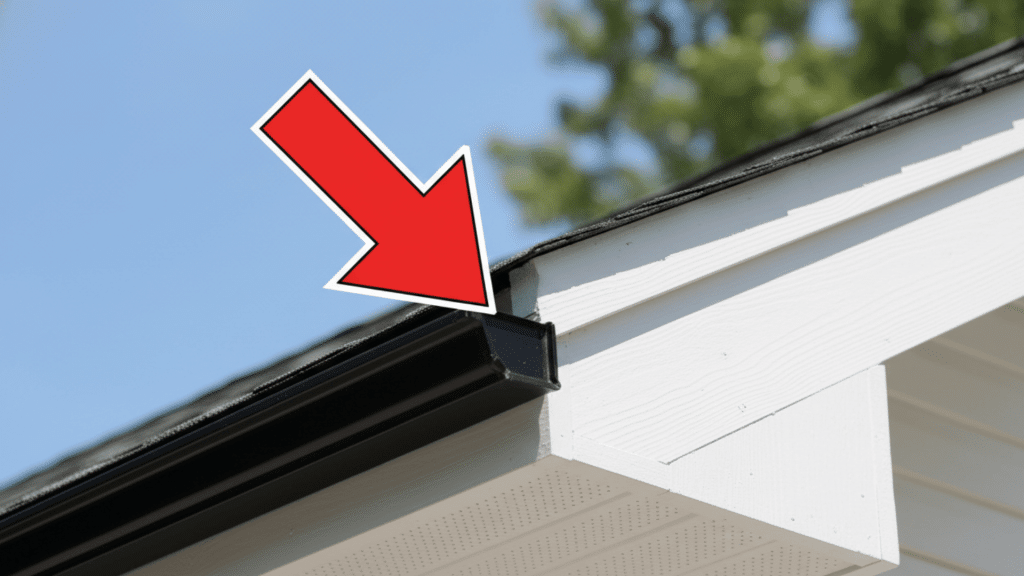
The fascia is the vertical board attached to the ends of your rafters or trusses. It runs along the eaves and provides a mounting surface for gutters. Rotted fascia cannot support gutters properly, with peeling paint and soft wood signaling damage.
Why it matters: Damaged fascia compromises gutter systems and creates entry points for water and pests.
19) Soffit
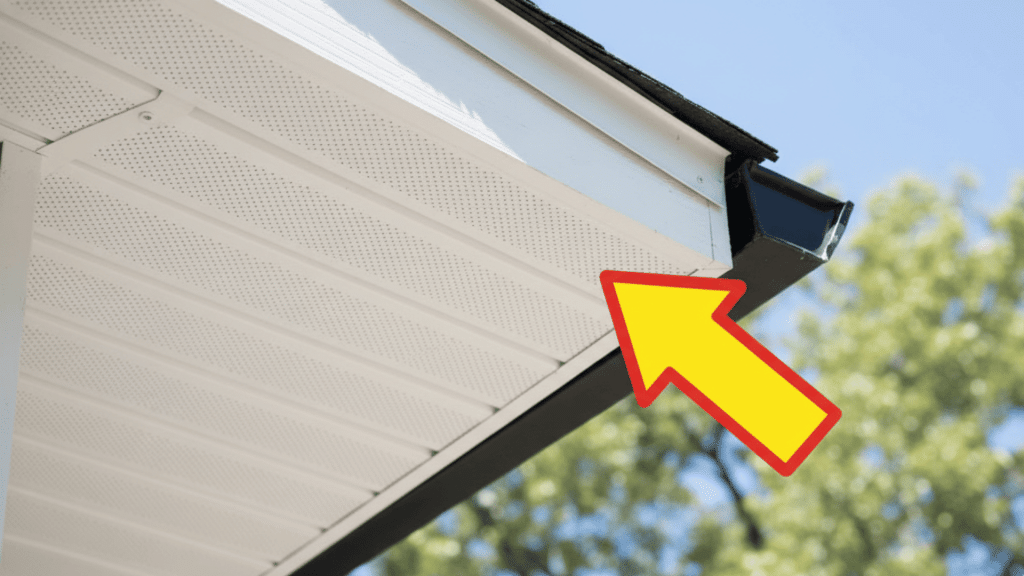
The soffit is the exposed underside of your roof overhang. Many soffits include vent holes that pull fresh air into your attic as part of the ventilation system. Blocked or solid soffits prevent proper airflow and trap moisture in your attic.
Why it matters: Proper soffit ventilation prevents moisture buildup that rots your deck and framing from the inside out.
How Ventilation and Drainage Work in Roof Anatomy
Understanding airflow and water movement completes the picture of how your roof functions as a system.
Roof Ventilation Anatomy (How Airflow Actually Works)
Proper ventilation requires both intake and exhaust working together:
- Intake: Soffit Vents Fresh air enters through vented soffits at the eaves and travels up into the attic space.
- Exhaust: Ridge Vents, Box Vents, Powered Vents. Hot air escapes through vents at the roof’s highest points, creating continuous airflow from bottom to top.
- What Poor Ventilation Leads To Heat buildup, cooks shingles from below, moisture condenses and rots decking, and your roof ages twice as fast.
Roof Drainage Anatomy (Moving Water Off the Roof Fast)
Water must travel a clear path from your roof to the ground:
- How Water Should Travel Roof covering sheds water to the drip edge, which directs it into gutters, through downspouts, and away via splash blocks or drains.
- Where Overflow Starts Clogged gutters cause water to back up under shingles or spill over edges, damaging fascia, siding, and foundation.
Roof Problem Spots Mapped to Roof Components
Certain parts of the anatomy of a roof fail more often than others. Here’s a quick reference guide to help you spot trouble early:
| Component | Typical Issue | What You Might Notice |
|---|---|---|
| Valleys | Debris buildup, worn flashing | Water stains on the ceiling, missing granules |
| Flashing | Rust, separated seals | Water marks near chimneys or walls |
| Pipe Boots | Cracked rubber | Wet ceiling spots around vents |
| Ridge Area | Lifted or missing caps | Daylight is visible from the attic, and water drips |
| Roof Decking | Water damage, rot | Soft spots, dark attic stains, ceiling sags |
| Eaves | Ice dam damage | Icicles forming, peeling fascia paint |
The Bottom Line
The anatomy of a roof is more than shingles on top of your house. It’s a complete system where every layer depends on the others. Skip one component, and water finds its way in.
Now you know what contractors mean when they mention valleys, flashing, and underlayment. You can spot warning signs before minor issues become expensive disasters.
Take a look at your own roof this weekend. Check those valleys for debris. Look for cracked pipe boots. Inspect your fascia for peeling paint. Catching problems early saves thousands in repairs.
Have questions about what you found? Drop a comment below and let’s talk about your specific situation.