A Homeowner’s Guide to Planning Big Upgrades Without Stress

Many homeowners want to improve their homes but feel unsure about where to begin. Some worry about choosing the wrong upgrade. Others fear costs growing out of control. A few delay work for years because they don’t know how to organize the process. These worries are common, but they also make projects harder than they need to be. Clear steps can take the pressure off and help you plan upgrades in a way that feels calm and manageable.
This guide walks you through the steps that help most homeowners plan large upgrades with confidence.
1. Mapping Out the Upgrades You Need Most
The first step in planning big projects is to decide which areas of your home need attention right now. Many homeowners skip this step and jump straight to pricing or contractor research. That can lead to rushed choices. Instead, start by writing down the issues you see during daily life. You might notice uneven temperatures, old windows, poor lighting, or frequent repairs. These clues help you understand where your home needs support.
Once you list your concerns, group them by urgency. Focus on items that affect comfort, safety, or reliability. This helps you spot the upgrades that should come first.
2. Checking the Condition of Your Key Home Systems
Every homeowner should review the age and condition of major systems before planning big upgrades. Look at how well your heating, cooling, electrical, and plumbing systems perform. If they break often, run loudly, or use more energy than they should, they may be close to the end of their useful life.
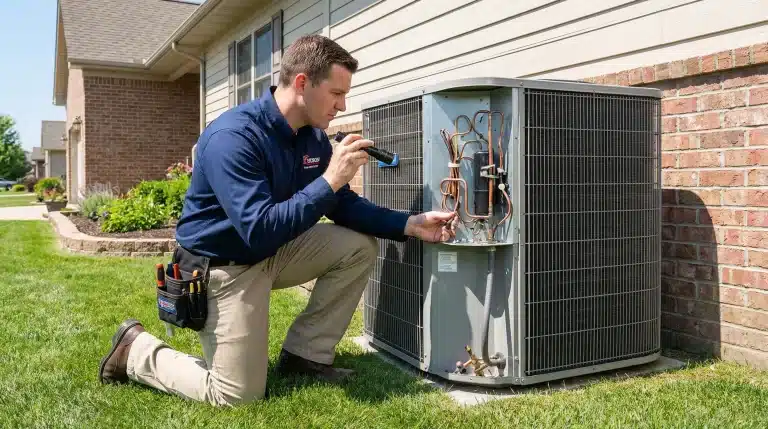
As you review these systems, consider the timing of future replacements. Some upgrades need careful planning. For example, knowing when to buy an air conditioner helps you avoid paying for rushed installs during peak season. A simple review can prevent last-minute decisions and reduce stress.
3. Researching Contractors Before You Need Them
Choosing the right contractor takes time, so start early. Many homeowners wait until something breaks, then scramble to find help. This leads to limited choices and higher stress. When you research contractors before work begins, you can compare companies without pressure.
Look for clear communication, proven experience, and consistent reviews. Meet with a few companies and ask direct questions about their process and timelines. When you build trust early, you feel more at ease once the project starts.
4. Defining What You Want From Each Upgrade
Every upgrade should serve a purpose. Before you approve any work, think about what you want to improve. Some homeowners want better comfort. Others want lower energy use or a quieter home. When you understand your goals, contractors can give more accurate guidance.
Clear goals prevent confusion and keep your project on track. They also help you compare pricing and features without feeling overwhelmed by options.
5. Understanding How Your Home’s Layout Affects Your Choices
Your home’s structure shapes what upgrades make sense and how complex the work may be. Before you begin a major project, take time to look at how your rooms connect and how your systems run through the walls and floors. Features like ductwork, plumbing lines, or electrical panels can limit where new equipment fits or how new wiring can run. When you know these limits early, you avoid plans that do not work in your current layout.
Contractors often walk through a home before giving recommendations. Join them during this walkthrough. Ask questions about space needs, airflow, or safety rules. These details help you understand why certain upgrades cost more or take longer. This simple step reduces surprises and helps you choose upgrades that fit your home’s design.
6. Planning for Daily Life While Work Takes Place
Home upgrades often disrupt routines, even when the work stays in one area. Planning ahead helps keep stress low. Think about where workers will enter, where tools will be stored, and how noise may affect your day. If you work from home, you may need to adjust your schedule or choose a quieter room. If you have pets, plan a safe space for them away from the work zone.
Some projects affect heating, cooling, or water use for short periods. Ask your contractor how long each part of the job lasts and what you should expect. When you know the timeline, you can plan meals, sleep, or errands easily. Clear communication helps reduce disruption and gives you realistic expectations.
7. Looking at Long-Term Costs Instead of Quick Savings
Many homeowners focus on the price of the project but forget to look at long-term value. An upgrade with a low upfront cost may require more repairs or use more energy. A higher-quality option may save money over time because it lasts longer and runs more efficiently. You do not need advanced knowledge to compare options. Look at warranties, maintenance needs, and the expected lifespan of the product or system.
Consider energy use as well. Modern systems often use less energy than older models, which helps lower utility bills. Even small improvements can make a difference over many years. When you evaluate long-term costs, you choose upgrades that give you value instead of quick savings that fade.
8. Choosing the Right Season for the Work You Need
The time of year plays a major role in how smooth your project feels. Many homeowners do not think about this until a contractor points it out. Some upgrades work better during mild weather because workers can move safely, materials get handled properly, and the home stays more comfortable. For example, heating or cooling projects often run more smoothly during spring or fall because extreme temperatures create challenges and increase demand for service.
Planning ahead gives you more flexibility. Contractors often fill their schedules during peak seasons, which can limit your options. When you book work early, you get better availability and more time to prepare your home.
Large home upgrades do not need to feel confusing or stressful. When you organize your needs, set a budget, review your systems, choose reliable professionals, and plan for daily life, you take control of the process. Thoughtful preparation helps you avoid rushed decisions and gives you confidence in the work you approve. With the right steps, you can move through each stage with clarity and enjoy the results of a well-planned project.