What Is a Buffet Table? Features, Uses & Placement Tips

Choosing dining room furniture can be confusing when many pieces look almost the same. You may see buffet tables, sideboards, credenzas, and hutches and wonder which fits your home.
If you are wondering what a buffet table is, the answer is simple. It is a dining room piece that helps serve food, store items, and keep things neat.
A buffet table can make hosting easier by keeping dishes, drinks, and extras close by. It also provides your dining space with a clean, functional surface for meals and decor.
Below, you will learn what a buffet table is used for, how it compares to similar furniture, and how to choose the right one.
What Is a Buffet Table?
A buffet table is a long, low piece of furniture commonly placed in a dining room. It is designed to hold and display food, drinks, and other dining essentials.
Buffet tables often have a flat top surface for serving meals directly. They usually include cabinets, drawers, or shelves for storing dinnerware and linens.
You can also use these tables to organize serving dishes and utensils neatly. They combine storage, serving space, and display in one functional piece of furniture.
They are helpful during family meals, parties, and holiday gatherings. They keep extra food and serving items close to the dining area.
What Is a Buffet Table Used For?
A buffet table supports everyday meals and event hosting. It provides space to serve, store, and display items in one place.
-
Serving Food: Holds dishes, drinks, desserts, and snacks for easy self-service.
-
Storing Items: Stores plates, bowls, glassware, linens, trays, and flatware neatly.
-
Displaying Decor: Holds lamps, vases, candles, framed art, or seasonal decorations.
-
Organizing Essentials: Keeps serving tools and dining items close during meals.
Buffet tables make dining rooms more organized and useful. They simplify serving, storage, and decor for daily meals or gatherings.
Common Features of a Buffet Table
Most buffet tables share a few design features that make them useful in dining rooms. These features help with serving food, storing items, and placing the table neatly.
1. Long and Low Shape

Buffet tables are usually wider than they are tall. This shape makes it easier to serve food from the top.
Their low height also keeps dishes, trays, and drinks easy to reach. The wide shape gives enough room to arrange several serving items at once.
2. Cabinets, Drawers, or Shelves

Cabinets and drawers provide closed storage for infrequently used dining items. Open shelves keep daily items easy to see and reach.
Drawers are useful for napkins, flatware, and small serving tools. Cabinets can hide larger items like bowls, trays, and extra glassware.
3. Flat Serving Surface

The flat top can hold food, drinks, trays, and decor. It gives you extra serving space during meals or gatherings.
You can use the surface to set up drinks, desserts, or snacks. It also works well for lamps, candles, vases, or seasonal decorations.
Buffet Table vs Sideboard vs Credenza vs Hutch

The terms “buffet table” and “sideboard” get used almost interchangeably in furniture stores. The clearest difference between the two is leg height.
Buffets typically stand on longer legs and are built for active serving. Sideboards sit lower, often on short legs or no legs at all, and lean more toward everyday storage. A credenza takes this a step further, with a long, low profile and little to no visible legs.
A hutch is the one piece that is genuinely different. It stacks an upper cabinet or open shelving on top of a lower cabinet, so it takes up less floor space while adding display room.
|
Furniture Piece |
Best Used For |
Common Room |
Main Feature |
|---|---|---|---|
|
Buffet Table |
Serving food and storing dining items |
Dining room |
Long legs built for active serving, with a flat serving top |
|
Sideboard |
Everyday storage and display (often called a buffet when used for serving) |
Dining room, hallway, living room |
Shorter legs or no legs, more compact profile |
|
Credenza |
Hidden storage, office, or media use |
Office, living room, dining room |
Little to no legs, long horizontal profile |
|
Hutch |
Display and extra storage |
Dining room, kitchen |
Upper cabinet or shelves stacked over a lower cabinet |
Each piece serves different storage, display, or serving needs. Choose based on the room and how you plan to use the furniture.
Where Should You Place a Buffet Table?
Buffet tables are commonly placed against a dining room wall. This keeps them accessible while leaving the main area open for movement.
You can also place them behind or near the dining table. This makes serving easier during meals and gatherings.
In open-plan dining areas, place the buffet where it defines the space. It can act as a subtle divider while remaining functional.
Near the kitchen, the table makes serving quicker and easier. It can also work in a hallway if used more like a sideboard, keeping items within reach.
What Size Buffet Table Do You Need?
Choosing the right buffet table size depends on your room space, storage needs, and how many people you usually serve.
|
Room Size |
Recommended Buffet Size |
Best Use |
|---|---|---|
|
Small dining area |
30 to 48 inches wide |
Compact storage and light serving space |
|
Medium dining room |
48 to 72 inches wide |
Everyday storage and hosting small gatherings |
|
Large dining space |
72 to 96 inches wide |
Heavy storage and frequent entertaining |
|
Open-plan rooms |
60 to 96 inches wide |
Acts as both a storage and serving station |
As a general rule, leave at least 36 inches of walking space around the buffet table for comfortable movement and access.
How to Choose the Right Piece for Your Home
The right furniture depends on your space, storage needs, and how you use it every day. Each option serves a slightly different purpose in your home.
-
Choose a buffet table if you need a serving surface for food and drinks or to host guests.
-
Use a buffet table near the dining area if you want quick access to extra serving space.
-
Pick a sideboard if you want flexible storage that can fit in dining, living, or hallway spaces.
-
Select a credenza if you prefer low, closed storage for office items, media, or clutter control.
-
Go for a hutch if you want vertical storage that saves floor space while adding display options.
-
Choose a hutch with open shelving if you want to showcase dishes, glassware, or decor pieces.
Common Buffet Table Designs

Buffet tables come in different styles to match different home decor needs. Choosing the right design helps your dining space feel functional and well-planned.
|
Design Style |
Features |
Best For |
|---|---|---|
|
Traditional |
Classic wood finishes with ornate details |
Formal dining rooms |
|
Modern |
Clean lines with a simple, minimal look |
Contemporary homes |
|
Rustic/Farmhouse |
Distressed wood with a warm, casual feel |
Country-style or relaxed spaces |
|
Mid-Century |
Geometric shapes with warm wood tones |
Retro-inspired interiors |
|
Industrial |
Metal accents with raw finishes |
Loft or urban-style spaces |
The right buffet table design should match your room and daily use. Pick a style that supports storage, serving, and the overall dining setup.
Common Mistakes to Avoid When Buying a Buffet Table
A buffet table should fit your room and serve a clear purpose. Consider size, storage, and placement carefully before you buy.
-
Buying a buffet table that is too deep can make the dining room feel tight.
-
Choosing style over storage may leave you without enough space for dining items.
-
Ignoring drawer and cabinet layout can make daily use less convenient.
-
Forgetting serving height can make it harder to place food, drinks, and trays.
-
Picking a piece that blocks walking space can make the room harder to use.
-
Not checking the dining table size can make the whole setup feel unbalanced.
Conclusion
Understanding what a buffet table is helps you make a smarter, more intentional furniture choice for your dining space.
Beyond serving as a place to eat, it adds storage, structure, and style to any room.
Whether you’re hosting guests or organizing everyday essentials, the right buffet table brings both function and personality to your home.
The key is choosing a size, style, and layout that genuinely work for your space and lifestyle. Measure your room, match your decor, and prioritize storage before buying.
Ready to upgrade your dining room? Find the buffet table that fits your space and start enjoying a more organized home today.
Do you have a buffet table at home, or are you planning to buy one? Share your experience or questions in the comments below!
Frequently Asked Questions
How Tall Should a Buffet Table Be?
Most buffet tables stand between 30 and 40 inches tall, with most sitting around 34 to 36 inches. Aim for a height at or slightly above your dining table for easy serving and a balanced look.
Are Buffet Tables only for Dining Rooms?
No, you can also use them in hallways, living rooms, or open-plan spaces for storage and display.
Do Buffet Tables Come with Adjustable Shelving?
Some models also offer adjustable shelves to fit different dish sizes or decorative pieces.
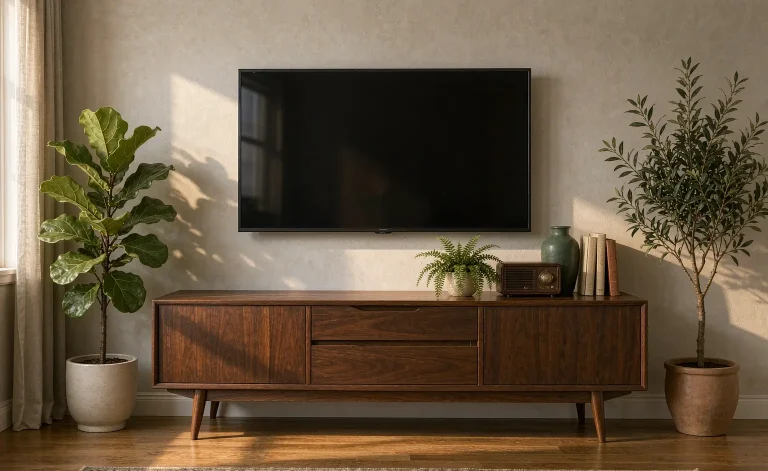
Can a Buffet Table Be Used as a TV Stand?
Yes, a buffet table can work well as a TV stand since its low height and wide surface make it a practical base for most televisions.