How to Get Rid of Carpet Beetles (And Keep Them Out)

You noticed a small hole in your clothes. Then another in a corner of your area rug.
By the time the damage becomes obvious, carpet beetles have usually been in your home for weeks.
These pests are easy to overlook but surprisingly destructive. Unlike most household insects, they quietly feed on your belongings before you know they are there.
Learn how to identify carpet beetle infestations, remove them effectively, and prevent them from returning to your home.
What Are Carpet Beetles?
Carpet beetles are small, oval insects from the Dermestidae family. Adults are mostly harmless. They spend their time outdoors feeding on pollen and nectar, which is why they are easy to miss.
They look like ordinary flying beetles and raise no immediate alarm. The larvae do all the damage. They feed on natural fibers. Depending on the species, this larval stage can last from a few months to about two years, per UC IPM.
The four most common types found:
-
Varied carpet beetle — mottled brown, black, and white; the most widespread species
-
Black carpet beetle — solid black or dark brown shell, slightly larger and more oval than the others
-
Furniture carpet beetle — similar to the varied carpet beetle but with yellow scaling
-
Two-spot (fur) carpet beetle — black with two white spots near the tips of the wing covers
Carpet beetles don’t limit themselves to carpet. They also feed on other materials made from animal-based fibers, such as wool, silk, fur, and feathers. Identifying the type of carpet beetle helps you know where to look and how to treat the infestation effectively.y.
Steps to Get Rid of Carpet Beetles

Work through these steps in order. Jumping straight to insecticide while larvae are still feeding in untouched areas will not resolve the infestation.
Step 1: Locate the Source First
Most infestations start in one zone. Finding it lets you focus your most intensive treatment where it matters most.
Where to inspect:
-
Under and behind furniture pulled away from walls
-
Along all baseboards in every room
-
Inside closets, especially stored wool, cashmere, fur, and silk
-
Air vents and ductwork, as larvae can travel through them
-
Attic spaces, especially near old bird, wasp, or rodent nests
-
Pantry shelves holding flour, pet food, dry cereals, or cornmeal
Step 2: Deep Clean the Affected Areas
Vacuuming is the single most important step in breaking the infestation cycle. Light, occasional vacuuming rarely clears it.
How to vacuum effectively:
-
Use a strong-suction vacuum with a crevice tool
-
Work along baseboards, under furniture, and inside closet floors
-
Empty the bag or canister outside immediately; larvae survive inside and will crawl back out
Follow with steam cleaning:
-
Steam clean carpets and upholstered furniture after vacuuming
-
Heat kills eggs and larvae on contact in a way vacuuming cannot
-
Ventilate the room and allow 24 hours to dry
Vacuuming schedule:
-
Active infestation: every day for the first 7 to 10 days
-
Prevention and maintenance: once or twice per week
Step 3: Treat Infested Fabrics and Belongings
-
Hot water washing: Launder all infested or potentially infested clothing and bedding at the hottest setting the fabric can safely tolerate. A high-heat dryer cycle alone for at least 30 minutes also kills larvae and eggs.
-
Freezing: For items that can’t handle heat, seal them in an airtight bag. Freeze at 0°F for at least one week. Extend to two weeks for bulkier items or a freezer that runs warmer than 0°F. A deep freezer running near -20°F kills all life stages within about 72 hours, according to the University of Kentucky Entomology.
-
Dry cleaning: The safest option for high-value items like wool suits, silk, or fur. Chemical dry cleaning kills all life stages without heat damage.
-
Discarding badly damaged items: If an item has significant damage and little monetary or sentimental value, discarding it is the practical choice. Seal it in a bag before disposal to avoid spreading beetles.
Step 4: Apply Natural Treatments
Natural treatments work best as part of a broader cleaning effort. Use them alongside vacuuming and fabric treatment, not instead of them.
Diatomaceous earth:
-
Choose a product labeled for indoor insect control, often sold as food-grade DE
-
Sprinkle along baseboards, closet corners, under furniture, and carpet edges
-
Leave in place for 48 hours, then vacuum thoroughly
-
Wear a dust mask when applying
Boric acid:
-
Look for a boric acid or borate powder made specifically for carpet or upholstery use
-
Work it into the fibers with a stiff brush. Follow the label for how long to leave it down
-
Check the label for when it’s safe for pets and kids to return to the treated area
-
For hard surfaces like baseboards and window frames, mix a spray instead. Use one tablespoon of boric acid per two cups of hot water
-
Always keep boric acid products out of reach of children and pets, per the National Pesticide Information Center
Vinegar:
-
Mix equal parts white vinegar and water
-
Use only on hard surfaces: window frames, shelving, inside drawers and cabinets
-
Has little effect on carpet or fabric
Essential oils (clove or peppermint):
-
Dilute 10 drops in one cup of water and spray around entry points and window frames
-
Works as a deterrent, not a killer; reapply every few days as the scent fades
Cedar:
-
Place cedar blocks or cedar hangers inside closets and storage chests
-
Apply cedar oil to shelf liners and drawer interiors
-
Cedar’s scent fades within months in a closet that isn’t sealed tight, so refresh it often
-
According to NC State Extension, cedar works only as a mild deterrent. Its mothproofing effect fades within about two years, even in a sealed chest. It is not a stand-alone treatment for an active infestation.
Step 5: Monitor with Pheromone Traps
Once you have cleaned and treated, sticky pheromone traps tell you whether the infestation is winding down or still active.
-
Look specifically for carpet beetle pheromone lures — clothes moth traps use a different scent and won’t attract carpet beetles
-
Place on windowsills, inside closet floors, and near areas of heaviest damage
-
Adult beetles are drawn to the lure and stick to the trap
-
Check weekly to gauge progress
-
Keep traps in closets and near windows long-term to catch incoming adults before they lay eggs
Available through pest control suppliers and online retailers.
How to Tell If You Have a Carpet Beetle Infestation
Fabric damage is usually the first thing people notice. The holes are irregular and scattered, unlike the more uniform damage clothes moths leave along weave lines.
You may also notice thinning patches, damaged edges, or worn areas on wool clothing, rugs, blankets, and upholstered furniture where carpet beetle larvae have been feeding.
Other signs to look for:
-
Shed larval skins are dry, brownish husks often found near baseboards, carpets, or feeding areas.
-
Tiny dark droppings may appear near rugs, furniture, and along baseboards.
-
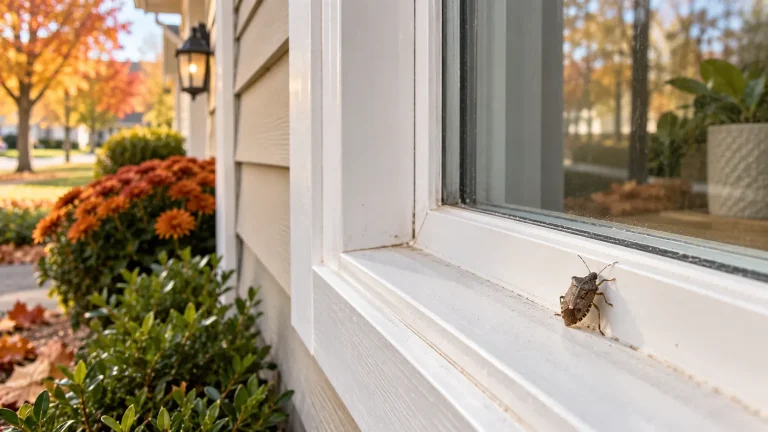
Adult carpet beetles often gather near windowsills or light fixtures because they are attracted to light.
-
Tiny white or cream eggs may be hidden in closets, under furniture, or along baseboards.
-
Carpet beetles do not bite, but larval hairs and shed skins can irritate sensitive skin and cause redness or small bumps.
Carpet Beetles vs Clothes Moths

If you found holes in wool, cashmere, or silk, you are not the only one wondering what caused them. Carpet beetles and clothes moths are the two most common fabric pests, and they leave damage that looks almost identical.
The key differences are in how they behave, where they hide, and what else they eat beyond fabric.
|
Feature |
Carpet Beetles |
Clothes Moths |
|---|---|---|
|
Appearance |
Oval, mottled or patterned shell |
Pale or golden, no pattern |
|
Larvae |
Fuzzy, bristly hairs |
Spin silky tubes or webbing on fabric |
|
Food sources |
Fabric, dry food, grains, pet food |
Fabric only |
|
Behavior |
Fly toward light |
Actively avoid light |
|
Spread |
Across multiple areas of the home |
Concentrated in one dark location |
The treatments overlap. Carpet beetles spread wider through the home, while moths stay close to one closet or storage area.
How Long Does It Take to Get Rid of Carpet Beetles
With consistent effort, most DIY carpet beetle infestations can be resolved within one to three months. This timeline depends on the beetle’s life cycle and how difficult it is to reach all affected areas.
Larvae can survive for weeks without food and often hide in places that a single treatment may miss. Adult beetles are easier to eliminate. Larvae hidden deep in carpet fibers, clothing seams, or stored fabrics are much harder to remove.
Continued vacuuming every few days after cleanup speeds up the process. It also helps prevent the infestation from returning.
How to Prevent Carpet Beetles from Coming Back
The same habits that cleared the infestation are what prevent the next one.
Cleaning and maintenance:
-
Vacuum once or twice per week, focusing on baseboards, under furniture, and closet floors
-
Inspect window screens seasonally and repair any tears
-
Seal cracks around door frames, baseboards, and plumbing entry points with caulk
Food and textile storage:
-
Store flour, dry pet food, cereals, and grains in airtight containers
-
Wash or dry-clean seasonal clothing before storing it. Storing unlaundered items is one of the most common triggers for a new infestation
-
Use airtight bins or sealed garment bags for long-term storage
-
Place cedar blocks or cedar hangers inside every storage container and closet
Incoming items:
-
Shake cut flowers and outdoor plants over a trash can before bringing them inside
-
Inspect secondhand furniture and clothing before bringing them into the home
Outdoor attractants:
-
Remove bird, wasp, or rodent nests near the home; these are a primary food source for larvae
-
Place sticky fly strips near windows in spring and summer. This catches incoming adults before they can lay eggs.
When to Call a Professional
Most localized infestations respond well to DIY treatment. Call a professional if any of the following apply:
-
Damage is appearing in multiple rooms simultaneously
-
Larvae are found inside walls, air ducts, or behind built-in cabinetry
-
The infestation persists through six weeks of consistent treatment
What a professional does that DIY cannot:
-
Crack-and-crevice insecticide injection into areas behind baseboards and inside ductwork
-
Heat treatment for severe cases, raising room temperature high enough to kill all life stages without chemicals
-
Scheduled follow-up monitoring visits to catch newly hatched larvae
Frequently Asked Questions
Do carpet beetles bite?
No. The bristly hairs on larvae cause skin rashes and redness in sensitive people, but carpet beetles do not bite.
Are carpet beetles dangerous to people or pets?
No. They do not bite, sting, or carry disease. The risks are skin irritation from larval hairs and damage to natural-fiber belongings.
What kills carpet beetles instantly?
Direct steam and concentrated insecticide kill on contact, but disrupting the full life cycle over several weeks is what actually resolves the infestation.
How do carpet beetles get into the house?
Through open windows, torn screens, cut flowers, pet fur, secondhand clothing or furniture, and items brought in from storage units.
Can carpet beetles infest a mattress?
They can shelter in mattress seams near an infestation source, but they do not live in mattresses the way bed bugs do.
Wrapping Up
Carpet beetles are slow to show up and slow to leave. But they do leave when you work through the right steps consistently.
The combination of finding the source, cleaning thoroughly, treating fabrics, and sealing entry points is what actually ends an infestation. No single step does it alone.
If you have already started treatment, keep going even when things seem better. Larvae hide well and hatch in waves.
Have a method that worked particularly well for you, or a spot in your home where they keep turning up? Drop it in the comments. Help others dealing with the same problem know where to look first.