Choosing a Smarter Approach to Modern Football Training

Football has always rewarded strength, speed, and determination, but today’s athletes also benefit from preparation that extends well beyond the weight room. Training plans now blend athletic development with recovery, nutrition, film study, and equipment choices that support consistent performance throughout a demanding season. Whether someone is preparing for high school competition, recreational leagues, or simply improving athletic ability, taking a complete approach often produces better long-term results than focusing on a single area. The best athletes understand that progress comes from stacking good habits over time, not chasing shortcuts that rarely deliver lasting improvement.
Build Performance With Better Data
Football has become increasingly analytical, even outside the professional level. Coaches regularly evaluate movement patterns, sprint times, reaction speed, and conditioning to identify strengths while uncovering areas that deserve extra attention. Instead of relying only on instinct, athletes can use NFL metrics to better understand how elite performance is measured. While recreational players are not expected to match professional benchmarks, studying these measurements provides useful context for setting realistic goals. Speed, agility, acceleration, vertical jump, and change of direction all contribute to overall effectiveness on the field. Tracking improvements over several months also keeps motivation high because progress becomes measurable instead of based solely on personal opinion. Data should support training decisions rather than replace sound coaching, but it can make each workout more purposeful.
Train for the Demands of the Game
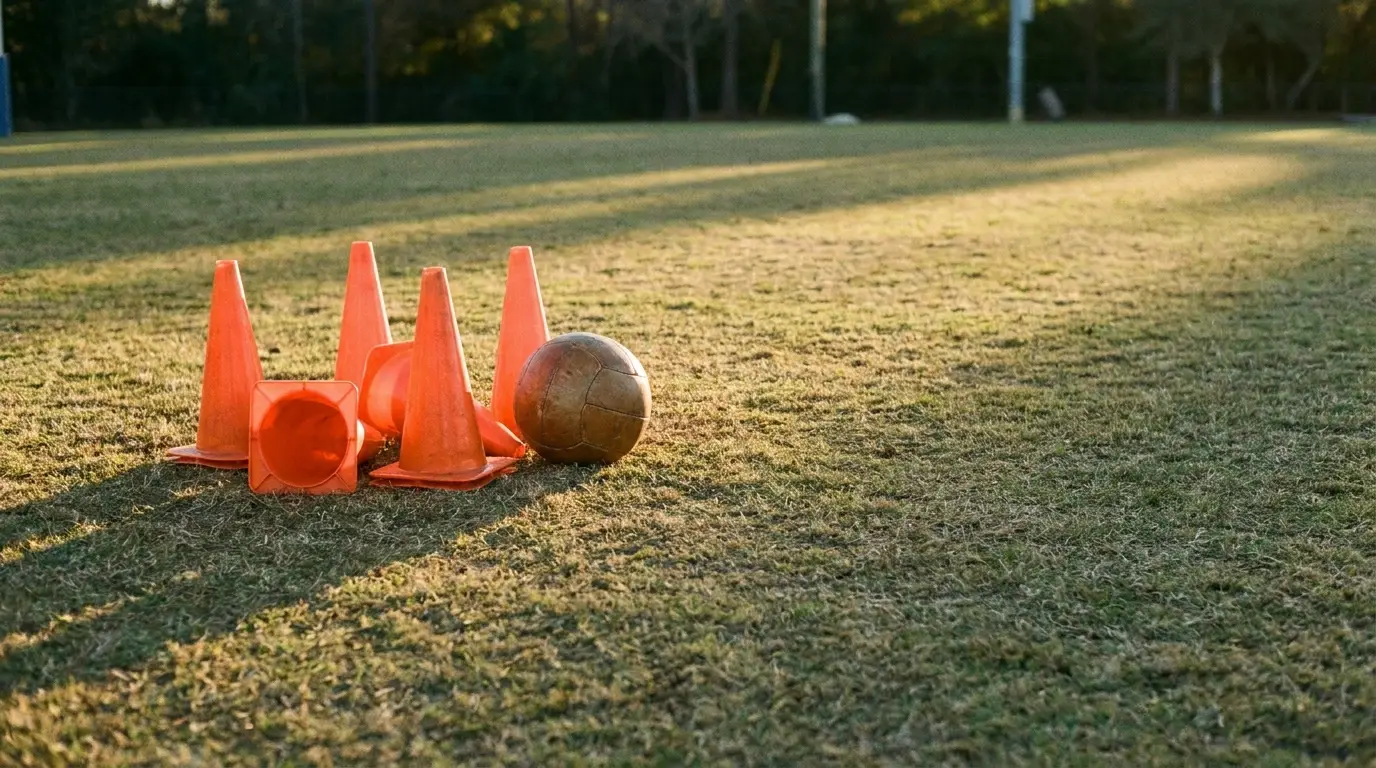
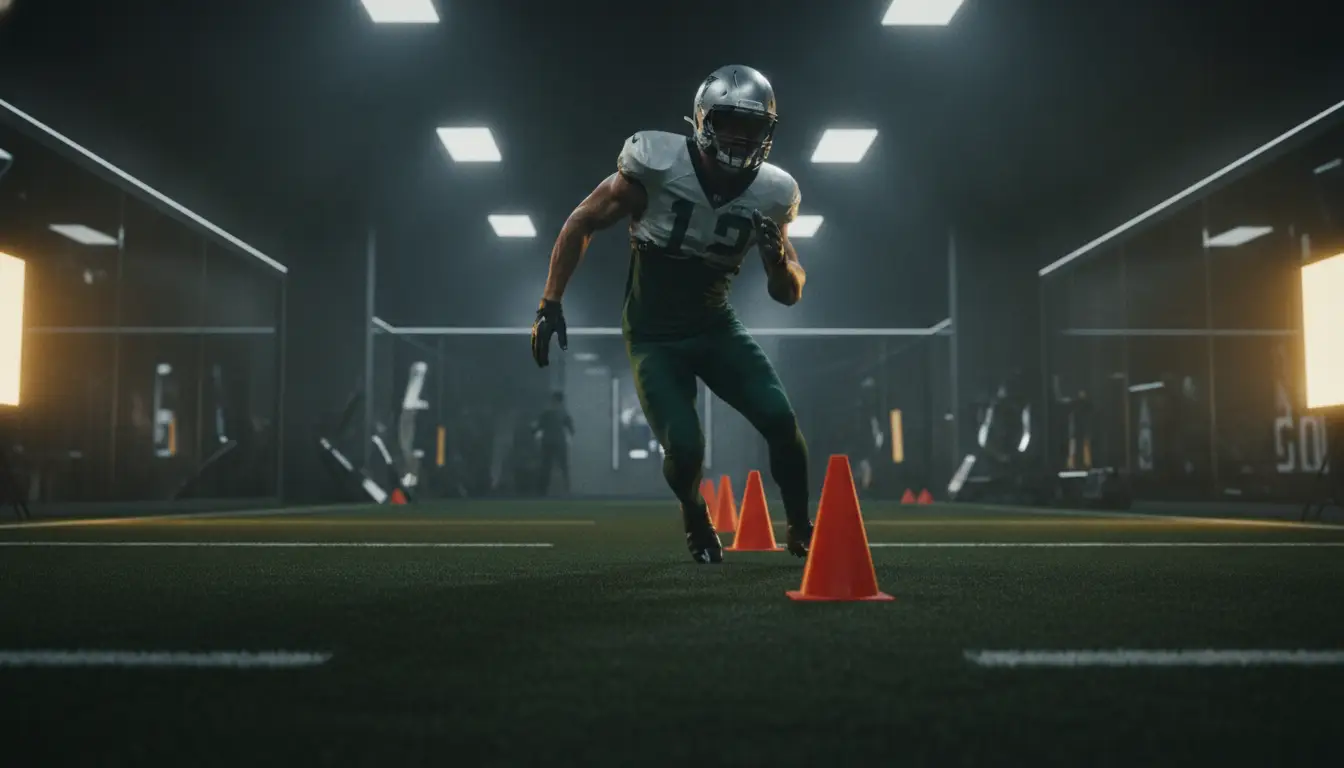
Football asks the body to perform repeated bursts of explosive movement while maintaining focus under pressure. A balanced training routine reflects those demands by combining strength development, conditioning, mobility, and recovery. Compound lifts build power, sprint drills improve acceleration, and agility exercises reinforce body control during sudden changes in direction. Recovery deserves equal attention because muscles adapt during rest, not during the workout itself. Proper hydration, consistent sleep, and balanced nutrition help athletes return to practice ready to improve instead of simply trying to survive another session. Film review also has value because recognizing tendencies and positioning can reduce unnecessary physical effort during competition. Physical preparation and mental preparation work together, allowing players to react more confidently when the pace of the game increases.
Choose Equipment That Supports Confidence
Skill and preparation matter far more than expensive gear, yet quality equipment can improve comfort and help athletes practice with greater confidence. Helmets, shoulder pads, gloves, mouthguards, cleats, and protective accessories should fit correctly because poorly fitted equipment may interfere with movement or create unnecessary distractions during practice. Parents and athletes should also pay attention to durability instead of selecting products based only on appearance. For example, companies like Battle Sports offer all the gear you need for players who want dependable football equipment across multiple positions. Regardless of the brand, athletes should inspect gear regularly for signs of wear and replace damaged items before they become a problem. Good equipment supports preparation, but it works best alongside disciplined training, responsible coaching, and consistent attention to proper technique throughout the season.
Develop Habits That Last Beyond One Season
The strongest football programs encourage athletes to think beyond the next game. Consistency builds confidence because small improvements accumulate throughout months of disciplined work. Players who arrive prepared, communicate well with teammates, and stay committed during difficult practices often experience steady growth that extends well beyond athletic performance. Football naturally teaches responsibility, resilience, and teamwork because success depends on individuals working toward shared goals instead of personal recognition. Those lessons remain valuable long after the final whistle. Even athletes who eventually pursue different interests frequently carry those habits into school, work, and everyday life. A thoughtful training plan, smart equipment choices, and a willingness to keep learning create a foundation that supports both athletic development and personal growth.
Football rewards preparation as much as talent. Athletes who train with purpose, measure their progress, use reliable equipment, and remain committed to steady improvement place themselves in a strong position to enjoy the game while continuing to develop season after season.