Celebrity Downtime Habits Behind the Big Net Worths
How Celebrities Spend Their Downtime: The Surprising Leisure Habits Behind the Net Worth Numbers
Scottie Scheffler is worth $110 million as of July 2026. He’s the world’s top-ranked golfer, a back-to-back major champion, and by most measures the most dominant player of his generation. So what does he do when he finally puts the clubs away?
Not much, as it turns out. Scheffler has been vocal about keeping his off-course life genuinely low-key. Family dinners, church, the occasional video game session. That’s it. No yacht parties. No celebrity poker tournaments. Just a man who competes at the highest possible level finding restoration in the quietest possible ways.
It sounds almost boring. And yet that’s exactly the point.
The Gap Between What We Expect and What Stars Actually Do
There’s a particular fantasy we attach to celebrity wealth. Eight-figure net worth should come with eight-figure leisure, right? Private islands, Formula 1 boxes, collecting Basquiats. The reality is considerably stranger. And more relatable.
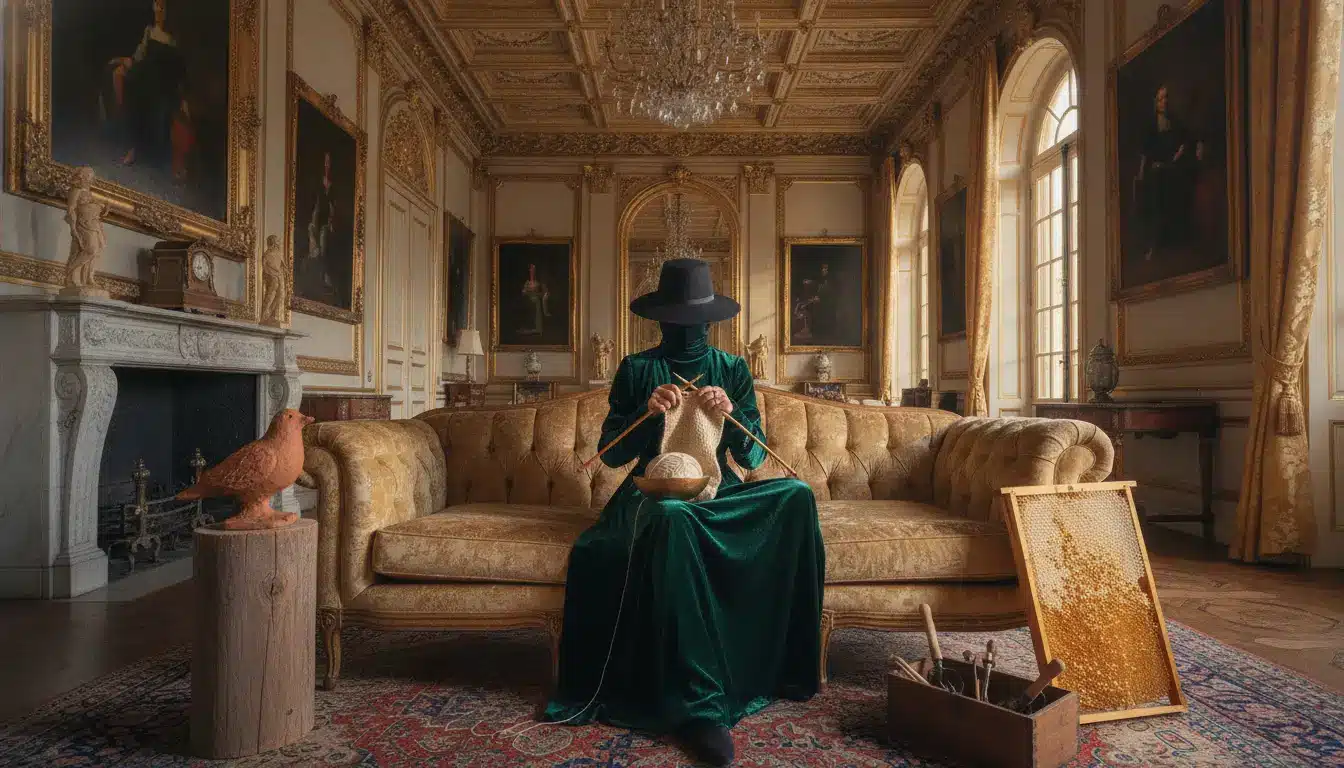
Beyoncé keeps bees. Not metaphorically. She maintains actual beehives on her Houston property and has spoken about honey production as a grounding ritual that forces her to slow down and be fully present. Brad Pitt spends serious hours in his sculpture studio. Taylor Swift bakes aggressively, to the point where her cats are apparently named after TV characters and her cookies are a genuine talent. According to HuffPost’s profile of how high-earning celebrities use leisure to decompress, the pattern across dozens of A-listers is consistent: the more high-pressure the professional life, the more grounded and tactile the downtime choice tends to be.
This isn’t accidental psychology. It’s self-regulation. When your job requires you to perform for thousands of people, your nervous system craves exactly the opposite during recovery.
Scheffler, Sports, and the Science of Rest
Scheffler’s case is worth staying on for a moment because it’s the most current and most revealing. A $110 million golfer who unwinds by staying home is a genuinely useful data point.
Elite athletes treat leisure with the same intentionality they bring to training. Sleep science, nutrition, low-stimulus environments. The PGA Tour’s performance coaching staff has pushed this hard over the last five years. Rest isn’t passive for these guys; it’s programmed.
That’s not available to most of us. But the underlying desire is identical: find something that lets your brain shift gears. Something that’s engaging enough to hold your attention but low-stakes enough to feel like relief rather than work.
This is where the gap between celebrity leisure and everyday leisure closes faster than you’d think.
What Everyday Fans Do Instead
For the fans who follow Scheffler’s leaderboard runs, or stream Beyoncé’s tour footage at 11pm, the question of how to unwind runs into a pretty simple constraint: budget.
The beehives and sculpture studios aren’t an option. But the underlying need. Something tactile, engaging, a little thrilling, and genuinely separate from the working day. Absolutely is.
In New Zealand specifically, this has driven a noticeable shift toward interactive digital entertainment over the past three years. Online gaming, streaming, and real-money casual games have all grown substantially as Kiwi adults look for leisure that doesn’t require leaving the house or spending a fortune. For Kiwi readers actively exploring that space, a practical starting point is finding the best online pokies NZ has to offer. Options that deliver that same short-burst, high-engagement hit that makes downtime feel genuinely restorative rather than just time-killing. The format suits busy schedules: ten minutes on a lunch break, half an hour after the kids are down, a quick spin while the cricket’s on. Low commitment, real engagement.
Deloitte’s 2024 Digital Media Trends research found that gaming and interactive digital entertainment have converged into the primary leisure category across adult age groups, overtaking passive television viewing in several segments. Stars are part of that shift too. Several NBA players. Most notably Ben Simmons and Gordon Hayward. Have gone public about competitive gaming as their primary off-court recovery tool. Hayward in particular built enough of a profile in the esports world to attract sponsorship deals around it.
The hobby doesn’t have to cost anything close to what the celebrity version does. The functionit serves is identical.
The Hobbies Nobody Saw Coming
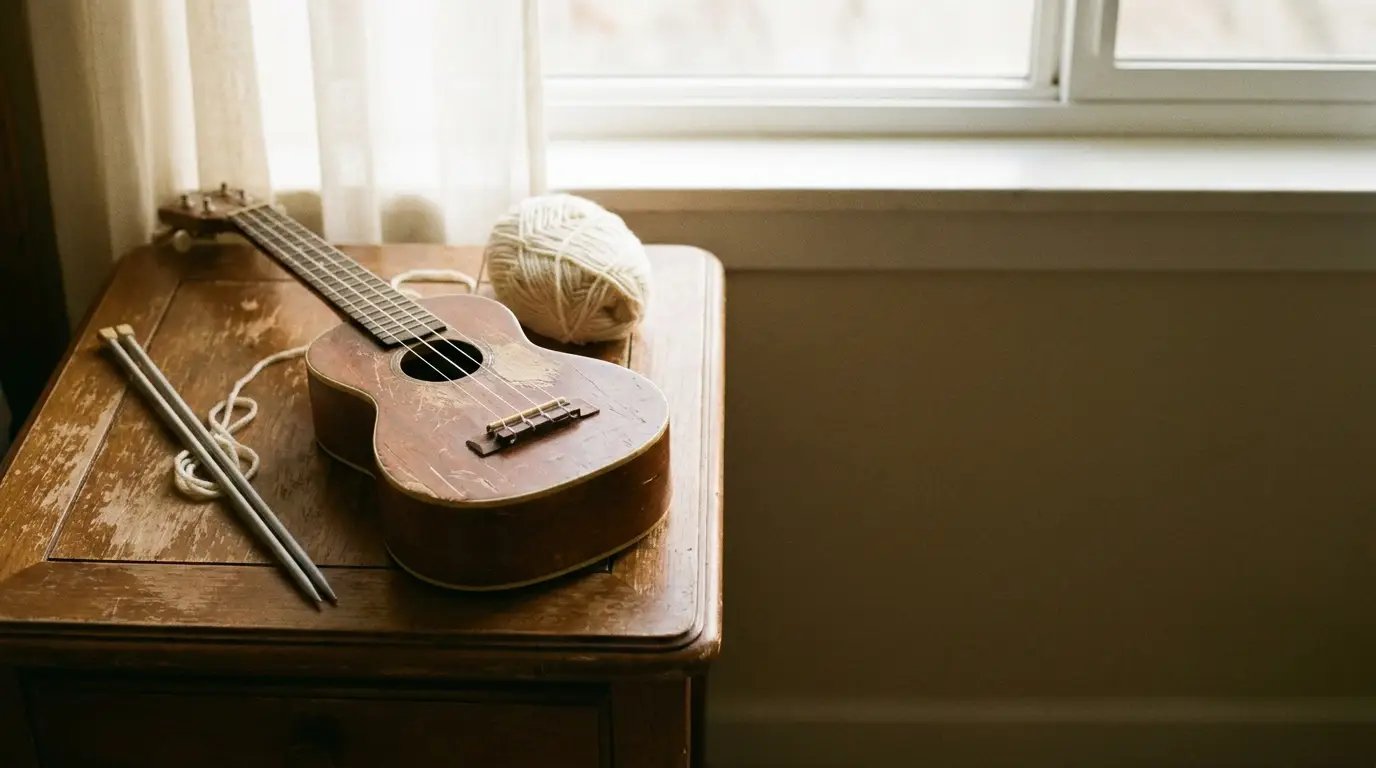
If you need further proof that wealth doesn’t dictate leisure taste, the celebrity hobby landscape is full of genuinely unexpected entries.
Warren Buffett plays ukulele. Seriously. He’s performed on stage with Jon Bon Jovi. Mila Kunis is a dedicated World of Warcraft player who was reportedly raiding dungeons long before her film career hit its peak. Steve Martin has been a serious banjo player for decades, and his bluegrass album won a Grammy in 2009. Ryan Gosling knits.
None of these are hobbies you’d attach to their net worth figures. All of them are hobbies that serve the same function: a contained, skill-based activity that produces a clear output and requires just enough concentration to crowd out everything else.
Lifestyle Asia’s roundup of unexpected celebrity hobbies notes that Beyoncé’s beekeeping and similar hands-on pursuits tend to emerge in celebrities who carry the heaviest public performance load. The more visible the professional persona, the more the private self reaches for something tactile, specific, and genuinely theirs.
The Net Worth Paradox
Here’s the thing that gets missed in most celebrity net worth coverage: the number itself doesn’t change how leisure feels. It just changes the options.
Scheffler can afford a private performance centre in his backyard. He chose a couch and a games controller. Beyoncé could book out any resort in the world for a week of enforced rest. She chose bees.
Most people reading this are working with a considerably smaller leisure budget. But the question they’re answering is exactly the same one Scheffler and Beyoncé are answering: what makes me feel like myself again after a hard week?
For some it’s a long walk. For some it’s cooking something elaborate. For a growing number, it’s 20 minutes with an online game that’s genuinely fun, occasionally rewarding, and asks nothing of you except your attention.
The celebrity net worth obsession that drives so much of our pop culture consumption is really just a proxy for that question writ large. We’re not interested in the number. We’re interested in what the number reveals about choices. And when the choices turn out to be humble, weird, and relatable. That’s when it actually gets interesting.
FAQ
What do most celebrities actually do in their downtime? Research consistently shows high-profile celebrities gravitate toward grounding, tactile hobbies rather than extravagant leisure. Beyoncé keeps bees. Scottie Scheffler plays video games at home. Brad Pitt sculpts. The pattern holds broadly: the more performative the career, the quieter and more hands-on the off-duty habit.
Why does Scottie Scheffler’s net worth keep growing despite his simple lifestyle? Scheffler’s $110 million net worth as of mid-2026 reflects prize money, endorsements with Nike, Rolex, and TaylorMade, and appearance fees, not a lavish personal spending rate. Keeping lifestyle costs low while income scales dramatically is the most common wealth-building pattern among elite athletes.
Is online gaming a genuine leisure activity for celebrities? Absolutely. NBA players like Gordon Hayward built enough of a public gaming profile to attract esports sponsorships. Several Premier League footballers have spoken publicly about gaming as their primary recovery tool between match weeks. It’s mainstream at every income level.
Why have online pokies and casual digital games grown in New Zealand specifically? Post-2023, New Zealand saw a measurable shift toward home-based digital entertainment driven by convenience and improved mobile infrastructure. Online pokies in particular fit the pattern: short sessions, low barrier to entry, and the kind of contained engagement that works around a full schedule.
What’s the psychology behind celebrities choosing simple hobbies? Sports psychologists and performance coaches describe it as necessary contrast. When your working life demands constant output and public exposure, your nervous system recovers best through activities that are private, skill-based, and low-stakes. The specific hobby matters less than the function it serves.
Play Smart
Celebrity leisure is a mirror. It shows us that the impulse to switch off, find something genuinely enjoyable, and spend time on your own terms is universal. It just looks different at different budget levels. Whether that’s Scheffler on his couch or a Kiwi reader on their phone between shifts, the need is the same.
Gambling involves risk. Please play responsibly and only wager what you can afford to lose. If gambling is becoming a concern, visit BeGambleAware.org or contact the New Zealand Problem Gambling Helpline on 0800 654 655.