
How to Create a Beautiful Memory Corner in Your Home

A memory corner is more than a decorative space. It is a small part of your home that holds the people, moments, and stories you do not want to forget. For many households, it becomes a quiet place to pause, reflect, and feel connected to the life you’ve built.
The good news is that creating one does not require a large room or a big budget. With a little intention, you can turn a shelf, wall, table, or tucked-away nook into something deeply personal and beautiful.
What Is a Memory Corner?
A memory corner is a dedicated spot in your home that displays meaningful keepsakes. It might include family photos, framed letters, travel souvenirs, candles, flowers, or objects passed down through generations.
Some people create memory corners to honor loved ones who have passed away. Others use them to celebrate family milestones, childhood memories, or important life chapters. Whatever your reason, the purpose is the same – to create a space that feels personal, comforting, and emotionally grounded.
Choose the Right Spot in Your Home
The best memory corner is usually the one that fits naturally into your daily life. You do not need a large area. A small side table, a bookshelf, a hallway nook, or the top of a dresser can work beautifully.
Think about where you already slow down. A bedroom corner may feel private and calming, while a living room shelf allows the memories to be seen and shared. If the space feels too busy or exposed, it may be harder for the memory corner to feel special.
Let the Space Guide the Design
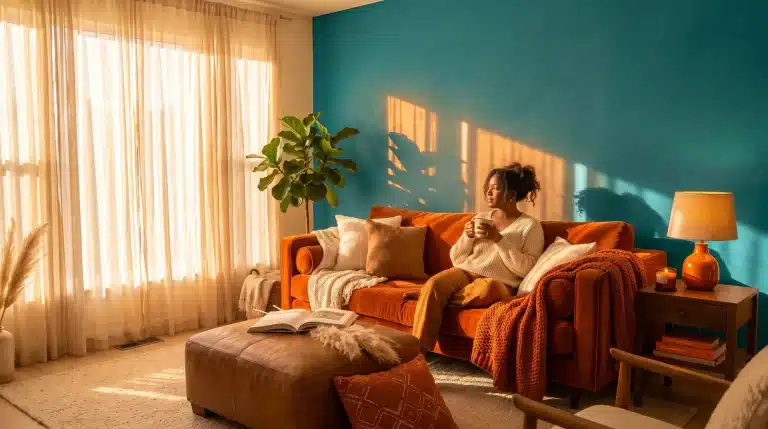
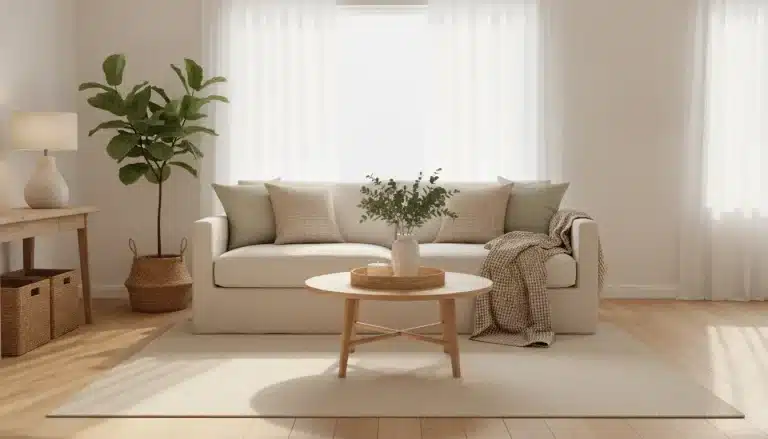
Before adding anything, notice the light, wall color, and available surface area. A bright room may suit light frames and airy styling, while a darker corner might look better with warm tones and soft lighting. The room itself should help shape the mood.
You may also want to consider how often you will interact with the space. If it is meant for quiet reflection, place it somewhere peaceful. If it is meant to be shared with family, choose a more central location.
Start With the Memories That Matter Most
A beautiful memory corner does not need to include everything. In fact, it often feels stronger when it is edited with care. Choose the objects that carry the most meaning rather than filling the space with too many items.
Photos are usually the natural starting point. They instantly bring warmth and recognition. If you want a more polished and lasting display, consider creating a new home photo album alongside printed images in frames. This adds depth to the corner and gives your memories a more permanent place.
You can also include:
- A handwritten note or letter
- A favorite quote
- A small piece of fabric or clothing with sentimental value
- A candle or vase with special meaning
- A souvenir from a trip or celebration
The key is to choose items that tell a story. A memory corner becomes powerful when every piece means something.
Use a Simple Design Theme
A memory corner looks most elegant when the pieces feel connected. That does not mean everything has to match perfectly. It just means there should be a sense of visual harmony.
You might build your corner around a color palette, such as soft neutrals, black and white, warm earth tones, or faded pastels. You could also base it on a style, like vintage, minimalist, rustic, or modern. The design should support the feeling you want the corner to create.
Keep the Layout Balanced
Try mixing objects of different heights and textures. A framed photo beside a candle, a small plant, and a ceramic bowl can create interest without feeling crowded. Balance helps the display feel calm rather than chaotic.
If you are using multiple frames, vary the sizes slightly but keep the overall arrangement tidy. Too much symmetry can look stiff, while too much variety can feel messy. Aim for a natural middle ground.
Add Layers for Warmth and Meaning
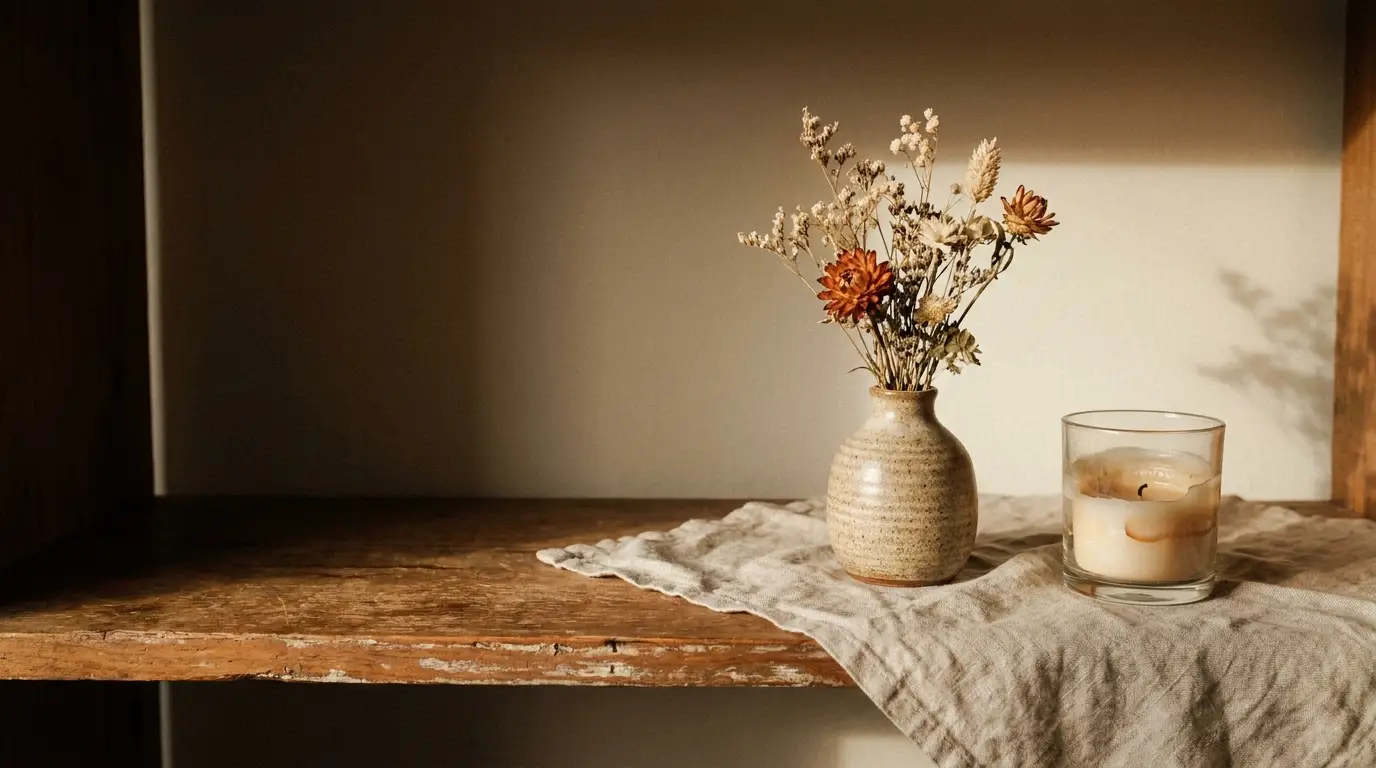
A memory corner feels more inviting when it has depth. Layering can help the space look thoughtful without making it cluttered. This can be as simple as placing a framed photo in front of a mirror, leaning artwork against a wall, or stacking books beneath a smaller object.
Textures matter too. Wood, glass, linen, metal, and ceramics each give the corner a slightly different feeling. Mixing a few materials can make the space richer and more lived-in.
Lighting is another important layer. A small lamp, fairy lights, or candlelight can soften the mood and make the corner feel comforting in the evening. Just be sure the lighting suits the size of the space and does not overpower the objects you are displaying.
Make Room for Change Over Time
One of the biggest mistakes people make is treating a memory corner like a fixed design project. Your life changes, and your memory corner should be allowed to change too. New photos, new milestones, and new keepsakes can be added as your story continues.
You might update it seasonally, after a family event, or whenever you feel the space needs refreshing. Some people rotate items so the display stays meaningful without becoming cluttered. This keeps the corner feeling alive rather than frozen in time.
If the memory corner honors someone you miss, changing it can also be a gentle way to keep that relationship present. A fresh flower, a new photo, or a note can be enough to renew the space.
Keep It Personal, Not Perfect
A beautiful memory corner is not about interior design rules. It is about emotional truth. The space should reflect your family, your history, and the things you want to remember.
Do not worry if it does not look like a magazine page. The most moving memory corners are often the ones that feel honest and quietly loved. A child’s drawing, a travel ticket, or an old frame with a worn edge can matter more than anything perfectly styled.
What makes the corner beautiful is not polish. It has meaning.
Conclusion
Creating a memory corner in your home is a simple way to make your space feel more personal and grounded. By choosing the right location, selecting meaningful objects, and arranging them with care, you can build a corner that brings comfort every time you see it.
Start small if you need to. One photo, one keepsake, and one thoughtful detail can be enough to begin. Then let the space grow naturally with your life, your family, and the memories you want to keep close.