Can One Couch Last 20 Years? A Closer Look at Soulfa

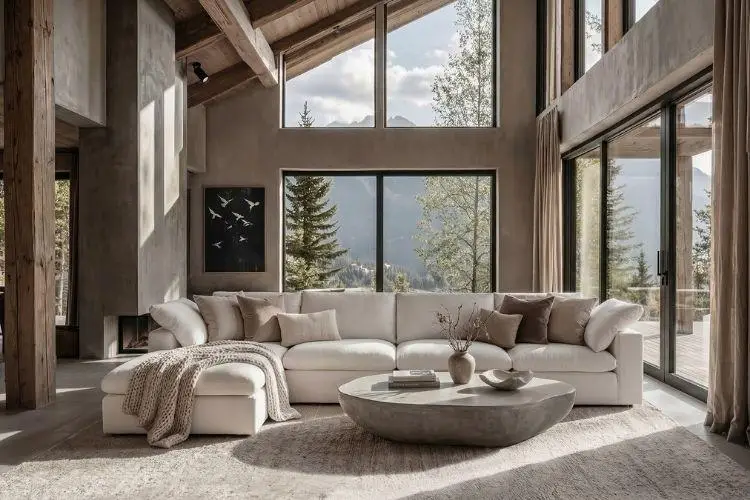
The average sofa is expected to last between five and 15 years, depending on its construction, usage, and maintenance. As consumers increasingly question the environmental and financial cost of replacing furniture, manufacturers are placing greater emphasis on durability, modularity, and material quality. Within this shift, Soulfa has developed a niche as a direct-to-consumer furniture company specializing in handcrafted modular cloud-style couches designed for long-term ownership.
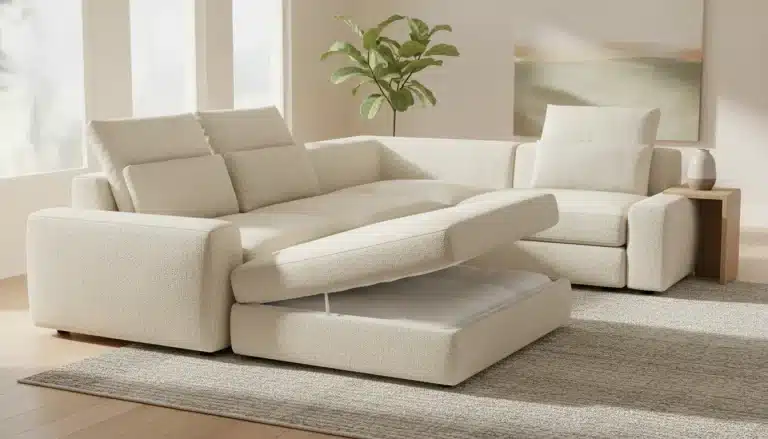
Founded in the United States in 2015, Soulfa produces modular seating systems built around individual cubes that can be expanded or reconfigured over time. The company reports that its approach was inspired by a practical challenge faced by founder Vitória, who struggled to move a large traditional sofa into a luxury penthouse because of limited elevator and hallway access. That experience shaped a modular concept intended to simplify transportation while maintaining the appearance and comfort associated with premium sectional seating.
Modular Design Reflects Changing Living Patterns
The modular furniture market has expanded alongside changing household needs. According to Grand View Research, the global ready-to-assemble furniture market is projected to grow steadily over the coming decade as consumers increasingly seek products that are easier to transport, adapt, and maintain.
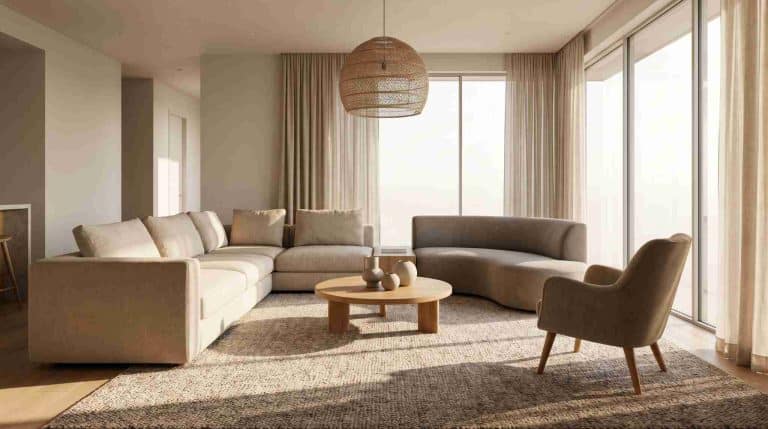
Soulfa applies this principle through individual modular cubes that allow owners to create configurations ranging from compact four-seat arrangements to larger seven-cube sectionals. Additional modules can be added later rather than replacing the entire sofa, allowing layouts to evolve with different homes or family requirements.
The company categorizes its products according to room size, with smaller modular arrangements intended for apartments and condominiums, while larger sectional configurations targeting open-plan homes. Information about these modular collections is available at soulfa.com/collections/modular-couches, where the different configurations illustrate how the system can adapt to varying living spaces.
Interior designer Nate Berkus has often said, “Your home should tell the story of who you are, and be a collection of what you love.” As homeowners increasingly remain in their homes for longer periods, adaptable furniture has become a practical way to accommodate changing lifestyles without replacing major pieces.
Construction Prioritizes Longevity Over Replacement
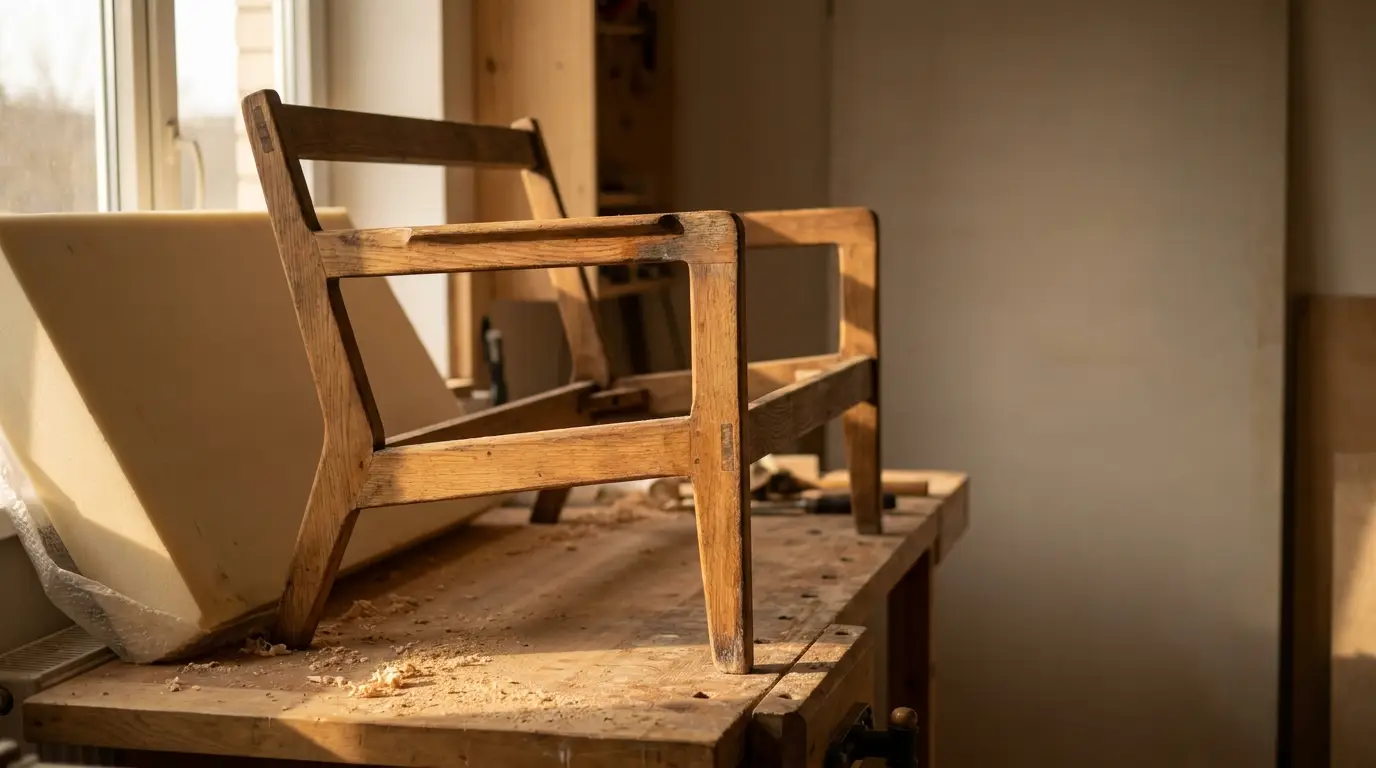
Furniture durability depends largely on frame construction, cushion support, and upholstery materials. Industry experts generally recommend kiln-dried hardwood frames because they resist warping better than many engineered alternatives.
According to the company, each Soulfa modular cube is handmade in the United States. It uses kiln-dried hardwood frames and high-density foam. Unlike many modular systems that need assembly after delivery, each cube arrives fully built. This removes the need for tools and keeps the structure stable.
Charles Eames, whose furniture designs continue to influence modern interiors, famously observed, “The details are not the details. They make the design.” That philosophy reflects the growing consumer focus on what lies beneath upholstery, including frame construction, foam density, and long-term structural support rather than appearance alone.
Perhaps the most notable specification is the company’s 20-year warranty, an uncommon offering within the upholstered furniture industry. While warranty coverage varies between manufacturers, extended warranties generally indicate greater confidence in construction standards and expected product lifespan.
The seating system also incorporates optional 1.5-inch high-density memory foam inserts intended to provide structure alongside the soft appearance associated with cloud-style seating. This addresses a common criticism of deep, plush sofas, which may gradually lose their shape after extended use.
Material Choices Reflect Health and Maintenance Priorities
Material selection has become an increasingly important consideration for consumers researching indoor air quality and household chemicals. The U.S. Environmental Protection Agency (EPA) notes that many household furnishings and building materials can release volatile organic compounds (VOCs), making material selection an increasingly important consideration for healthier indoor environments.
Soulfa states that its upholstery exceeds standard OEKO-TEX requirements by excluding formaldehyde, flame retardants, PFAS, PFOA, lead, and other chemicals commonly discussed in furniture safety conversations. The company describes its fabrics as hypoallergenic and designed to minimize off-gassing while maintaining durability.
Performance fabrics have also become increasingly important for households with children and pets. Rather than relying solely on appearance, consumers increasingly evaluate stain resistance and long-term maintenance requirements before purchasing upholstered furniture.
Soulfa’s removable, machine-washable covers address this practical concern while allowing owners to replace covers independently from the furniture itself. This design may extend the usable life of the sofa while offering flexibility for changing interior styles over time.
The environmental impact of longer-lasting furniture has also gained attention. According to the U.S. Environmental Protection Agency’s Advancing Sustainable Materials Management report, the United States generated more than 12 million tons of furniture and furnishings waste in 2018, with most of it ultimately ending up in landfill. Products designed for repair, refurbishment, or longer service lives may help reduce replacement cycles over time.
Direct-to-Consumer Manufacturing Supports a Different Business Model
The premium furniture industry has traditionally relied on extensive showroom networks that contribute to retail pricing. Soulfa instead operates as an online-only business, reporting that resources are directed toward materials and construction rather than physical retail locations.
This approach places the company within the broader direct-to-consumer movement that has expanded across multiple consumer categories during the past decade. By manufacturing in smaller batches rather than mass production, Soulfa positions itself differently from both luxury showroom brands and lower-cost furniture retailers.
The company currently ships throughout the United States, Canada, Mexico, and selected international markets from its U.S. operations.
As consumers increasingly prioritize durability, healthier materials, and adaptable living spaces, modular furniture continues gaining attention across the residential market. Within that landscape, Soulfa represents a company focused on combining long-term construction, configurable layouts, and material transparency. Whether a couch ultimately lasts two decades depends on usage and maintenance, but the growing emphasis on longevity reflects a broader shift away from disposable furniture toward products designed for extended ownership.