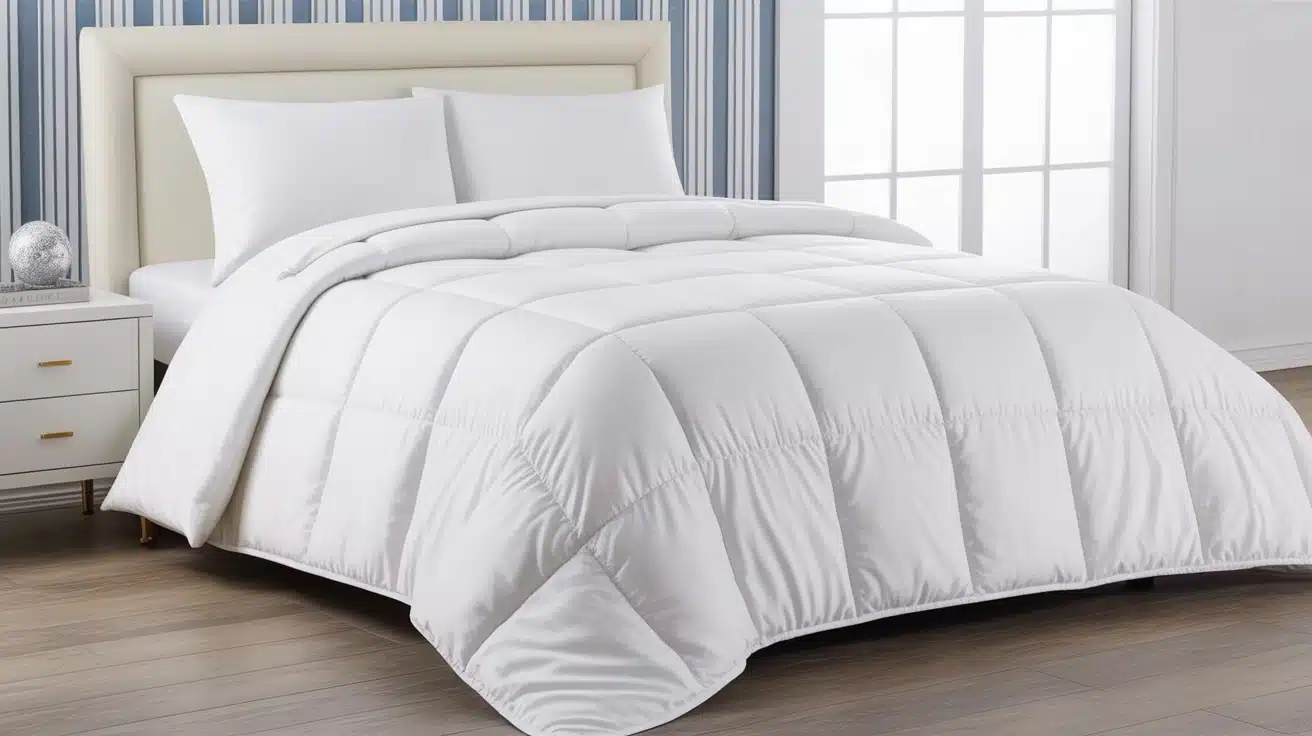
Duvet Covers: What They Are & Why You Need One

Ever wonder why hotel beds feel so comfortable and look so perfect? The secret often lies in a straightforward item: the duvet cover.
This removable fabric case does more than just protect your bedding; it can completely change how you sleep and how your bedroom looks.
Many people confuse duvet covers with regular comforters or don’t understand why they need one at all.
But once you learn what goes inside a duvet cover and how it works, you’ll see why it’s become essential bedding in homes worldwide.
In this guide, you’ll learn exactly what a duvet cover is, why you need one, and how to choose the perfect option for your sleep style and budget.
What is a Duvet Cover?
A duvet cover is a removable fabric case that fits over your duvet insert, just like a pillowcase protects your pillow. This bedding accessory shields your duvet from spills, sweat, and daily wear.
Most covers have zippers, buttons, or ties for easy removal and washing. The main purpose is to protect your expensive duvet insert while letting you change your bedroom’s style without buying new bedding.
It’s a practical money-saving solution that keeps your sleep space fresh.
What Goes Inside a Duvet Cover?
A duvet cover holds a duvet insert, available in various fills like down, feathers, and synthetics, to provide warmth and comfort.
- Down – Down is the soft, fluffy undercoating found beneath the feathers of ducks and geese. It provides exceptional warmth while remaining lightweight.
- Feather – Feather-filled inserts typically contain feathers or a blend of feathers and down, creating a heavier feel while still providing warmth and comfort.
- Down Alternative – Synthetic filling that mimics down’s fluffiness without causing allergies, perfect for sensitive sleepers on a budget.
- Microfiber – Ultra-fine synthetic fibers that create a lightweight, easy-to-wash insert that dries quickly.
- Wool – Natural sheep’s wool that keeps you warm in winter and cool in summer while being naturally antibacterial.
Types of Duvet Cover Fabrics & Their Benefits

From breathable cotton to luxurious silk, each duvet cover fabric offers unique comfort, style, and care needs. Here’s how to choose the best one for you.
1. Cotton
Cotton is the most popular duvet cover material because it’s soft, breathable, and lasts for years. It works well in all seasons, keeping you cool in summer and warm in winter.
You can choose from premium Egyptian cotton for luxury, organic cotton for eco-friendly options, crisp percale for hot sleepers, or smooth sateen for a silky feel.
Cotton covers get softer with each wash and handle daily use without falling apart.
2. Linen
Linen is perfect for hot climates and summer months because it breathes better than any other fabric. It pulls moisture away from your skin, keeping you dry and comfortable all night.
The natural wrinkled texture gives your bedroom a relaxed, casual look that’s very trendy right now. Linen gets softer over time and never looks too formal or stuffy.
3. Silk
Silk duvet covers feel incredibly smooth against your skin and give your bedroom a luxurious hotel vibe.
Silk is often well tolerated by people with sensitive skin and may reduce irritation compared to some synthetic fabrics. Silk helps regulate your body temperature, keeping you comfortable without overheating.
It’s also naturally resistant to dust mites and bacteria, making it great for people with allergies.
4. Flannel
Flannel duvet covers are designed for cold weather and winter nights, providing extra warmth and coziness.
The brushed cotton fibers trap heat close to your body, creating a snug feeling that’s perfect for chilly bedrooms. Flannel is soft from the first use and gets even more comfortable over time.
It’s ideal for people who always feel cold or live in areas with harsh winters.
5. Bamboo
Bamboo originates from a fast-growing renewable plant, although the sustainability of bamboo fabrics varies depending on how the fibers are processed.
It feels silky soft against your skin and breathes well, keeping you cool and dry during sleep. Bamboo naturally fights bacteria and odors, so your duvet cover stays fresh longer between washes.
It’s a great choice for people who care about the environment but still want comfort.
6. Polyester & Microfiber
These synthetic fabrics are perfect for busy families who need low-maintenance bedding.
They resist wrinkles, dry quickly after washing, and cost much less than natural fabrics like cotton or linen.
Microfiber feels surprisingly soft for a synthetic material and comes in many colors and patterns. These materials work well for guest rooms, kids’ beds, or anyone on a tight budget.
7. Blended Fabrics
Fabric blends combine the best features of different materials to give you better performance and value.
A cotton-polyester blend gives you cotton’s softness with polyester’s wrinkle resistance and easy care. These covers last longer than pure cotton and cost less than premium natural fabrics.
Blends are perfect for people who want good quality without paying luxury prices or dealing with high-maintenance care.
Washing Instructions for Each Fabric Type
Different duvet cover fabrics require different care; follow these wash tips to keep them looking fresh and lasting longer.
- Cotton: Machine wash in warm water with regular detergent, tumble dry on medium heat.
- Linen: Wash in cool water on gentle cycle, air dry, or use low heat to prevent shrinking.
- Silk: Hand wash in cold water with mild detergent or use delicate machine cycle, air dry only.
- Flannel: Machine wash in warm water, tumble dry on low heat to maintain softness.
- Bamboo: Wash in cold water on gentle cycle with mild detergent, tumble dry on low heat.
- Polyester/Microfiber: Machine wash in warm water, tumble dry on medium heat, very low maintenance.
- Blended Fabrics: Follow care instructions for the most delicate fiber in the blend.
How to Use a Duvet Cover
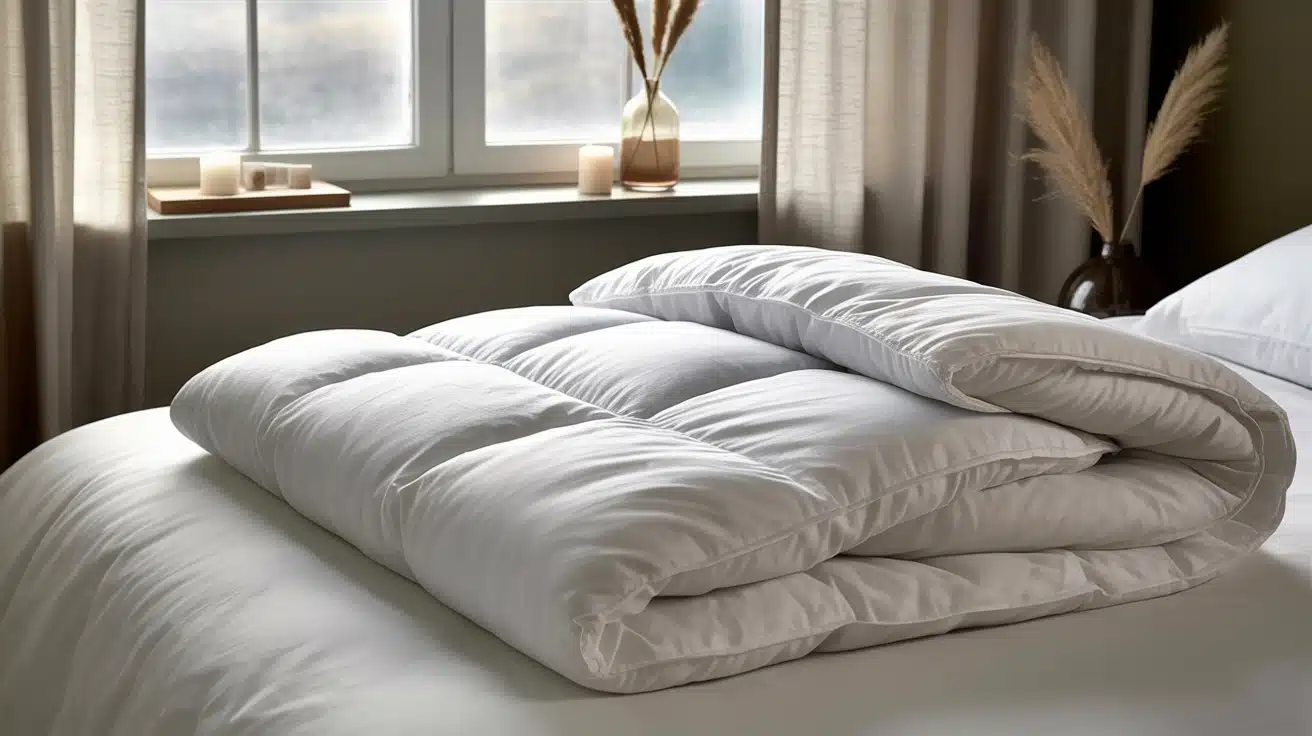
Using a duvet cover is easier than most people think, and there are two main methods for getting your insert in.
The traditional method involves turning the cover inside out, grabbing the top corners of your duvet insert, and shaking everything right-side out.
The burrito/roll method is faster – you lay the cover flat, place the insert on top, roll them together like a burrito, then unroll while flipping the cover over the insert.
To prevent your duvet from bunching up or shifting around inside the cover, look for covers with corner ties that attach to loops on your insert, or use duvet clips from the bedding store.
Some premium covers have interior zippers or snaps that keep everything in place.
Once you learn either method, changing your duvet cover takes just a few minutes and makes your bed look fresh and neat.
Benefits of Using a Duvet Cover
A duvet cover not only protects your bedding but also adds style, makes cleaning easier, and adapts to your comfort needs year-round.
1. Ease of Cleaning
Washing a duvet cover is as simple as washing your regular sheets – just toss it in the machine, and you’re done. Your bulky duvet insert stays clean and dry while the cover handles all the dirty work.
Most duvet inserts require special care or professional cleaning, which is both costly and time-consuming. With a cover, you can wash your bedding weekly without any hassle or extra expense.
2. Hygiene
A duvet cover acts like a barrier between you and your duvet insert, blocking sweat, dead skin cells, and body oils from soaking in.
It keeps dust mites, pet dander, and other allergens away from the expensive insert underneath.
This protection is especially important for people with allergies or asthma who need cleaner sleeping environments.
3. Cost Savings
Instead of buying a whole new duvet when yours gets stained or worn out, you just replace the affordable cover.
A quality duvet insert can cost $200-500, but covers usually cost $30-100, depending on the material. You can own multiple covers for the price of one new duvet, giving you more variety for less money.
4. Seasonal Adaptability
Switch from lightweight cotton covers in summer to warm flannel covers in winter, using the same duvet insert.
Your body temperature stays comfortable year-round without having to buy separate bedding for each season.
Hot sleepers can use breathable linen covers, while cold sleepers can choose cozy flannel or jersey knit options. This flexibility means one quality duvet insert works perfectly in all weather conditions.
5. Style Flexibility
Change your bedroom’s entire look in minutes by simply swapping duvet covers, without the hassle of redecorating the whole room.
Go from bright spring colors to cozy fall patterns without spending money on new furniture or paint. You can match seasonal decorations, try new color schemes, or switch between bold patterns and simple solids.
This instant makeover ability keeps your bedroom looking fresh and current with minimal effort and cost.
6. Durability
A duvet cover protects your expensive insert from wear, tears, spills, and daily damage that shortens its lifespan.
High-quality inserts may last 10 years or more when properly maintained, while unprotected inserts often wear out more quickly. Without protection, the same insert might only last 3-5 years before getting too dirty or damaged to use.
This protection preserves your investment and ensures you get full value from premium bedding purchases.
Key Difference: Duvet Cover vs. Comforter vs. Quilt
While all three keep you warm, they differ in design, maintenance, and style flexibility. Here’s how to choose the right one for your needs.
| Type | Warmth | Cleaning | Style Flexibility |
|---|---|---|---|
| Duvet Cover + Insert | Varies by insert | Wash the cover only | High–change covers easily |
| Comforter | Moderate–High | Wash the whole piece | Low–fixed design |
| Quilt | Light–Moderate | Usually machine washable | Medium – decorative only |
The Bottom Line
A duvet cover is your secret weapon for better sleep and a stylish bedroom.
This simple fabric case protects your expensive duvet insert, saves money on replacements, and lets you change your room’s look in minutes.
From easy washing to seasonal fabric swaps, duvet covers make bedding maintenance effortless while keeping you comfortable year-round.
The correct duvet cover changes your sleep experience through better hygiene, temperature control, and style flexibility.
Whether you choose breathable cotton, cozy flannel, or luxurious silk, you’re investing in years of better rest and cleaner bedding.
Ready to upgrade your bedding game? Share your favorite duvet cover material in the comments below, or tell us which benefit surprised you most.
Sweet dreams start with smart bedding choices!