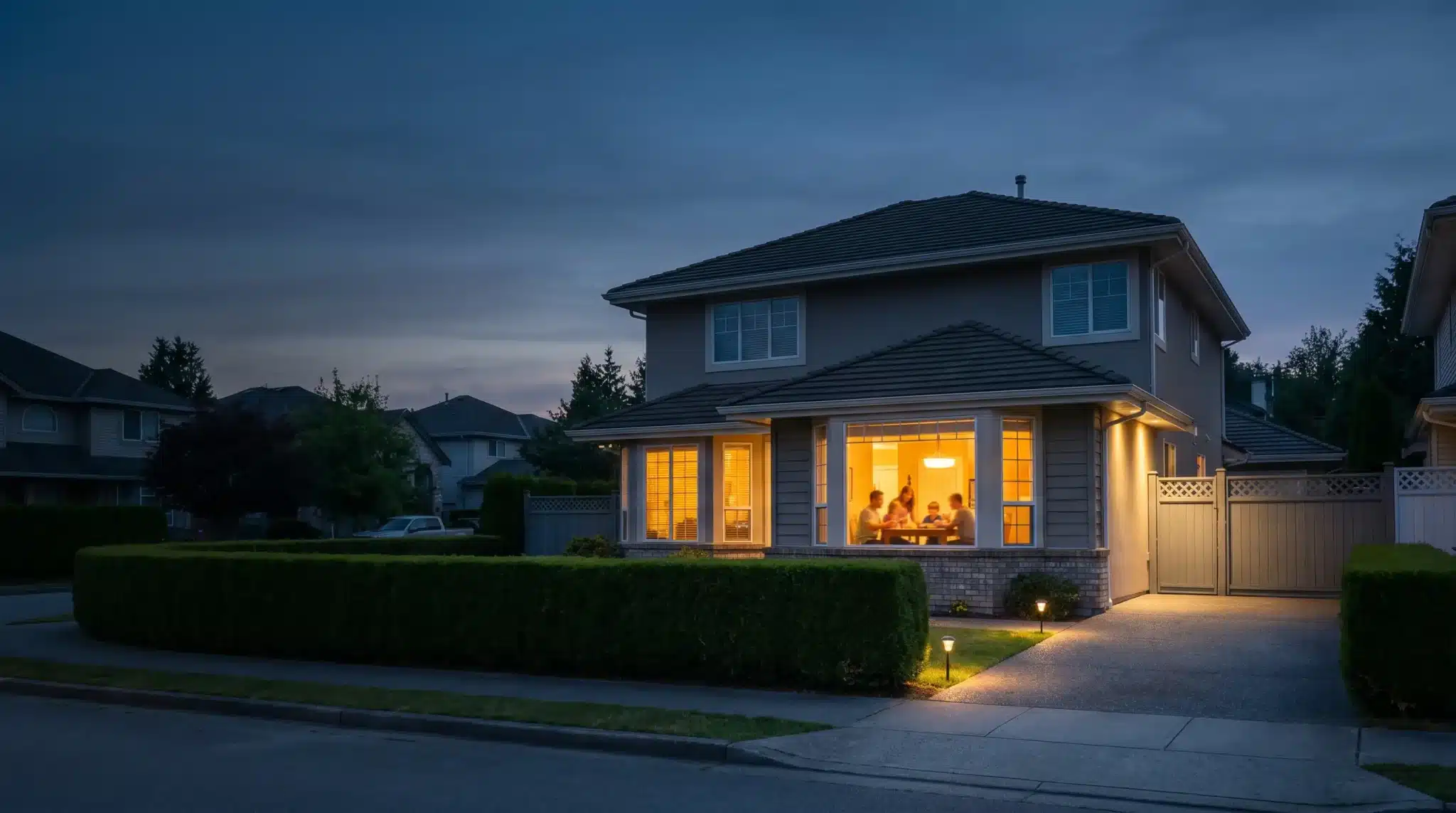
When Home Security Planning Becomes Essential

A house can look calm on a normal afternoon and still be exposed in ways most families do not notice until something goes wrong. A loose side gate, a dark driveway, a package left too long at the door, or a blind spot near a detached garage can turn into a real liability before anyone has time to react.
Serious home security planning is less about buying equipment and more about reducing operational drag. Families want to sleep, work, travel, and leave teenagers or older relatives at home without constantly wondering what they missed. Homeowners and property managers face the same basic test: can the property keep its people, routines, and assets protected without creating a new management burden?
The answer usually depends on whether the plan fits the way the property is actually used. A system that looks impressive on paper can still fail if it assumes perfect attention, perfect lighting, or perfect habits. Real protection has to account for visitors, deliveries, weather, routines, and the small shortcuts people take when life gets busy.
The Cost of Guessing Is Higher Than Most People Admit
Security problems rarely start with a dramatic incident. They start with inconvenience, uncertainty, and small gaps that get normalized. A camera that does not cover the rear entry, a contractor who is not clearly screened, or a front desk that relies on memory instead of process can create weak points that show up later as theft, trespass, or a harder insurance conversation.
For families, the pressure is personal. For property owners, it is also financial. The wrong setup can create staffing strain, compliance headaches, and continuity problems when no one is clearly responsible for who monitors what. A weak plan often looks cheaper right up until the first real interruption. Then the hidden costs show up fast: downtime, replacement work, complaints, and trust that takes longer to rebuild than the damage itself. This is where the difference becomes clear between average options and security services in Florida that actually work long term.
It also affects day-to-day behavior. When people do not trust the protection around them, they compensate in ways that create more friction: they avoid using certain entrances, leave lights on longer than needed, or stop following procedures because the rules feel inconsistent. Over time, that kind of work-around culture weakens the whole property.
What Serious Buyers Should Inspect Before They Commit
Good security planning is not a slogan. It is a set of checks that hold up under normal use, not just on a sales sheet. The most useful questions are practical ones: where can someone approach unnoticed, who notices first, and how quickly does anything actually get handled?
The answer should not depend on one attentive person having a good day. It should come from a system that is repeatable, understandable, and realistic to maintain.
Coverage That Matches How the Property Is Actually Used:
A property is only secure where daily movement has been thought through. That means looking at entrances, visitor paths, deliveries, side access, parking areas, and any space where someone can approach without being seen. The practical question is not whether there are cameras or guards somewhere on site. It is whether the full pattern of movement is covered from arrival to exit.
Watch for blind spots created by landscaping, lighting glare, stacked storage, or poor line of sight from reception areas. If the property has multiple user groups, such as family, guests, staff, or contractors, coverage should reflect those different flows instead of assuming everyone behaves the same way.
Process Matters More Than Hardware Alone:
A camera system without a response plan is just a record of failure. The same is true for a guard post that has no reporting standard or escalation path. Buyers should ask how incidents are logged, who gets notified, how quickly the response starts, and what happens when the usual contact is unavailable.
The better setups have simple rules that can be followed under pressure. They also have redundancy where it counts: backup power for key systems, clear handoff notes between shifts, and a way to confirm whether an alarm, delivery, or visitor check actually received attention.
- Who receives an alert first
- How incidents are documented in real time
- What the backup plan is when staffing changes unexpectedly
The Common Error: Buying Reassurance Instead of Resilience:
A lot of buyers want the feeling of security without the friction of actual security. That usually leads to overreliance on a single device, a vague patrol schedule, or a contractor who promises flexibility but cannot describe how coverage changes when conditions change.
No plan removes all risk. The goal is controlled exposure, not fantasy-level certainty. The better approach is to build layers that are realistic to maintain, clear to audit, and strong enough to hold when staffing, weather, or routine disruptions create pressure.
Another mistake is assuming the most visible option is automatically the strongest one. A flashy monitoring tool does little if the property still has easy access points, poor lighting, or no procedure for follow-up.
A Cleaner Way to Evaluate Real Protection
The best decisions usually come from walking the property with a critical eye and a clipboard, not from relying on general promises. A practical review should make it obvious where the property is vulnerable, where attention is wasted, and where a modest change would reduce risk quickly.
- Start with a real perimeter review. Walk the site at different times of day and note where light falls off, where someone can linger unseen, and which entrances get used more often than expected.
- Map the human side of the system. Decide who is responsible for monitoring, reporting, and responding, and write it down. If multiple people share the property, define how handoffs happen and which issues require immediate escalation.
- Test the plan under strain. Ask what happens during a power outage, a staff absence, a late delivery, or a weekend when fewer people are around. A workable security setup should still function when conditions are imperfect.
- Review the weak points that families often overlook, such as side windows, garage entries, shared driveways, and places where a person could wait without being noticed from inside.
- Revisit the plan after real-life changes. A new fence, a remodel, a change in household schedule, or a new tenant can shift the risk pattern enough to make an old setup less effective.
Protection Is Really About Keeping Life From Getting Disrupted
The strongest home security plans are usually the least theatrical. They do not rely on constant attention or dramatic intervention. They reduce ambiguity. People know where to enter, how to report a problem, and what happens after an alarm or concern is raised.
There is also a trade-off worth saying plainly: tighter control can make a property feel less casual. For many families and owners, a little less convenience is acceptable if it means better trust, fewer surprises, and less operational drag over time. The trick is to protect the property without making everyday life feel managed by the security system.
Viewed this way, protection is not just about stopping bad events. It is about preserving a household’s rhythm. Children still need to come and go, guests still need access, and service providers still need clear instructions.
A Better Standard for Households and Property Owners
Security planning works best when it is treated as part of normal property stewardship, not as a crisis purchase. The question is not whether a home or building can be made perfectly safe. It cannot. The question is whether the people responsible for it have reduced the obvious gaps, documented the response path, and chosen a setup that they can actually sustain.
That standard is hard to fake. It favors clear observation, practical checks, and providers who understand that real protection has to survive daily use, staffing changes, and ordinary human error. For homeowners and property managers alike, that is where confidence comes from: not from noise, but from a system that keeps working when attention drifts.