How to Make a Dining Room Feel Warm and Personal

A warm dining room starts with pieces that make people want to sit down and stay awhile. The table matters, the lighting sets the mood, and the chairs carry much of the daily comfort. This is why many homeowners look for luxury dining chairs when they want seating that feels refined, comfortable, and made for real life.
A dining room should support everyday living. It is often one of the busiest spaces in the home. Families gather there for meals, guests sit there during celebrations, and many people use the table for work, reading, or quiet talks during the day. When the room feels warm and personal, people naturally spend more time in it.
The good news is that creating this feeling does not require a full renovation. A few thoughtful choices can help the room feel more welcoming and more connected to the rest of the home.
Start With Comfort
A dining room may look lovely in photos, yet it needs to work for meals, talks, homework, holidays, and slow weekend breakfasts. Start with chairs that support the body well. Look for a seat depth that feels easy to use, a back that gives support, and a scale that fits the table.
Comfort also comes from space. Leave enough room for each person to pull out a chair and sit with ease. A room feels calmer when people can move around the table without bumping into corners or walls.
Soft materials can also help the room feel more inviting. Upholstered seats add warmth and encourage guests to stay at the table longer. Even a small cushion or textured fabric can soften the overall look of the room.
When possible, test how the seating feels during longer meals. Dining spaces work best when beauty and comfort support each other.
Choose Materials With Warmth
Materials shape the mood of the room. Wood brings natural charm. Upholstery adds softness. Leather can feel rich and grounded. Metal can add polish when used with care.
A warm dining room does not need every finish to match. It often feels more personal when finishes work together in a gentle way. A wood table can pair with upholstered chairs. A stone top can feel softer with woven accents nearby. A dark chair frame can feel balanced with a light rug or pale wall color.
Natural materials often age well over time. Wood develops character through use. Linen and cotton bring softness that helps the room feel relaxed. Small signs of use can even make the room feel more lived in and welcoming.
Try to avoid filling the room with too many shiny or hard surfaces. Balance helps the room feel comfortable and calm.
Use Lighting to Set the Mood
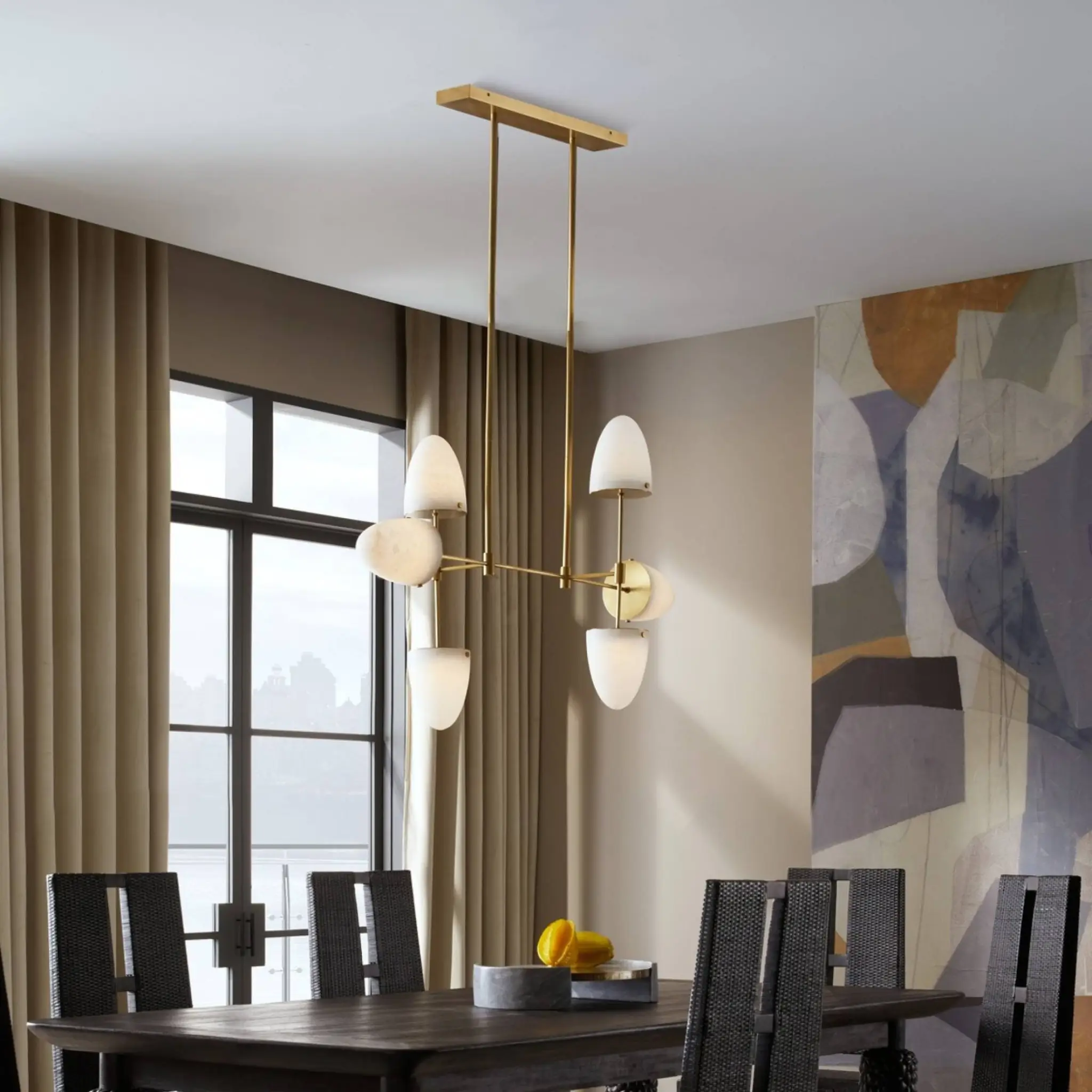
Lighting can change the whole feel of a dining space. A pendant or chandelier above the table creates a clear center for the room. It also helps the table feel like a gathering place.
Use warm bulbs when possible. Bright white light can make a dining room feel sharp. Softer light helps people relax. Add lamps or wall lights nearby if the room feels flat at night. Layers of light make dinner feel calm and welcoming.
Dimmer switches can also help. Bright light may work well during the day, while softer lighting feels better during evening meals. This flexibility helps the room support different activities throughout the week.
Candles can also add warmth during special dinners or quiet evenings at home. Even simple lighting changes can make a large difference in how the room feels.
Add Texture Around the Table
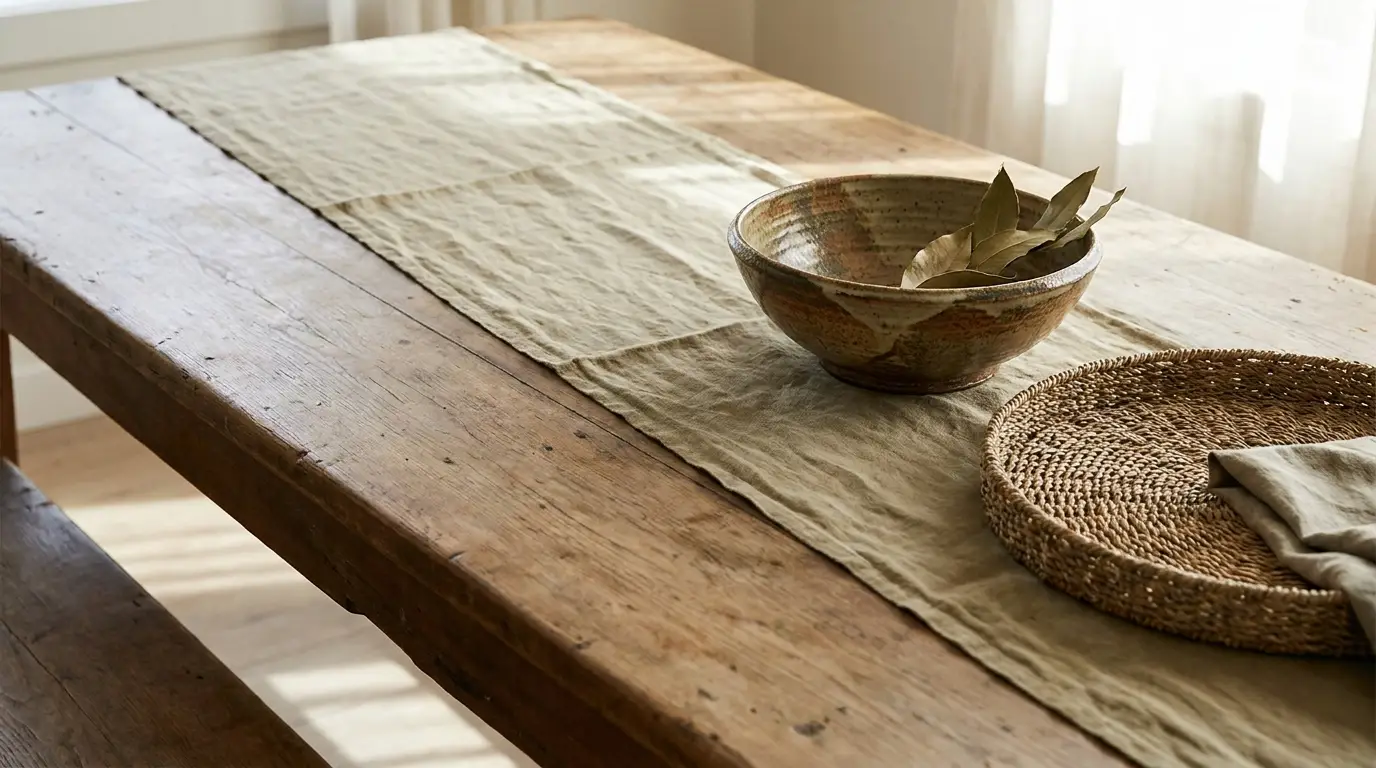
Texture makes a dining room feel lived in. A rug under the table can add warmth and help define the space. Curtains can soften the room and make it feel finished. Linen napkins, woven trays, ceramic bowls, and wood accents can bring quiet detail to the table.
Choose items that feel good to touch and easy to use. A dining room should not feel too precious. It should invite people in.
Layering texture can also help the room feel balanced. If the table has a smooth finish, add softer materials nearby. If the chairs have fabric seats, bring in natural wood or woven details to create contrast in a subtle way.
Seasonal textures can refresh the room without major changes. Light linen works well in warmer months, while thicker fabrics and darker tones can make the room feel cozy during cooler seasons.
Bring in Meaningful Decor
Wall art, mirrors, vases, and small objects can help the dining room show your taste. Choose pieces that mean something to you or add a mood you enjoy. A large mirror can reflect light and make the room feel more open. Art can bring color and personality. A simple bowl or vase can add shape without crowding the table.
Keep the table surface clear enough for meals. A few well chosen accents often feel better than many small items.
Fresh flowers or greenery can also make the room feel alive. They do not need to be expensive or formal. Even a small branch in a vase can soften the space and add natural color.
Books, handmade pottery, or collected objects can help tell a story about the people who live in the home. Personal touches often create the strongest sense of warmth.
Think About Flow
The dining room should connect with the rest of the home. Repeat a few colors, shapes, or finishes from nearby spaces. This helps the room feel natural, not separate from the home.
Flow also means the room supports daily life. Store serving pieces close by if you use them often. Keep paths open. Choose chairs that tuck in well. These small choices make the room easier to enjoy.
If the dining room connects to the kitchen or living room, think about how the spaces work together. Similar tones or materials can create a sense of harmony without making every room look the same.
Good flow also comes from balance. Large furniture pieces should fit the room size. Open space around the table helps the room feel comfortable instead of crowded.
Let the Room Feel Personal
A warm dining room does not come from one perfect item. It comes from the way each part supports daily life. Comfortable chairs, kind lighting, natural texture, and personal decor can all work together.
The most welcoming dining rooms often evolve over time. People add pieces slowly, move things around, and learn what works best for their routines. This process gives the room character.
Do not feel pressure to make everything look perfect. Homes feel more inviting when they reflect real life and personal taste. A dining room should support connection, conversation, and comfort.
The goal is simple. Create a space where people feel welcome, meals feel unhurried, and the room reflects the home around it.