Layering Comfort: Simple Ways to Add Warmth and Texture to Your Space

There’s a quiet shift happening in the way we think about our homes. It’s less about perfection and more about how a space feels when you walk into it. Comfort has become the new marker of good design, visually and emotionally.
Interior designer Ilse Crawford, known for her human-centred approach, once said, “The most important thing? Comfort.” It’s a simple idea, but one that sits at the heart of creating a home that feels lived-in, welcoming, and personal.
One of the easiest ways to achieve that sense of comfort is through layering – adding depth with textiles, materials, and thoughtful details that soften a space and make it feel complete. Below, we explore simple, considered ways to layer warmth and texture into your home without overwhelming it.
Start with a Soft Foundation
Every well-layered room begins with a base. Think of it as the canvas that allows everything else to build naturally.
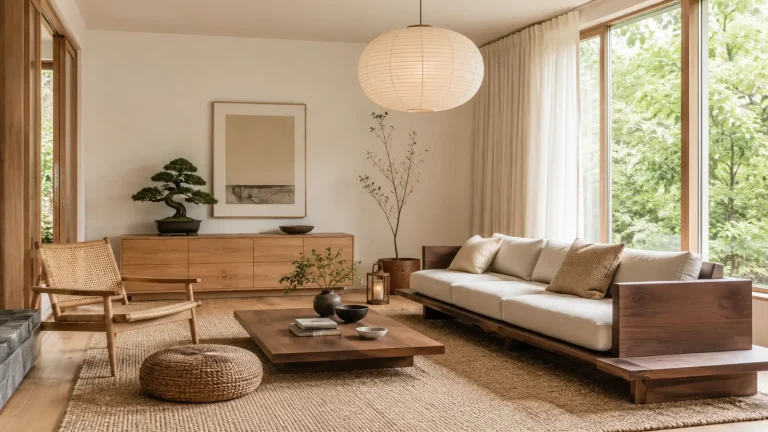
Hard surfaces (wooden floors, tiled areas, or minimal furniture) can sometimes feel stark on their own. Introducing softness at ground level immediately changes the atmosphere. A rug, for example, doesn’t just define a space; it absorbs sound, adds warmth underfoot, and creates a visual anchor.
Natural fibres like wool, jute, or cotton bring subtle texture without dominating the room. The goal isn’t to make a statement straight away, but to create a foundation that feels calm and inviting.
Build Layers Through Textiles
Once your base is in place, textiles become your most effective tool. Cushions, throws, and curtains are where comfort really begins to take shape.
Rather than matching everything perfectly, focus on variation. Combine different weaves, weights, and finishes – a chunky knit alongside a smooth linen, or a brushed cotton paired with a slightly heavier fabric. This contrast creates depth without needing bold colours or patterns.
When choosing pieces, it can help to explore collections from trusted sources like Terrys, where a range of textures and finishes allows you to experiment with layering in a way that still feels cohesive.
As author and designer Nate Berkus puts it, “Your home should tell the story of who you are, and be a collection of what you love.” Layering textiles is one of the simplest ways to tell that story.
Embrace a Thoughtful Colour Palette
Warmth isn’t just about texture – it’s also about tone. Colours play a significant role in how a space is perceived.
Soft neutrals, earthy shades, and muted tones naturally create a sense of calm. Think warm whites, sandy beiges, olive greens, and soft terracottas. These colours work together to build a layered look without feeling busy.
That doesn’t mean you need to avoid contrast altogether. A deeper tone, such as charcoal, navy, or forest green, can ground the space and add balance when used sparingly.
The key is consistency. A considered palette allows different textures to stand out without competing for attention.
Introduce Natural Materials
Texture often comes from the materials themselves. Wood, stone, linen, and wool each bring their own tactile quality, and combining them adds richness to a room.
A wooden coffee table paired with a linen sofa, a ceramic vase on a woven tray, or a stone surface softened by fabric accents – these small contrasts create a layered, lived-in feel.
There’s also a deeper appeal to natural materials. Studies in environmental psychology suggest that incorporating natural elements into interior spaces can reduce stress and improve overall well-being (Kellert & Calabrese, 2015). This connection to nature (often referred to as biophilic design) reinforces the sense of comfort we’re trying to achieve.
Layer Lighting for Atmosphere
Lighting is often overlooked, but it plays a crucial role in how warm a space feels. A single overhead light can leave a room feeling flat, no matter how well it’s styled.
Instead, aim for multiple light sources at different levels. Table lamps, floor lamps, and wall lighting create pockets of softness and allow you to adjust the mood throughout the day.
Warm-toned bulbs are particularly effective in living spaces and bedrooms, as they mimic natural evening light and create a more relaxed atmosphere.
As lighting designer Ingo Maurer once said, “Light is the most important element in shaping space.” When layered thoughtfully, it enhances every other element in the room.
Add Depth with Personal Details
A home feels warm when it reflects the people who live in it. Personal touches (books, artwork, ceramics, or collected objects) bring individuality and depth.
Instead of filling every surface, curate small groupings that feel intentional. A stack of books beside a candle, a framed photograph layered against a wall, or a handmade piece placed on a shelf can add subtle texture without clutter.
These details don’t need to be expensive or perfectly styled. In fact, the most comforting spaces often include items that carry meaning rather than aesthetic perfection.
Balance Structure with Softness
One of the most effective ways to layer comfort is through contrast. Pair structured furniture with softer elements to create balance.
For example, a clean-lined sofa becomes more inviting when styled with relaxed cushions and a draped throw. A sleek dining table feels less formal when surrounded by upholstered chairs or softened with a fabric runner.
This balance prevents a space from feeling either too rigid or overly casual. It creates harmony, something that’s often felt more than seen.
Don’t Overdo It
Layering is about addition, but restraint is just as important. Too many textures, colours, or accessories can make a space feel heavy rather than comforting.
Step back and assess how the room feels. If something doesn’t add to the overall sense of calm, it might not need to be there.
Coco Chanel’s well-known advice – “Before you leave the house, look in the mirror and take one thing off” – applies just as well to interiors. Editing is part of the process.
Conclusion
Creating a warm and inviting home doesn’t require a complete redesign. Often, it’s the subtle layers – a soft rug, a well-placed throw, a mix of natural materials, and considered lighting – that make the biggest difference.
By focusing on texture, tone, and thoughtful details, you can build a space that feels comfortable, personal, and quietly refined.
In the end, layering comfort isn’t about following rules or trends. It’s about shaping a home that supports the way you live – one layer at a time.