The Hidden Signs of Water Damage Every Homeowner Should Know

Water damage is one of the most common and costly problems homeowners face. While major flooding or burst pipes are obvious causes for concern, many forms of water damage develop slowly and quietly over time. By the time visible damage appears, the repairs can already be extensive and expensive.
Learning to recognize the hidden warning signs early can help homeowners avoid structural damage, mold growth, and costly restoration projects. Here are some of the most important signs of hidden water damage that should never be ignored.
Musty Odors That Won’t Go Away
One of the earliest indicators of hidden moisture problems is a persistent musty smell. Basements, crawl spaces, laundry rooms, and bathrooms are especially prone to excess moisture buildup.
A musty odor often signals mold or mildew growth behind walls, beneath flooring, or inside insulation. Even if you cannot see visible mold, the smell alone may indicate that water is entering the home somewhere.
Homeowners sometimes try to mask the smell with air fresheners or dehumidifiers, but persistent odors should always be investigated further.
Peeling Paint or Bubbling Walls
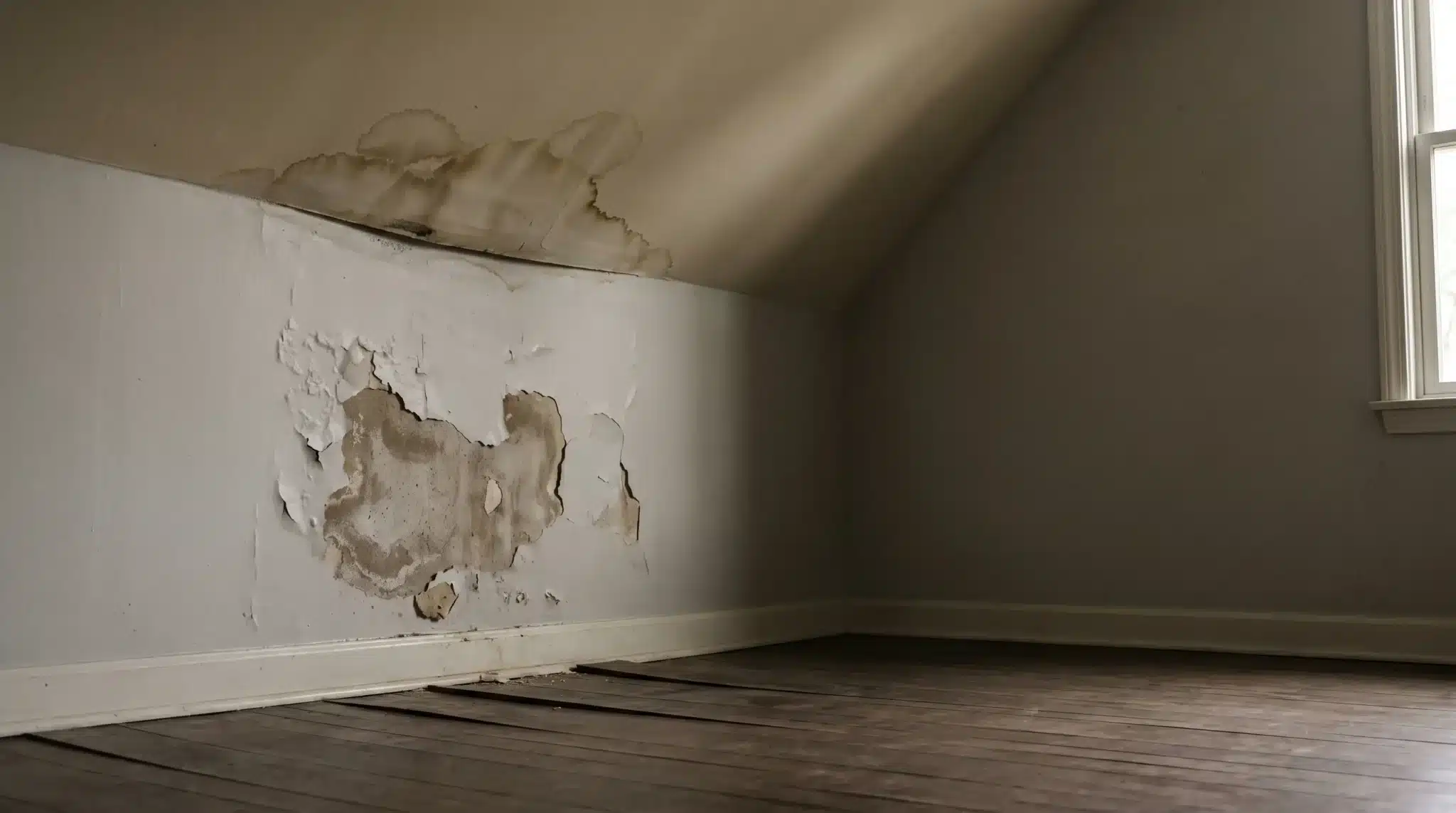
Paint and drywall can reveal hidden moisture problems long before major leaks appear. If paint begins bubbling, cracking, or peeling, water may be trapped behind the surface.
Wallpaper that starts separating from the wall can also indicate moisture intrusion. In many cases, this happens because water weakens the adhesive over time.
These issues are especially common near windows, ceilings, exterior walls, and basements where water infiltration is more likely to occur.
Stains on Ceilings or Walls
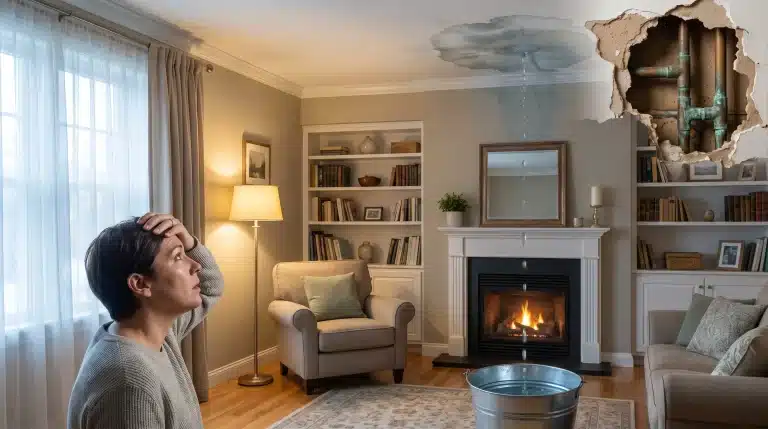
Discolored stains are one of the clearest visual signs of water damage. Yellow, brown, or copper-colored spots often appear after water slowly seeps through drywall or ceiling materials.
Even small stains should not be ignored. A minor discoloration today could eventually become a major leak tomorrow. Water stains may come from roof damage, plumbing leaks, overflowing gutters, or poor drainage around the home.
If stains continue growing or reappear after repainting, there is likely an unresolved moisture issue behind the surface.
Warped or Buckling Flooring
Water damage does not always stay confined to walls and ceilings. Flooring materials are also highly vulnerable to hidden moisture.
Hardwood floors may begin cupping, warping, or separating. Laminate flooring can bubble or swell, while tile may loosen if moisture weakens the subfloor beneath it.
Carpet that feels damp or develops an unusual odor may also indicate water intrusion below the surface.
Because flooring materials absorb moisture gradually, homeowners sometimes overlook these warning signs until significant damage has already occurred.
Unexpected Increase in Utility Bills
A sudden spike in water bills without a clear explanation may point to a hidden plumbing leak. Even a small leak behind a wall or beneath a floor can waste large amounts of water over time.
Monitoring monthly utility usage can help homeowners catch problems earlier. If bills suddenly rise despite normal water usage habits, it may be worth having the plumbing system inspected.
Undetected leaks not only increase water costs but can also contribute to mold growth and structural deterioration.
Cracks in the Foundation or Basement Walls
Small foundation cracks are relatively common in many homes, but expanding cracks or signs of moisture around them should be taken seriously.
Water pressure in the surrounding soil can force moisture through even tiny openings in basement walls. Over time, this can lead to leaks, mold, and weakening of the foundation itself.
Homeowners may also notice damp basement walls, white chalky residue known as efflorescence, or pooling water after storms.
Addressing basement moisture problems early is critical to preventing larger structural issues later on. Professionals like ACM Basement Waterproofing help homeowners identify the source of water intrusion and implement long-term waterproofing solutions before the damage worsens.
Mold Growth in Unexpected Areas
Mold thrives anywhere moisture is present. While bathrooms are common locations for mold, growth in less obvious places often points to hidden water damage.
Watch for mold forming around baseboards, inside cabinets, near HVAC vents, or along basement walls. Even small patches may indicate a larger moisture problem behind the scenes.
In addition to damaging surfaces, mold can negatively affect indoor air quality and trigger allergies or respiratory irritation.
If mold repeatedly returns after cleaning, the underlying moisture source likely has not been resolved.
Sagging Ceilings or Soft Drywall
Drywall absorbs water easily. Over time, trapped moisture weakens the material and causes it to soften or sag.
Ceilings affected by water damage may appear swollen, uneven, or slightly bowed. Walls may feel soft to the touch or crumble easily when pressed.
These warning signs should be addressed immediately because severe moisture buildup can eventually cause sections of drywall or ceilings to collapse.
Exterior Drainage Problems
Sometimes the earliest signs of water damage begin outside the home rather than inside it.
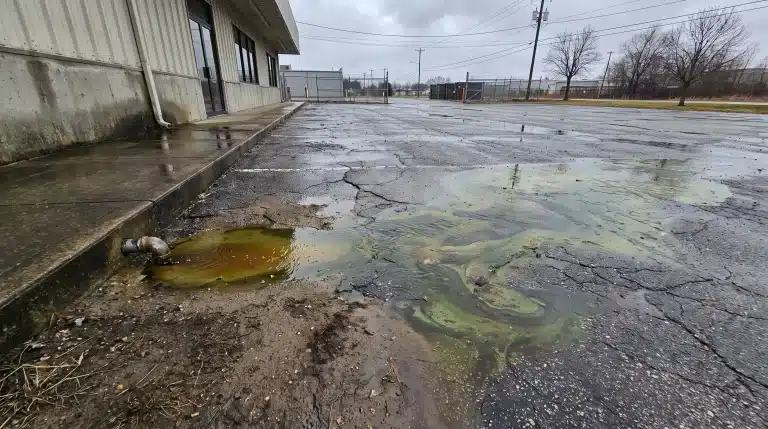
Pooling water near the foundation, overflowing gutters, clogged downspouts, or soil erosion around the house can all contribute to moisture intrusion over time.
Poor grading is another major issue. If the ground slopes toward the home instead of away from it, rainwater naturally collects around the foundation and increases the risk of leaks.
Regular exterior inspections can help homeowners identify drainage problems before they affect the interior of the home.
Why Early Detection Matters
The longer water damage goes unnoticed, the more expensive repairs typically become. Minor leaks can eventually lead to mold remediation, damaged insulation, ruined flooring, weakened framing, and structural repairs.
Early detection allows homeowners to fix small issues before they escalate into major restoration projects. Routine inspections, proper drainage maintenance, and monitoring for subtle warning signs can make a significant difference in protecting a home long-term.
Water damage rarely improves on its own. Paying attention to hidden warning signs and acting quickly can help homeowners avoid unnecessary stress, protect property value, and maintain a safer, healthier living environment.