A Simple Guide to Choosing Winter Dog Jackets

Cold months bring real challenges for dog owners who want their pets to be comfortable during outdoor time. Some breeds handle frost just fine, while others shiver within minutes of stepping outside. A well-made winter coat adds warmth, shields against harsh elements, and still lets dogs move freely. This guide walks pet parents through what actually matters when picking the right jacket: fabrics, sizing, useful features, and how breed type shapes the decision.
Why Dogs Need Winter Jackets
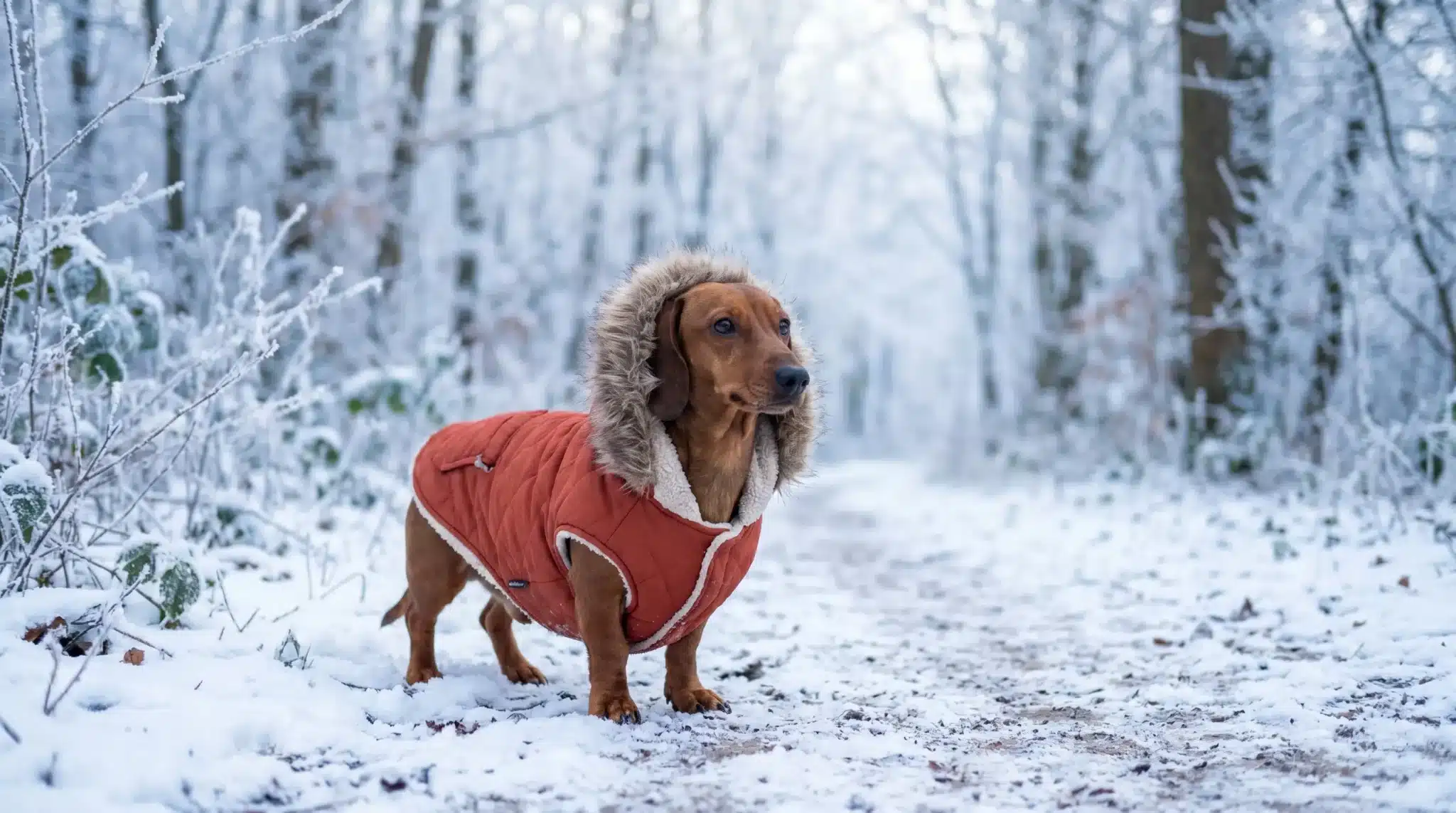
Small breeds, short-coated dogs, older pets, and young puppies lose body heat far faster than most owners realize. The fur they carry simply cannot hold enough warmth once temperatures dip below freezing. Research indicates that dogs weighing under 20 pounds, along with breeds like Greyhounds, Chihuahuas, and Dachshunds, face a higher risk of hypothermia. A solid jacket guards sensitive skin against biting winds, wet snow, and icy showers. Even double-coated dogs appreciate extra cover during extended walks in severe cold.
Key Factors to Consider Before Buying
Selecting good outerwear goes beyond picking a stylish print. Owners should think through several practical details to find a coat that genuinely holds up. Choosing well-crafted warm dog jackets for colder days can transform frosty walks into something both pet and human actually enjoy. A smart pick keeps dogs moving, cozy, and shielded from rough weather without limiting how they run, jump, or sniff around.
1. Insulation and Warmth
Search for coats lined with synthetic down, soft fleece, or sherpa fabric. Insulation ratings carry weight, particularly for dogs in areas where the mercury sinks below- 10 degrees Celsius. Thicker fills suit lengthy outdoor sessions, while slimmer options work for quick bathroom trips.
2. Waterproof and Windproof Layers
Outer fabrics made from nylon or polyester with a DWR (durable water repellent) finish push away snow and sleet. A wind-blocking layer keeps chilly gusts off the skin, which really matters for breeds carrying light fur.
3. Correct Fit and Mobility
Take measurements of the dog’s neck, chest girth, and back length before placing an order. A snug coat can limit breathing, while one too loose allows cold air inside. Adjustable straps along the belly and neck area give a secure yet flexible hold.
Types of Winter Jackets for Dogs
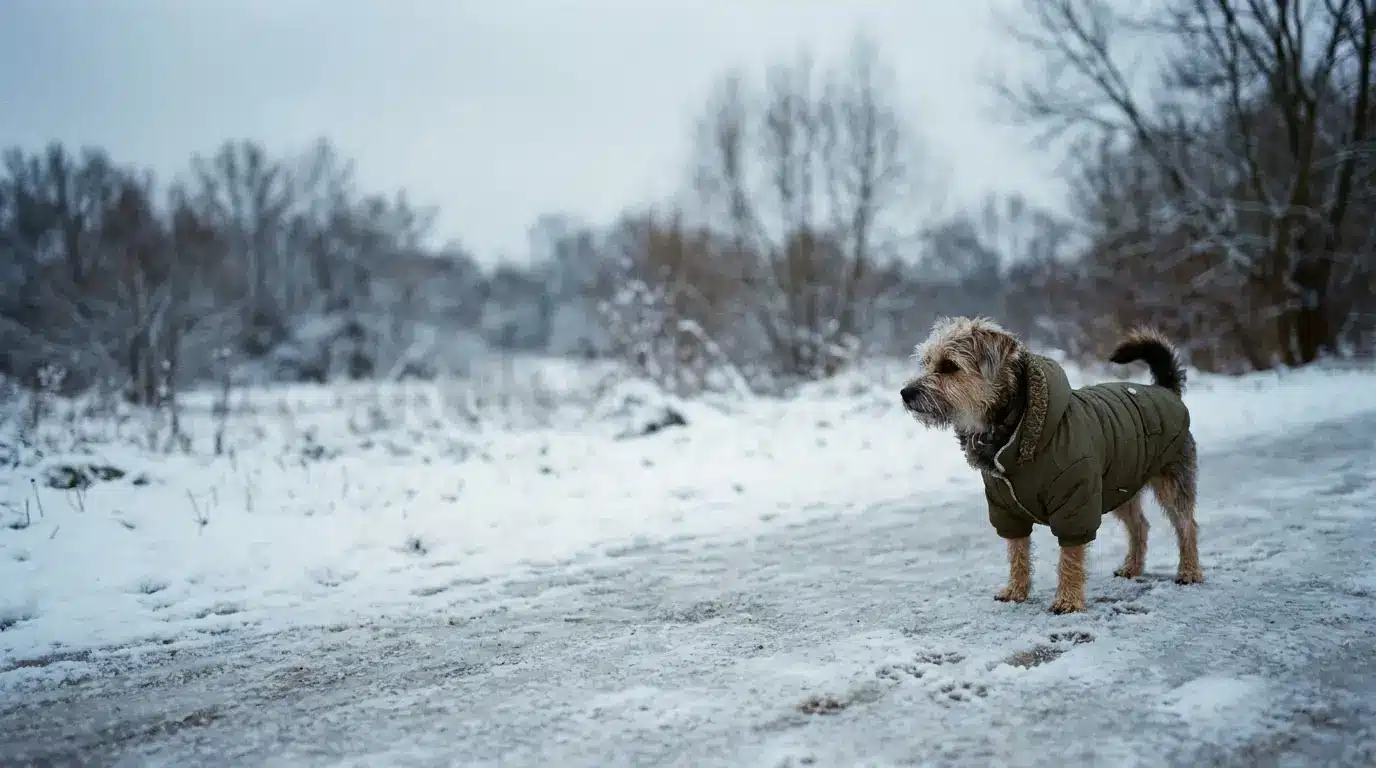
Various coat styles fit different activity levels and weather patterns. Owners should pair the style with their pet’s daily routine and local climate for the best outcome.
1. Parkas
Heavy-duty parkas deliver serious warmth through dense insulation and attached hoods. They suit long hikes, snowy hikes, and breeds that feel every drop in temperature.
2. Fleece Pullovers
Lightweight fleece pieces suit milder winter afternoons or indoor wear. They layer nicely beneath waterproof shells once weather turns rough.
3. Rain-Snow Hybrids
Such coats blend moisture defence with moderate warmth, making them flexible for shifting winter patterns where sleet and slush appear often.
Features That Add Real Value
Certain design touches set strong jackets apart from average ones. Reflective strips boost visibility during early morning or late evening walks, a safety factor worth considering in shorter daylight months. Leash openings built into the back allow owners to clip harnesses without peeling off the coat. Elasticated leg holes cut down on drafts, and machine-washable fabrics simplify cleanup after muddy outings. Zipper guards keep fur from snagging, a small addition that long-haired breeds truly benefit from.
Matching the Jacket to the Breed
Body shape plays a serious role in coat selection. Deep-chested dogs like Greyhounds call for tapered cuts, while stocky pets such as Bulldogs need broader necklines. Long-bodied breeds like Dachshunds do best with extended back coverage. Puppies grow quickly, so adjustable pieces stretch their usable life. Older dogs dealing with arthritis tend to prefer step-in designs that skip the stress of pulling fabric over the head. Always place comfort alongside warmth at the top of the list.
Care and Maintenance Tips
Routine cleaning adds years to any dog’s coat. Stick with the manufacturer’s washing directions carefully, since harsh detergents can wear off waterproof coatings. Air drying protects insulation better than tumble cycles. Check seams, zippers, and straps every week for any damage, as worn parts weaken weather protection. Storing coats in a dry, airy spot blocks mildew through off-seasons.
Conclusion
Picking the right winter jacket really comes down to balancing insulation, sizing, and useful features with a dog’s specific needs. Giving thought to breed traits, local climate, and daily activity helps owners make a sound choice. A quality coat guards against cold stress while letting pets enjoy every snowy walk ahead. With careful selection and steady upkeep, a good jacket turns into a trusted partner across many cold seasons to come.